Reynand Holland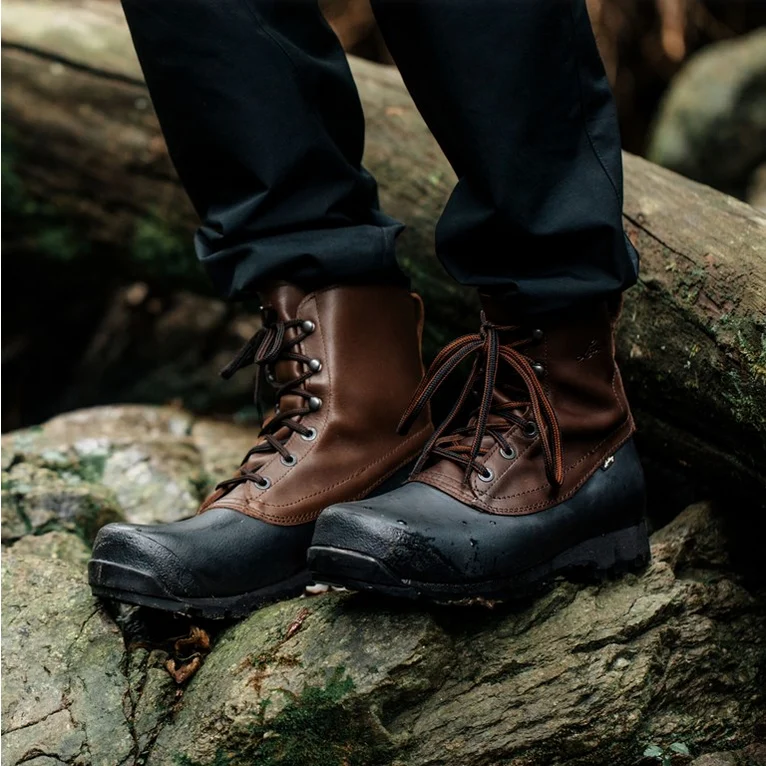
When venturing into winter’s embrace, whether facing crisp snow or slushy city streets, the footwear chosen is paramount not only for personal comfort and safety but also for the well-being of the environment. Truly sustainable winter boots must offer robust weather resistance, possess the durability to withstand years of use, and critically, be free from toxic waterproof finishes. The growing awareness surrounding per- and poly-fluoroalkyl chemicals (PFAS) has brought this issue to the forefront, highlighting the need for consumers to make informed choices about their outdoor gear.
PFAS, often referred to as "forever chemicals" by scientists and "Durable Water Repellent" (DWR) by the industry, are a group of synthetic chemicals widely employed across various sectors, including fashion, to impart water and stain resistance without compromising breathability. Their prevalence is particularly notable in outdoor apparel and equipment, including hiking gear, ski wear, and crucially, snow-proof winter boots.
The inherent problem with PFAS lies in their persistence. Once these chemicals flake off from footwear and enter the environment, they do not degrade. Due to their exceptionally strong chemical bonds, PFAS can persist for millennia, contaminating water sources, snowpack, soil, and ultimately, drinking water. The implications extend beyond ecological damage; PFAS can also transfer from boots into homes, and human exposure has been linked to a range of adverse health effects, including certain cancers, fertility issues, and compromised immune system function.
The general consensus within the environmental and health-conscious community is that unless a brand explicitly states its waterproofing finish is PFAS-free, PFC-free, or free of fluorinated chemicals, it is prudent to assume the product contains these persistent chemicals. This underscores the importance of consumer vigilance and the need for brands to provide clear and transparent information regarding their material sourcing and treatment processes.
For consumers seeking to navigate this complex landscape, understanding the criteria for truly sustainable and safe winter boots is essential. This involves looking beyond mere waterproofing claims to examine the materials used, the ethical considerations of the supply chain, and the brand’s commitment to product longevity through repair and after-market services.
Criteria for Selecting Sustainable PFAS-Free Winter Boots
When selecting winter boots that prioritize both personal and environmental health, several key criteria should be considered:
Safe and Sustainable Materials
The most crucial aspect of a sustainable winter boot is its material composition. Beyond the absence of PFAS, consumers should seek out boots made from naturally water-resistant materials like leather, provided it is sourced responsibly. Certifications from the Leather Working Group (LWG) are a strong indicator that the leather has been processed using environmentally sound practices. For boots incorporating recycled materials, the Global Recycled Standard (GRS) certification is a vital verification of genuine recycled content. Additionally, brands that engage with initiatives like bluesign or maintain comprehensive restricted substances lists demonstrate a serious commitment to managing their chemical footprint.
Transparent Supply Chain
True sustainability extends to the ethical treatment of workers and responsible sourcing throughout the entire production process. Brands that are transparent about their manufacturing locations, raw material origins, and factory audits are more likely to uphold fair labor practices and minimize environmental impact. Partnerships with organizations like the Fair Wear Foundation or the publication of a clear code of conduct are positive indicators of a brand’s commitment to supply chain integrity.
After-Market Repair and Longevity
A truly sustainable product is designed for durability and longevity, reducing the need for frequent replacement. Brands that offer repair services, replacement parts, or provide guidance on maintaining and repairing their gear are actively contributing to a circular economy. This commitment to extending the product’s lifespan is a hallmark of responsible manufacturing.
Leading Brands in PFAS-Free Winter Footwear
Navigating the market for sustainable winter boots can be challenging, but several brands are setting a high standard for environmental responsibility and product quality. These companies are actively working to eliminate PFAS from their waterproofing treatments and are committed to ethical and sustainable practices.
1. Keen Footwear
Keen has emerged as a trailblazer in the outdoor industry, notably being the first outdoor brand to commit to being PFAS-free. The company has openly shared its process to encourage wider adoption of this critical change within the industry. Keen’s winter boots are designed for both safety and comfort, built with durability in mind. They utilize a PFAS-free Durable Water Repellent finish and prioritize sourcing leather from LWG-certified tanneries. Their commitment to ethical manufacturing is further demonstrated by their practice of producing at least one in three pairs in their own factories and conducting rigorous audits of their Tier 1 and Tier 2 suppliers to ensure adherence to their code of conduct.
- Price Range: $115-$250
- Availability: Primarily in the U.S., with some products available for international shipping through partner dealers.
2. Jack Wolfskin
This German outdoor brand is dedicated to creating innovative and environmentally conscious gear that is built to last. The majority of Jack Wolfskin’s winter boots feature their proprietary Texapore technology, which provides reliable water and wind protection without the use of PFAS. The company is highly transparent about its supply chain, listing all partners who are bluesign-approved or adhere to stringent substance usage guidelines. Regular inspections by independent bodies ensure that factories uphold safe and fair working conditions.
- Price Range: $120-$230
- Availability: Widely available in most European countries.
3. Lundhags
With a heritage dating back to 1932, Lundhags, a Swedish outdoor brand, has long prioritized quality and durability. Their leather boots are crafted in Europe, utilizing materials from a German tannery, contributing to a shorter and more traceable supply chain. Lundhags offers a diverse range of boot constructions, including shell, one-layer, and three-layer designs. A significant aspect of their sustainability commitment is their dedicated after-market repair shop, which aims to extend the lifespan of their products. Factory working conditions are regulated under the Brav code of conduct.
- Price Range: $217-$597
- Availability: Available in most European countries.
4. Vaude
Vaude, another European brand, offers winter boots featuring a PFAS-free recycled polyester membrane that provides excellent water and wind resistance. They source their leather uppers from a local tannery in Germany, further supporting regional production. Product origin details are readily available on each product page, fostering transparency. Vaude also makes it easy for consumers to extend the life of their boots, offering a range of affordable replacement parts and comprehensive full-service repair options.
- Price Range: $200-$263
- Availability: Available in Canada and most European countries, but unfortunately not currently in the U.S.
5. Forsake
Forsake designs LWG-certified waterproof boots that cater to various styles, from casual sneaker-boots to more robust heeled hiking boots. Their parent group maintains a strict code of conduct for all suppliers and conducts regular audits to ensure compliance. While the brand is committed to quality and sustainability, there is a degree of ambiguity regarding the sourcing of their memory foam insoles, an area where further transparency would be beneficial.
- Price Range: $145-$160
- Availability: Available in the U.S.
6. EcoAlf
EcoAlf is a certified B-Corp, a designation that signifies a high standard of social and environmental performance, accountability, and transparency. Their vegan winter boots are PFAS-free and constructed using GRS-certified recycled polyester and a blend of new and recycled rubber. The brand diligently tracks its supply chain up to Tier 3, demonstrating a commitment to understanding the origins of its materials. However, like some other brands, the precise sourcing of their raw materials remains somewhat unclear.
- Price Range: $145-$299
- Availability: Available in the U.S., most South American countries, most European countries, and most Asian countries.
7. Will’s Vegan Store
Will’s Vegan Shoes, based in the UK, produces its footwear in Italy and Portugal using innovative bio-based leathers and recycled polyester insulation. The brand is notable for tracing every step of its production process, ensuring adherence to sustainable and ethical practices. Some of their waterproof shoe models feature PFAS-free uppers. However, it is important for consumers to note that many of their vegan leather products are plastic-based, and not all waterproof pairs are explicitly stated as PFAS-free, necessitating careful review of product descriptions.
- Price Range: $134-$190
- Availability: Ships worldwide.
8. Poppy Barley
Poppy Barley offers LWG-certified water-resistant ankle and calf-length boots, emphasizing quality and ethical production. Their audited factories are located in Europe and Mexico. While the brand’s commitment to sustainable sourcing is evident, it’s crucial for consumers to verify the LWG certification on individual product pages, as not all boots are explicitly listed as such.
- Price Range: $293-$480
- Availability: Available in the Continental U.S., Mexico, Canada, and Australia.
9. REI Used Gear
For those seeking budget-friendly sustainable options, REI Used Gear presents a compelling platform. This initiative allows consumers to purchase, sell, and trade in pre-owned outdoor equipment, offering discounted winter boots from various sustainable brands. While REI is actively working to phase out PFAS from its product offerings, it is still advisable for shoppers to review product details carefully, as not all brands featured on the used gear platform are guaranteed to be PFAS-free.
- Price Range: $22-$149.50
- Availability: Available in the U.S.
The Broader Implications of the PFAS-Free Movement
The growing demand for PFAS-free outdoor gear, particularly winter boots, reflects a significant shift in consumer consciousness and industry responsibility. As scientific understanding of the long-term health and environmental impacts of PFAS continues to evolve, regulatory pressures are also mounting globally. Several jurisdictions are implementing or considering bans on certain PFAS chemicals, further incentivizing brands to seek safer alternatives.
The proactive stance taken by brands like Keen in openly sharing their transition strategies and encouraging industry-wide change is a testament to the power of collaboration in addressing complex environmental challenges. This movement not only benefits consumers by offering safer products but also contributes to the broader goal of reducing persistent chemical pollution.
The emphasis on supply chain transparency and the promotion of circular economy principles through repair services are also critical components of a truly sustainable future for the apparel and footwear industries. By supporting brands that champion these values, consumers play an active role in driving positive change, ensuring that the pursuit of outdoor adventures does not come at the expense of planetary health or human well-being. As winter approaches, making informed choices about footwear can be a powerful step towards a more sustainable and healthier world.