Muhammad Hendra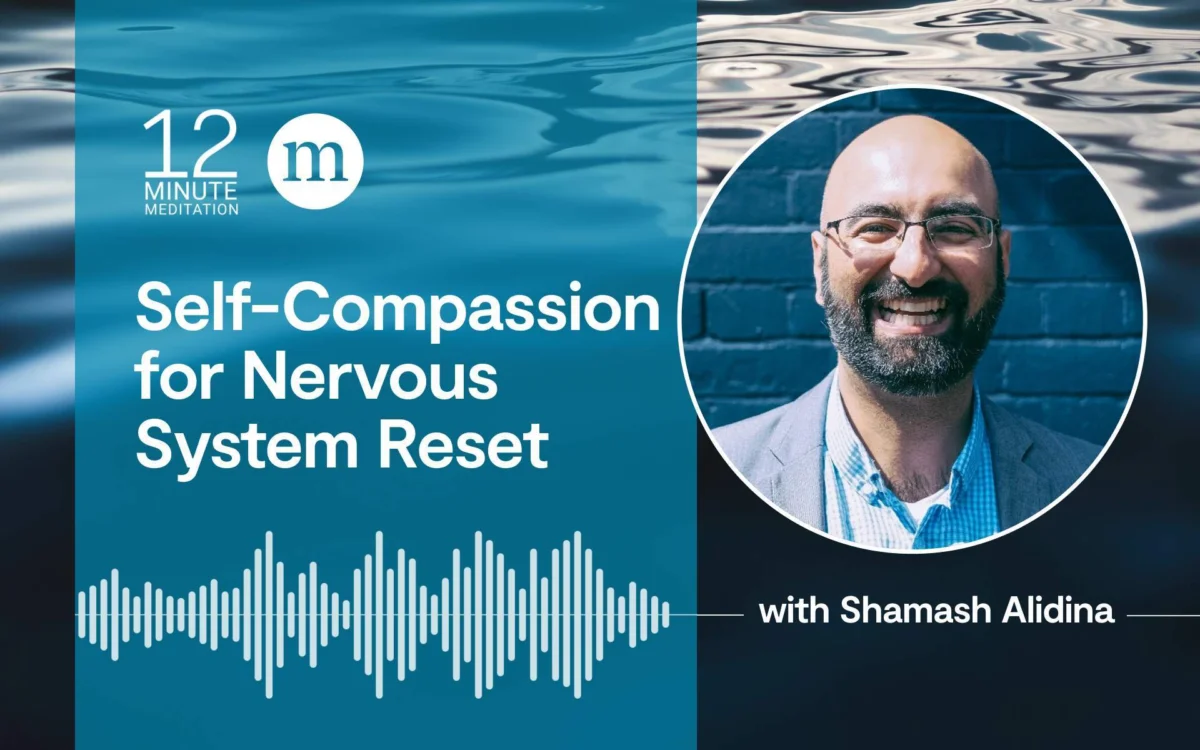
If individuals find themselves entangled in the pervasive cycle of stress, a gentle yet profound practice centered on self-compassion offers a vital pathway to pause, regulate the nervous system, and achieve a fundamental reset. This approach, increasingly recognized for its therapeutic efficacy, moves beyond conventional stress management techniques by addressing the underlying emotional and physiological impact of chronic pressure. Far from being an intuitive response for many, self-compassion stands out as one of the most potent forces for mental and physical restoration, fostering resilience in an increasingly demanding world.
The Pervasive Challenge of Stress in Modern Society
The modern era is characterized by unprecedented levels of stress, a phenomenon driven by a confluence of factors including demanding work environments, constant digital connectivity, economic anxieties, and global uncertainties. The World Health Organization (WHO) has recognized stress as a significant public health concern, with studies consistently showing a substantial portion of the global population reporting high stress levels. For instance, a 2023 report indicated that a majority of adults worldwide experience stress at least once a week, leading to a range of detrimental health outcomes from cardiovascular issues and weakened immune systems to anxiety disorders and depression. The economic cost of stress, encompassing lost productivity, healthcare expenditures, and disability claims, runs into billions of dollars annually, underscoring the urgent need for effective interventions.
When the body perceives a threat, real or imagined, it triggers the "fight, flight, or freeze" response, mediated by the sympathetic nervous system. While crucial for survival in acute situations, prolonged activation of this system, often referred to as a "stress cycle," leads to chronic physiological arousal. This state depletes vital resources, impairs cognitive function, disrupts sleep, and compromises emotional regulation. The vagus nerve, a key component of the parasympathetic nervous system, plays a crucial role in calming the body and restoring balance. Practices that activate the vagus nerve, such as deep breathing and mindful awareness, are essential for downregulating the stress response. Self-compassion emerges as a powerful tool in this context, directly influencing emotional processing and nervous system regulation.
Shamash Alidina: A Guiding Voice in Accessible Mindfulness
At the forefront of making these restorative practices accessible is Shamash Alidina, a distinguished mindfulness teacher who has dedicated over two decades to the field. With a practice spanning back to 1998 and full-time teaching since 2010, Alidina has become a prominent figure in the global mindfulness movement. Based in London, he helms a successful training organization, conducting online sessions and speaking at conferences worldwide, reaching a diverse audience seeking practical tools for well-being.
Alidina’s philosophy centers on the integration of mindfulness with kindness, asserting that true mindfulness is incomplete without a compassionate stance towards oneself. This perspective is deeply embedded in his work, including his acclaimed publications. He is the author of Mindfulness For Dummies, a widely recognized guide that demystifies mindfulness for a broad readership, and more recently, The Mindful Way Through Stress, a specialized resource targeting the specific challenges of stress management. His insights are frequently sought after by various media outlets, including newspapers, magazines, and radio shows, solidifying his reputation as an authoritative and relatable voice in mental wellness.
The Evolution of Mindfulness and Self-Compassion in Mainstream Wellness
The journey of mindfulness from ancient contemplative traditions to a mainstream therapeutic and wellness practice is a compelling chronology. Its formal introduction to Western clinical settings largely began in the late 1970s with Jon Kabat-Zinn’s development of Mindfulness-Based Stress Reduction (MBSR) at the University of Massachusetts Medical School. MBSR aimed to help patients cope with chronic pain and illness by teaching them to cultivate present-moment awareness without judgment. This marked a significant turning point, bridging spiritual practices with scientific inquiry.
Over the subsequent decades, research into mindfulness exploded, validating its benefits for reducing stress, anxiety, depression, and improving overall well-being. As mindfulness gained traction, the concept of self-compassion emerged as a critical, distinct, yet complementary component. Pioneers like Dr. Kristin Neff, a research psychologist at the University of Texas at Austin, began to define and rigorously study self-compassion in the early 2000s. Neff’s work identified three core components of self-compassion: self-kindness (treating oneself with understanding and warmth rather than harsh self-criticism), common humanity (recognizing that suffering and personal inadequacy are part of the shared human experience, rather than feeling isolated), and mindfulness (holding one’s painful thoughts and feelings in balanced awareness rather than over-identifying with them).
The integration of self-compassion into mindfulness-based interventions provided a crucial missing link for many practitioners. While mindfulness teaches present-moment awareness, self-compassion adds the element of how one relates to that awareness, particularly when it involves difficult emotions or experiences. This chronological development highlights a maturation in Western approaches to mental health, moving beyond mere symptom reduction to fostering deeper, more sustainable emotional resilience and self-acceptance. Alidina’s work directly builds upon this foundation, emphasizing the practical application of these principles for everyday stress.
Self-Compassion: A Non-Instinctual Yet Potent Healing Modality
Alidina’s central premise, that self-compassion is not always an instinctual response, resonates deeply with common human tendencies. In moments of stress or perceived failure, many individuals default to self-criticism, a harsh inner dialogue that can exacerbate distress and hinder problem-solving. Societal pressures often reinforce this critical internal voice, linking self-worth to achievement and perfection. However, scientific evidence increasingly demonstrates that self-criticism is counterproductive, fueling anxiety and depression, whereas self-compassion fosters emotional stability and motivation.

Research published in journals like Clinical Psychology Review and Journal of Personality and Social Psychology has shown that self-compassion is strongly associated with greater emotional resilience, reduced anxiety and depression, improved body image, healthier lifestyle choices, and more satisfying relationships. It helps individuals navigate setbacks with greater equanimity, learn from mistakes without becoming overwhelmed by shame, and maintain a sense of worth independent of external validation. By offering a gentle and accepting stance toward one’s struggles, self-compassion directly counters the self-perpetuating negative feedback loops that characterize the stress cycle.
Alidina’s Three Pathways to a Compassionate Reset
In his guided meditation practices and teachings, Shamash Alidina offers three distinct yet interconnected ways to cultivate self-compassion, particularly when feeling overwhelmed by stress and in need of a reset. While the specific details of his guided meditation are not explicitly laid out as a step-by-step instruction in a journalistic format, the underlying principles he advocates are consistent with established self-compassion practices. These pathways are designed to interrupt the stress response, soothe the nervous system, and restore a sense of inner calm and resilience.
-
Mindful Recognition of Suffering: The first step involves bringing mindful awareness to the current experience of stress or suffering. This isn’t about wallowing in negativity but rather acknowledging the pain, discomfort, or difficulty without judgment. Alidina encourages individuals to gently notice the physical sensations, emotional states, and thoughts that arise with stress. This act of mindful observation, rather than immediate reaction or suppression, creates a space between the individual and their distress. It’s about saying, "This is hard right now," rather than, "I shouldn’t be feeling this way." This initial acknowledgement is crucial for disrupting automatic stress patterns and opening the door for a more compassionate response. It grounds the individual in the present reality of their experience, allowing for a clearer assessment of their internal state.
-
Connecting to Common Humanity: The second pathway emphasizes the principle of common humanity. When stressed or struggling, individuals often feel isolated, as if they are uniquely flawed or alone in their suffering. This sense of isolation intensifies distress. Alidina guides practitioners to recognize that suffering, imperfection, and difficulty are universal aspects of the human experience. Everyone, at some point, experiences stress, anxiety, or hardship. This realization helps to normalize one’s struggles, reducing shame and the feeling of being "other." By silently acknowledging that "Other people feel this way too," or "This is part of being human," individuals can tap into a sense of shared experience. This connection to common humanity fosters a sense of belonging and reduces the isolating impact of self-criticism, activating social connection circuits in the brain which are known to be calming.
-
Offering Self-Kindness: The third and perhaps most pivotal pathway involves actively extending kindness and understanding to oneself, just as one would to a dear friend in distress. Instead of self-judgment or harshness, Alidina encourages an internal shift towards warmth, care, and gentle reassurance. This might involve placing a hand over one’s heart as a physical gesture of comfort, silently offering soothing words like "May I be kind to myself in this moment," or "May I be free from suffering." This deliberate act of self-soothing directly counteracts the self-critical voice and activates the caregiving system, a physiological response linked to the release of oxytocin, which promotes feelings of safety and connection. This compassionate embrace helps to calm the nervous system, reduce emotional intensity, and create an internal environment conducive to healing and reset.
These three elements, when practiced together, create a powerful antidote to the stress cycle. By mindful recognition, individuals validate their experience; by connecting to common humanity, they reduce isolation; and by offering self-kindness, they actively soothe and support themselves. This integrated approach, as taught by Alidina, provides a comprehensive method for individuals to cultivate inner resources for resilience and well-being.
Broader Implications and Expert Endorsements
The teachings of Shamash Alidina and the growing acceptance of self-compassion as a therapeutic modality have significant broader implications for public health and well-being. As mental health challenges escalate globally, accessible and effective self-care strategies are more crucial than ever. Organizations like the National Institute of Mental Health (NIMH) and the American Psychological Association (APA) increasingly recognize the value of mindfulness and self-compassion practices as adjunctive therapies for various conditions and as preventative measures against chronic stress.
Leading experts in psychology and neuroscience continually emphasize the transformative power of these practices. Dr. Daniel Siegel, a clinical professor of psychiatry at UCLA School of Medicine, highlights the neurobiological basis of mindfulness and compassion, explaining how they cultivate integration in the brain, leading to greater emotional regulation and mental flexibility. Similarly, Dr. Richard Davidson, a renowned neuroscientist, has extensively researched the neural correlates of compassion, demonstrating its capacity to foster positive emotional states and reduce distress.
The adoption of these practices extends beyond individual self-care. Corporations are increasingly integrating mindfulness and compassion training into their wellness programs, recognizing the positive impact on employee productivity, morale, and retention. Educational institutions are exploring curricula that teach emotional intelligence and self-compassion to students, aiming to equip future generations with vital tools for mental resilience. The military and healthcare sectors also utilize these practices to support personnel dealing with high-stress environments and trauma.
Challenges and the Path Forward
Despite the mounting evidence and growing recognition, the widespread adoption of self-compassion practices faces challenges. A common misconception is that self-compassion is akin to self-pity or weakness, or that it undermines motivation. Alidina and other proponents actively work to debunk these myths, demonstrating that self-compassion is a courageous act of self-care that actually enhances motivation and resilience by fostering a growth mindset rather than a punitive one. Another hurdle is the initial discomfort some individuals experience when turning towards their own suffering with kindness, a habit often unlearned in a culture that prioritizes stoicism or external validation.
However, the trajectory for mindfulness and self-compassion remains upward. Ongoing research continues to refine understanding of their mechanisms and applications. The increasing accessibility of resources, including online courses, apps, and trained teachers like Shamash Alidina, makes these practices available to a wider audience. As societies grapple with the complexities of modern life and the pervasive impact of stress, the gentle yet powerful practice of self-compassion, as championed by figures like Alidina, offers a beacon of hope and a practical pathway towards a more balanced, resilient, and compassionate existence. It is not merely a coping mechanism but a fundamental shift in how individuals relate to themselves and their experiences, promising profound and lasting benefits for personal and collective well-being.