Pranda Michaela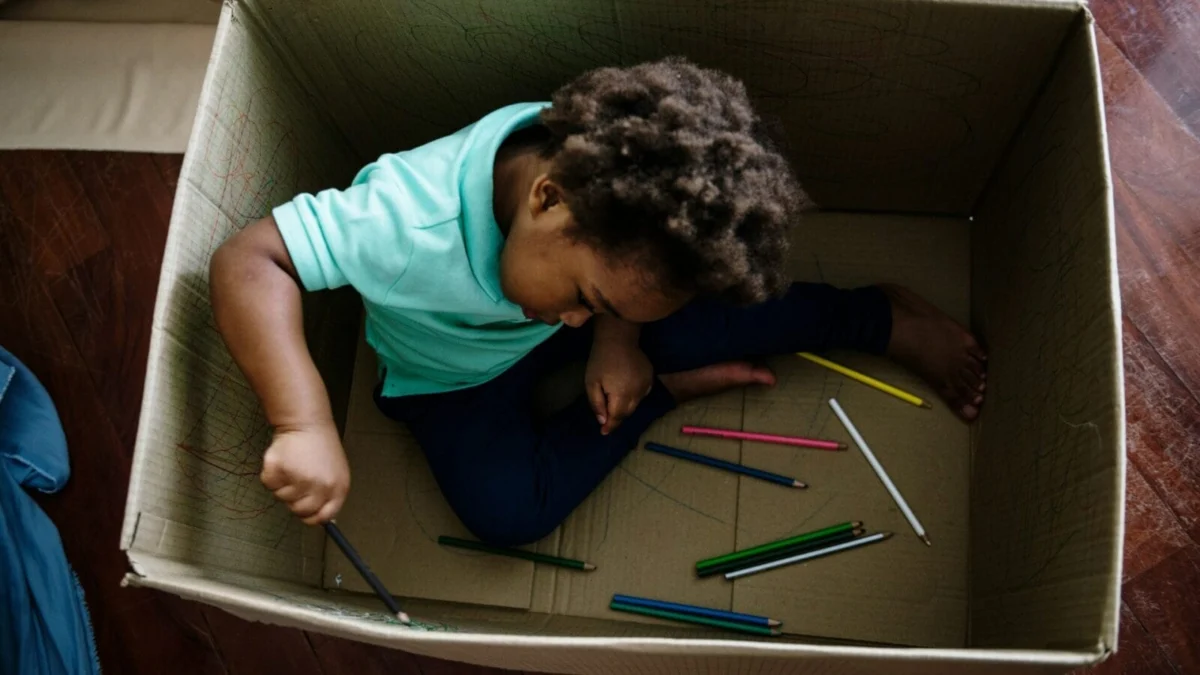
The modern parenting landscape is witnessing a significant shift, with parents increasingly seeking alternatives to screen time for their young children. This trend is underscored by a surge in online searches for "screen-free activities," "sensory play ideas," and "DIY kids playgrounds," as highlighted in Pinterest’s inaugural Parenting Trend Report. While the desire to foster imaginative and engaging childhoods is commendable, a potential pitfall emerges: the pressure to recreate these experiences with elaborate, time-consuming setups. This report delves into the growing movement towards unplugged childhoods, examining the underlying motivations, the statistical evidence supporting the trend, and offering practical, low-prep activity solutions grounded in real-world experience.
The roots of this movement can be traced to growing concerns about the impact of excessive screen time on child development. Studies have linked prolonged exposure to digital devices in early childhood to potential issues with attention span, language development, and social-emotional skills. In response, a counter-movement has gained momentum, advocating for a return to more traditional, hands-on play that encourages creativity, problem-solving, and physical engagement. This is not merely a fleeting fad; it represents a conscious effort by parents to curate a more balanced and enriching environment for their children.
Pinterest’s recent report provides compelling quantitative evidence of this growing parental focus. Searches for "screen-free activities" have seen a remarkable 200% increase year-over-year. Concurrently, "sensory play ideas" have surged by an astonishing 1,070%, and "DIY kids playground" searches have jumped by 630%. These figures suggest a widespread parental desire to actively engage children in creative and developmentally beneficial activities outside the digital realm. This surge in interest indicates a proactive approach by parents, who are not just passively concerned but are actively seeking tangible solutions and inspiration.
However, the very platforms that offer inspiration can also create an unintentional burden. The visually driven nature of social media, particularly platforms like Pinterest and Instagram, often showcases meticulously styled and elaborate activity setups. While aesthetically pleasing, these "Instagram-worthy" creations can be daunting for busy parents, requiring significant time, specialized materials, and often, a degree of crafting expertise. The reality for many families is that the time spent preparing a complex activity might exceed the child’s engagement with it, leading to frustration rather than fulfillment. This disconnect between aspirational online content and practical home implementation is a key challenge the screen-free movement is grappling with.
The genesis of this article stems from firsthand experience in a demanding childcare setting. The author, having previously navigated careers in stand-up comedy, yoga instruction, and fitness coaching, found themselves managing the daily care of two to four toddlers. This immersive experience revealed the critical need for effective, low-effort engagement strategies. The core lesson learned was the paramount importance of simplicity. Elaborate sensory bins, often requiring dyed chickpeas or meticulously crafted felt food, while visually appealing, are frequently outpaced by the child’s attention span. In contrast, a simple bin of rice, whether dyed or natural, can captivate toddlers for extended periods. Similarly, the humble washi tape emerged as a surprisingly potent tool for engaging young children in creative play.
This practical understanding directly informs the curated list of ten "screen-free activities for toddlers" presented. These activities are designed to be exceptionally easy to set up, utilizing common household items and requiring minimal preparation time. The goal is to provide parents with immediate, actionable strategies that can yield significant periods of focused, screen-free engagement – typically 20 to 30 minutes per activity, often longer. The emphasis is on efficacy and accessibility, rather than aesthetic perfection.
Practical Screen-Free Activities for Toddlers: A Parent’s Guide
The following activities have been rigorously tested and proven effective in real-world childcare scenarios, requiring no specialized skills or extensive shopping trips.
1. The Muffin Tin Sort
- Ages: 1-4 years
- Setup Time: 2 minutes
This activity involves a standard muffin tin, child-safe tongs or a large spoon, and a collection of small, household items. These can include dry beans, pom-poms, cereal, buttons, or pasta. All items are placed in a bowl, and children are encouraged to sort them into the individual cups of the muffin tin. This seemingly simple task is remarkably effective at holding a toddler’s attention. Sorting exercises are known to promote fine motor skill development, introduce early mathematical concepts like categorization, and enhance a child’s ability to focus. Crucially, it achieves these developmental milestones without the use of glitter or complex materials.
2. Tape Roads on the Floor
- Ages: 2-6 years
- Setup Time: 5 minutes
This activity leverages the power of painter’s tape or washi tape (often lauded as a parenting essential) and toy cars. Roads, pathways, and parking lots are created directly on the floor, whether it be hardwood, tile, or low-pile carpet. For added engagement, a shoebox lid can serve as a "parking lot," and paper towel tubes can be incorporated as "tunnels." The beauty of this activity lies in its self-directed nature. Once the initial road is laid, children naturally take over, creating narratives, directing traffic, and engaging in imaginative play. In a childcare setting, this activity has consistently provided a guaranteed 30-minute window of calm, often extending if new "intersections" or features were introduced.
3. The Washing Station
- Ages: 1.5-5 years
- Setup Time: 3 minutes
A large bin or bowl filled with warm, soapy water, a sponge or cloth, and a collection of "dirty" items form the basis of this activity. These items can include toys, play food, plastic animals, or even collected rocks from outdoors. A towel should be placed underneath to manage potential spills. Children exhibit an almost meditative fascination with washing tasks. The process engages sensory play, fine motor skills, and introduces basic life skills. The mess is contained, and the cleanup is inherently part of the activity, making it a highly efficient and enjoyable experience for young children.
4. Window Drawing
- Ages: 2+ years
- Setup Time: 30 seconds
This activity is as straightforward as it sounds: washable markers on a sliding glass door or a large window. The appeal lies in its slightly transgressive nature; children often perceive writing on windows as a forbidden act. This element of controlled rebellion sparks focused creative time. The drawings can be easily wiped away with a damp cloth, making cleanup effortless. This activity has been instrumental in creating calm mornings, with multiple toddlers engrossed in drawing while parents enjoy a moment of peace.
5. The Treasure Dump
- Ages: 1-4 years
- Setup Time: 1 minute
This activity involves emptying the contents of a household drawer (one not typically accessible to children) into a bin and placing it on the floor. Safe items such as old keys, tape, rubber bands, a whisk, measuring spoons, a flashlight, or a calculator can be included. The key here is novelty. Toddlers are captivated by unfamiliar objects, which can be transformed into props for imaginative play – a whisk becomes a microphone, measuring spoons a musical instrument. By rotating the drawer contents periodically, this activity can be refreshed and provide ongoing engagement.
6. Pillow Obstacle Course
- Ages: 2-7 years
- Setup Time: 3 minutes
Utilizing common household items like couch cushions, throw pillows, and blankets, this activity transforms ordinary furniture into an engaging obstacle course. Giving it a theme, such as a "lava course," "ninja path," or "jungle challenge," enhances the child’s engagement. Incorporating a laundry basket as a "finish line vault" or a sheet draped over chairs to create a tunnel further adds to the excitement. This activity provides a significant outlet for physical energy with no equipment cost. The act of naming and framing the play is crucial in channeling boisterous energy into focused, imaginative movement.
7. Sticker Pages
- Ages: 1.5-6 years
- Setup Time: 30 seconds
A simple sheet of stickers and a piece of paper are all that are needed. For toddlers, the physical act of peeling and placing stickers is a highly engaging fine motor workout. For older children, prompts like "design your own world" or "create a store" can encourage more elaborate creations, including drawings, labels, and narratives. Keeping stickers out of reach until they are presented adds to their novelty and appeal. Even basic dollar-store stickers can provide significant entertainment value. This is an ideal quiet activity for the end of a long day.
8. The Spray Bottle
- Ages: 2+ years
- Setup Time: 1 minute
A spray bottle filled with water offers a surprisingly long-lasting activity, particularly when used outdoors. Children will spray fences, sidewalks, and even each other with enthusiastic abandon. For an elevated experience, stencils can be used for "sidewalk painting," or chalk can be sprayed with water to create vibrant color explosions. Indoors, the bathtub provides a contained environment for this activity. The repetitive squeezing motion strengthens hand muscles, and the sensory feedback of spraying water is consistently captivating.
9. Cardboard Box, Full Stop
- Ages: All ages
- Setup Time: 0 minutes
The enduring appeal of a cardboard box lies in its limitless potential for imaginative play. Simply handing a child a box and a marker, without dictating its purpose, allows for maximum creativity. The less structure provided, the longer the engagement. The intention behind this activity is to foster intrinsic creativity, allowing children to transform the box into anything they envision – a car, a house, a rocket ship, or a fort. Amazon boxes and other discarded packaging can be repurposed, offering significant value beyond their initial contents.
10. "Cooking" With Dry Ingredients
- Ages: 2-6 years
- Setup Time: 3 minutes
This activity combines elements of a sensory bin with practical life skills. Bowls, spoons, measuring cups, and dry ingredients such as oatmeal, flour, or rice are set out on a sheet pan or in a high-sided bin. Children can engage in "making soup" or "baking a cake." Adding a few drops of water can enhance the sensory experience, though it requires a greater tolerance for mess. This activity provides a preview of real-world cooking and kitchen tasks, focusing on pouring, measuring, stirring, and transferring. The inherent magic of dry ingredients, regardless of whether they have been dyed or are straight from the bag, captivates children.
The Implications of the Screen-Free Movement
The increasing popularity of screen-free activities reflects a broader societal reevaluation of childhood in the digital age. Parents are not merely seeking to "unplug" their children; they are actively striving to cultivate a more present, imaginative, and physically engaged childhood. This movement is fundamentally about prioritizing experiences that foster critical thinking, problem-solving, and social interaction in tangible ways. The data from Pinterest clearly indicates that this is not a niche trend but a significant shift in parental priorities.
The implication of this trend extends beyond individual households. It has the potential to influence educational philosophies, toy manufacturing, and even urban planning, with an increased emphasis on accessible play spaces and resources that support hands-on learning. The challenge, as highlighted, lies in navigating the pressure to present these unplugged experiences in a highly curated, aesthetically pleasing manner. The true value of these activities lies not in their visual perfection but in their ability to foster genuine engagement, creativity, and the development of essential life skills in children.
The ultimate win for parents, as articulated by those deeply involved in this movement, is not a flawlessly styled Instagram feed of their child’s activities. It is the quiet victory of a child who can entertain themselves, who can sit with boredom and find their own source of engagement, and perhaps, for the parent, the simple luxury of enjoying a cup of coffee while it’s still warm. This pragmatic approach to fostering a rich childhood experience is at the heart of the screen-free revolution. It champions simplicity, accessibility, and the profound developmental benefits of unadulterated, imaginative play.