rifanmuazin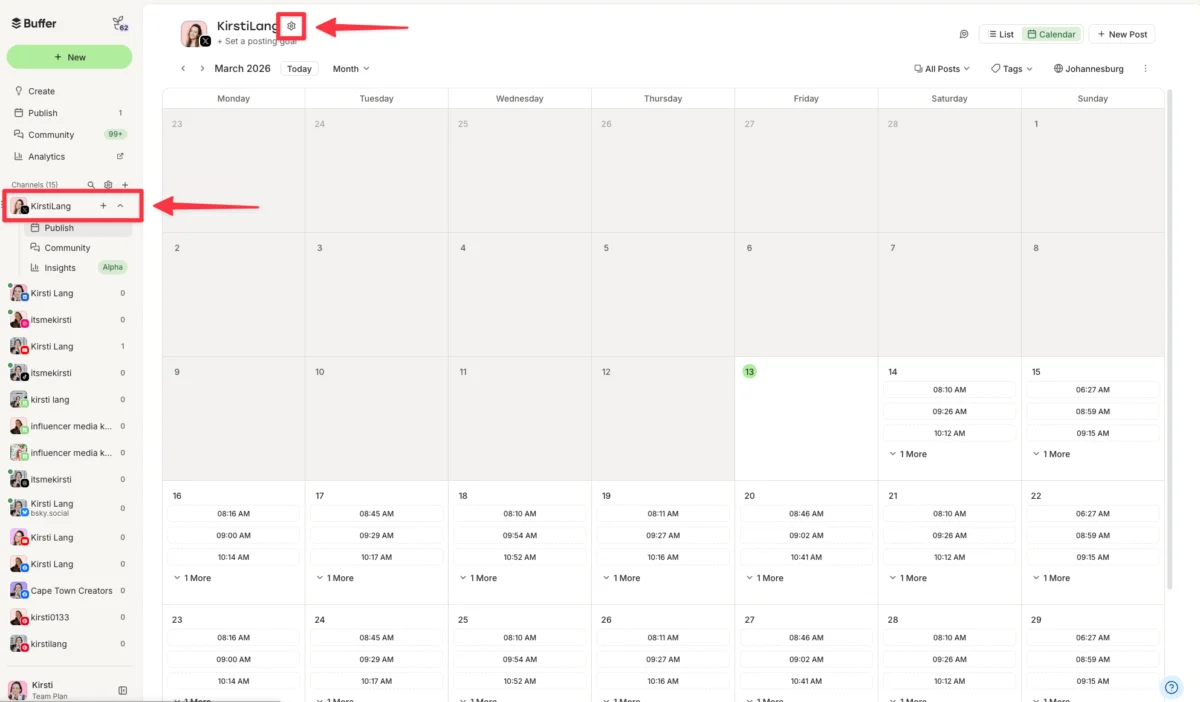
Recent comprehensive analysis of over 8.7 million tweets has illuminated critical insights into the optimal timing for content publication on X, formerly known as Twitter. The study, conducted by social media management platform Buffer, unequivocally points to Tuesday at 9 a.m. local time as the premier window for achieving the highest engagement rates. This finding, alongside other daily and hourly patterns, offers a data-driven roadmap for individuals and organizations seeking to maximize their reach and interaction on the dynamic microblogging platform.
The Evolving Landscape of X: Algorithms and Engagement
The notion that timing influences content performance on social media platforms is not new, but its significance has evolved considerably with the shift from purely chronological feeds to algorithm-driven curation. In its early days, Twitter users experienced a feed largely ordered by recency, making immediate timing paramount. However, with the introduction of algorithms—most notably the "For You" tab on X—the platform now prioritates content deemed most relevant and engaging to individual users.
Despite this algorithmic shift, the Buffer analysis underscores that timing remains a crucial factor. The algorithm, in its quest to deliver valuable content, heavily weighs engagement signals such as likes, comments, retweets, and shares. Posts that garner an initial surge of interaction are more likely to be amplified and shown to a broader audience, effectively leveraging the algorithm to their advantage. Therefore, publishing content when a target audience is most active and receptive can trigger this initial engagement burst, giving a tweet a significant head start in the algorithmic race for visibility.
This phenomenon is not merely anecdotal; it is demonstrably quantified by the vast dataset examined. Buffer’s methodology focused on "engagement rate" as the primary metric for success, a robust indicator that measures interactions relative to impressions or follower count, thus providing a clearer picture of content resonance rather than just raw volume. The universal applicability of the findings, normalized to local time zones by Buffer’s data scientists, ensures that these recommendations are practical for users across the globe, from Eastern Standard Time to Indian Standard Time.
Key Findings: Unpacking the Optimal Moments
The study’s overarching conclusion identifies the top three times for engagement on X:
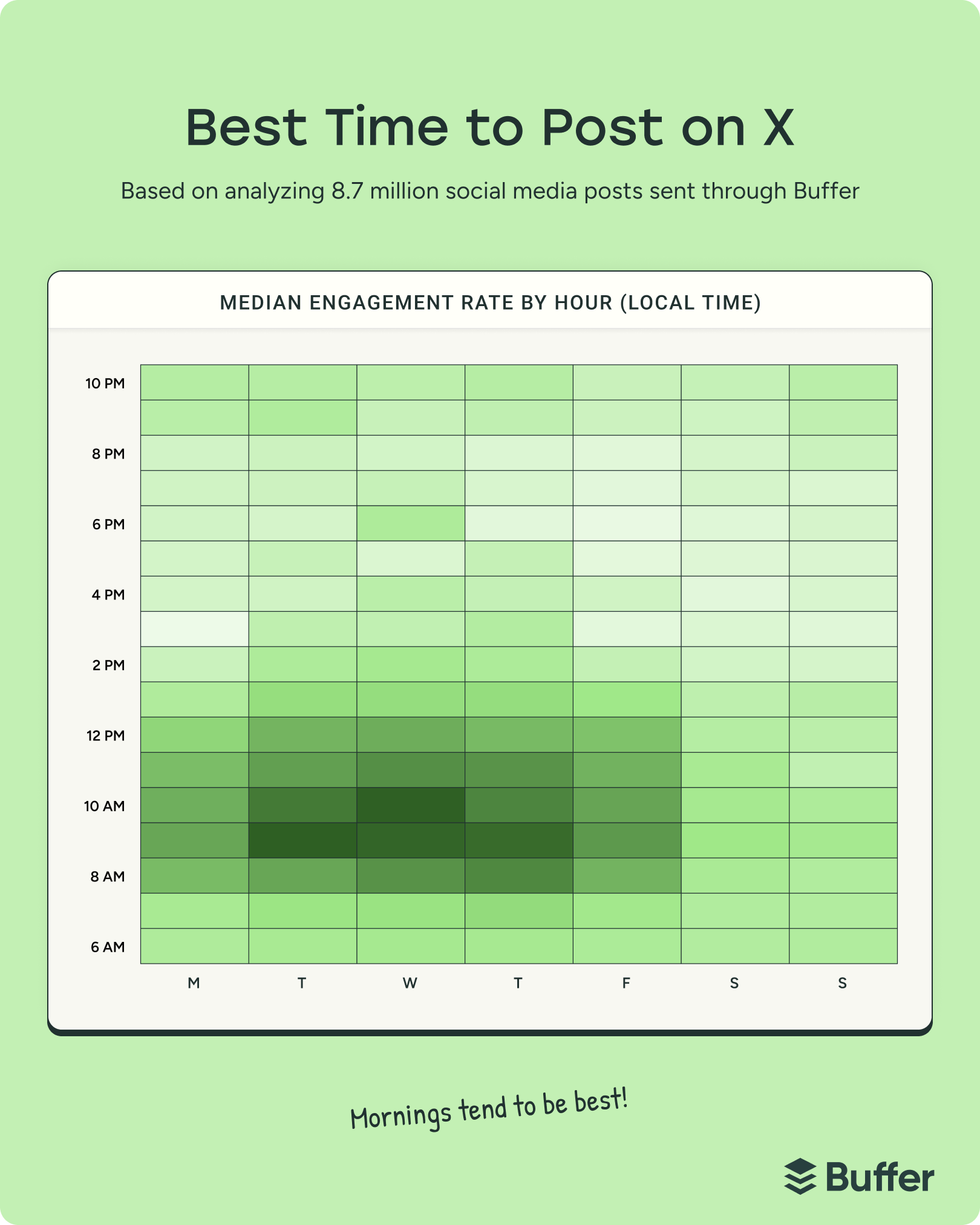
- Tuesday at 9 a.m.
- Wednesday at 10 a.m.
- Wednesday at 9 a.m.
These findings suggest a clear trend: morning hours during the workweek are prime for interaction. The data indicates that engagement typically begins to pick up in the early morning, peaks around 9 a.m. to 10 a.m., and gradually diminishes into the early afternoon, coinciding with conventional work schedules.
Demographic Insights and User Behavior
To understand why these times are optimal, it’s essential to consider the demographic makeup of X’s user base. According to Statista, a significant portion of X users fall within key professional age groups: 37.5% are between 25 and 34, and 32.1% are between 18 and 24. This demographic profile suggests a user base that is largely engaged in work or study.
The observed peak engagement in the mid-morning hours aligns logically with the routines of these users. Many tend to check their social media feeds as they commute, settle into their workday, or take short breaks before the demands of the day fully consume their attention. This window provides an opportune moment for content to be consumed and engaged with before the feed becomes oversaturated or users shift their focus to other tasks. Conversely, the significant drop in engagement during evening hours (6 p.m. to 11 p.m.) across all days indicates that users are likely disengaging from work-related or general news consumption on the platform, perhaps shifting to personal activities or other forms of entertainment.
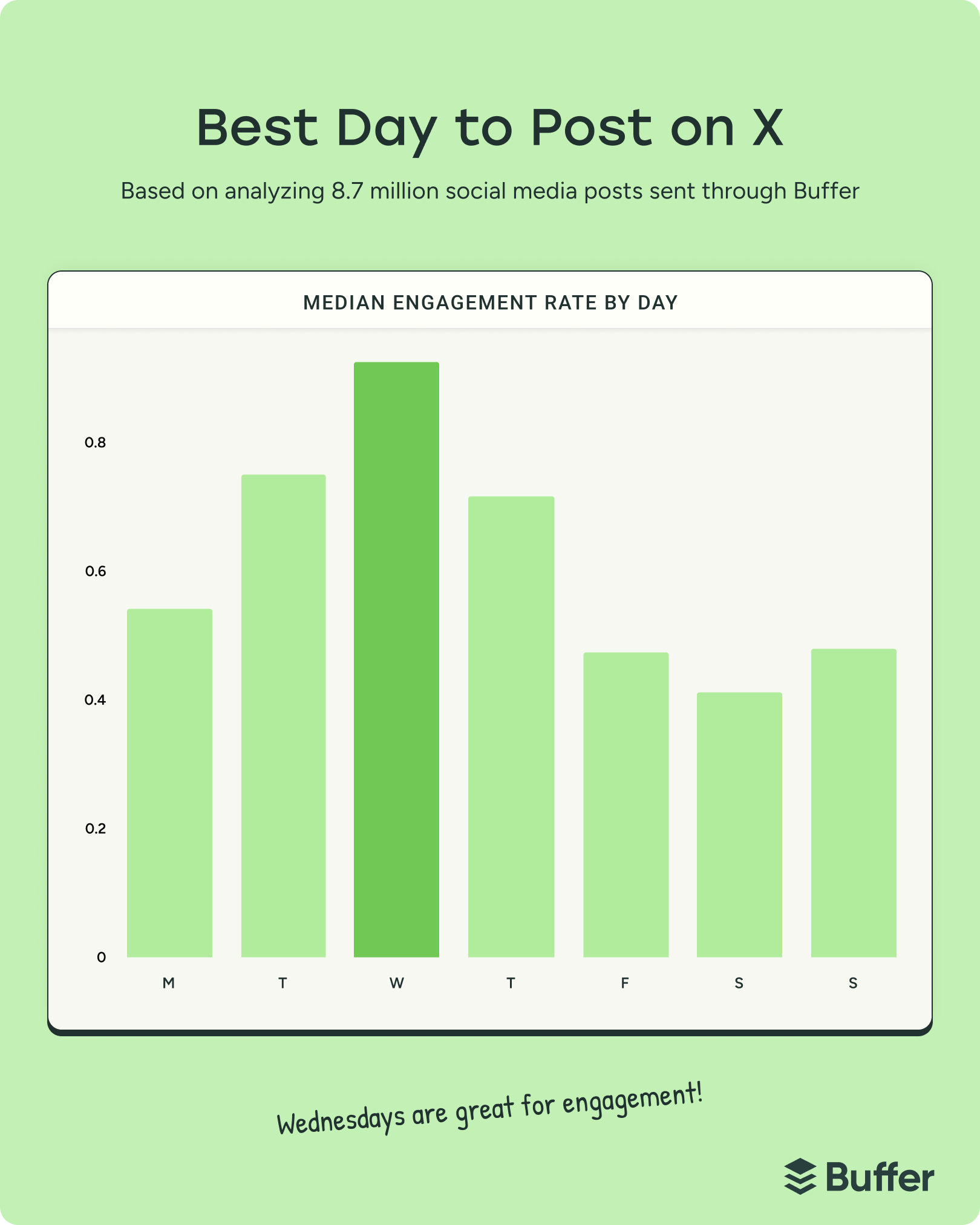
Daily Breakdown: Nuances Across the Week
While the overall trends are clear, the Buffer analysis also provides a granular look at optimal posting times for each day of the week:
- Monday: The start of the workweek sees optimal engagement at 9 a.m., followed by 10 a.m. and 8 a.m. Users are likely catching up on updates before diving into their tasks.
- Tuesday: Emerges as the highest-performing day overall, with the peak at 9 a.m., and strong engagement continuing through 10 a.m. and 11 a.m. This suggests users are fully immersed in their weekly routines and actively seeking content.
- Wednesday: Remains a strong contender, with 10 a.m. being the top slot, closely followed by 9 a.m. and 11 a.m. Midweek sees continued high engagement as users seek breaks and fresh content.
- Thursday: Continues the weekday trend, with 9 a.m. as the best time, and 10 a.m. and 8 a.m. also showing high performance. Engagement remains robust as the week progresses.
- Friday: While still favoring morning posts, particularly 9 a.m., 10 a.m., and 11 a.m., Friday marks a decline in overall engagement compared to earlier in the week. Users are likely winding down for the weekend, making it a weaker day for reaching broad audiences.
- Saturday & Sunday: The weekends consistently exhibit the lowest engagement levels. Although 9 a.m. often appears as the best time even on these days (with 10 a.m. and 11 a.m. also performing relatively better than other weekend hours), the overall volume of interaction is significantly reduced. Saturday is identified as the worst day to post, making weekdays, especially Tuesday, Wednesday, and Thursday, the most strategic choices for impactful content.
Strategic Implications for Brands and Content Creators
These detailed findings carry significant implications for anyone utilizing X for marketing, brand building, or information dissemination. For businesses, aligning content publication with these peak engagement windows can lead to increased brand visibility, higher click-through rates on links, and more meaningful customer interactions. For individual creators and influencers, strategic timing can amplify personal brand messaging and foster community growth.
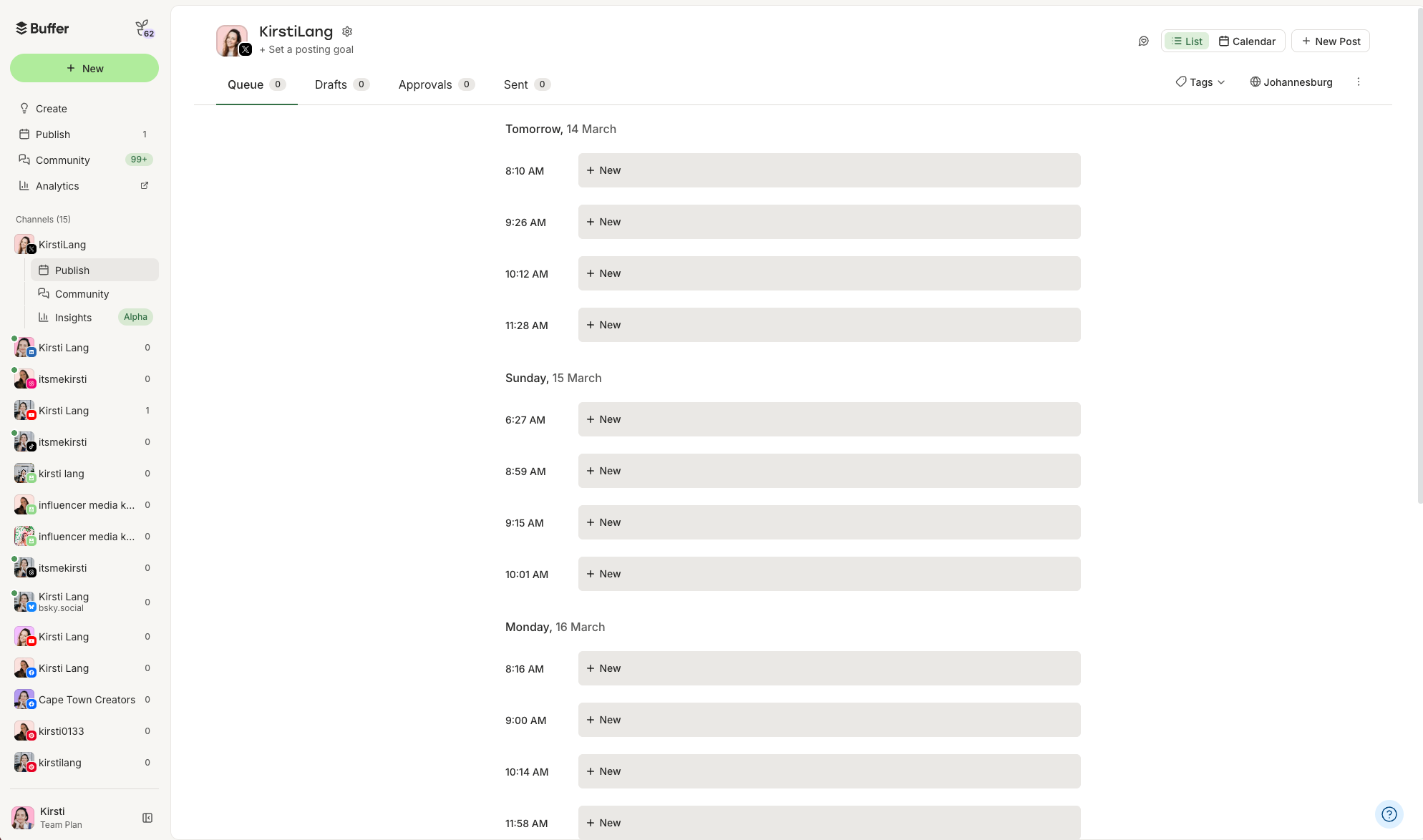
- Content Scheduling: The data strongly advocates for batch-prepping content during off-peak hours and scheduling it for the identified prime weekday morning slots. This ensures consistent presence during high-traffic periods without requiring real-time manual posting. Social media scheduling tools, like Buffer, are designed to facilitate this, allowing users to pre-plan their content calendar and automatically deploy posts at optimal times.
- Targeted Campaigns: Brands launching new products, promotions, or announcements should prioritize Tuesday and Wednesday mornings to ensure maximum initial exposure. Similarly, content requiring immediate attention or discussion, such as breaking news or live event coverage, benefits immensely from being published when the audience is most responsive.
- Audience Customization: While global averages provide an excellent starting point, the ultimate success lies in understanding one’s specific target audience. The Buffer study, while comprehensive, represents a broad aggregate. Individual brands or creators may find their unique audience deviates slightly from these general patterns. This necessitates continuous testing and analysis of one’s own post performance. Tools that offer post-performance analytics, comparing the success of various tweets and identifying personalized optimal times, become invaluable here.
- Content Quality Remains King: It is crucial to remember that timing, while powerful, is not a standalone solution. Even perfectly timed content will fail if it lacks quality, relevance, or a compelling call to action. The algorithm still prioritizes genuinely engaging content. A checklist for high-performing X posts typically includes:
- High-quality visuals: Images and videos significantly boost engagement.
- Concise and impactful copy: X’s character limit rewards brevity and clarity.
- Strategic hashtags: Relevant hashtags increase discoverability.
- Clear calls to action: Encouraging likes, comments, retweets, or clicks.
- Audience interaction: Responding to comments and fostering dialogue.
Challenges and Future Outlook
The dynamic nature of social media platforms means that algorithms are continuously refined and user behaviors can shift. What holds true today might evolve tomorrow. For instance, the ongoing integration of AI into feed curation could further personalize content delivery, potentially altering the precise impact of universal timing recommendations. Therefore, social media strategists must remain agile, continuously monitoring their analytics and adapting their approaches.
Moreover, the increasing complexity of X analytics, particularly with certain features moving behind subscription paywalls like X Premium, underscores the value of third-party analytics tools. These platforms often provide more accessible and actionable insights, enabling users to track performance, identify trends, and refine their strategies without needing to navigate the platform’s native, sometimes restricted, analytics.
A Holistic Approach to Social Media Presence
It is also important to contextualize these findings within a broader social media strategy. Optimal posting times vary significantly across different platforms. Instagram, LinkedIn, Facebook, and TikTok each have their unique user behaviors and algorithmic nuances, dictating different peak engagement periods. A truly effective digital marketing strategy requires a tailored approach for each platform, leveraging specific data for each to maximize overall digital footprint.
Conclusion
The Buffer analysis provides compelling evidence that strategic timing continues to play a vital role in optimizing engagement on X. By leveraging these data-backed insights, content creators and marketers can significantly enhance the visibility and impact of their posts. While Tuesday at 9 a.m. emerges as the overall champion, the consistent strength of weekday mornings, particularly between 9 a.m. and 11 a.m., offers a reliable window for capturing audience attention. However, these recommendations serve as a powerful foundation, not a rigid rulebook. The most successful strategies will combine this timing intelligence with high-quality content, a deep understanding of one’s specific audience, and a commitment to continuous analysis and adaptation in the ever-evolving digital landscape.