The digital marketing landscape has long been shadowed by the mystery of social media recommendation systems. Recently, Instagram moved to demystify its internal architecture by providing unprecedented transparency regarding its content distribution networks. Rather than relying on a single, monolithic code, the platform operates a complex ecosystem of distinct algorithms tailored specifically to each surface within the application: the Feed, Stories, Explore, and Reels. For content creators, digital marketers, and brands navigating this environment, understanding these discrete mechanics is essential for optimizing digital visibility and audience engagement.

Background Context and Evolution of Instagram Ranking
When Instagram was launched in 2010, the platform operated on a straightforward, chronological timeline where posts appeared strictly in the order they were published. However, as the user base expanded into billions, the sheer volume of content made chronological feeds untenable. Without algorithmic curation, an average user would miss approximately 70 percent of all posts from friends and family, and feeds would be entirely dominated by high-frequency corporate posters.
To combat this saturation, Instagram introduced algorithmic ranking in 2016, a shift that initially met with significant user resistance. Over the subsequent decade, the platform’s leadership—led by Head of Instagram Adam Mosseri—has gradually shifted toward radical transparency. Through dedicated video series and public announcements, Instagram has systematically broken down the mathematical and predictive models that govern content distribution. This ongoing educational initiative aims to align creator strategies with platform goals, emphasizing that modern reach is no longer a matter of luck, but a predictable response to user behavior signals.

Core Architectural Principles Across All Surfaces
Despite operating separate ranking systems for different app features, Instagram’s underlying philosophy remains consistent. Every algorithm utilizes advanced machine learning models to predict how likely an individual user is to interact with a specific piece of content. These predictions culminate in a relevancy score that determines the exact hierarchical placement of posts.
According to executive disclosures, four foundational content principles universally dictate how the platform evaluates and rewards material:

- Originality: Instagram heavily prioritizes original creators over aggregator accounts that merely repost content. Advanced AI models analyze historical posting data to identify original ownership. Since structural algorithm updates began penalizing unoriginal aggregates, distribution has shifted markedly toward authentic, creator-led output.
- Recency: Modern audiences demand real-time relevance. Consequently, the platform has compressed the window in which it evaluates new content, allocating a significantly higher percentage of daily impressions to posts published within the last 24 hours.
- Breaking Content: To support emerging talent, Instagram utilizes an "auditioning" process. Newly published public posts from smaller accounts are selectively shown to non-followers. If these initial cohorts demonstrate strong engagement, the system scales distribution exponentially, enabling niche creators to reach millions.
- Model Size: Over recent years, Instagram has scaled up the capacity and complexity of its artificial intelligence models. These larger neural networks process thousands of simultaneous signals with greater precision, reducing reliance on superficial optimization "hacks."
The Three Paramount Engagement Signals
While thousands of individual data points influence content placement, Instagram has explicitly designated three core engagement signals as paramount: watch time, likes, and sends (shares).
The application of these signals varies depending on the intended audience. When the system evaluates content for existing followers—such as in the Feed or Stories—likes carry marginally more weight, acting as a baseline indicator of affinity. Conversely, when determining visibility for non-followers via the Explore tab or Reels, sends (DMs and external shares) act as the primary catalyst. When a user forwards a post to a peer, it signals exceptionally high perceived value, prompting the algorithm to amplify the content to wider demographic circles. Watch time remains universally vital across all video formats, serving as a direct metric of audience retention.

Surface-by-Surface Breakdown: Feed, Stories, Explore, and Reels
Understanding where content lives requires analyzing the distinct operational goals of each Instagram surface.
The Feed primarily serves to maintain visibility among existing followers and close connections. It ranks a combination of accounts followed, recommended posts, and advertisements based on historical interaction data, relationship closeness, and overall post popularity. Carousels and single images dominate this space, with multi-image carousels offering algorithmic advantages: if a user stops swiping midway through a carousel, the system registers the remaining slides as unviewed material, resurfacing the post later with the unread slides prioritized.
Instagram Stories function primarily as a community-building tool rather than a discovery engine. Because users view Stories as a private space reserved for close peers and trusted brands, ranking heavily favors viewing history, direct message replies, and interpersonal closeness. Interactive elements such as polls, Q&A stickers, and slider prompts generate rapid tap-through rates, propelling a creator’s profile icon to the front of the viewer’s horizontal tray.
Conversely, the Explore page and Reels feed are engineered specifically for discovery, connecting brands with non-followers. The Explore grid relies on thematic clustering, tracking what content consumers with similar tastes have collectively engaged with. Meanwhile, the Reels feed operates almost entirely on algorithmic recommendations driven by high watch times and content shares. Because short-form video serves as a primary driver of conversational sharing, Reels require strong visual hooks within the first three seconds to prevent immediate scrolling.

User-Driven Controls: The "Your Algorithm" Initiative
In a significant shift toward user autonomy, Instagram introduced "Your Algorithm," a suite of interface controls providing transparency into the AI models shaping individual feeds. Available across the Feed, Explore, and Reels tabs, this feature displays an AI-generated summary of the topics the platform believes a user prefers.
Users can actively intervene by explicitly requesting more or less of specific topics, or by excluding certain themes entirely. For content producers, this places a renewed emphasis on categorical clarity. Creators must explicitly signal their core niches through accurate captions, targeted keywords, and consistent subject matter, ensuring that user-directed algorithmic preferences align with their publishing output. Furthermore, built-in features such as "Favorites" (which pins prioritized accounts to the top of a user’s feed) and chronological "Following" feeds give audiences granular control over their digital consumption.

Content Guidelines and Recommendations Eligibility
A crucial distinction in modern social media strategy lies between Community Guidelines and Recommendation Guidelines. While a post may not violate core safety policies, it can still be entirely disqualified from recommendation surfaces like Explore and Reels.
Instagram’s guidelines explicitly suppress the algorithmic distribution of sensitive topics, self-harm depictions, regulated goods promotion, unverified medical or political misinformation, and low-quality engagement bait—such as contests requiring forced likes or follows. Accounts that rely predominantly on unoriginal aggregation are likewise filtered out of recommendation pipelines entirely. Consequently, sustainable growth requires strict adherence to content hygiene and authentic value creation.

Analytical Implications for Digital Marketers
For professional marketers and independent creators alike, the tactical takeaways from Instagram’s algorithmic transparency are clear. Success no longer depends on tricking the system through excessive hashtag stuffing—indeed, platform updates have capped optimal hashtag use at five targeted descriptors, while elevating contextual keywords within captions.
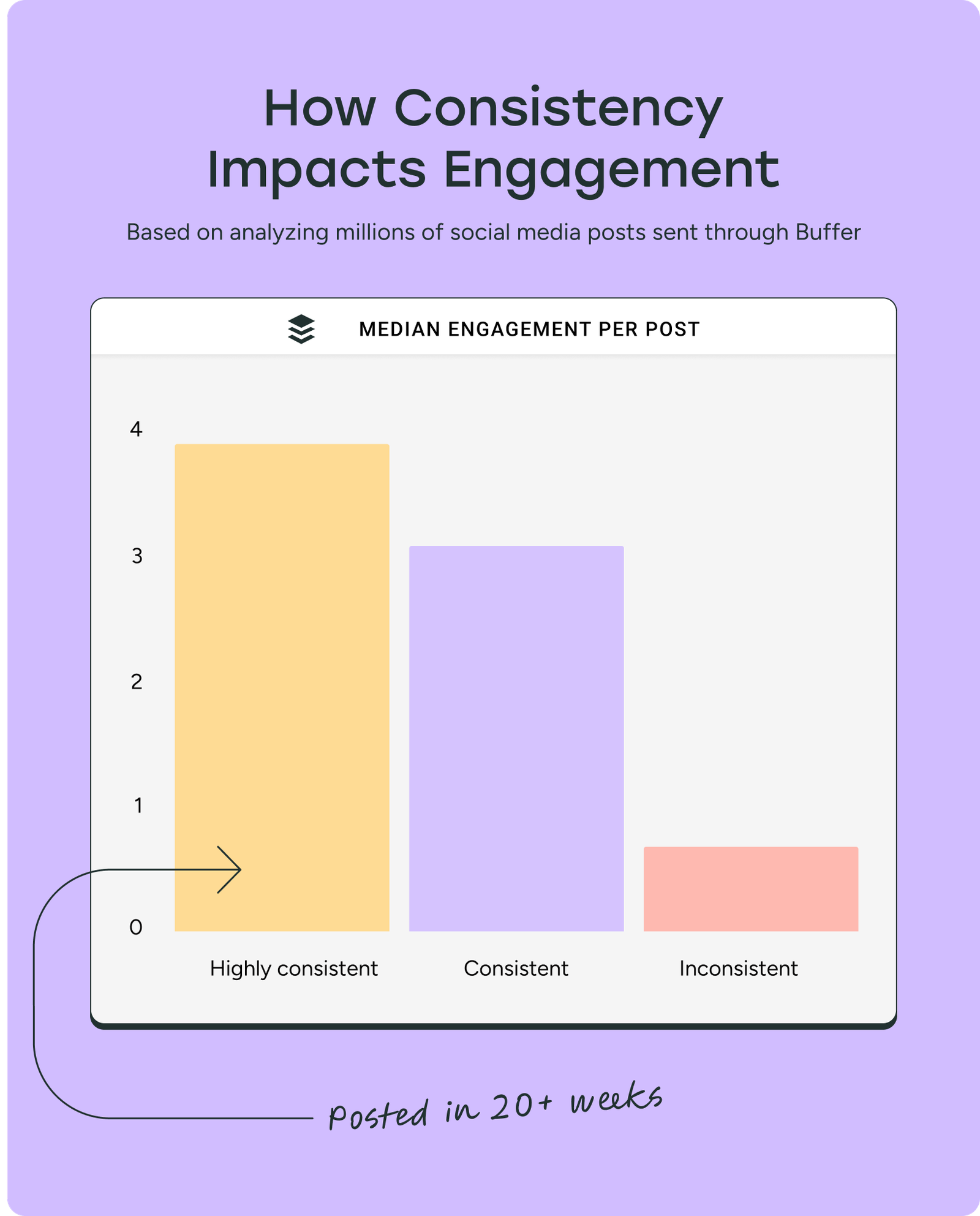
Instead, strategy must be rooted in rigorous data analysis. Industry benchmarks emphasize tracking engagement rates (likes, saves, and sends divided by total reach) rather than vanity metrics like raw views. Consistently publishing original media, diversifying formats across carousels, reels, and stories, and monitoring analytics dashboards enable creators to reverse-engineer audience demand. By focusing on genuine watch time, shareable messaging, and consistent publishing schedules, brands can successfully navigate Instagram’s multi-layered algorithmic architecture for long-term digital growth.