 Cintya Tara Annisa

The beverage industry is currently witnessing a significant shift in cold coffee preparation, moving away from traditional water-based extraction toward the direct immersion of coffee grounds in dairy and plant-based milk. Known professionally as milk brew, this method—popularized in Japanese coffee culture—is gaining traction in the United States, challenging the long-standing dominance of water-based cold brew concentrates. Unlike traditional cold brew, which relies on water as the solvent to extract soluble compounds from coffee, milk brew utilizes the fat, protein, and sugar content of milk to create a distinctively textured, lower-acidity, and creamier end product.
The Science of Lipid-Based Extraction
At the molecular level, extraction is a process of transferring flavor compounds, oils, and caffeine from coffee beans into a liquid medium. Water is an efficient solvent because of its low viscosity and polar nature, which allows it to pull acids and volatile aromatics from the grounds. Milk, however, introduces a complex matrix of lipids and proteins. These components act as a different kind of solvent.
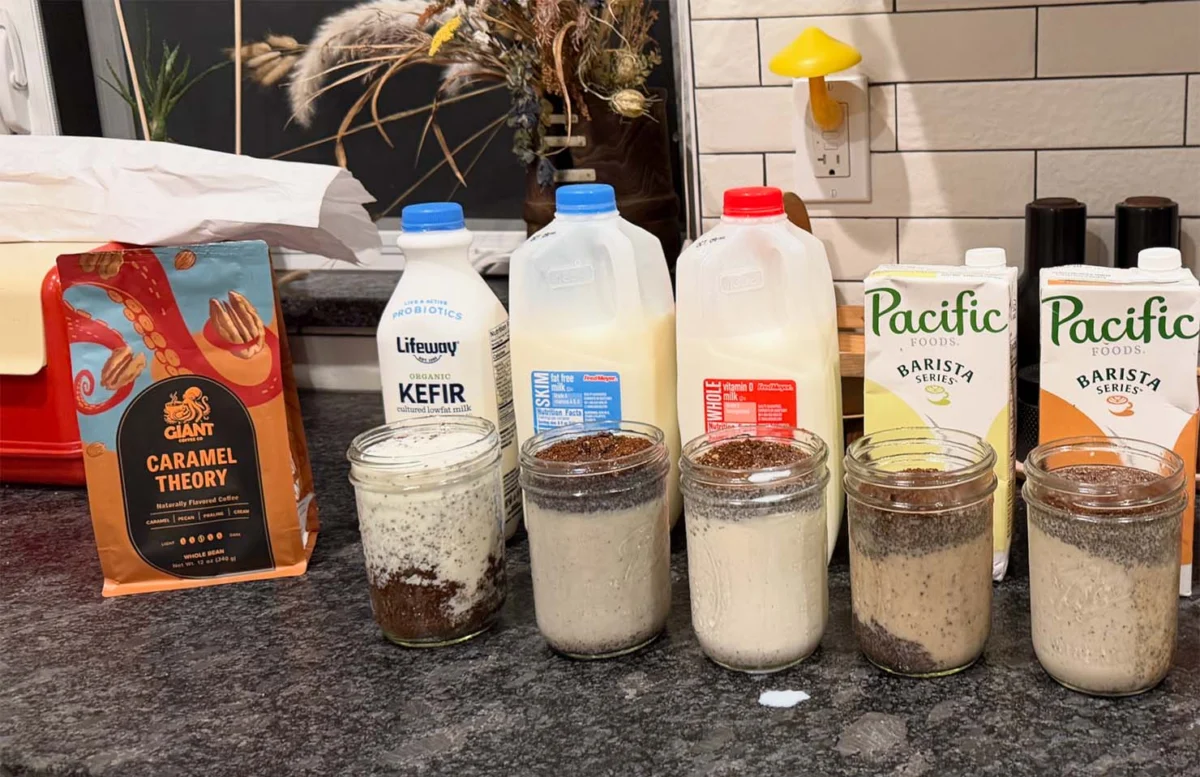
The fats present in milk, whether dairy-based or plant-derived (such as macadamia, oat, or almond), occupy space within the cellular structure of the coffee grounds. This creates a barrier that slows the extraction rate significantly compared to water. Because of this, the immersion time for a successful milk brew is typically extended, and the grind size must be meticulously calibrated. If the grounds are too fine, the resulting beverage becomes astringent and over-extracted; if too coarse, the flavor remains underdeveloped.

Chronology of the Trend
While the concept of cold-steeping coffee in milk has existed in niche Japanese cafes for years, it began to gain broader international attention around 2024 and 2025. The method evolved from the "Kyoto-style" drip coffee, which focuses on slow, precise extraction.
In early 2026, specialty coffee influencers and experimental cafes in major U.S. metropolitan hubs began documenting their attempts to standardize the recipe. By mid-2026, the trend moved from experimental social media content to legitimate pilot programs in boutique coffee shops. During this period, enthusiasts began testing a variety of milks—including high-fat nut milks and lactose-free options—to determine which bases provided the most balanced profile. The consensus among those testing the method suggests that the "sweet spot" for extraction often falls between 12 and 18 hours, depending on the temperature consistency of the refrigeration unit.
Safety Protocols and Best Practices
Industry experts emphasize that because milk is a highly perishable medium, the safety parameters for milk brewing are much stricter than those for water-based brewing. The fundamental rule of thumb for this process is to maintain a constant cold temperature.
"Hot blooming"—a technique where hot water is added to coffee grounds before adding cold water—is strictly advised against when using milk. Heating milk and then allowing it to sit at room temperature creates a high-risk environment for bacterial growth, specifically regarding foodborne pathogens. Food safety guidelines for dairy products mandate that they remain below 40°F (4°C) throughout the entire duration of the brewing process. Consequently, all milk brewing must occur inside a refrigerator, and the equipment used must be sanitized with the same rigor applied to commercial food preparation.

Comparative Analysis: Cold Brew vs. Milk Brew
The primary difference between standard cold brew and milk brew lies in the final composition of the beverage. Standard cold brew is typically a concentrate, designed to be diluted with water, ice, or milk after the brewing process is complete. Milk brew, however, is a finished product. It lacks the "punchy" acidity associated with espresso-based iced lattes because the fat in the milk buffers the extraction of chlorogenic acids.
Recent sensory analyses conducted by independent testers indicate that milk brew offers a "thicker" mouthfeel, which is often perceived as luxury by consumers. However, the lack of a standardized process means the beverage can be inconsistent. Data collected from various home brewing trials suggests that plant-based milks with higher gum content or thickeners—common in commercial nut milks—often struggle to extract coffee oils effectively, leading to a "muted" or "hollow" flavor profile. Dairy milk, specifically whole milk, provides the most consistent results due to its balance of fats and sugars.
Economic and Market Implications
The emergence of milk brew as a viable commercial option presents both opportunities and challenges for the coffee industry. From a logistical standpoint, it simplifies the workflow for baristas: the "brewing" happens overnight, allowing shops to serve a ready-made, high-quality beverage without the need for an espresso machine or complex preparation during peak hours.
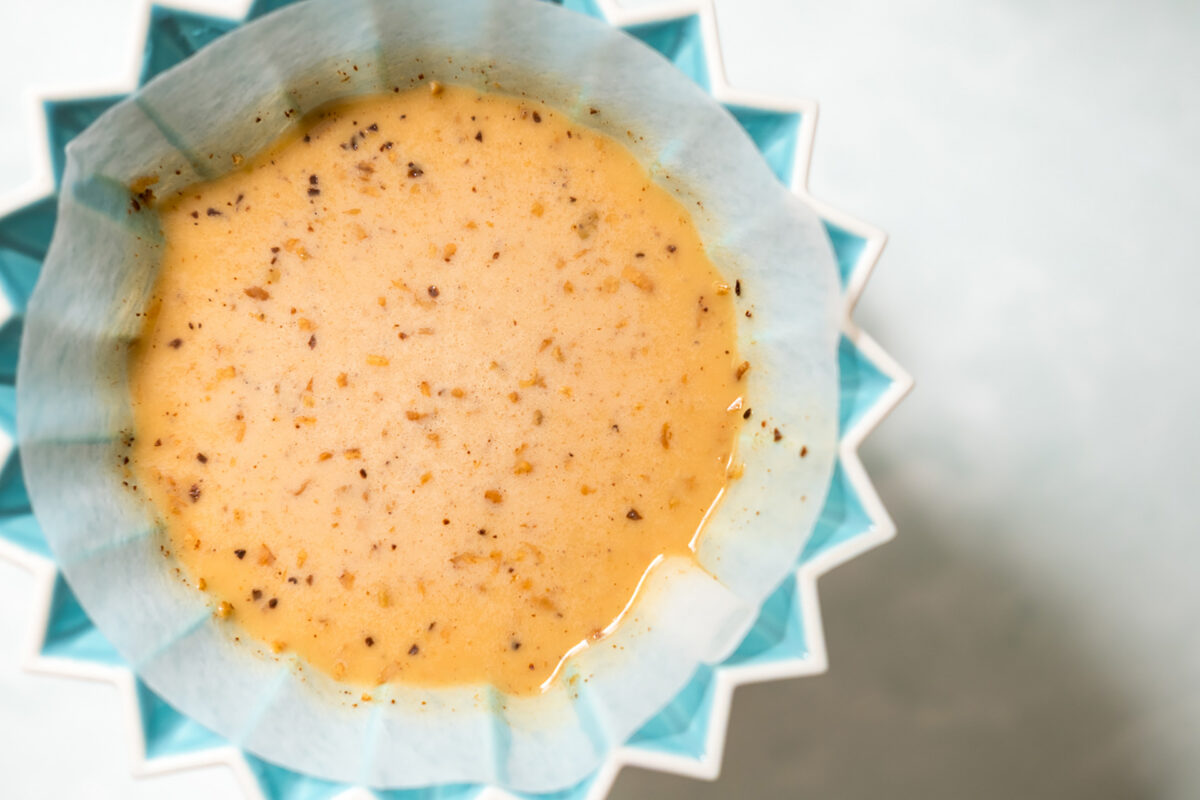
However, the cost of raw materials is a significant barrier. Using premium milk as a solvent rather than water is substantially more expensive. Furthermore, the volume of waste generated by filtering out the grounds from a thick, viscous liquid can be higher than with water-based cold brew, as the grounds absorb a larger percentage of the expensive liquid.
Despite these costs, the "premiumization" of the beverage could allow coffee shops to command higher price points. As consumers continue to demand more "experience-based" coffee products, the ability to market a drink as "steeped in cold-pressed macadamia milk" adds a layer of artisanal value that justifies the price.
Future Outlook and Research Needs
As the trend matures, the focus will likely turn toward optimizing equipment. Current brewing vessels, such as French presses or standard mesh filters, are often insufficient for the viscosity of milk. Future developments may include specialized cold-brew towers designed specifically for high-viscosity liquids or filtration systems that utilize centrifugal force to separate fine grounds from the finished milk brew.
Furthermore, nutritional studies regarding the caffeine content and the bioavailability of coffee antioxidants when extracted through lipids are needed. While initial reports suggest the caffeine level remains comparable to traditional brewing methods, the rate of absorption into the bloodstream might vary due to the presence of fats, which typically slow down digestion.
Conclusion
Milk brew represents a sophisticated evolution of cold-extraction technology. By shifting the focus from water-soluble compounds to fat-soluble aromatics, the method creates a drinking experience that is fundamentally different from both traditional iced coffee and standard lattes. While it requires strict adherence to safety protocols and a higher investment in ingredients, the textural and flavor advantages suggest that it will remain a permanent, albeit premium, fixture in the specialty coffee landscape. As more cafes refine their recipes and address the challenges of filtration, milk brew is positioned to become a staple for those seeking a smooth, full-bodied alternative to the traditional iced coffee profile.