
 Reynand Holland
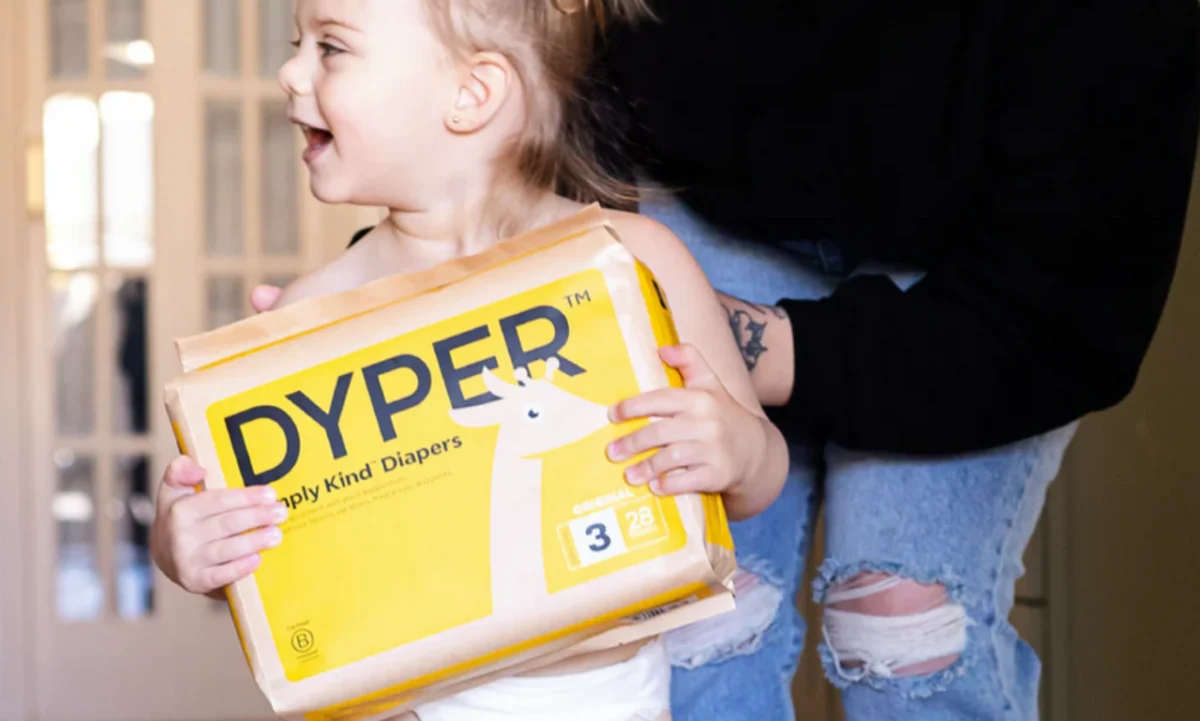
The sheer volume of waste generated during a child’s earliest years presents an unprecedented environmental and public health challenge for modern households, with the average infant consuming approximately 6,000 single-use disposable diapers within their first twenty-four months of life. This staggering statistic underscores a broader structural dilemma within the consumer goods market: parents are frequently forced to choose between the punishing daily labor of laundering reusable cloth alternatives and contributing to the mounting crisis of municipal landfills overflowing with non-biodegradable plastics. Traditional single-use diapers, long relied upon for their convenience and absorbency, are increasingly scrutinized not only for their environmental persistence but also for the complex array of petrochemicals, synthetic fragrances, and plastics embedded in their construction. As public awareness regarding early childhood exposure to endocrine disruptors and carcinogens intensifies, the imperative for transparent, high-performance, and sustainable alternatives has transitioned from a niche consumer preference to a pressing public health necessity.
The Evolution of Diaper Manufacturing: A Timeline of Convenience Versus Conscience
To understand the current paradigm of infant hygiene, one must examine the historical trajectory of the diaper industry, which underwent a radical transformation following the widespread commercialization of disposable paper and plastic products in the mid-twentieth century. For decades, the market prioritized fluid retention, leak prevention, and consumer convenience above all else, leading manufacturers to incorporate superabsorbent polymers derived from fossil fuels, chlorine-bleached wood pulps, and plastic backsheets. By the late 20th and early 21st centuries, the environmental cost of this convenience became impossible to ignore, as billions of plastic-heavy diapers began accumulating in landfills globally, where they require centuries to decompose.
Concurrently, regulatory oversight regarding the chemical composition of infant hygiene products has lagged significantly behind consumer expectations. Unlike feminine hygiene products or children’s apparel, regulatory frameworks in major markets such as the United States historically mandated minimal safety testing for diapers—often restricting requirements strictly to lead screening—while leaving the disclosure of proprietary chemical softeners, adhesives, and artificial scents entirely voluntary. This regulatory vacuum allowed potential toxins, including phthalates, volatile organic compounds, and organotins, to remain in direct, prolonged contact with infant skin during critical developmental windows.
The Genesis of Dyper: Engineering a Sustainable Alternative
The modern movement toward plant-based diaper alternatives was catalyzed by the convergence of growing environmental consciousness and engineering problem-solving. Among those reckoning with the daily physical manifestation of the diaper waste crisis was Tony Patron, an engineer and new father who observed that residential waste bins were consistently overwhelmed by bags of soiled plastic diapers week after week. Recognizing that existing market offerings presented a false dichotomy between ecological responsibility and parental practicality, Patron collaborated with industry counterparts to establish Dyper, a brand engineered specifically to eliminate petrochemical reliance in infant care without sacrificing performance standards.

From its inception, the company’s product development strategy centered on a rigorous material science approach, identifying renewable substitutes for conventional plastics. The resulting product line leverages American-grown, Forest Stewardship Council (FSC)-certified bamboo and eucalyptus fibers, with viscose derived from Oeko-Tex certified manufacturing partners. By replacing petroleum-based plastics with plant-derived alternatives across the primary absorbent layers and moisture barriers, the enterprise sought to prove that high-performance leak protection could coexist with complete biodegradability.
Regulatory Compliance, Material Transparency, and Skin Health Implications
The transition from synthetic polymers to organic fibers requires extensive empirical validation to ensure that infant health is not compromised in the pursuit of sustainability. To address legitimate parental concerns regarding skin sensitivities, acute rashes, and long-term dermatological health, contemporary sustainable diaper manufacturers subject their supply chains to stringent third-party testing protocols.
Dyper’s manufacturing framework incorporates comprehensive ingredient disclosures, allowing consumers to trace specific material layers to certified sustainable sources. The company’s core diaper products have achieved Oeko-Tex Standard 100 certification, which verifies that every component—from the outer cover to the inner lining—has been tested for harmful levels of toxic substances. Furthermore, the attainment of the DermaTest 5-Star Certification provides empirical validation that the materials maintain optimal skin compatibility, mitigating the friction and chemical irritations frequently associated with conventional fragranced disposables.
In addition to dermatological safety, independent laboratory testing has verified the biobased content of these alternative products. The brand’s diaper offerings have earned USDA BioPreferred 55% Product certification, while accompanying plant-based wipes achieve a USDA BioPreferred 95% Product rating. These designations rely on radiocarbon dating techniques to confirm the proportion of renewable agricultural ingredients versus fossil-fuel inputs utilized in production.
Logistics and End-of-Life Management: The REDYPER Program
Addressing the lifecycle impact of single-use hygiene products requires innovation not only at the manufacturing stage but crucially at the disposal phase. Standard municipal waste systems process used diapers alongside general refuse, consigning them to anaerobic landfill environments where organic matter cannot decompose efficiently and plastics persist indefinitely.
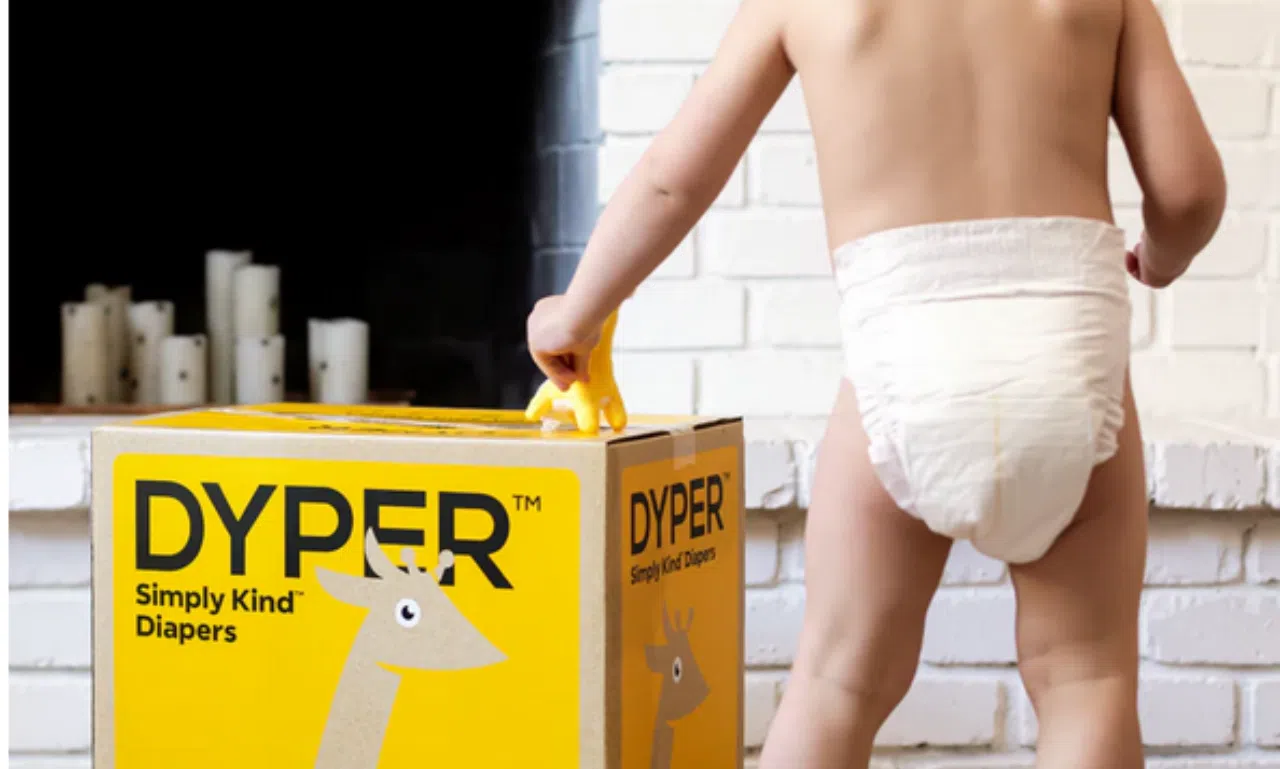
To counteract this systemic inefficiency, alternative waste diversion frameworks have emerged, most notably through specialized mail-in and local municipal pickup initiatives. Dyper’s proprietary REDYPER program exemplifies this operational shift, offering subscribers in select regions a structured collection service for used bamboo-based diapers and wipes. Rather than entering the general waste stream, collected materials are routed to regional industrial composting facilities equipped to break down certified compostable organic matter.
The operational mechanics of industrial composting for infant waste involve highly controlled thermal environments and moisture management systems designed to safely degrade biological matter within a 14-to-16-week window. Non-compostable elements—such as necessary structural components or fasteners for which biodegradable alternatives do not yet commercially exist—are mechanically separated during the processing phase. Through this systematic diversion infrastructure, the REDYPER initiative has successfully intercepted over 14 million pounds of waste from municipal landfills since its implementation.
Broader Economic and Environmental Implications of Plant-Based Hygiene
The commercial growth of sustainable infant care products reflects a broader macroeconomic shift toward circular economy principles within the fast-moving consumer goods sector. As consumers increasingly factor environmental stewardship and chemical safety into purchasing decisions, legacy manufacturers face mounting pressure to reevaluate their supply chains and product formulations.
The broader implications of replacing petroleum-based plastics with certified organic fibers extend well beyond individual household waste reduction. By supporting FSC-certified forestry and Oeko-Tex compliant textile production, sustainable hygiene brands stimulate market demand for responsibly managed natural resources, reducing the carbon intensity associated with synthetic polymer extraction and refining. Furthermore, minimizing infant dermal exposure to endocrine-disrupting chemicals and phthalates aligns with preventive public health objectives aimed at reducing the incidence of chronic skin conditions and long-term reproductive health risks.
Ultimately, the transformation of the diaper industry demonstrates that consumer-packaged goods can evolve to meet the complex demands of environmental sustainability and product performance. By combining rigorous material transparency, independent safety certifications, and scalable end-of-life composting logistics, the sector is establishing a new benchmark for corporate accountability and ecological responsibility in early childhood care.