
The integration of artificial intelligence into creative workflows has evolved significantly over the past several years, shifting from experimental text-to-image models to refined production-ready instruments. While early iterations of generative models struggled with fundamental rendering tasks such as text spelling, spatial coherence, and accurate object representation, the current generation of tools offers remarkable precision. For non-artist digital creators, social media managers, and small business owners who lack formal illustration training, these platforms bridge the gap between imagination and execution. A recent comparative evaluation of nine prominent AI image generators highlights how modern models handle distinct creative tasks, providing practical insight into prompt engineering, platform capabilities, and commercial viability.

The Evolution and Architecture of Modern Generative Models
To understand the capabilities of contemporary AI image generation, it is essential to examine the underlying mechanisms driving these technologies. Generative models generally rely on sophisticated architectures, primarily diffusion models and autoregressive frameworks. Diffusion models operate by taking random visual noise and iteratively refining it over multiple steps until a coherent image emerges that aligns with the user’s textual prompt. Conversely, autoregressive models function similarly to language generators, constructing an image sequentially, pixel block by pixel block.
In recent months, developers have incorporated advanced reasoning capabilities directly into multimodal models. This integration allows the AI to parse complex, multi-clause instructions with higher fidelity. Rather than merely matching keywords, these modern systems comprehend spatial relationships, lighting directives, and specific stylistic parameters. Furthermore, the sheer scale of training datasets has expanded, incorporating vast libraries of professional photographs, vector graphics, and digital art. This background data explains why specific terminology—such as camera focal lengths, lighting styles, and artistic mediums—produces vastly superior results compared to generic descriptors like "high quality" or "beautiful."
Methodology and Comparative Testing Parameters
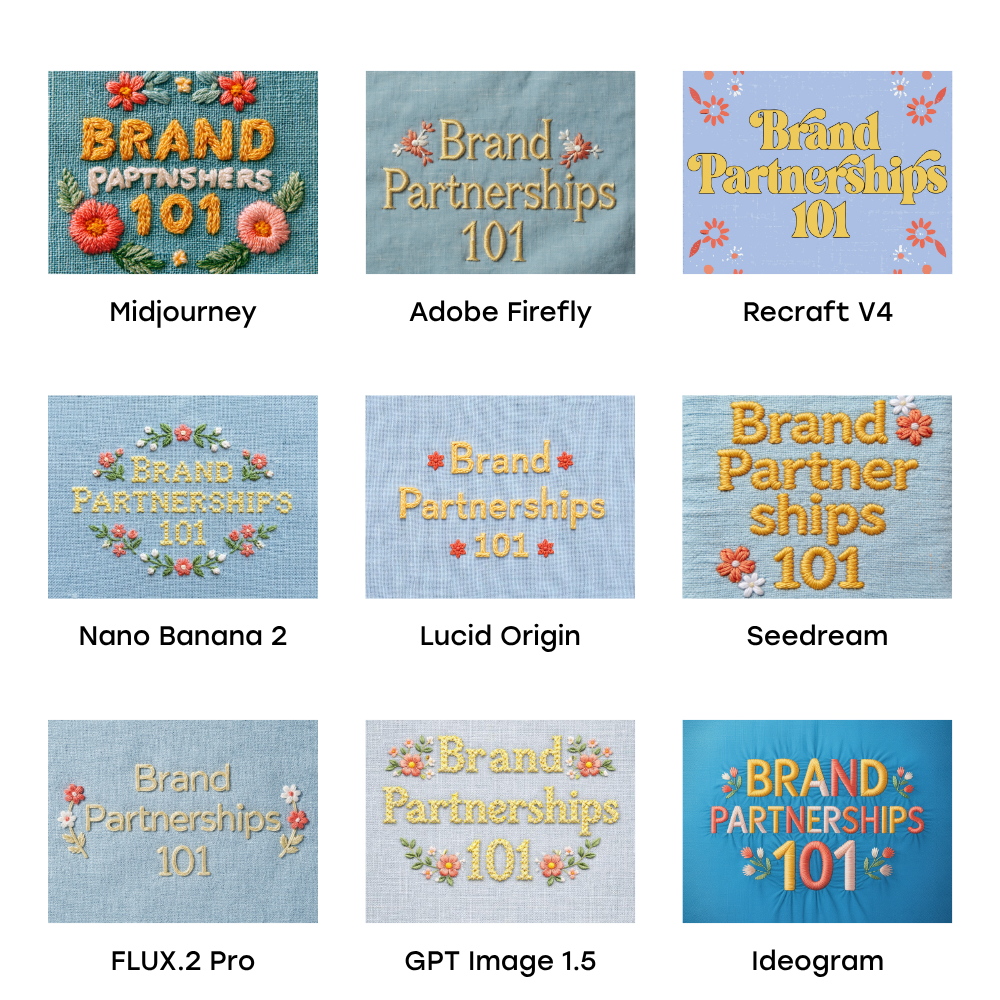
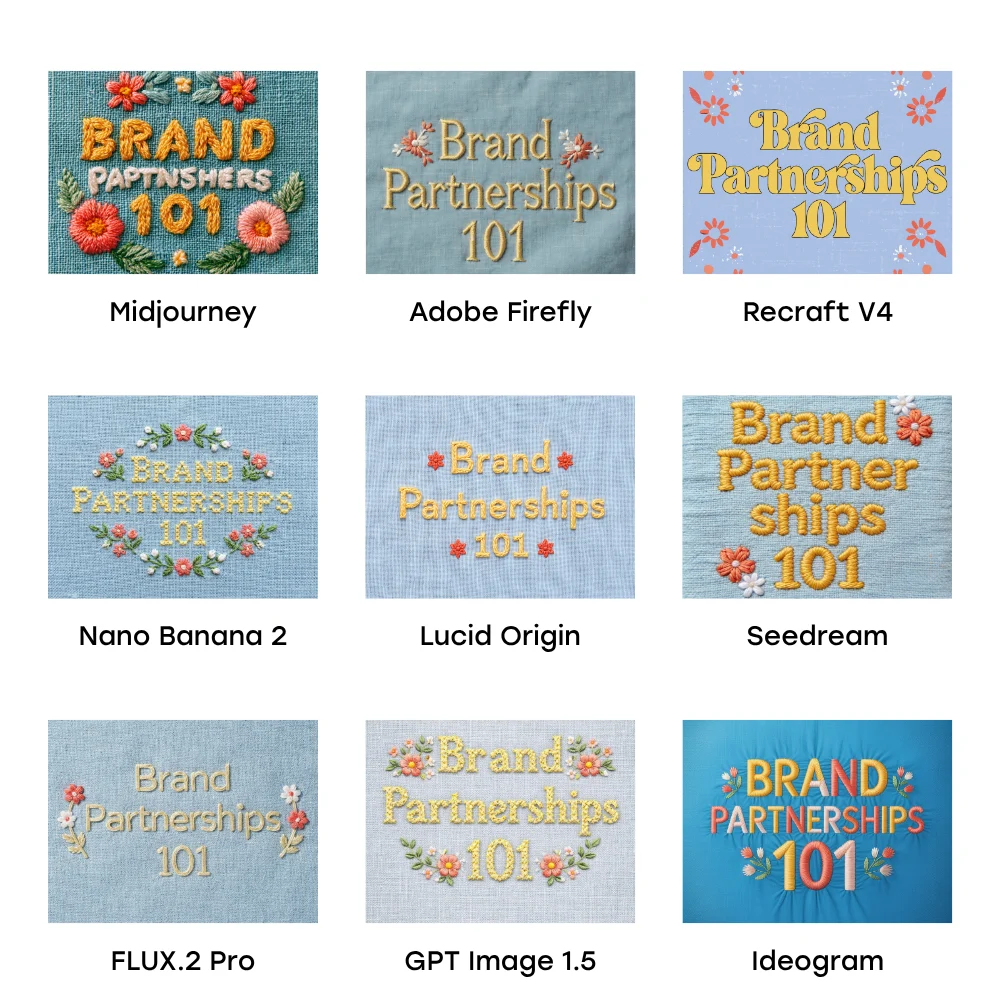
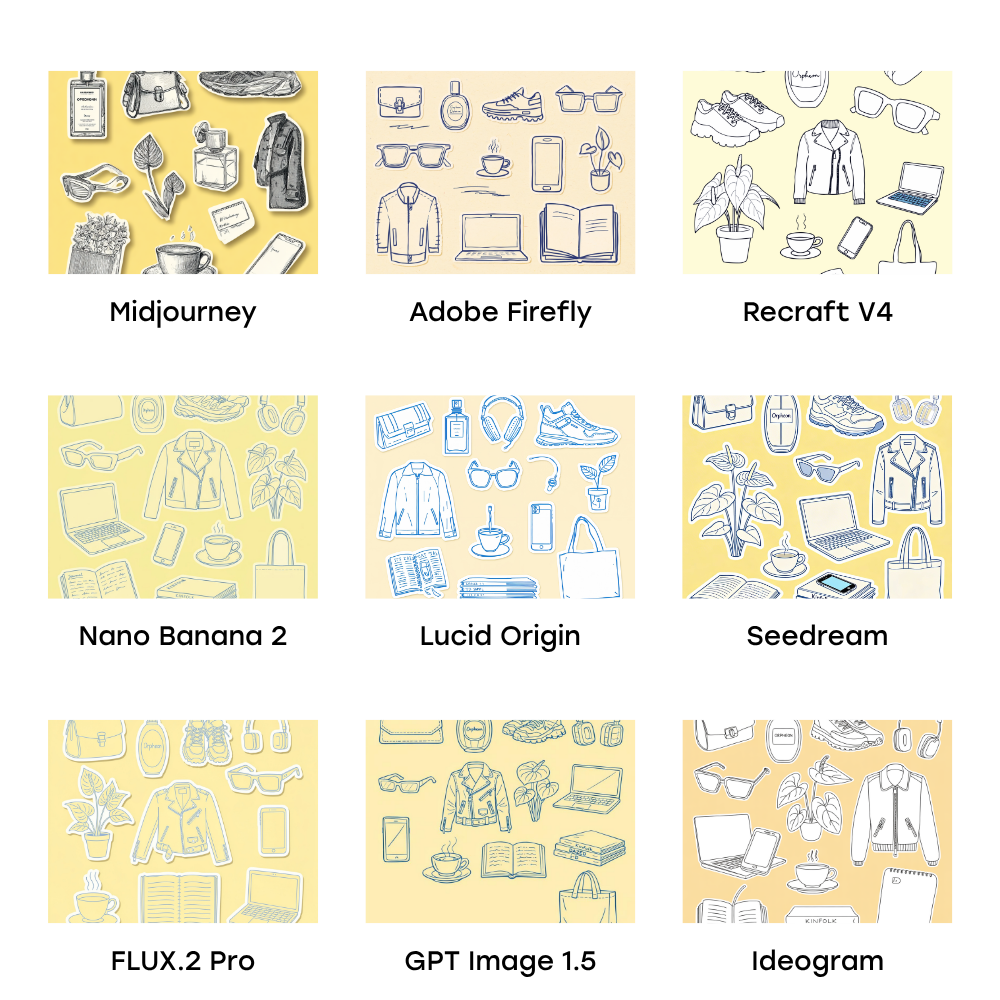
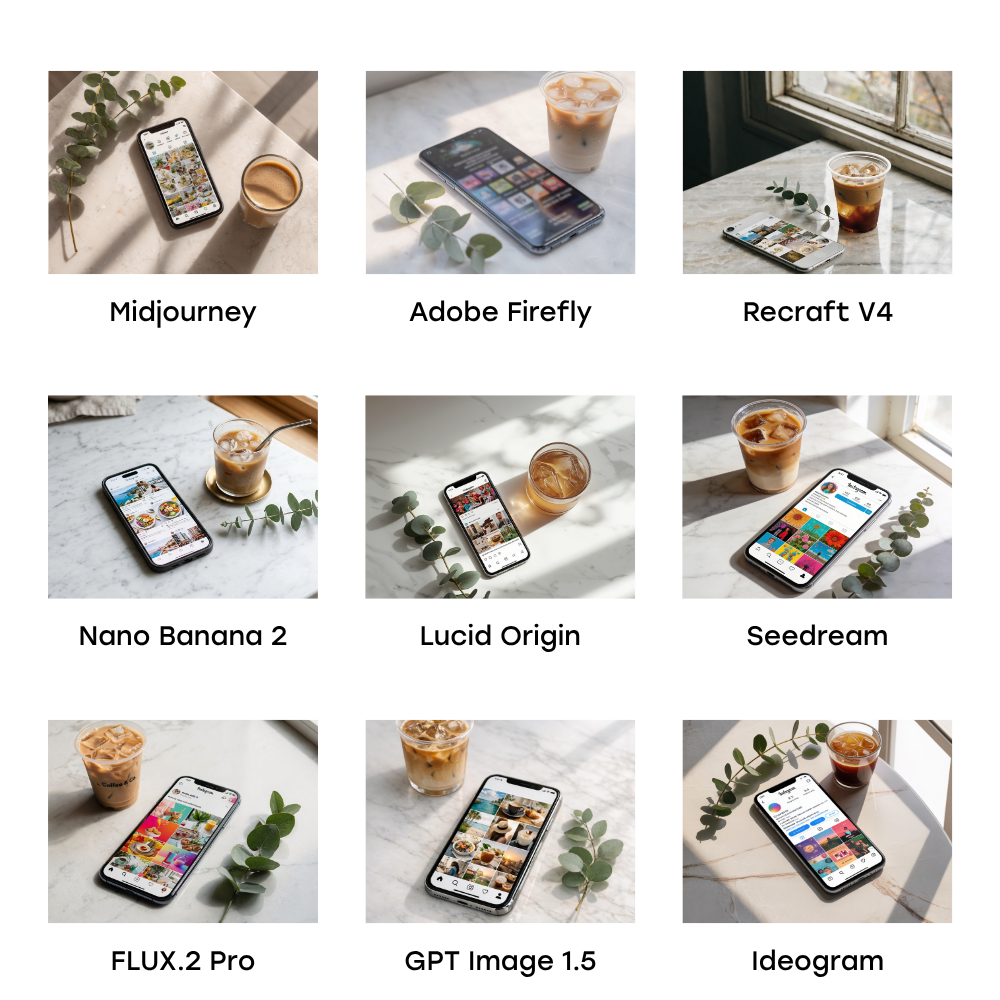
To determine the practical utility of these tools for digital content creation, a standardized testing framework was established. Nine leading models and platforms were evaluated across three specific use cases common in social media marketing: an illustrated sticker sheet containing thirteen distinct objects, a styled photorealistic product flat lay, and a typography-based graphic featuring embroidered text on textured fabric.

The models tested include Nano Banana 2 (Google), Seedream (ByteDance), Recraft V4 Pro, Midjourney, Adobe Firefly 5, FLUX.2 Pro, Ideogram 3.0, GPT Image 1.5 (OpenAI), and Lucid Origin. Testing was conducted primarily via centralized aggregation hubs like Leonardo.ai for models available on those platforms, as well as dedicated standalone applications for tools such as Midjourney, Recraft, and Adobe Firefly.

Performance Evaluation Across Test Categories

The evaluation revealed distinct performance variations depending on the model and the complexity of the prompt.

Nano Banana 2 emerged as the most consistent performer across multiple categories, particularly excelling in the accurate rendering of real-world objects. When prompted to generate specific commercial items—such as niche perfume bottles or branded footwear—the Google-backed model demonstrated a high degree of object recognition and proportional accuracy.

Seedream, developed by ByteDance, proved exceptionally reliable in text generation and placement. For creators prioritizing accurate spelling and localized text rendering within graphics, Seedream and Ideogram 3.0 demonstrated superior capabilities compared to older architectures. However, Ideogram occasionally struggled with color fidelity when balancing complex multi-element prompts.

Recraft V4 Pro catered effectively to professional designers by offering granular control over visual styles, color palettes, and reference images. Its ability to interpret hex codes rather than merely descriptive color names makes it a valuable asset for corporate branding applications where strict palette adherence is required.

Midjourney maintained its reputation for visual richness and artistic mood. While it produced striking aesthetic results for photography-style concepts and atmospheric lighting, it struggled with complex multi-object prompts, often omitting requested details or warping text elements.

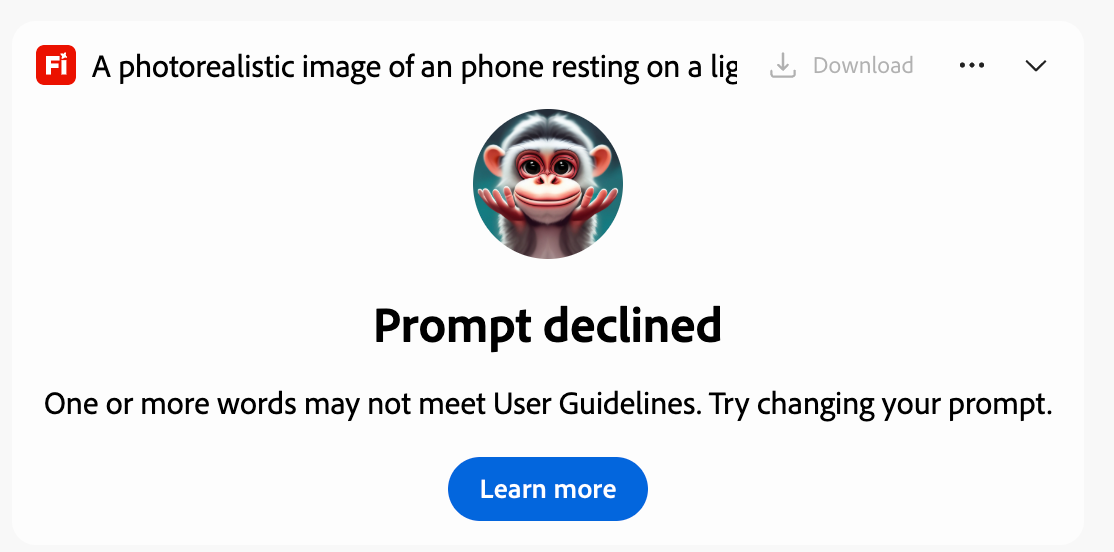
Adobe Firefly 5 prioritized commercial safety and workflow integration. Designed specifically to integrate smoothly within the Adobe Creative Cloud ecosystem, Firefly incorporates robust copyright-filtering mechanisms. During testing, the platform actively declined requests involving specific trademarked brand names, aligning with enterprise-level compliance standards.

FLUX.2 Pro delivered strong results regarding shadow handling and creative interpretation, producing visually compelling textures, although certain outputs appeared physically pasted onto the background rather than naturally integrated. GPT Image 1.5 offered solid performance within the OpenAI ecosystem, though complex spacing requirements in the illustration test caused compression artifacts. Finally, Lucid Origin provided rapid generation speeds and a distinctive three-dimensional aesthetic, despite occasionally sacrificing strict prompt adherence.

Pricing, Accessibility, and Commercial Implications

As adoption rates climb among digital marketers and independent enterprises, pricing structures and licensing terms remain critical considerations. The analyzed tools generally operate on freemium models, providing limited daily or weekly credit allocations for free users, alongside paid subscription tiers for heavy commercial use.

Platforms such as Leonardo.ai, Recraft, and Ideogram offer accessible free entry points. Conversely, Midjourney operates strictly on a subscription model starting at $10 per month. Crucially, creators utilizing these outputs for commercial purposes must review platform terms carefully. Free tiers frequently designate generated content as public domain or restricted from commercial application, necessitating paid plans for business branding.

Furthermore, legal distinctions regarding copyright ownership continue to develop. Jurisdictions such as the United States Copyright Office maintain that prompt engineering alone does not confer legal authorship over AI-generated works. Consequently, while generative models serve as efficient tools for rapid asset creation, social media content, and ideation, organizations relying on unique brand identity often maintain a hybrid approach—utilizing AI for supplementary graphics while retaining human designers for core intellectual property.

Industry Implications and Future Outlook
The maturation of AI image generators signifies a permanent shift in digital content creation pipelines. By lowering the barrier to entry for high-quality visual production, these tools empower creators to diversify their content strategies across multiple platforms without requiring external design agencies.

However, the divergence in platform strengths—ranging from Google’s object accuracy and ByteDance’s text rendering to Adobe’s copyright compliance—indicates that a single universal tool does not yet exist. Creators and enterprises must select their generative suites based on specific workflow requirements, legal constraints, and aesthetic goals. As underlying model architectures continue to advance, the distinction between human-crafted design and AI-assisted creation will likely continue to blur, making prompt literacy an essential skill in modern digital media.