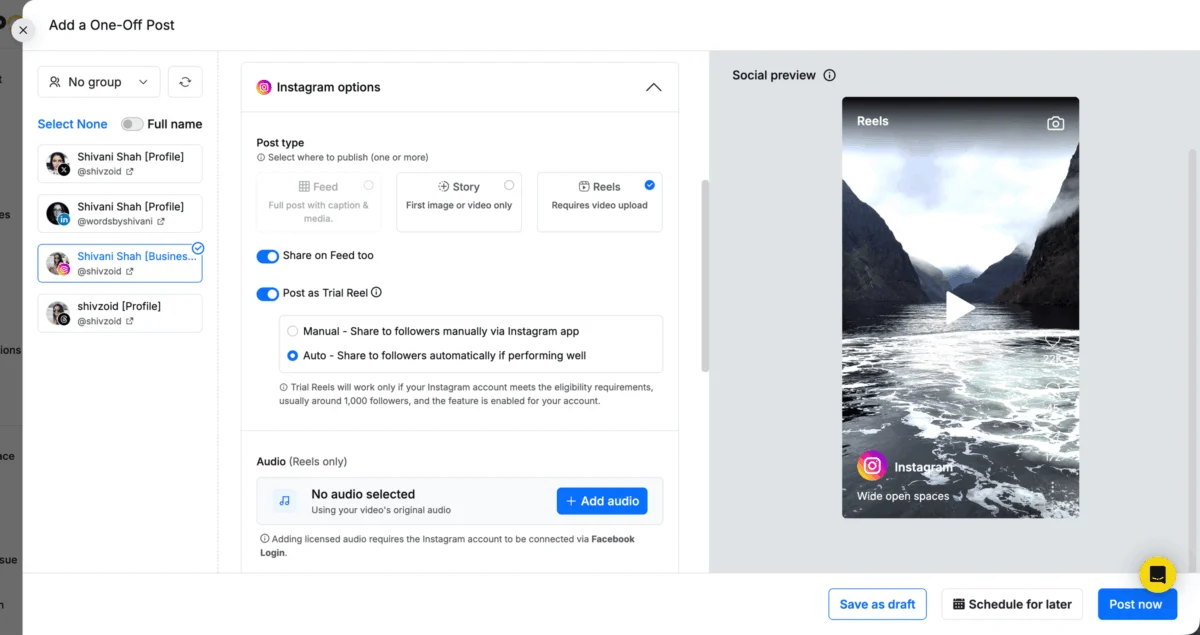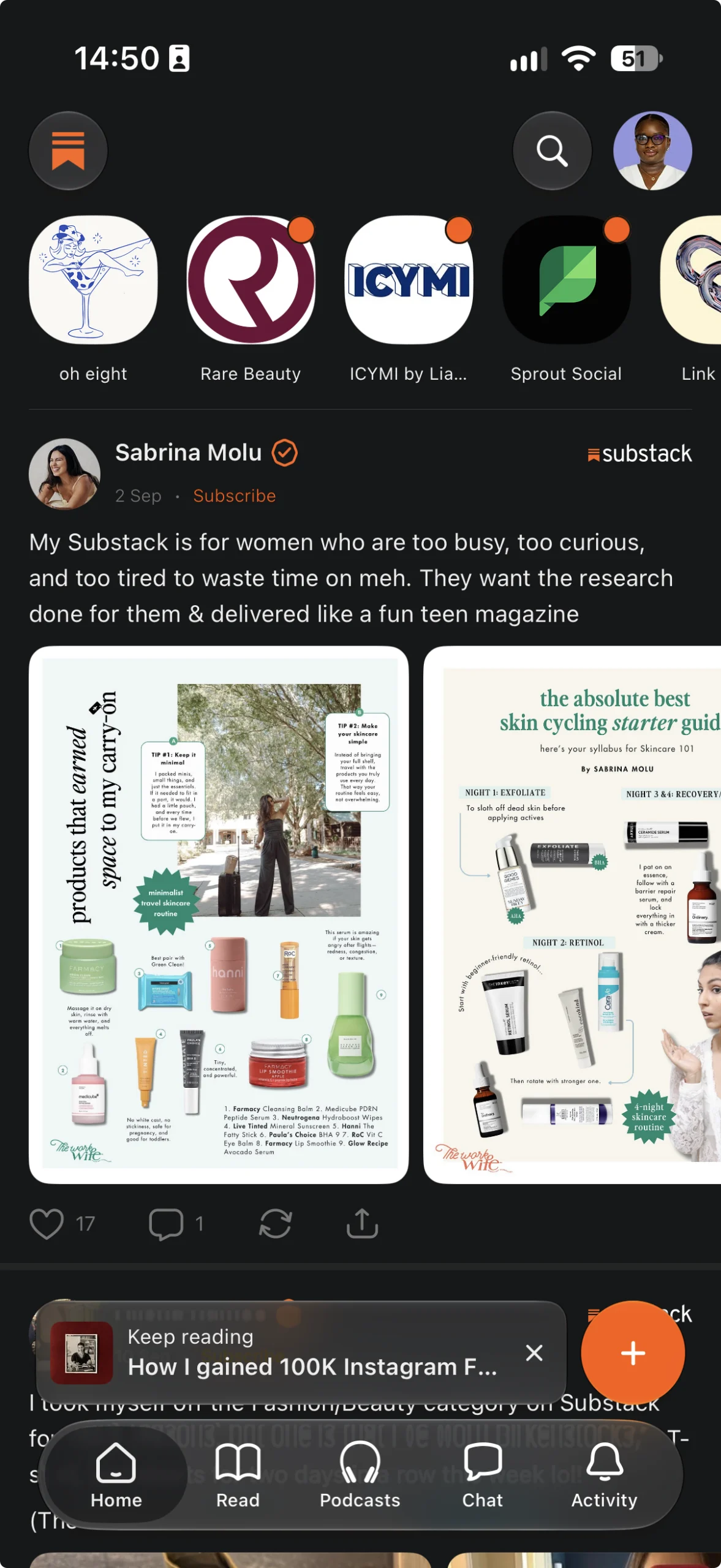
The digital publishing landscape has undergone a significant operational shift with the mainstream adoption of scheduling tools for micro-blogging features on subscriber-centric platforms. For years, creators operating on independent publishing networks faced a rigid dichotomy: long-form essays could be meticulously timed for optimal reader engagement, while micro-updates—short-form community posts designed to drive daily discovery—required immediate, manual intervention. This operational friction forced writers to remain tethered to their devices to maintain a consistent publishing cadence. Recent platform updates and third-party integrations have fundamentally altered this dynamic, offering content creators sophisticated workflow automation that mirrors traditional social media management.

Background Context and Platform Evolution
To understand the current utility of scheduling short-form updates, one must examine the evolution of creator-audience dynamics. Micro-publishing tools were originally introduced to foster community interaction, increase platform dwell time, and act as a top-of-funnel discovery mechanism for long-form newsletters. However, as independent media operations began to resemble professional media houses, the demand for asynchronous content creation grew exponentially.
Publishers managing multi-channel digital strategies found that manual posting restricted their ability to maintain optimal posting hours across different global time zones. Recognizing this bottleneck, major ecosystem developments culminated in official native scheduling capabilities, allowing writers to queue short-form updates directly within their publishing dashboards. Simultaneously, enterprise-grade social media management platforms developed official application programming interface (API) integrations, bridging the gap between isolated newsletter ecosystems and cross-channel marketing suites.
Native Scheduling Functionality: Capabilities and Limitations
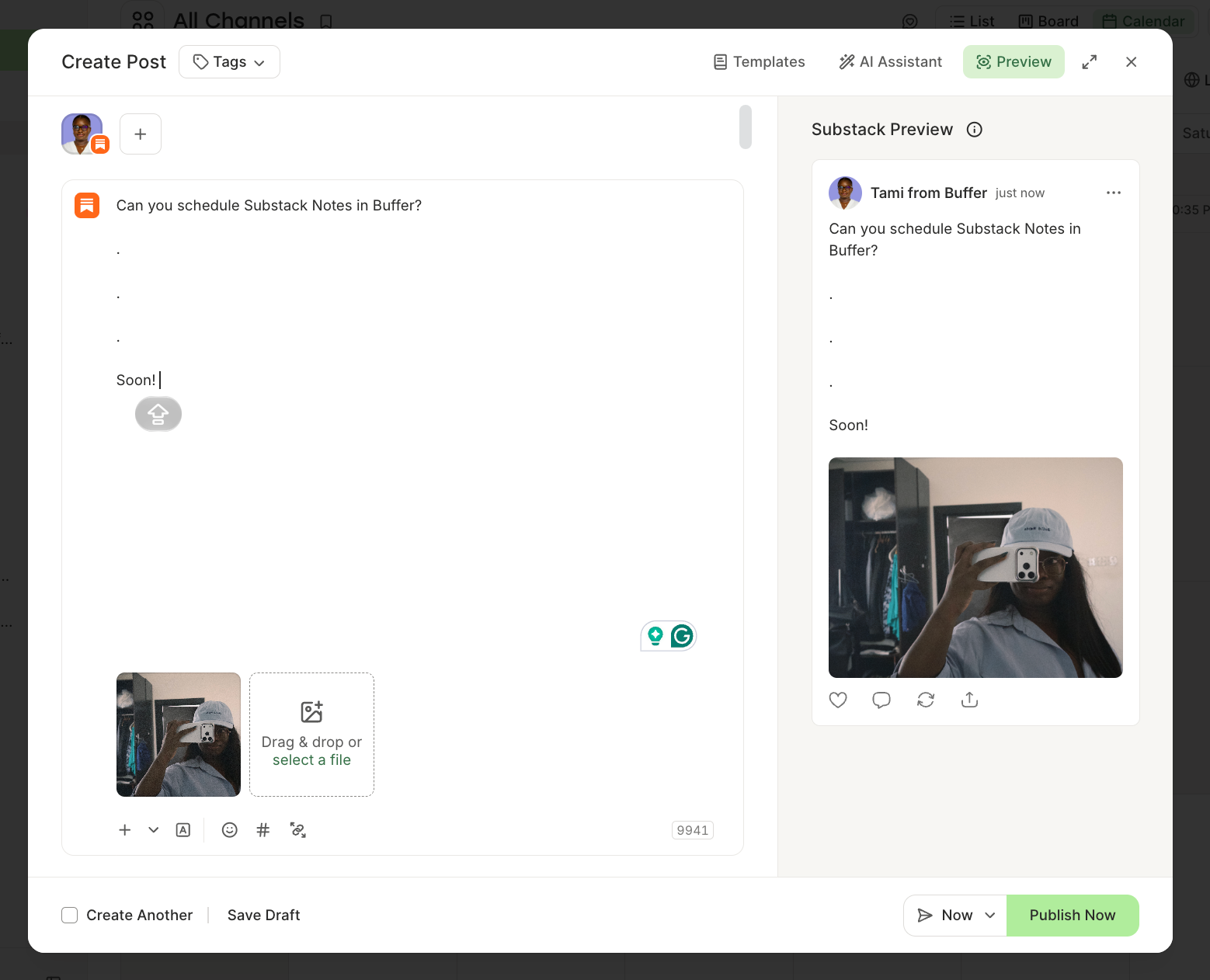
The introduction of native scheduling tools within major publishing interfaces has democratized content planning for independent writers. Creators utilizing web browsers, iOS, or Android applications can now draft brief updates and queue them for future publication up to three months in advance.
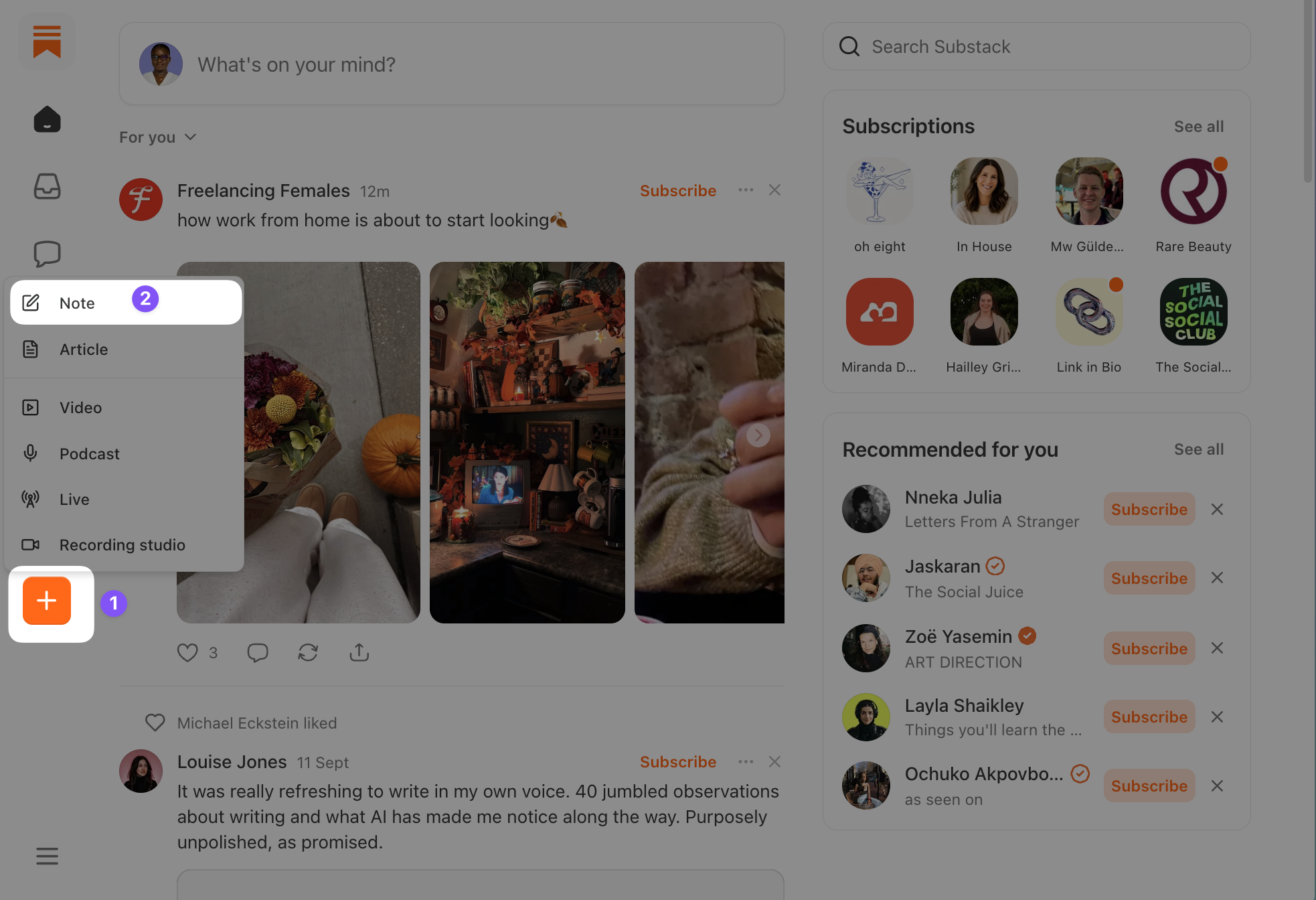
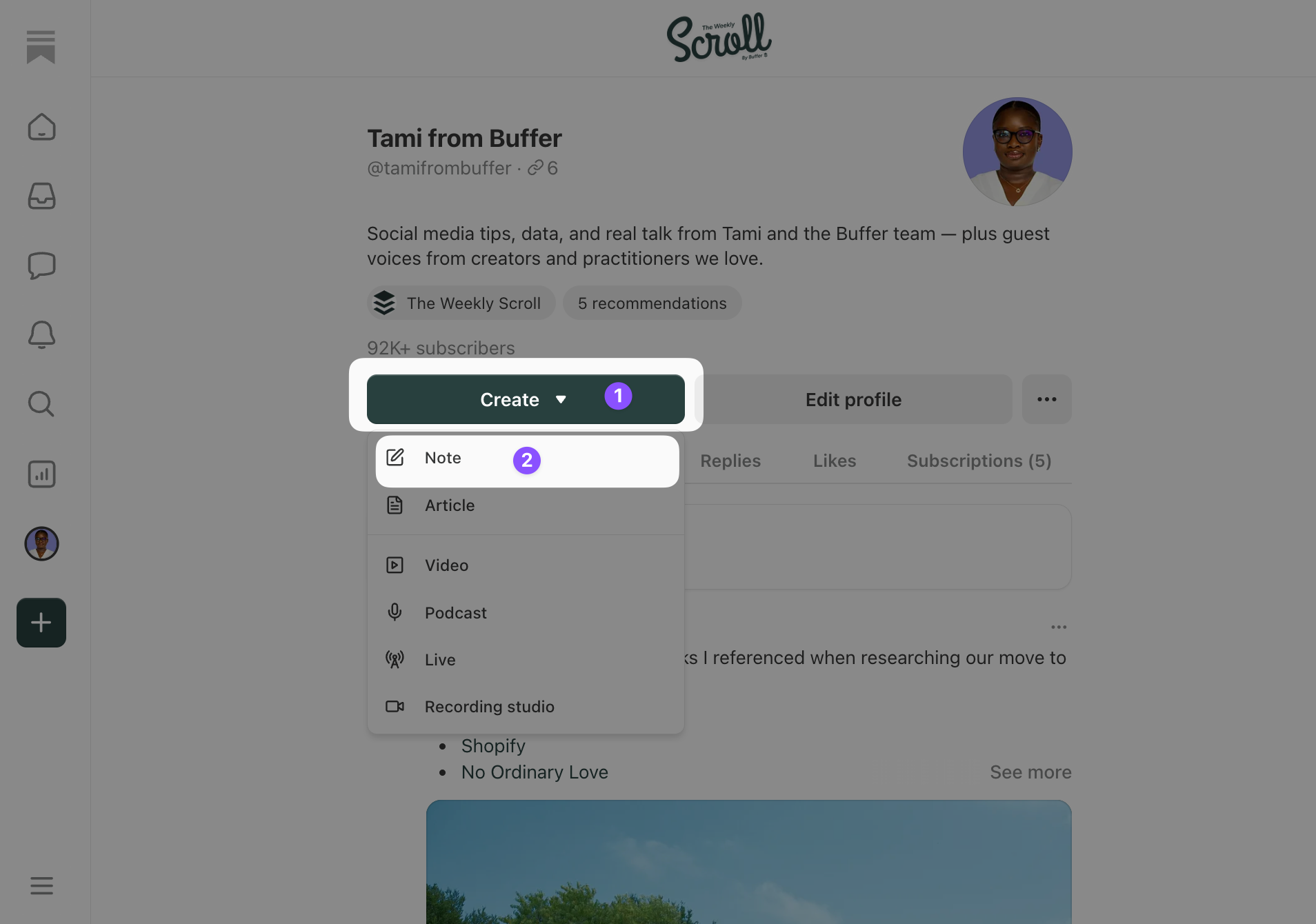
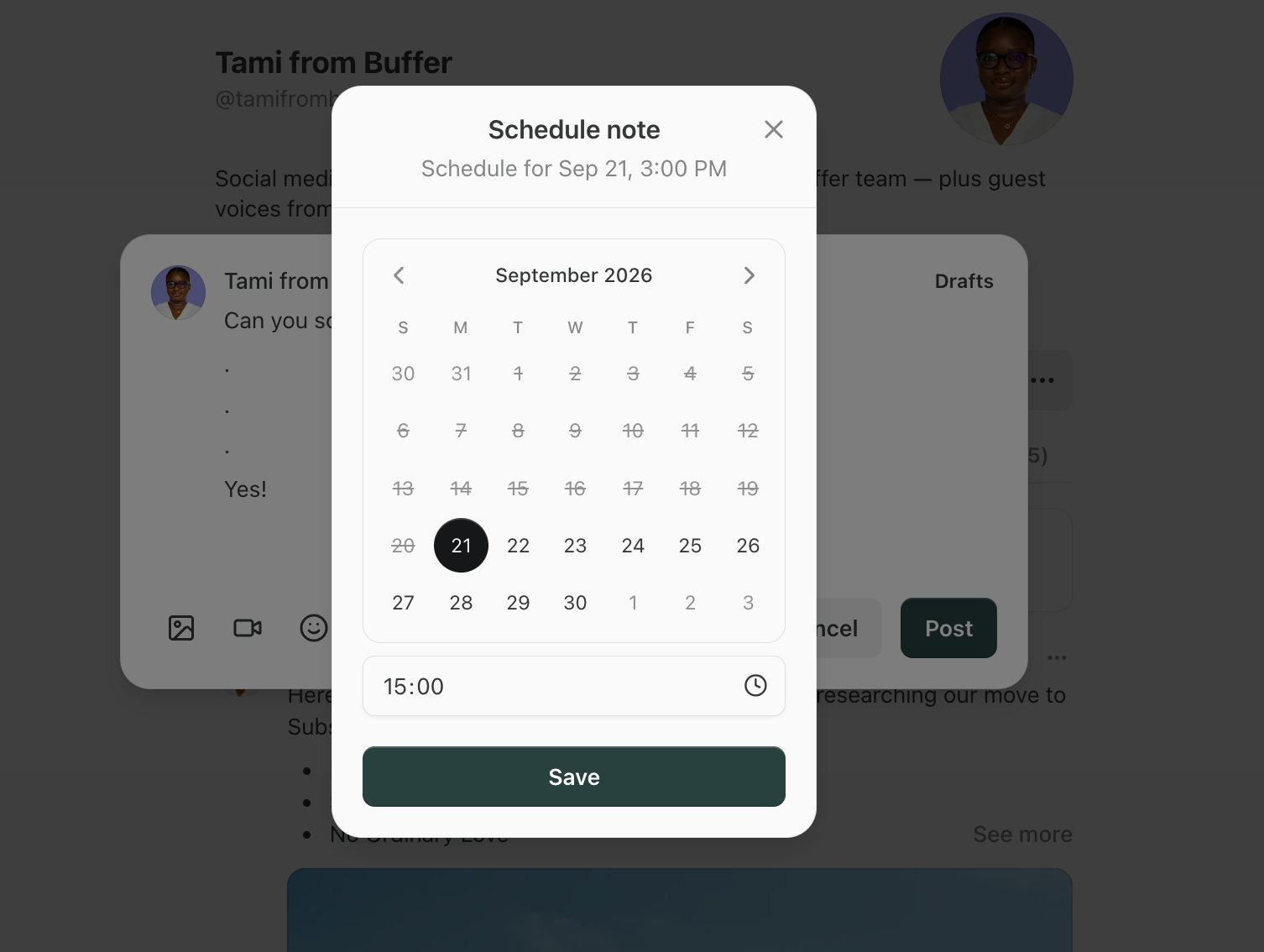
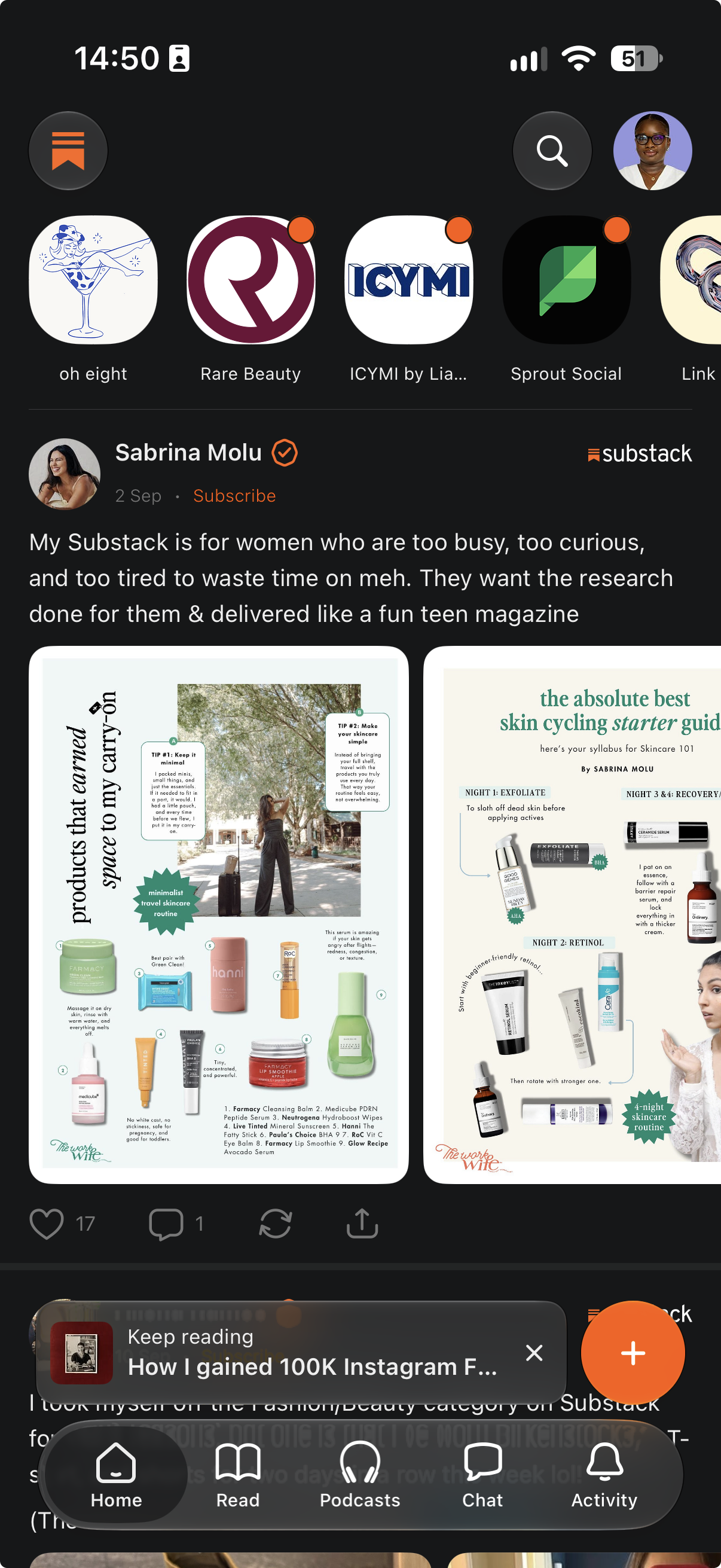
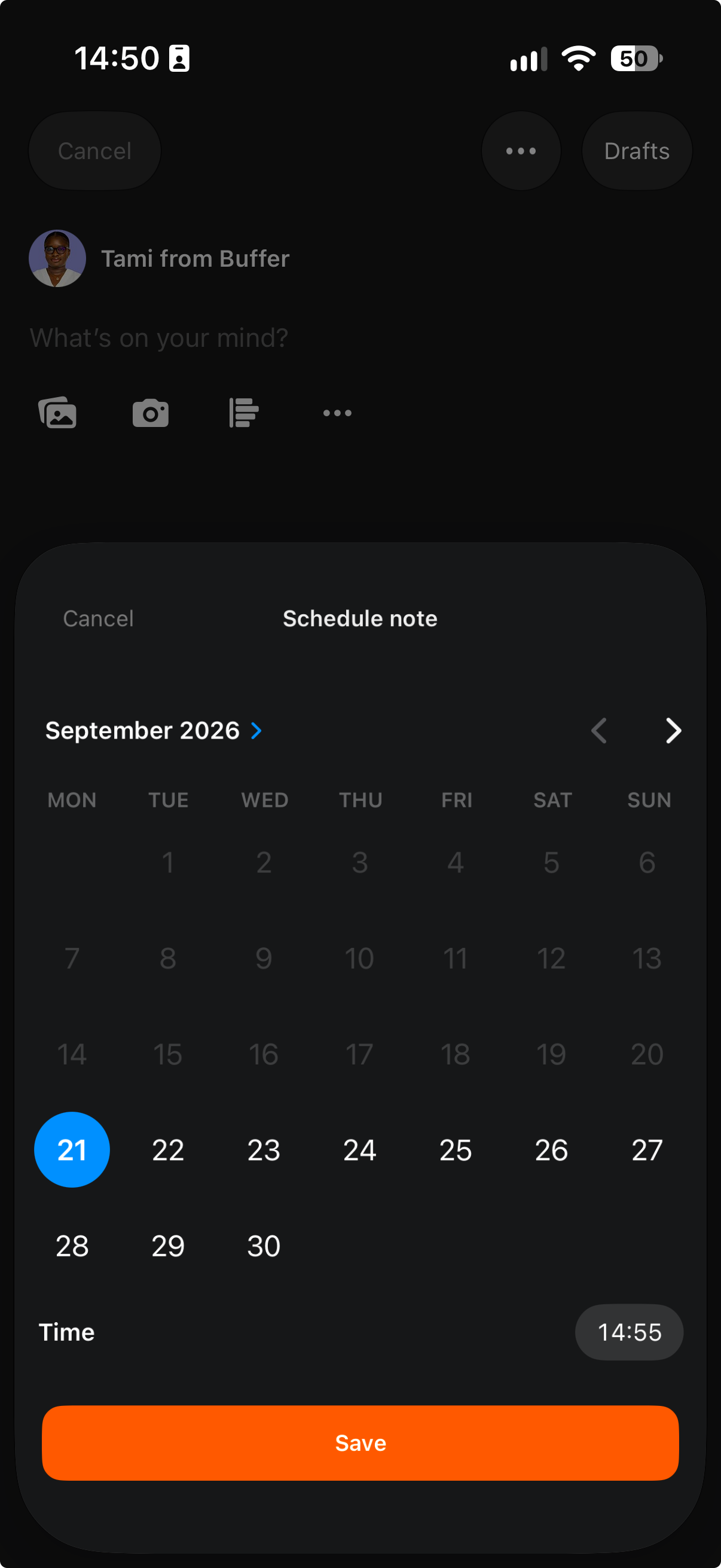
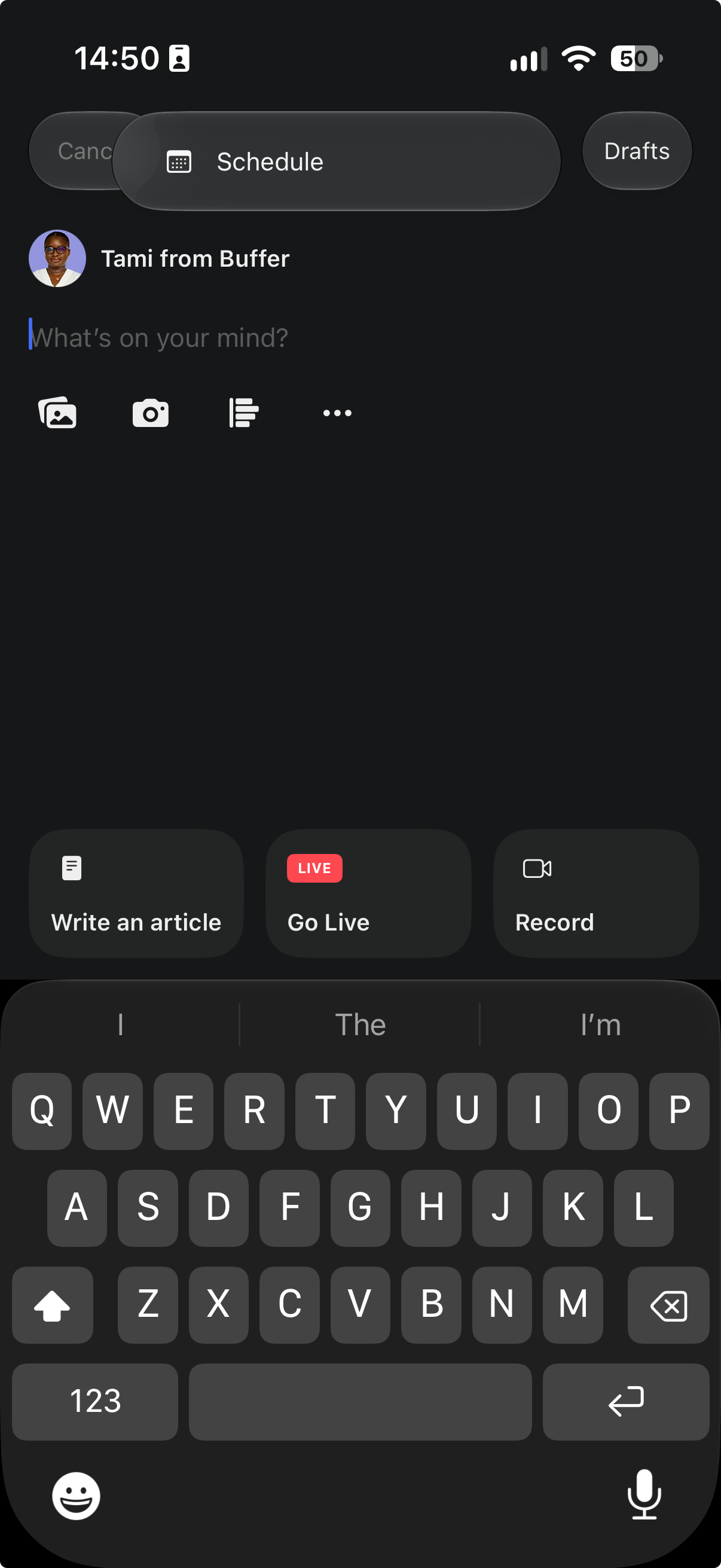
The mechanics of the native web interface require users to draft content within the short-form composer, navigate the publishing settings, and select a precise date and time before saving the item to the drafts repository, where queued items display their scheduled release timestamps. On mobile applications, a similar workflow applies: authors utilize the primary creation interface, access the overflow menu indicated by standard navigational icons, and select the scheduling parameters.
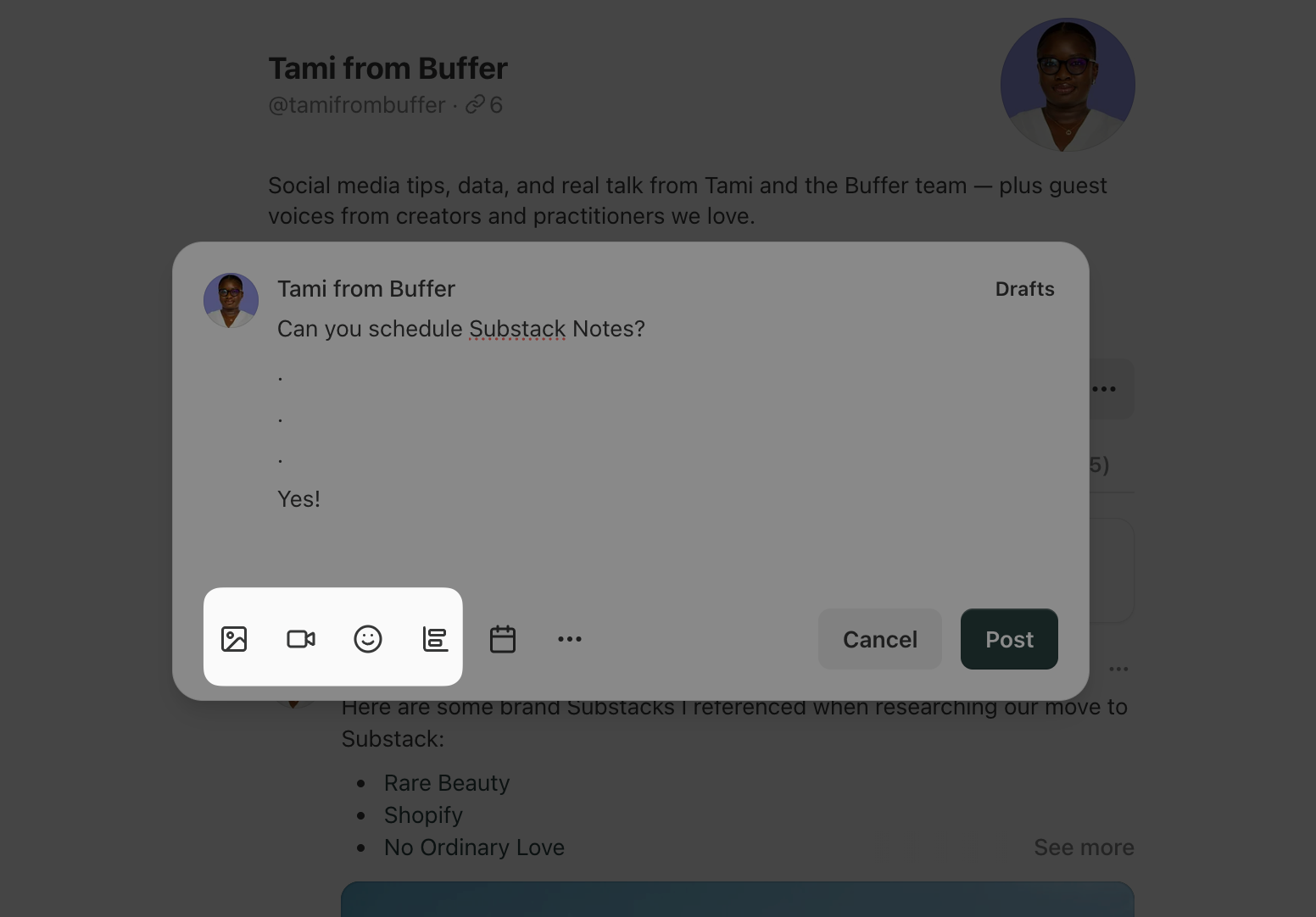
Despite these advancements, native schedulers often exhibit functional limitations that professional publishers must navigate. Most notably, native environments frequently lack a visual calendar interface, compelling users to manage queued items through a linear list of drafts rather than a comprehensive weekly or monthly content grid. Furthermore, native systems typically restrict batch scheduling, limiting authors to queuing single items sequentially. Cross-platform syndication is similarly constrained within native environments, requiring manual duplication if an author wishes to disseminate the same short-form update to external social networks such as LinkedIn, Threads, X, or Bluesky. Finally, native analytics are often confined to basic, immediate metrics—such as likes, replies, and shares—without offering advanced attribution tracking to measure subscriber conversion rates over extended periods.
Third-Party Integration and Cross-Channel Workflow Management
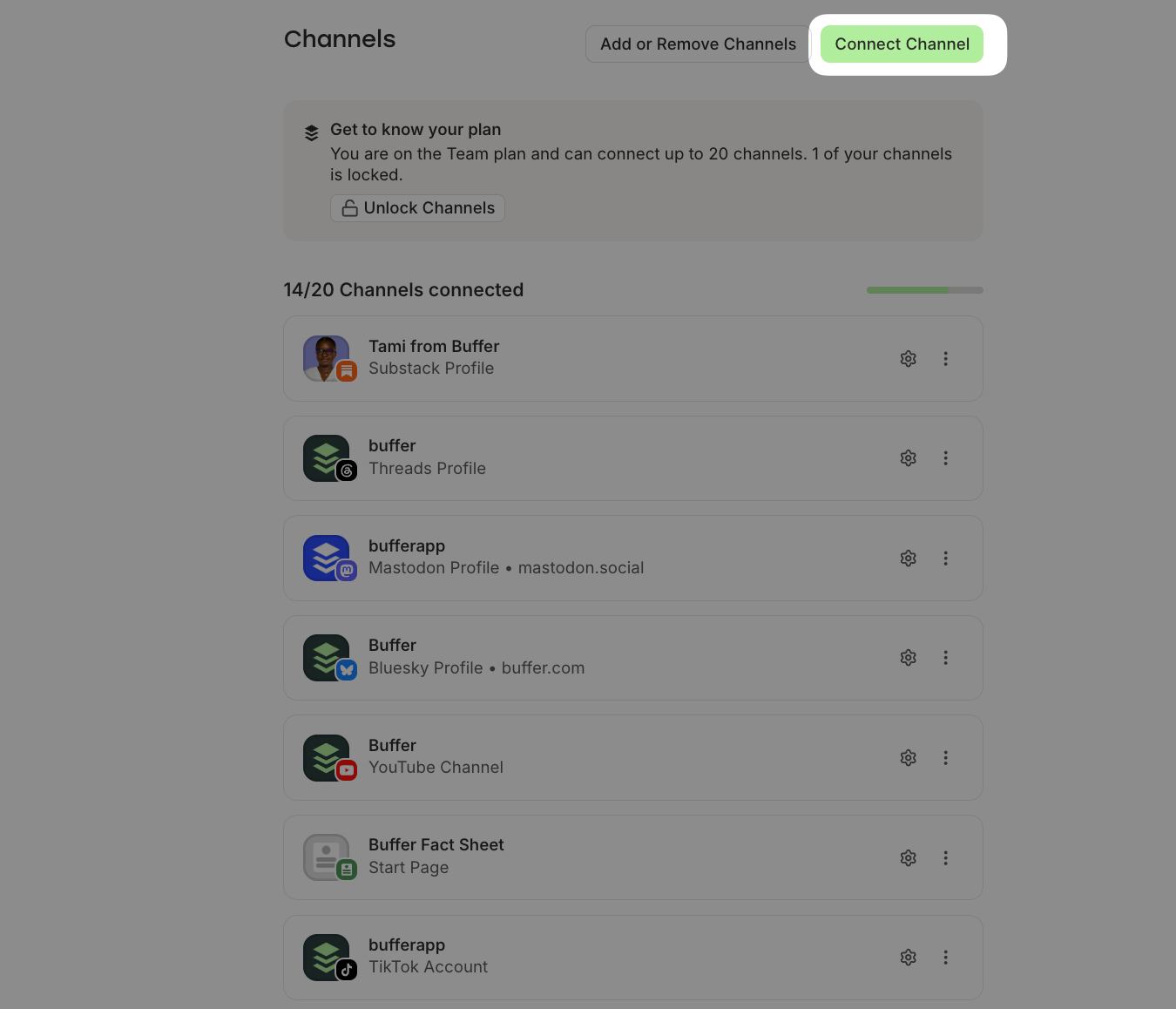
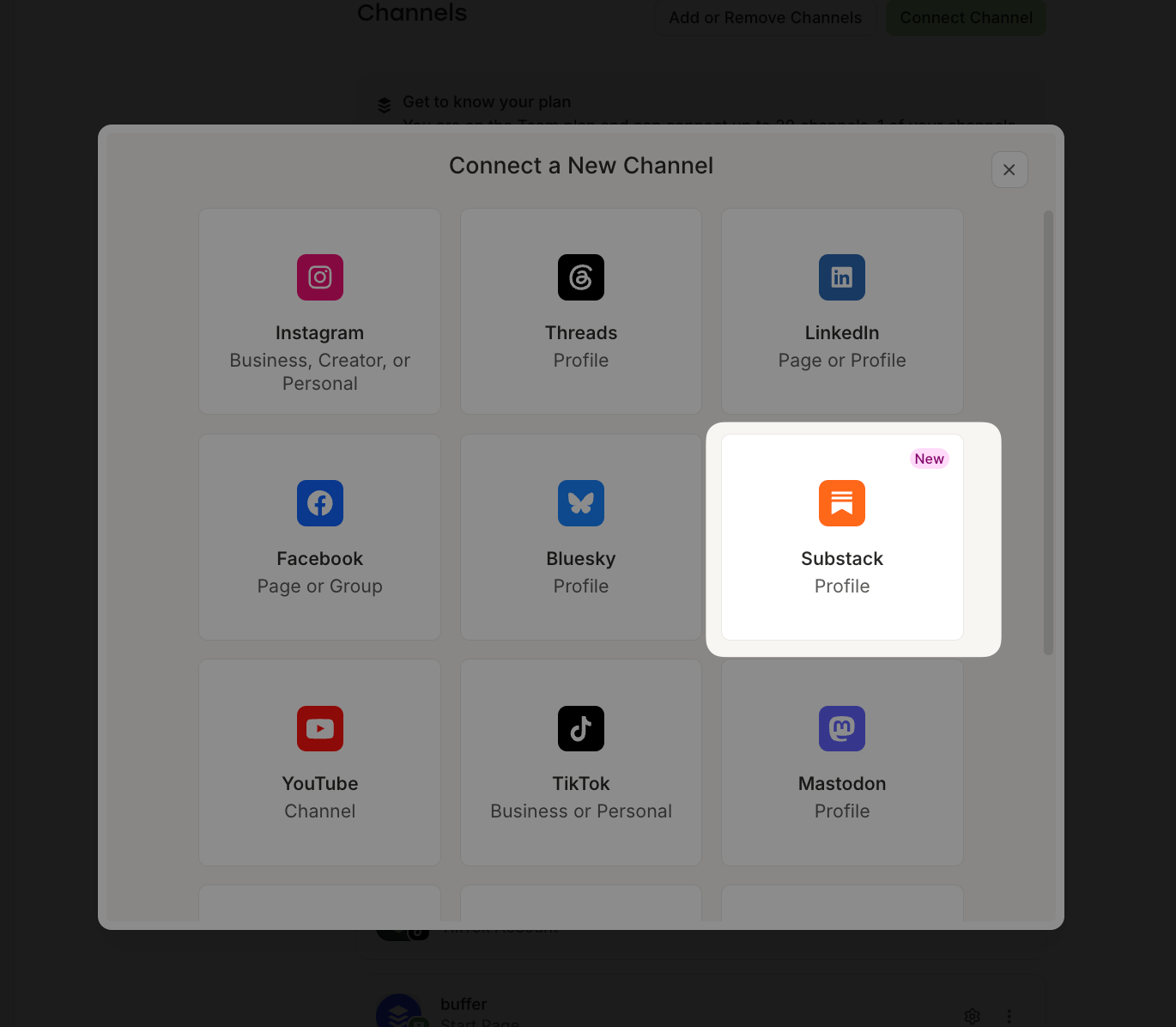
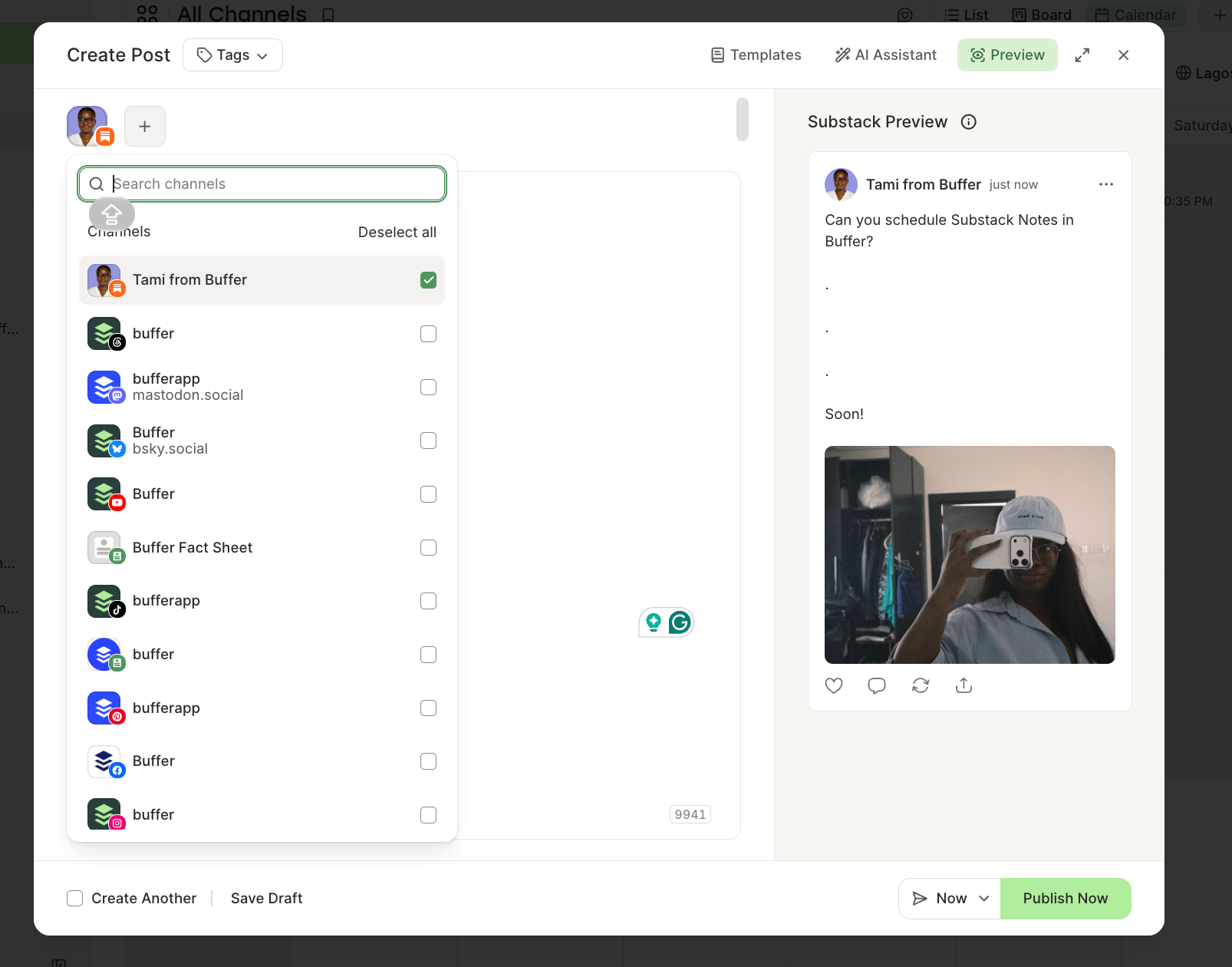
To address the limitations inherent in native publishing tools, advanced creators increasingly turn to third-party social media management platforms that leverage official developer APIs. These integrations treat independent newsletter profiles as standard social channels, synchronizing them with unified content calendars and centralized content composers.
Utilizing an authorized third-party dashboard allows publishers to plan short-form updates alongside content destined for LinkedIn, Instagram, Bluesky, and other networks from a single screen. Unlike basic native reminders that may require manual finalization, fully integrated platforms execute scheduled updates autonomously at the designated timestamp. This seamless execution eliminates the administrative overhead associated with real-time publishing.
Furthermore, enterprise-level integrations introduce sophisticated analytical capabilities. Beyond tracking basic engagement metrics like impressions and follower growth, advanced dashboards can correlate specific short-form updates directly with audience acquisition data. This enables publishers to quantify the exact number of free and paid subscribers generated by an individual piece of content. By placing newsletter updates side-by-side with external social media metrics within a unified analytics suite, publishing teams can conduct comparative performance analyses to optimize their audience acquisition funnels.
Comparative Analysis of Free Versus Paid Tiers
For independent creators and small publishing operations, cost management remains a critical consideration when selecting operational software. Both native publishing tools and major integration platforms offer robust free tiers, lowering the barrier to entry for emerging writers.
Native scheduling features are inherently bundled into the core publishing software at no additional cost, making them accessible to any active account holder regardless of subscription tier. Similarly, entry-level tiers of major social media management platforms permit users to connect a limited number of channels—typically up to three—while maintaining a restricted queue of active scheduled posts per channel and a rolling 30-day analytics history.
For high-volume publications or professional media teams requiring expanded operational capacity, paid tiers offer distinct advantages. Starting at nominal monthly fees per channel, professional plans unlock unlimited scheduling queues, extended historical data retention, and advanced attribution reporting. This tiered approach ensures that solo creators can manage basic workflows without financial overhead, while scaling operations can invest in comprehensive automation as their audience grows.
Strategic Implications for Daily Publishing Cadence
Data compiled from sustained publishing case studies—such as those conducted by digital media properties maintaining a continuous, daily short-form publishing cadence—reveal several key insights regarding automated content workflows.
First, consistency significantly enhances algorithmic visibility and audience retention. By removing the daily friction of manual posting, scheduling tools enable creators to batch-produce content during peak productivity windows and distribute it strategically across optimal engagement hours.
Second, automation alters the creator’s time allocation. Rather than spending peak hours executing manual posts, publishers can redirect their efforts toward community engagement—specifically responding to reader comments and participating in discussions during the critical window immediately following a post’s release. Evidence suggests that while scheduling does not inherently degrade or enhance the algorithmic reach of a post compared to manual publishing, the author’s active presence in the comment section during the initial post-publication hour remains a primary driver of sustained engagement.
Frequently Asked Questions Regarding Content Scheduling
Can creators schedule short-form updates without incurring software costs?
Yes. Both native platform composers and basic tiers of third-party management tools allow users to queue content free of charge, subject to standard volume and history limitations.
Is mobile device scheduling fully supported?
Yes. Creators can utilize mobile applications to draft, time-queue, and manage future short-form updates directly from smartphones and tablets, ensuring operational mobility.
Are advanced interaction types, such as quote-restacks or community replies, eligible for automation?
Current API limitations and platform policies generally restrict automated scheduling to original content creation. Automated queueing for restacks, quote-restacks, and direct replies to other users remains unsupported across both native and third-party systems.
Do automated scheduling features violate platform terms of service?
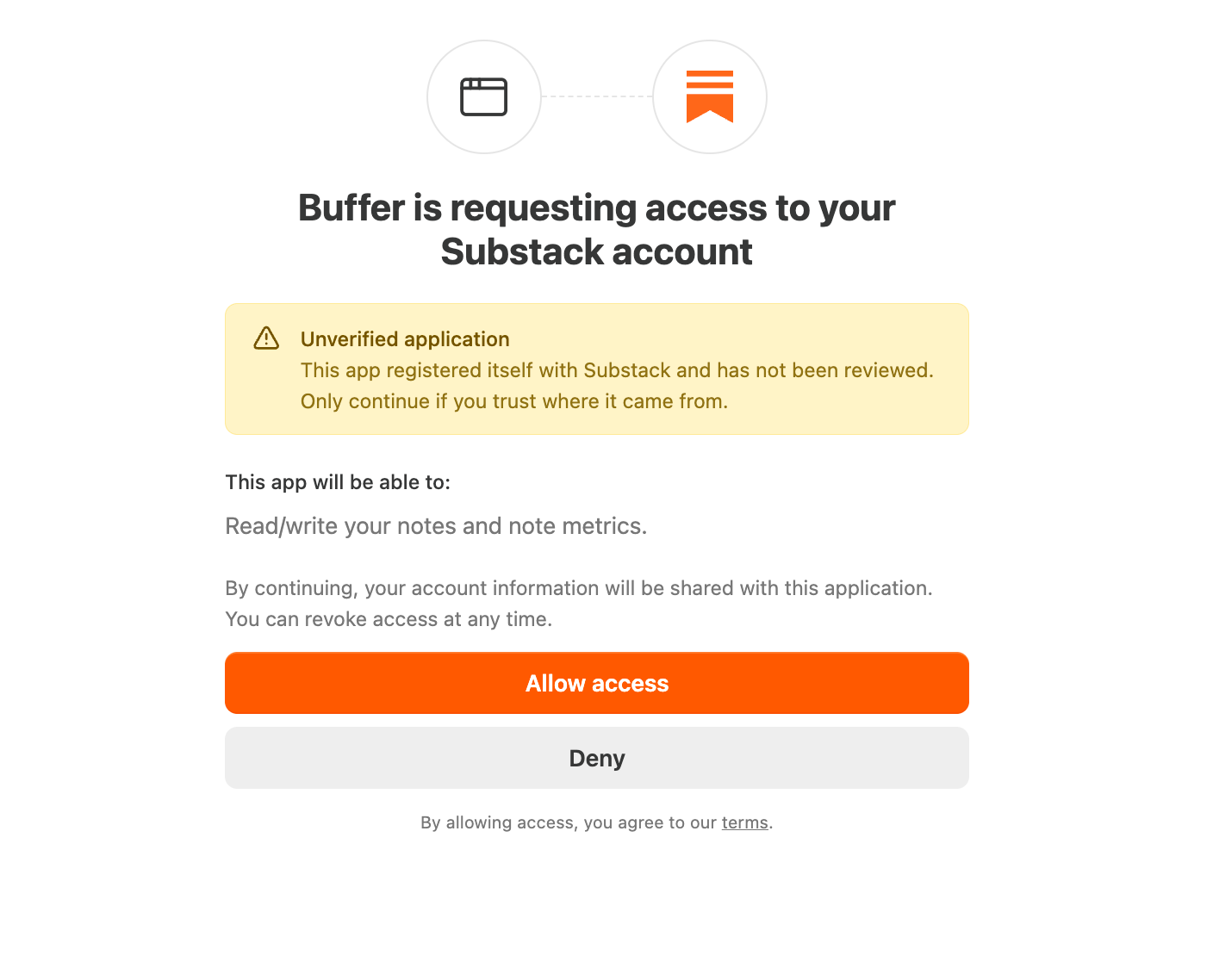
No, provided the integration utilizes official, authorized developer APIs. Third-party tools built in partnership with publishing networks operate fully within compliance guidelines, ensuring that scheduled content publishes with the same structural integrity as manually submitted posts.
Future Outlook for Independent Publishing Infrastructure
As the creator economy matures, the demand for integrated, frictionless publishing workflows will only intensify. The convergence of native publishing features and robust third-party API integrations represents a maturing infrastructure designed to support independent writers as they scale into professional media businesses. By leveraging these tools, creators can optimize their operational efficiency, protect their creative focus, and drive sustainable subscriber growth in an increasingly competitive digital marketplace.