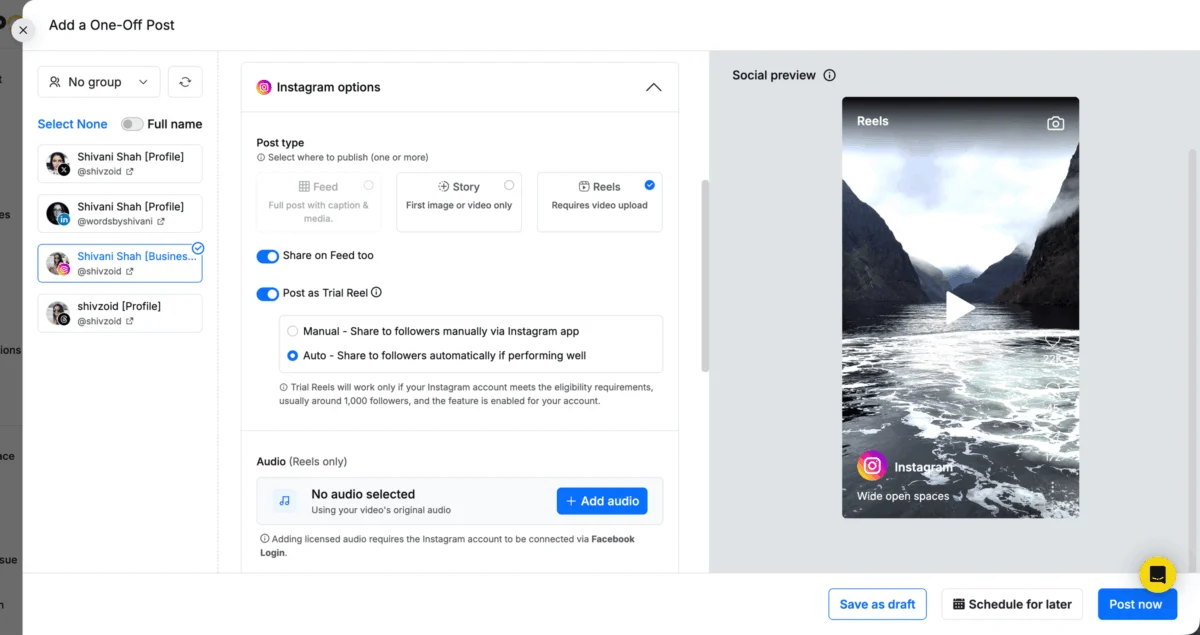
Social media management platform Buffer has officially announced one of its most requested platform integrations to date, rolling out native support for Substack Notes. The feature, which garnered over 1,100 upvotes on Buffer’s community suggestion board, allows creators, brands, and digital publishers to schedule, cross-post, and analyze short-form content on Substack alongside their existing multi-platform social media calendars.
The launch arrives at a time of significant expansion for Substack. The subscription-based publishing ecosystem has experienced rapid user acquisition, recently surpassing 50 million total active subscriptions. Furthermore, paid subscriptions on the platform have more than doubled over a two-year window. As the digital publishing landscape shifts toward direct-to-audience monetization models, tools that reduce administrative friction have become critical infrastructure for independent writers and media organizations.
Background and the Rise of Substack Notes
Substack introduced Notes in 2023 as an in-network, short-form publishing feature designed to help writers discover new audiences and encourage peer-to-peer engagement within the platform ecosystem. Unlike long-form newsletters, which typically follow a weekly or bi-weekly cadence, Notes function similarly to microblogging platforms like X (formerly Twitter) or Threads.
However, digital marketing experts emphasize that short-form formats heavily reward algorithmic consistency and frequent posting. For independent creators who often operate as solo businesses, maintaining a steady output across multiple channels simultaneously presents a major operational bottleneck. Until now, publishers using Substack Notes had to manually draft and publish content natively in real time, lacking the queuing and automation capabilities standard on mainstream social media platforms.

Buffer’s new integration directly addresses this gap. By connecting a Substack account to Buffer, creators gain the ability to pre-plan their short-form outreach, distribute newsletter excerpts automatically, and monitor performance analytics from a centralized dashboard.
Early Adopter Use Cases and Industry Workflow Integration
During the pre-launch and beta phase, select Buffer users experimented with the Substack Notes integration to evaluate its impact on daily publishing workflows. Their use cases highlight diverse strategies for maximizing audience reach through automated distribution.
Kevin Indig, author of the organic growth and SEO publication Growth Memo, utilizes the integration to automate distribution for his weekly newsletter, which serves a readership of over 29,000 marketing leaders and founders. According to Indig, automating the sharing process saves him two to three hours per week while eliminating the requirement to be online at peak distribution times. Additionally, he leverages Substack Notes as a testing ground to evaluate audience reception of specific topics before developing them into comprehensive long-form articles.
Similarly, Daniel Hieber, creator of the Linguistic Discovery newsletter, treats Buffer as a centralized content distribution hub. Hieber breaks down individual newsletter editions into distinct micro-posts, distributing them across Substack Notes, Threads, and X on a staggered schedule over several weeks. Each post is structured to drive traffic back to the primary newsletter issue.
Podcasters are also adopting the workflow. Josh Allan Dykstra, host of the Hello Tomorrow podcast, has begun utilizing the integration to cross-post multimedia content originally produced for platforms like Instagram and TikTok directly into Substack Notes. By streamlining this process, Dykstra notes that creators engaged in cross-platform publishing can reclaim significant blocks of time.

Analysis of Broader Industry Implications
The integration between Buffer and Substack marks a notable convergence between traditional content publishing and social media marketing tools. Historically, email newsletters and social media networks operated in relative silos, requiring third-party link-in-bio tools or manual copy-pasting to bridge the gap.
As platforms like Substack evolve into robust social networks with features like Notes, chat functions, and recommendation algorithms, the boundary between subscriber communication and social media marketing continues to blur. Industry analysts suggest that equipping creators with enterprise-grade scheduling and analytics tools will likely accelerate the professionalization of independent publishing. Creators can now treat Substack not just as a repository for long-form writing, but as an active top-of-funnel marketing channel that requires the same systematic distribution strategies applied to LinkedIn, Facebook, or Instagram.
Availability and Pricing Structure
The Substack Notes integration is available immediately to all Buffer users. The feature is accessible on Buffer’s free tier, with advanced team collaboration workflows, multi-user permissions, and extended analytics available on the platform’s paid subscription tiers.
With more than 200,000 creators, small businesses, and marketing professionals currently utilizing Buffer to manage their digital presence, the addition of Substack support positions the company to capture a growing share of the independent creator economy as publishing platforms continue to expand their social capabilities.