The modern landscape of digital publishing demands an unprecedented level of ubiquity from creators, authors, and independent thinkers. Navigating the delicate balance between long-form intellectual labor—such as writing books and hosting deep-dive analytical podcasts—and the relentless pace of short-form social media requires deliberate strategy, operational discipline, and the deployment of efficient technological tools. For Josh Allan Dykstra, a keynote speaker, entrepreneur, and self-described optimistic futurist who has dedicated the past two decades to reforming the structural paradigms of modern labor, solving the logistical friction of content distribution has become a central focus of his digital operations. With a growing multi-platform footprint spanning nearly 48,000 followers across Instagram, X, LinkedIn, and TikTok, Dykstra has refined a publishing workflow that merges long-term creative output with automated cross-platform distribution, recently expanding his reach into the emerging ecosystem of Substack Notes.
Main Facts and Digital Footprint
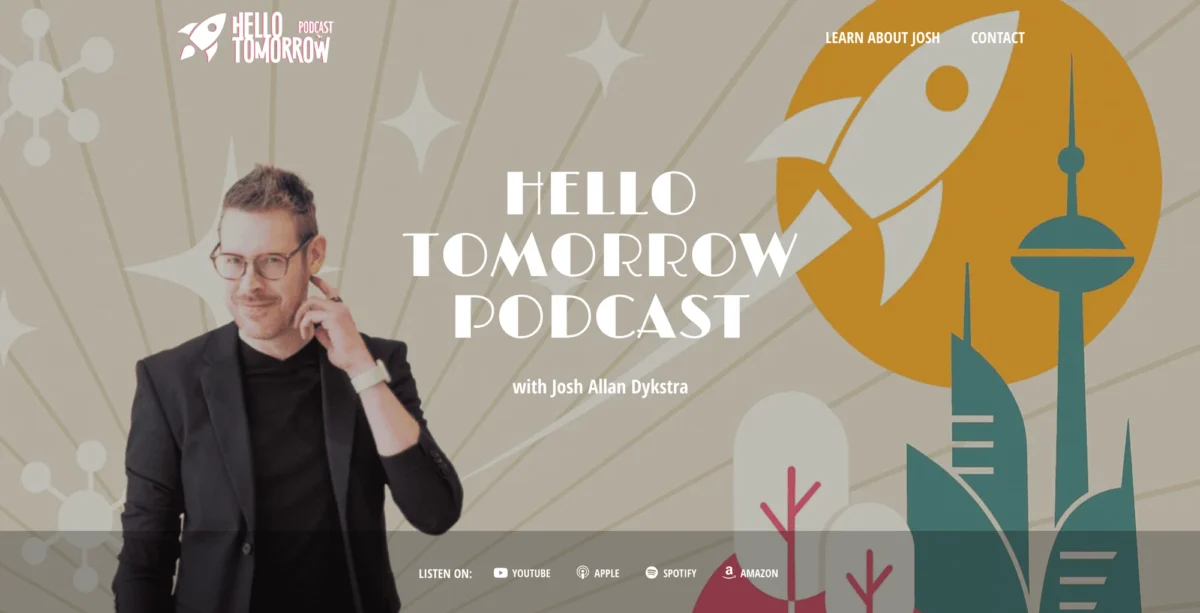
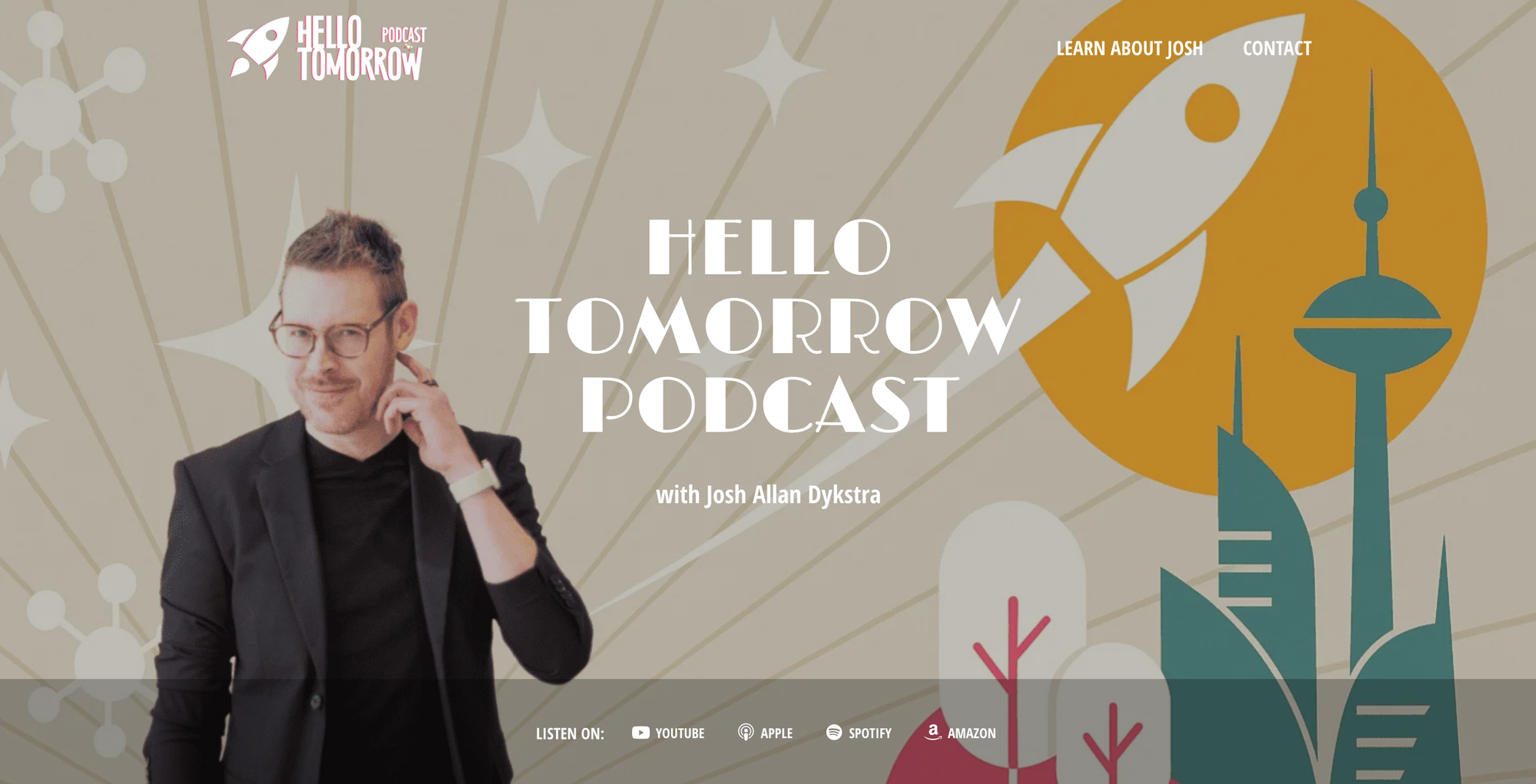
Dykstra’s professional trajectory bridges traditional corporate consulting, public speaking, and digital media production. Having advised major global entities including Microsoft, Amazon, CHANEL, and the State of Colorado, his overarching mission has consistently centered on addressing workplace inefficiencies under the banner of making work "not suck." His current professional endeavors are split across multiple high-impact channels: hosting the Substack-hosted podcast Hello Tomorrow, which examines global systemic influences on everyday life, and finalizing his second major publication, Work Will Kill Us All: An Optimist’s Guide To The Future.
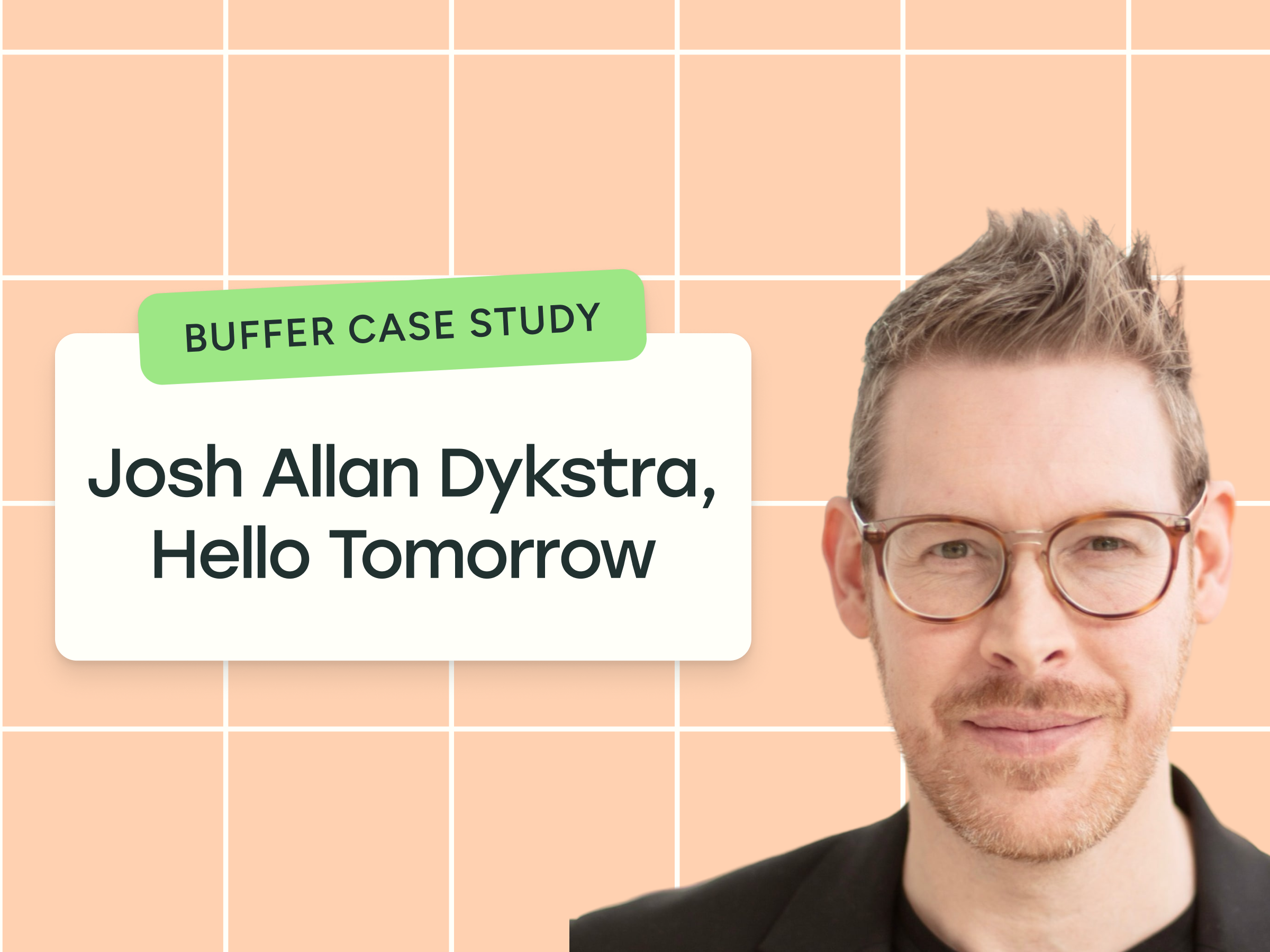
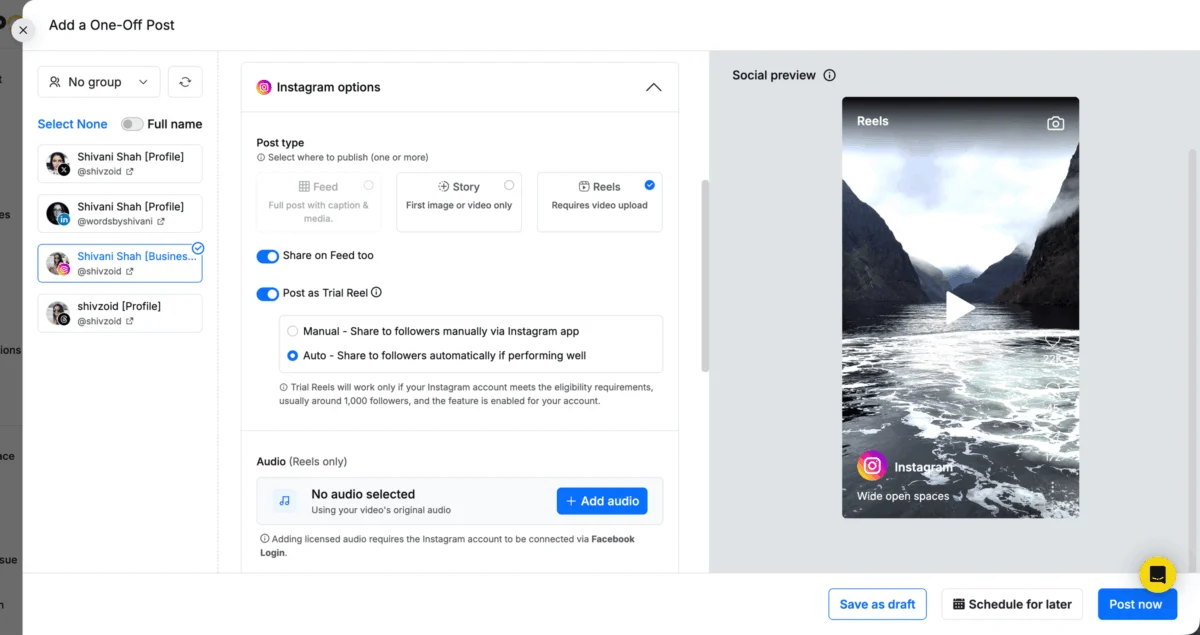
Managing this diverse portfolio of content requires a rigid organizational schedule. Dykstra maintains an active daily publishing cadence, releasing new material on every standard workday, occasionally publishing multiple times per day. Rather than operating in a reactive, real-time posting cycle, he employs a consolidated batching strategy. Once a month, Dykstra dedicates a single working day to produce, format, and schedule an entire month’s worth of content using the social media management platform Buffer. This centralized operational hub allows him to maintain a consistent digital presence without sacrificing the deep focus required for book writing and keynote preparation.
Chronology and Evolution of Content Strategy
Dykstra’s tenure in the digital content space spans more than two decades, beginning with text-based publishing in 2005. For the vast majority of his career, his output was strictly anchored in written prose, including essays, white papers, and long-form commentary. However, the media landscape’s sharp pivot toward multimedia formats necessitated a tactical pivot. Approximately one year prior to the publication of this report, Dykstra integrated short-form video production into his digital strategy—a significant departure from his traditional medium that introduced a steep learning curve.
This transition into short-form video coincided with the launch of his podcast and the drafting of his upcoming book. Maintaining consistent output across three distinct mediums—written books, audio podcasts, and visual social media videos—created operational bottlenecks. To mitigate the time drain associated with manual multi-platform uploading and formatting, Dykstra integrated social scheduling tools into his routine. While he utilized management software for channels like Instagram, X, LinkedIn, and TikTok, his podcasting channel on Substack remained a distinct operational island. Recently, however, Dykstra began experimenting with the platform’s cross-posting capabilities, bridging his visual assets directly into Substack Notes to test audience crossover and engagement dynamics.
Supporting Data and Analytics of Creator Growth
The quantitative results of Dykstra’s strategic workflow adjustments are demonstrable in his audience acquisition metrics. Most notably, his Instagram following experienced a dramatic expansion over a six-month window, surging from 500 followers to 20,000. While audience growth is fundamentally driven by content quality, message resonance, and platform algorithms, Dykstra attributes the sustainability of this growth directly to operational efficiency. By automating the dissemination process, he preserved hundreds of operational hours that were redirected toward core creative tasks.
Across his entire digital ecosystem, Dykstra commands a cumulative audience of nearly 48,000 individuals distributed across Instagram, X, LinkedIn, and TikTok. Instagram remains his largest single community hub at 20,000 followers, serving as a primary testing ground for visual summaries of his futurist philosophy. By utilizing native administrative features within his scheduling software—such as built-in image-cropping tools that eliminate the need to pivot between standalone editing applications—he successfully minimizes minor friction points that traditionally accumulate into significant time losses for independent creators.
The Integration of Substack Notes and Cross-Platform Testing
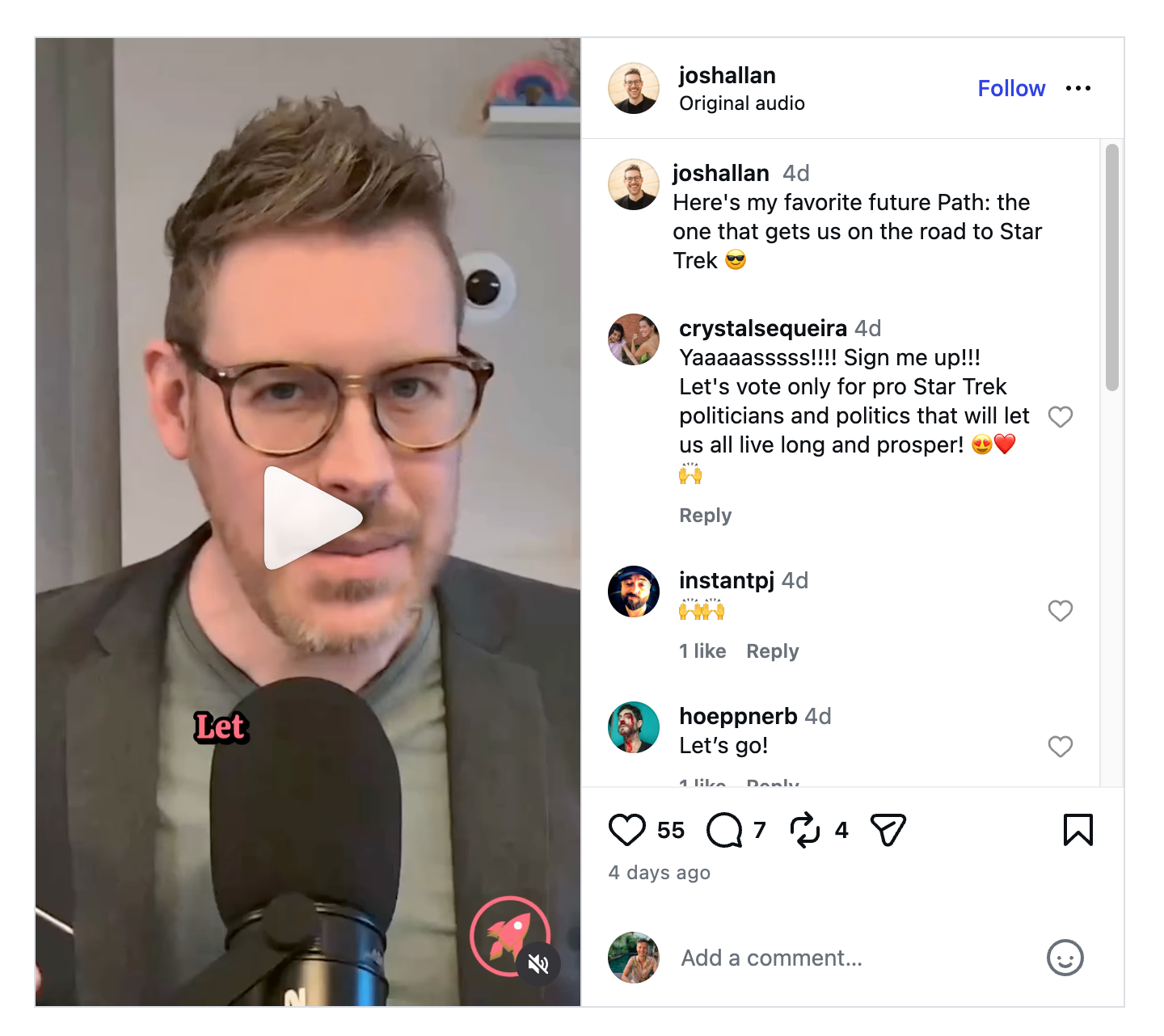
A critical recent development in Dykstra’s publishing methodology involves expanding his cross-platform distribution framework to include Substack Notes. Historically, publishing infrastructure on Substack operated in relative isolation from mainstream short-form social networks, requiring creators to manually duplicate text, image, and video assets across disparate ecosystems. With the introduction of native scheduling integrations for Substack Notes within multi-channel platforms like Buffer, creators can now queue their updates alongside traditional channels such as X, LinkedIn, Threads, and Bluesky.
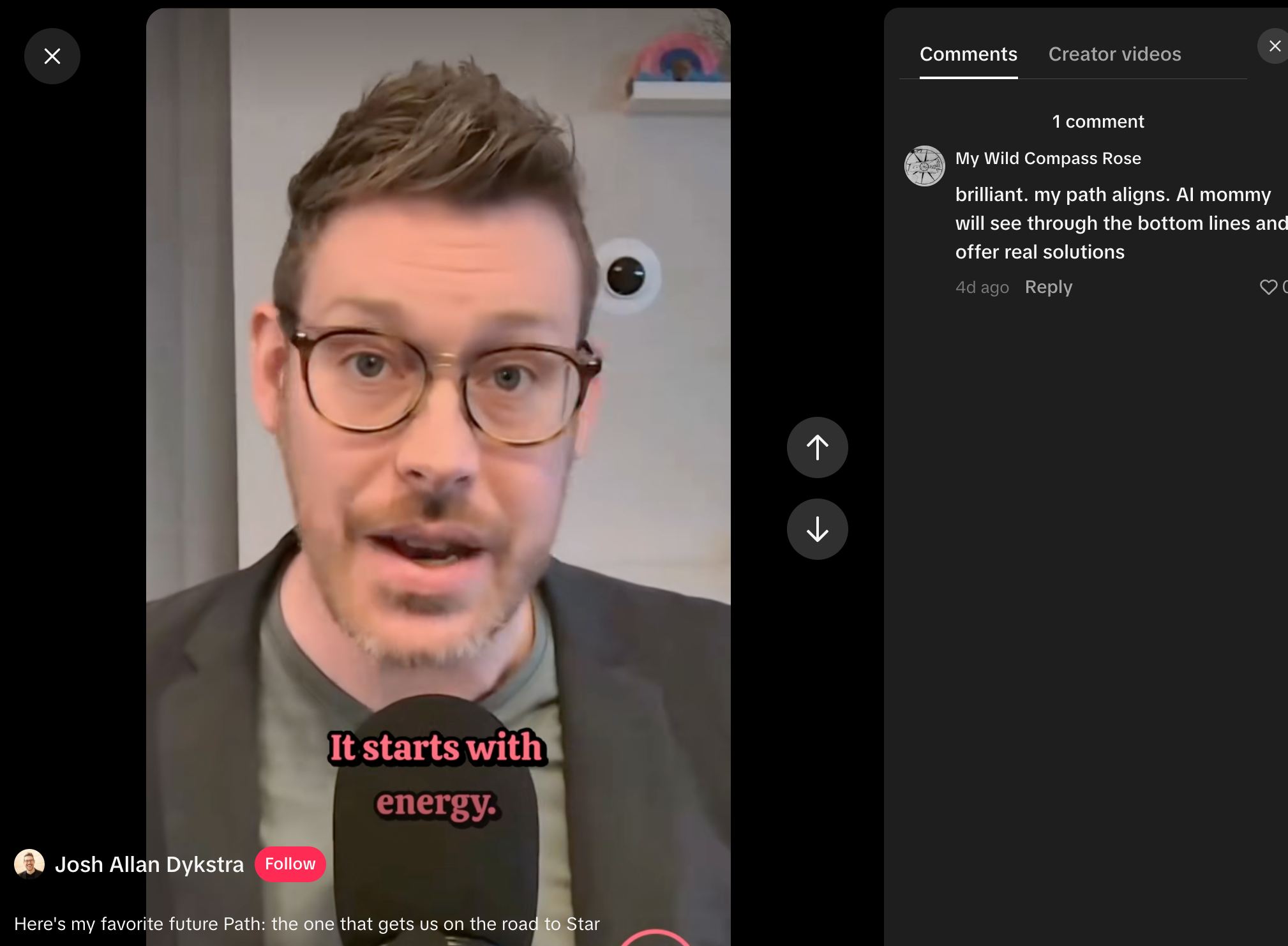
For Dykstra, this technical integration serves as an experimental framework rather than a routine broadcast measure. By cross-posting image and video assets originally produced for Instagram and TikTok directly into Substack Notes, he is actively evaluating whether his long-form readers share behavioral patterns and content consumption preferences with short-form social media users. The insights gleaned from this cross-channel experiment will ultimately dictate his promotional strategy for the autumn release of Work Will Kill Us All, ensuring that marketing efforts are tailored precisely to the distinct psychological profiles of each audience segment.
Broader Impact and Implications for the Creator Economy
Dykstra’s workflow reflects a broader, macro-level shift within the modern creator economy. As digital ecosystems fragment across an increasing number of rival platforms—ranging from legacy social networks to newsletter-centric communities like Substack—independent publishers, authors, and knowledge workers face severe risks of operational burnout. The demand for constant content generation frequently compromises the quality of deep intellectual work.
Industry analysts note that workflow automation and content batching are no longer optional luxuries for independent media producers; they are fundamental prerequisites for economic viability. By decoupling the act of content creation from the act of content distribution, creators can protect their cognitive bandwidth. Dykstra’s experience underscores this reality, demonstrating that time reclaimed through administrative automation directly fuels high-value creative output, such as long-form literary composition and intellectual synthesis.
Furthermore, the convergence of traditional newsletter platforms with short-form social feeds highlights the ongoing dismantling of walled gardens within digital publishing. As tools evolve to allow seamless cross-posting between decentralized networks and owned media channels, creators gain greater sovereignty over their audience relationships, reducing their vulnerability to algorithmic volatility on any single platform.
Conclusion and Strategic Outlook
As Josh Allan Dykstra prepares for the autumn release of his second book and continues his exploration of systemic global futures via his podcast, his operational model provides a blueprint for contemporary content creators. By marrying a disciplined monthly batching schedule with robust multi-channel distribution tools—and actively testing audience behavior across emerging channels like Substack Notes—he has established a sustainable framework for intellectual entrepreneurship. For independent professionals navigating the complexities of multi-platform publishing, Dykstra’s trajectory offers a clear lesson in the value of technological efficiency: when administrative friction is systematically eliminated, the creator is free to focus on the substantive ideas that drive audience engagement in the first place.