Ali Ikhwan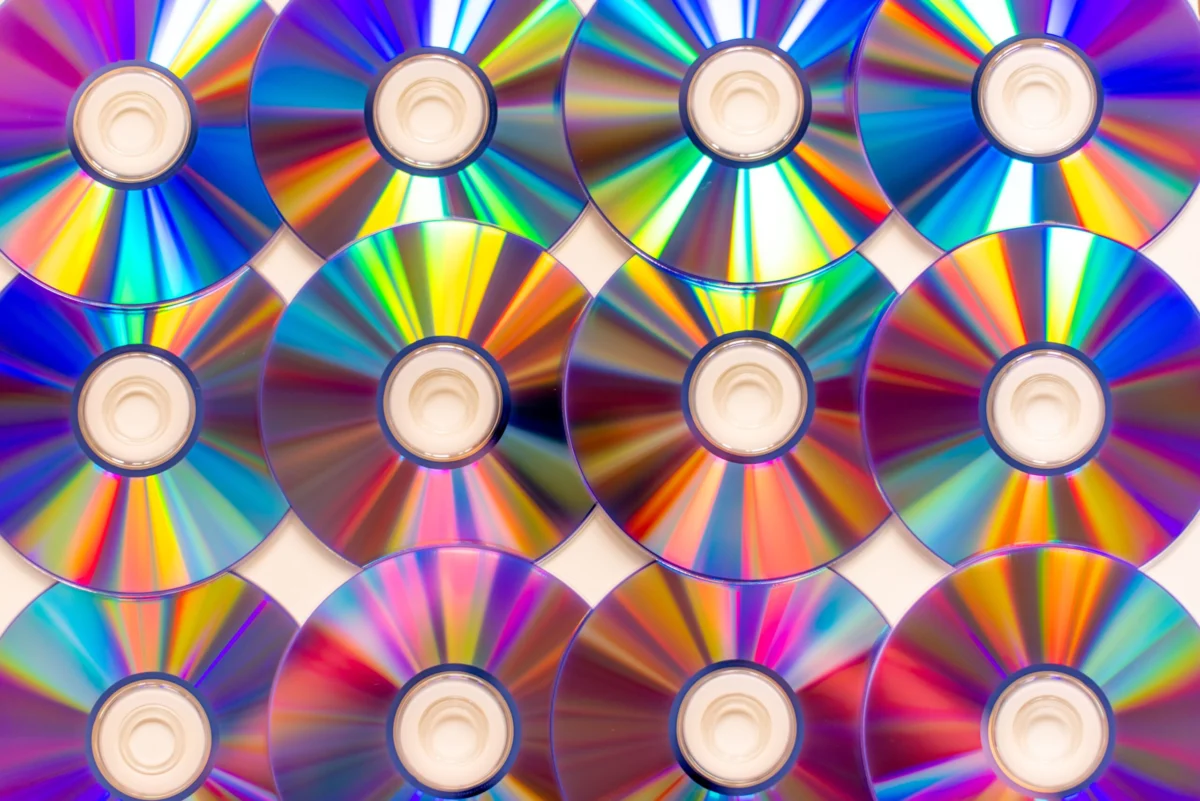
In 2009, the landscape of music consumption was firmly rooted in the physical realm. For a thirteen-year-old music enthusiast, the local big-box retailer served as the primary nexus for cultural engagement, offering rows of sealed jewel cases that represented the standard for high-fidelity audio. At that time, the compact disc (CD) remained the dominant force in the global music industry, with consumers routinely allocating significant portions of their discretionary income—often upward of $25—for deluxe albums and expansive box sets. However, the subsequent decade witnessed a seismic shift toward digital ubiquity. The rise of high-speed internet and the aggressive expansion of subscription-based streaming platforms transformed music from a tangible commodity into a transient, service-based utility. By the mid-2010s, the CD was widely perceived as a legacy format, relegated to the periphery of the market.
This narrative of obsolescence, however, has undergone a dramatic reversal. Recent industry data indicates that the format is not only stabilizing but experiencing a measurable surge in interest. In 2022, for the first time since 1987, vinyl records surpassed CDs in total units sold, yet this development did not mark the end of the disc. Instead, it triggered a bifurcated market movement where both analog and digital physical media began to appeal to distinct consumer demographics. As of 2026, the compact disc has found a new identity, fueled by the rising influence of K-pop, a growing disillusionment with the restrictive policies of streaming giants, and the practical needs of a generation increasingly wary of digital reliance.
A Chronology of the Decline and Return
To understand the current state of the CD, one must observe the trajectory of its market share over the last quarter-century. In the late 1990s and at the turn of the millennium, the CD industry reached its zenith. In 1999, global album shipments reached an staggering peak of over 900 million units in the United States alone. The format was the undisputed king of audio, serving as the backbone of a multibillion-dollar industry.
The introduction of legal digital downloads and, subsequently, the streaming model, dismantled this infrastructure. Between 2005 and 2015, the industry saw a precipitous decline in disc manufacturing and retail shelf space. By 2018, it appeared that the CD would follow the path of the cassette tape—a niche curiosity for collectors rather than a mainstream product. However, the period between 2023 and 2026 revealed a surprising trend: a consistent, year-over-year increase in unit sales. While the 16.3 million discs sold in the first half of 2026 represent only a fraction of the millennium-era volume, the growth metrics signal a shift in how consumers value ownership.
The Role of K-pop and Collectible Economics
A critical driver in this resurgence is the global explosion of K-pop. Groups such as BTS, Enhypen, and ATEEZ have fundamentally altered the economics of physical media. Unlike Western artists who have largely shifted to digital-only releases, the K-pop industry utilizes the CD as a high-value merchandise item. These releases often include elaborate packaging, collectible photocards, posters, and limited-edition ephemera, incentivizing fans to purchase multiple copies of the same album.
According to mid-year data from Luminate, the entertainment industry research firm, K-pop was the primary catalyst for a 16 percent year-to-date increase in CD sales. Crucially, the data suggests that even when K-pop is excluded from the calculation, the format still experienced a 6.7 percent organic growth. This implies that the "merch-ification" of the CD is not solely a K-pop phenomenon but a broader cultural pivot. Collectors now view the CD as a tangible artifact of their support for an artist, rather than merely a storage vessel for data.
Bridging the Gap: The Need for Playback Hardware
Despite the growth in sales, there exists a significant discrepancy between ownership and utility. Luminate’s research indicates that roughly 50 percent of Millennials and Gen-Zers who purchase CDs do not own a dedicated CD player. This trend suggests that for a large segment of the market, the CD is a trophy or a display piece.
For those seeking to bridge this gap, the marketplace has responded. While big-box retailers largely exited the audio hardware space, a new ecosystem of specialized retailers—such as Turntable Lab and Retrospekt—has emerged to cater to the demand for both vintage and new, high-fidelity CD players. Additionally, the proliferation of Blu-ray and DVD players, which remain backward-compatible with CD audio, has provided an accessible entry point for new collectors. However, it is noteworthy that contemporary gaming consoles, such as the PlayStation 4 and 5, have largely omitted CD-playback capabilities, a design decision that has historically complicated the integration of physical media into modern home theater setups.
Independent Retail and the "Hunt"
The resurgence has provided a much-needed lifeline for independent record stores. Unlike online marketplaces, which prioritize convenience and algorithms, brick-and-mortar shops offer a communal experience. Retailers like San Antonio’s Del Bravo Record Shop have reported a marked increase in demand for both new discs and portable playback devices.
"We have seen a 12.6 percent increase in CD sales so far this year," says Jessica Campa, a sales associate and social media manager at Del Bravo. "Personal CD players are flying off the shelves."
The value proposition for the consumer at these stores extends beyond the product itself. Many independent retailers leverage their relationships with labels to provide "value-add" items—autographed inserts, exclusive stickers, and posters—that are not available through major online retailers. This human-centric approach creates a competitive advantage that, for many fans, justifies the cost of a physical purchase.
Preservation and Technical Maintenance
As the hobby gains traction, the focus on preservation has become paramount. Long-term collectors are increasingly aware of "disc rot," a form of deterioration where the reflective layer of the CD—the portion that houses the data—begins to oxidize or break down due to humidity and poor storage conditions.
Experts advise that the longevity of a collection is directly tied to environmental controls. The ideal storage configuration remains vertical, mimicking the standards for vinyl records, to prevent warping and physical stress on the jewel case. Furthermore, the maintenance of the disc surface itself is essential. The introduction of microfiber cleaning cloths and specialized non-abrasive cleaning solutions has become a standard practice for enthusiasts who aim to keep their discs in pristine condition. The cardinal rule of disc maintenance remains: wipe from the center outward to minimize the impact of micro-scratches on the laser’s reading path.
Implications of the Physical Media Pivot
The broader implications of this trend point toward a "post-streaming" sentiment. As streaming platforms increase their subscription fees and arbitrarily alter their licensing agreements—often resulting in the removal of albums or the sudden lack of availability—consumers are beginning to see the value in owning their music. The concept of "on-demand" is being redefined; users are realizing that true ownership requires a physical, offline copy.
The rise of the CD is not a return to the past, but a maturation of the music market. It reflects a desire for permanence in an increasingly ephemeral digital environment. As fans utilize tools like Discogs to track their collections, verify pressings, and avoid counterfeit or damaged goods, the culture of collecting is becoming more sophisticated.
Ultimately, the compact disc has successfully carved out a space in the modern media landscape. Whether it is being played on a high-end stereo system, a portable player in a vintage car, or simply kept as a collectible on a shelf, the format offers a sense of stability that the digital cloud cannot replicate. The numbers, while modest compared to the peak of the late 90s, tell a story of resilience. The CD has survived the streaming onslaught, and in doing so, it has proven that the tactile experience of music remains a vital, irreplaceable aspect of the human experience. As long as artists continue to prioritize physical releases and consumers continue to seek deeper connections with their music, the compact disc will remain a fixture of the musical ecosystem for years to come.