The rapid evolution of creator economy platforms has placed an increasing emphasis on cross-platform visibility, audience retention, and consistent publishing schedules. For independent writers, journalists, and thought leaders utilizing Substack, the introduction of native scheduling capabilities for Notes marks a significant shift in workflow management. Coupled with official third-party API integrations—such as those offered by social media management tool Buffer—creators now have multiple pathways to streamline their content distribution. This development addresses a long-standing demand within the digital publishing community for automation tools that reduce friction, save time, and optimize audience engagement across multiple channels.

Background Context and the Evolution of Substack Notes
Launched initially as a long-form newsletter platform, Substack expanded its ecosystem with the introduction of Substack Notes, a micro-blogging feature designed to foster community interaction, discovery, and shorter-form discourse similar to X (formerly Twitter), Threads, and Bluesky. While long-form essays require deliberate pacing and strategic deployment, short-form micro-posts thrive on frequency and algorithmic momentum.
For months following the rollout of Notes, creators were limited to manual posting or reliance on unofficial browser extensions. This constraint posed significant challenges for high-volume publishers, organizations, and enterprise newsletters seeking to maintain a predictable daily cadence without manual intervention. Recognizing this operational bottleneck, Substack introduced native scheduling functionality on March 23, 2026, enabling users on web, iOS, and Android platforms to queue micro-posts up to three months in advance.
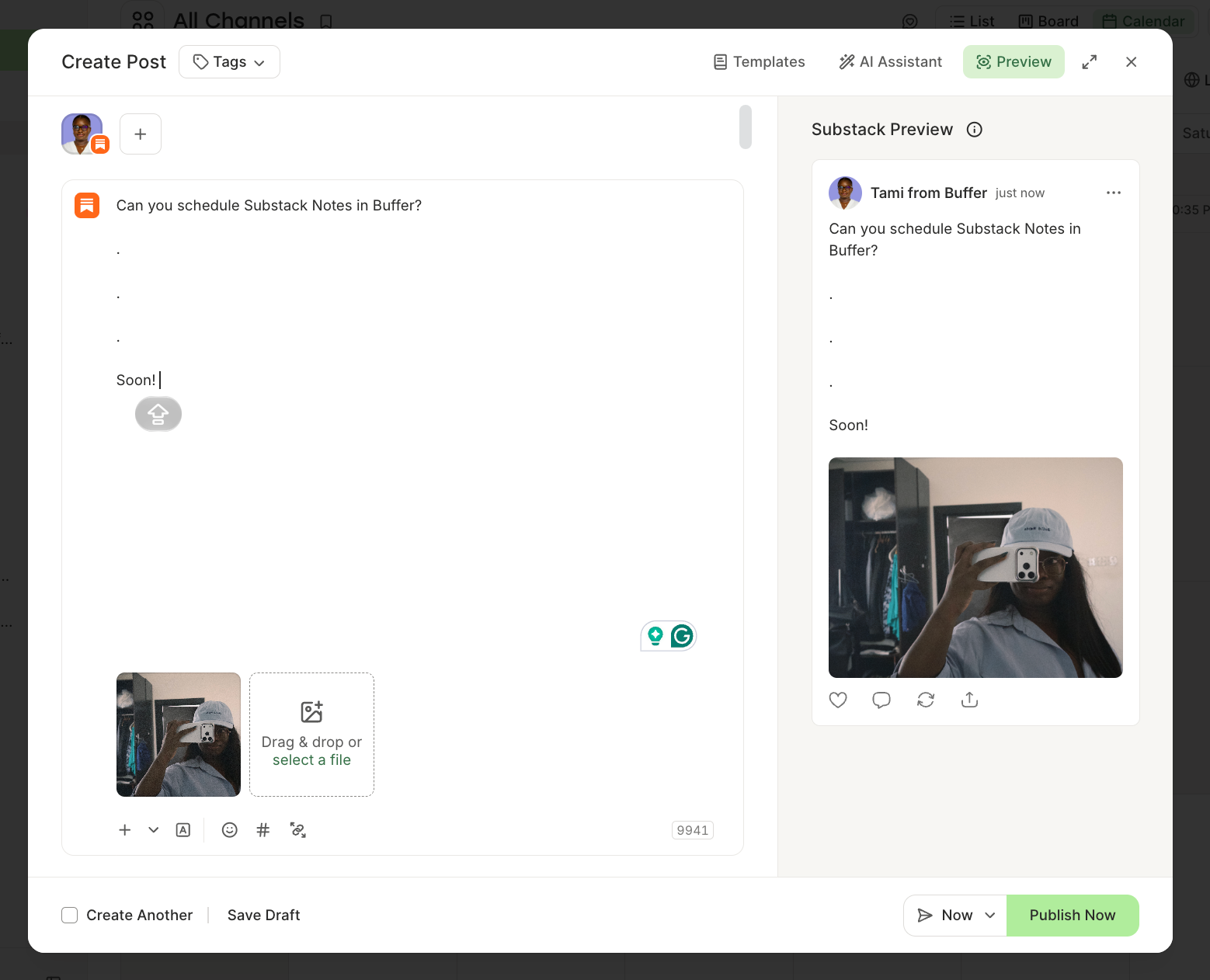
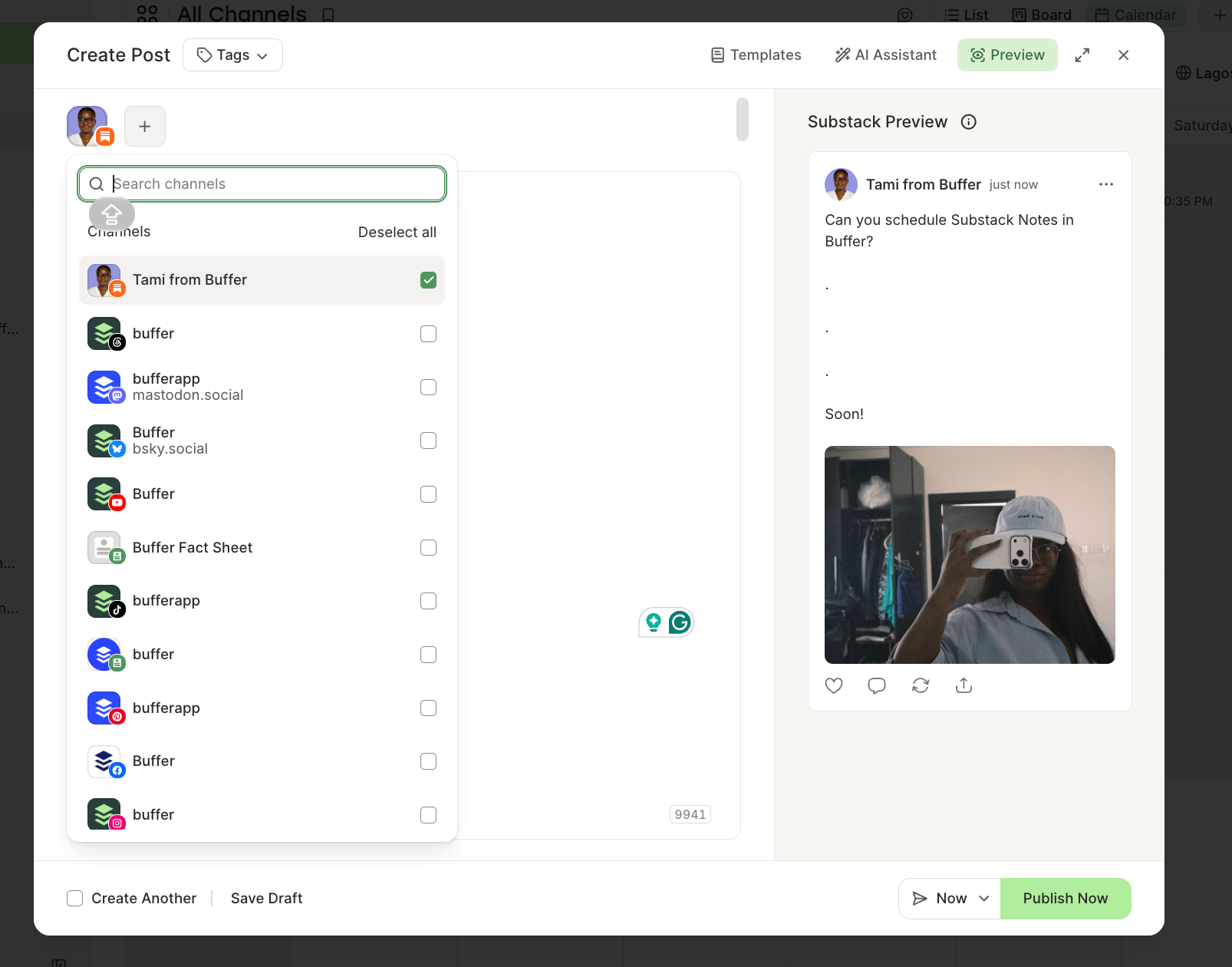
However, as editorial teams began integrating daily micro-publishing into their broader marketing strategies, limitations in native capabilities became apparent. The absence of a unified calendar interface, the inability to cross-post natively to external social networks, and restricted multi-channel analytics prompted technology providers to bridge the gap. Buffer’s official integration, built upon Substack’s authorized API, emerged as a prominent alternative, allowing creators to manage Substack Notes alongside LinkedIn, X, Threads, and Bluesky within a singular dashboard.
How the Native Substack Scheduler Operates
Substack’s built-in scheduling feature provides a straightforward, direct method for queueing content without the need for external software integrations. The functionality is available across web browsers and the official mobile applications for iOS and Android.
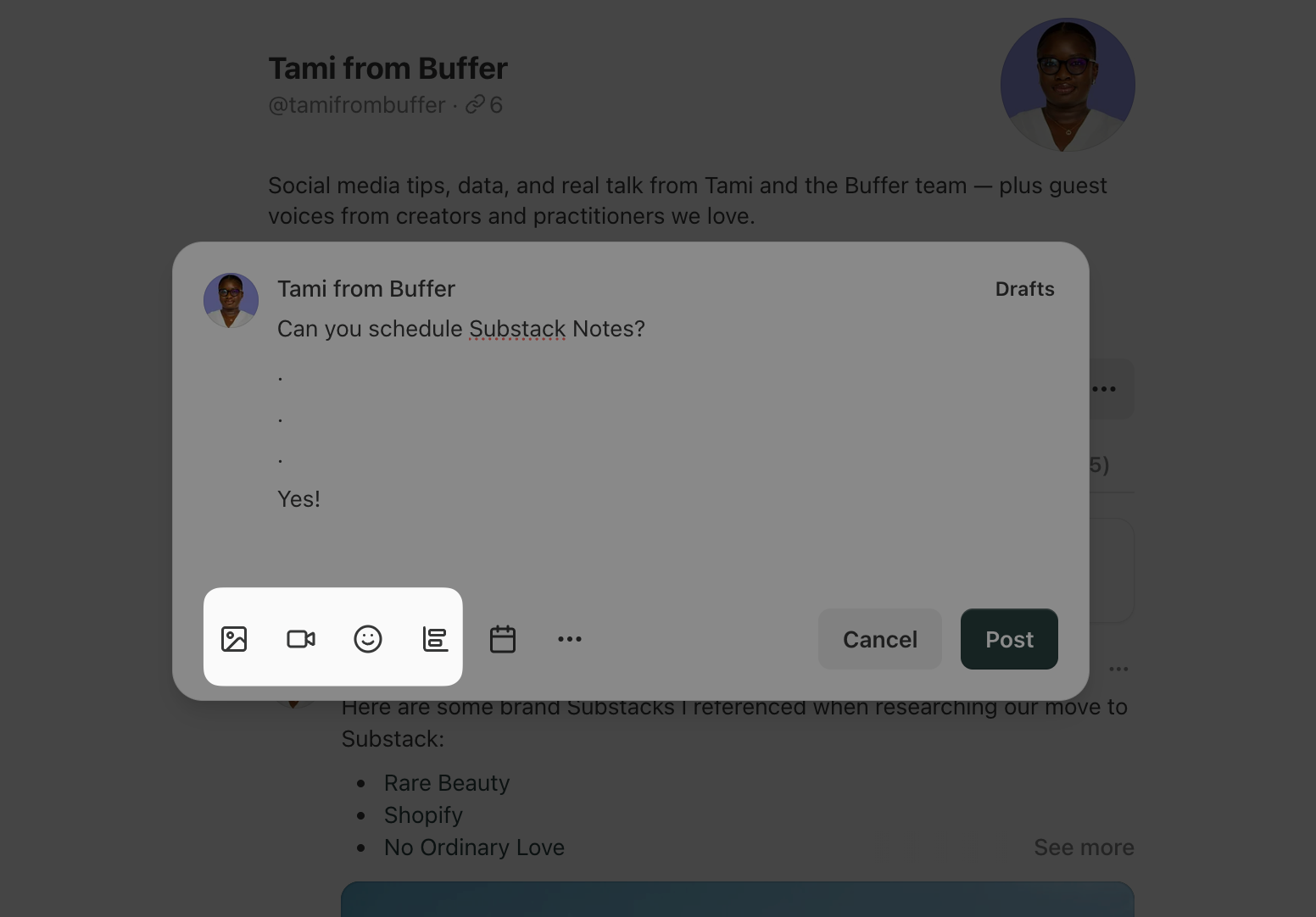
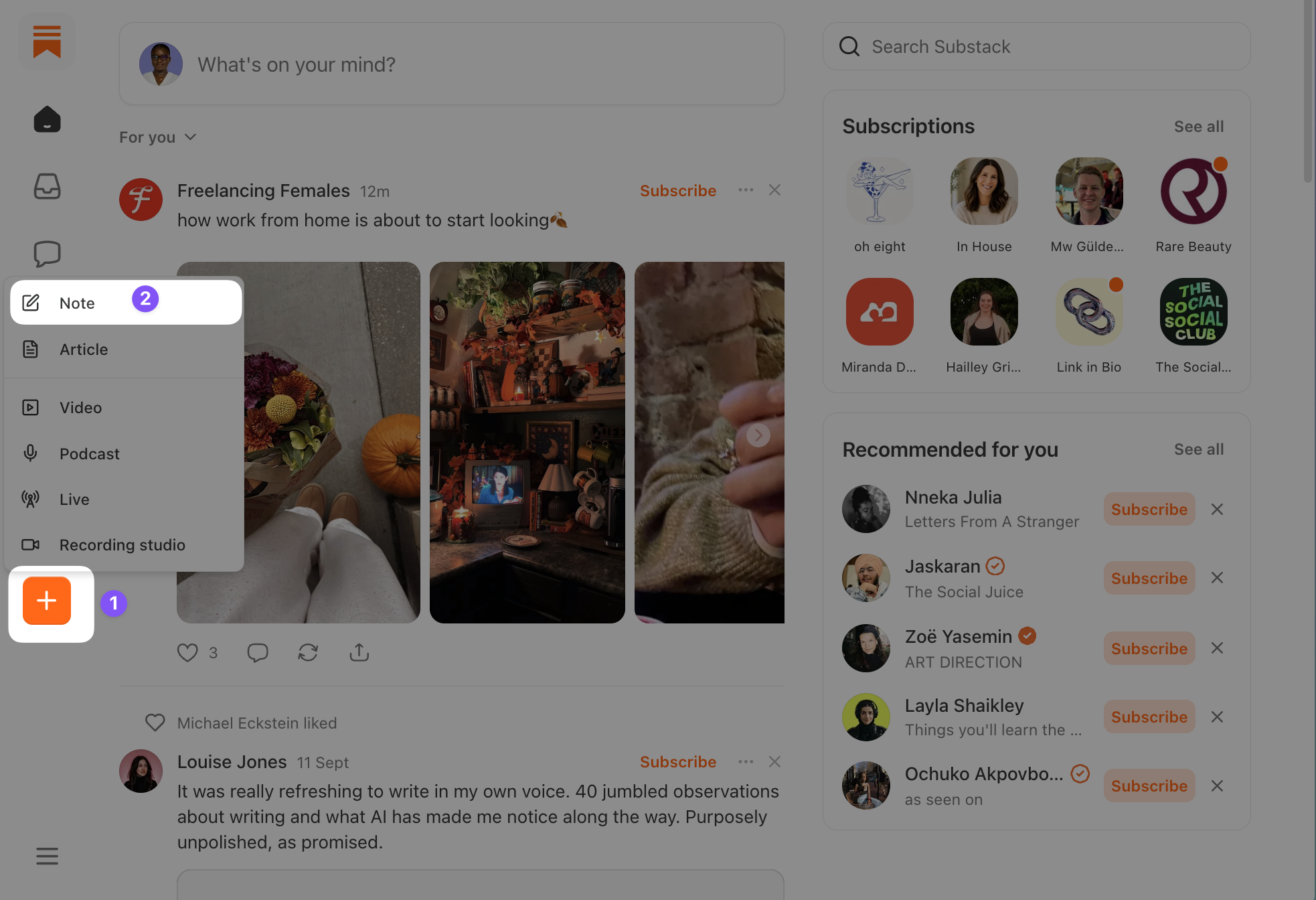
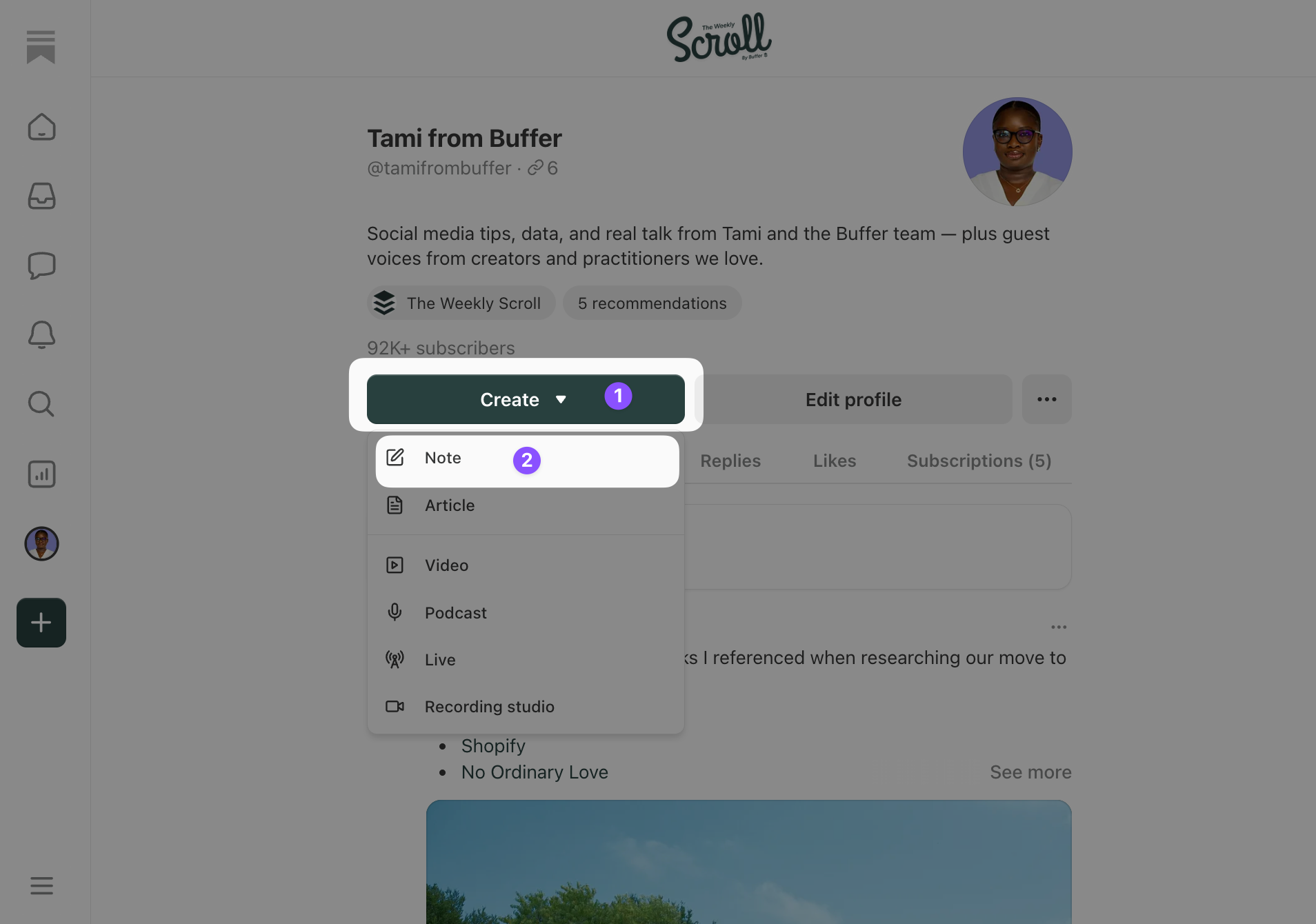
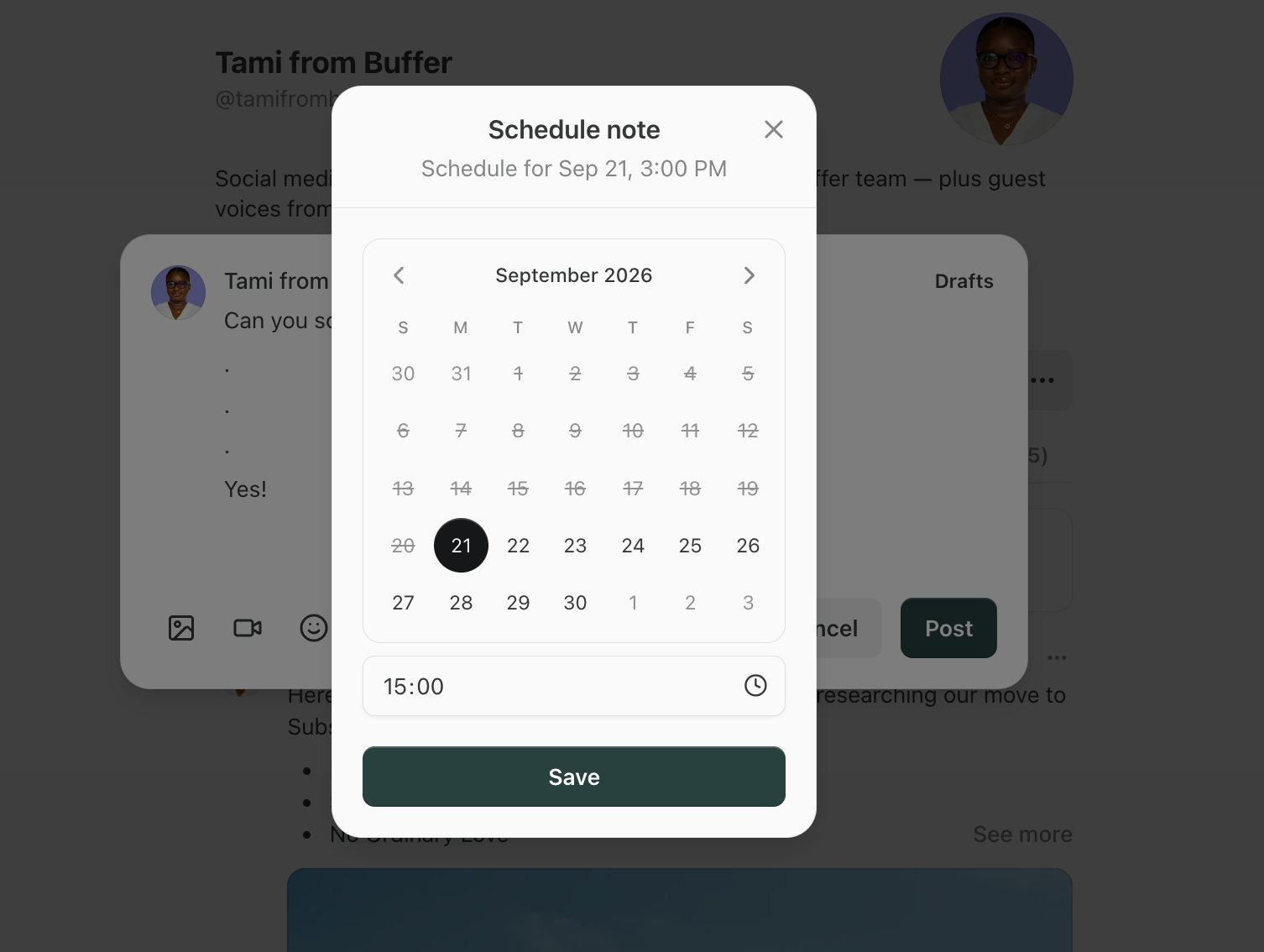
On desktop web browsers, creators initiate a Note by navigating to the designated creation pane, drafting the text, incorporating multimedia elements such as images or hyperlinks, and selecting the scheduling icon adjacent to the publish button. Users then select a specific date and time up to three months in advance, whereupon the item transitions into the publication’s Drafts folder with the designated release timestamp clearly displayed.
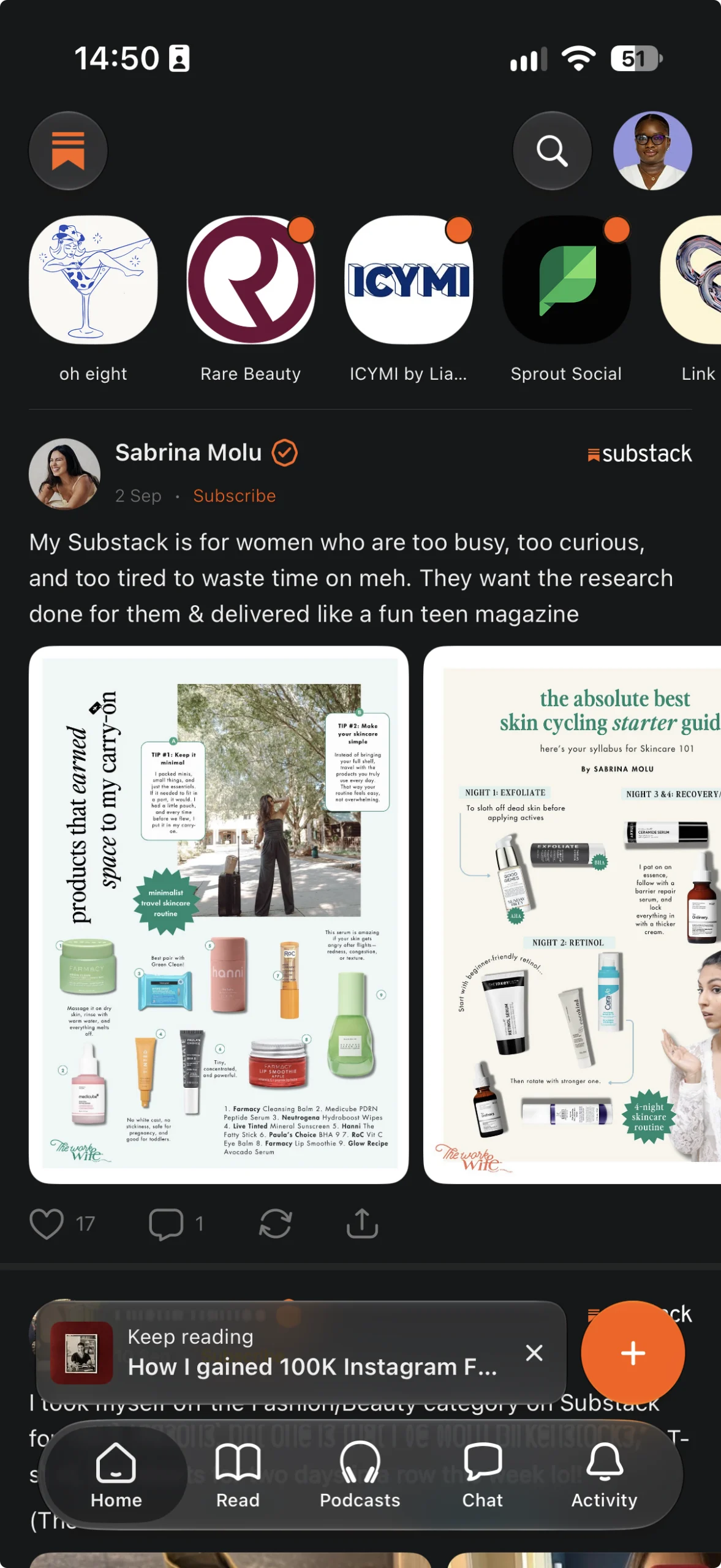
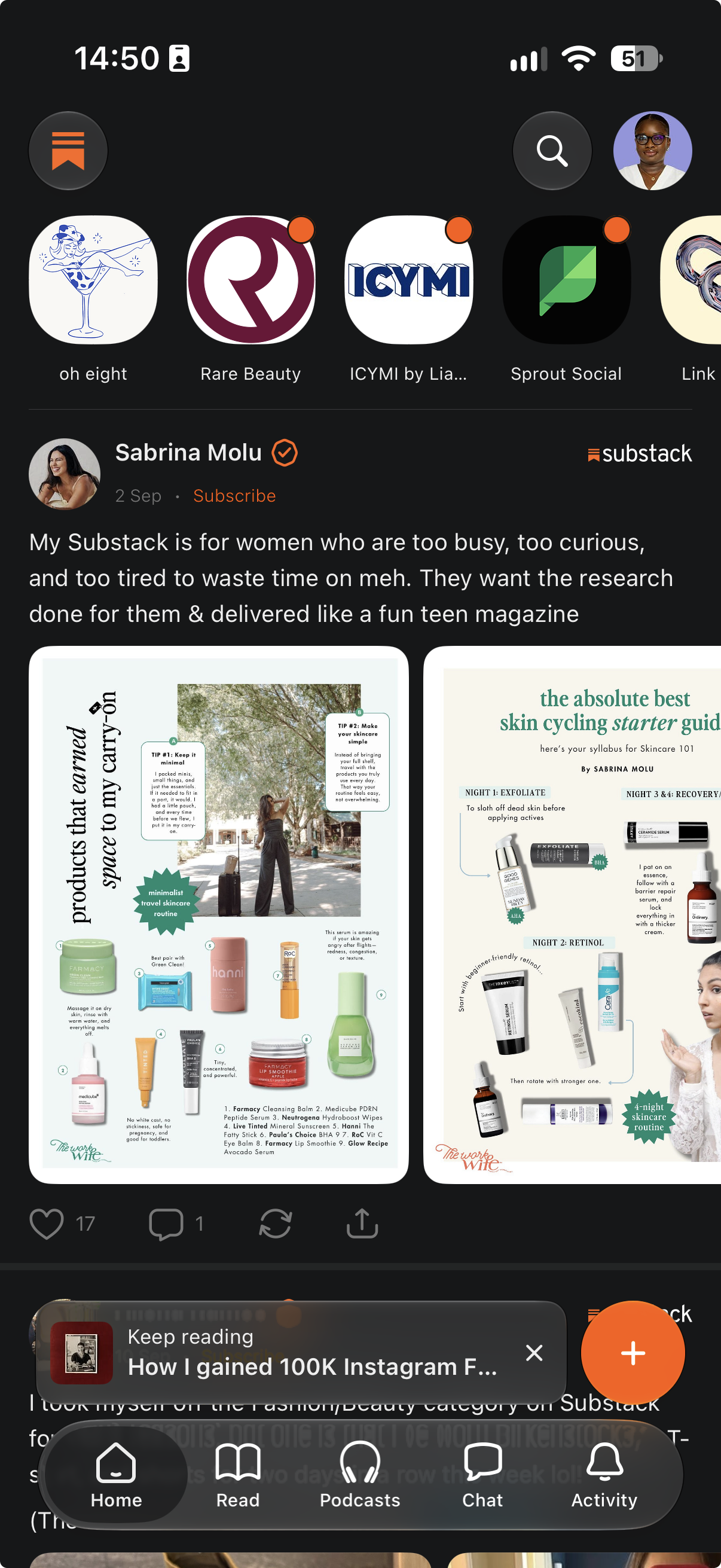
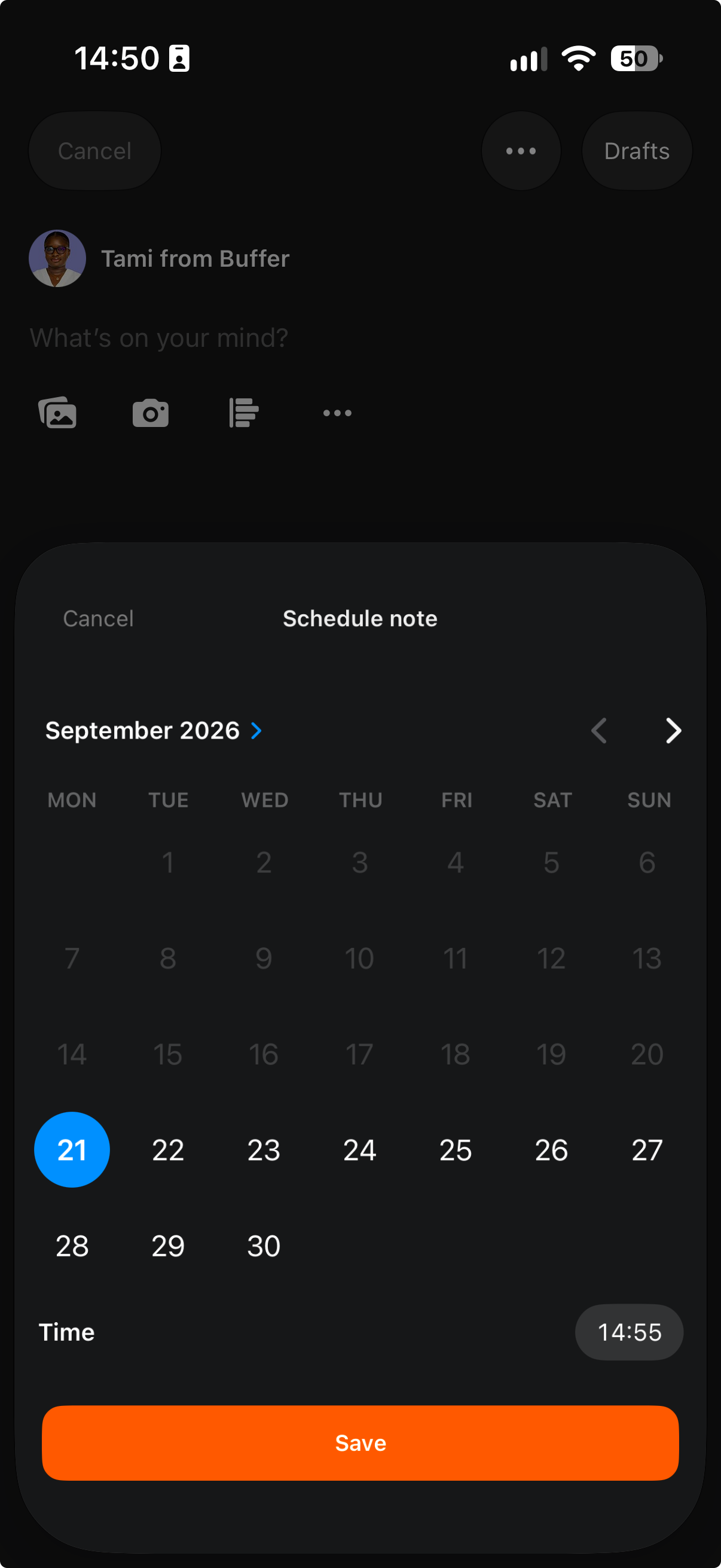
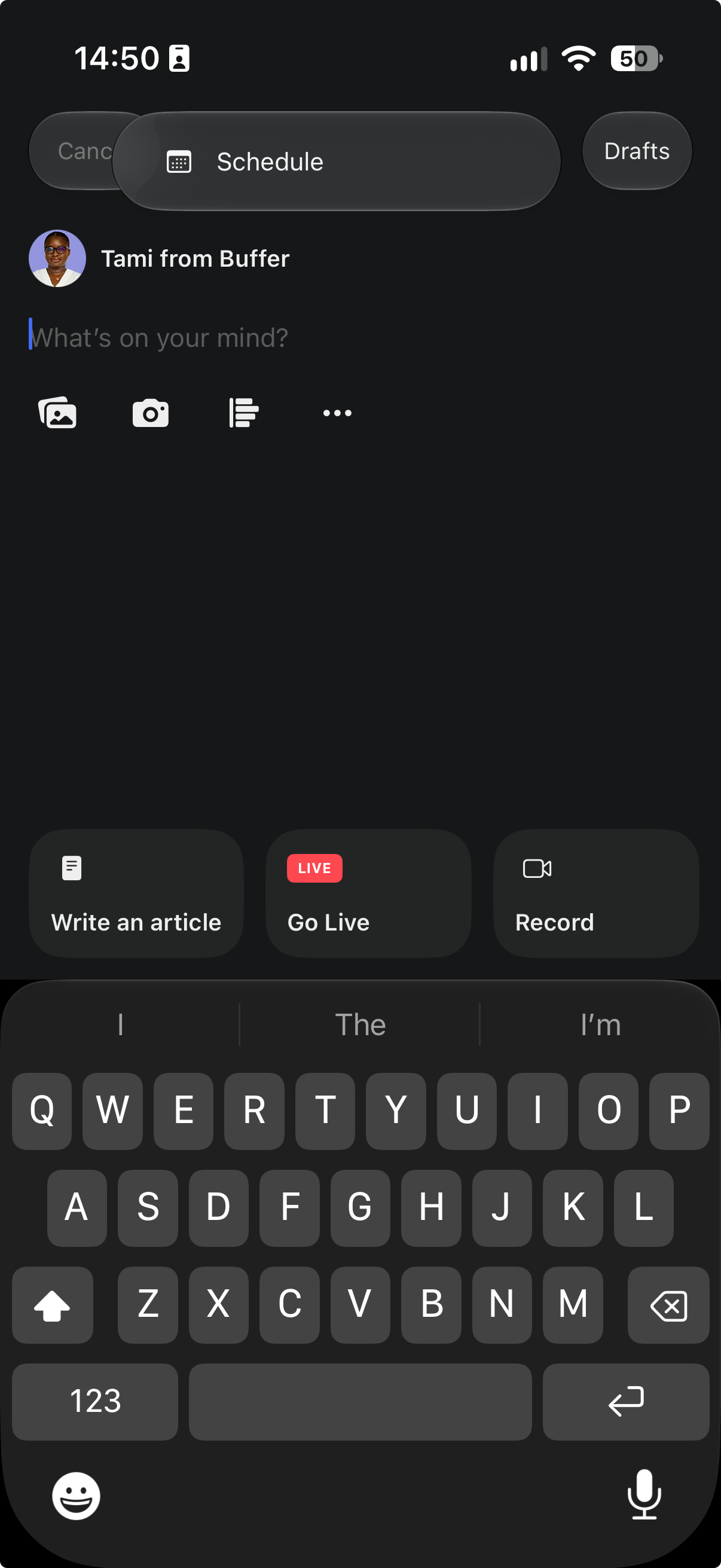
Within the mobile applications for iOS and Android, the procedure involves tapping the primary plus icon to generate a new post, accessing the contextual menu via the three-dot icon, and selecting the scheduling option. While functional, the native system confines all scheduled materials to a linear list view within the drafts repository, lacking a visual calendar grid that would otherwise assist in long-term editorial planning. Furthermore, native scheduling is restricted to a single post queue at a time, with no built-in mechanism for simultaneous cross-platform dissemination or advanced cohort tracking.
The Integration of Third-Party Tools: The Buffer Ecosystem
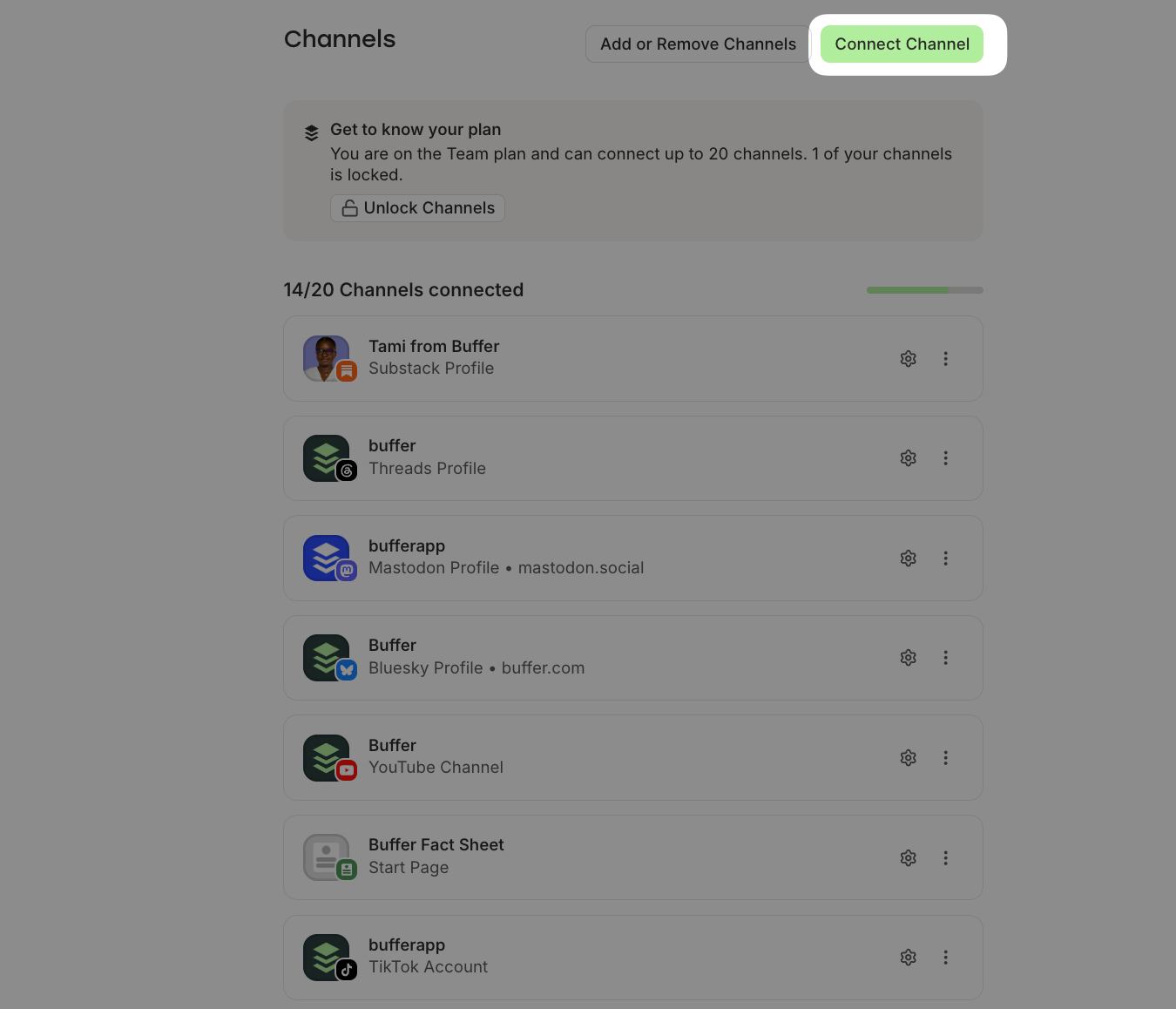
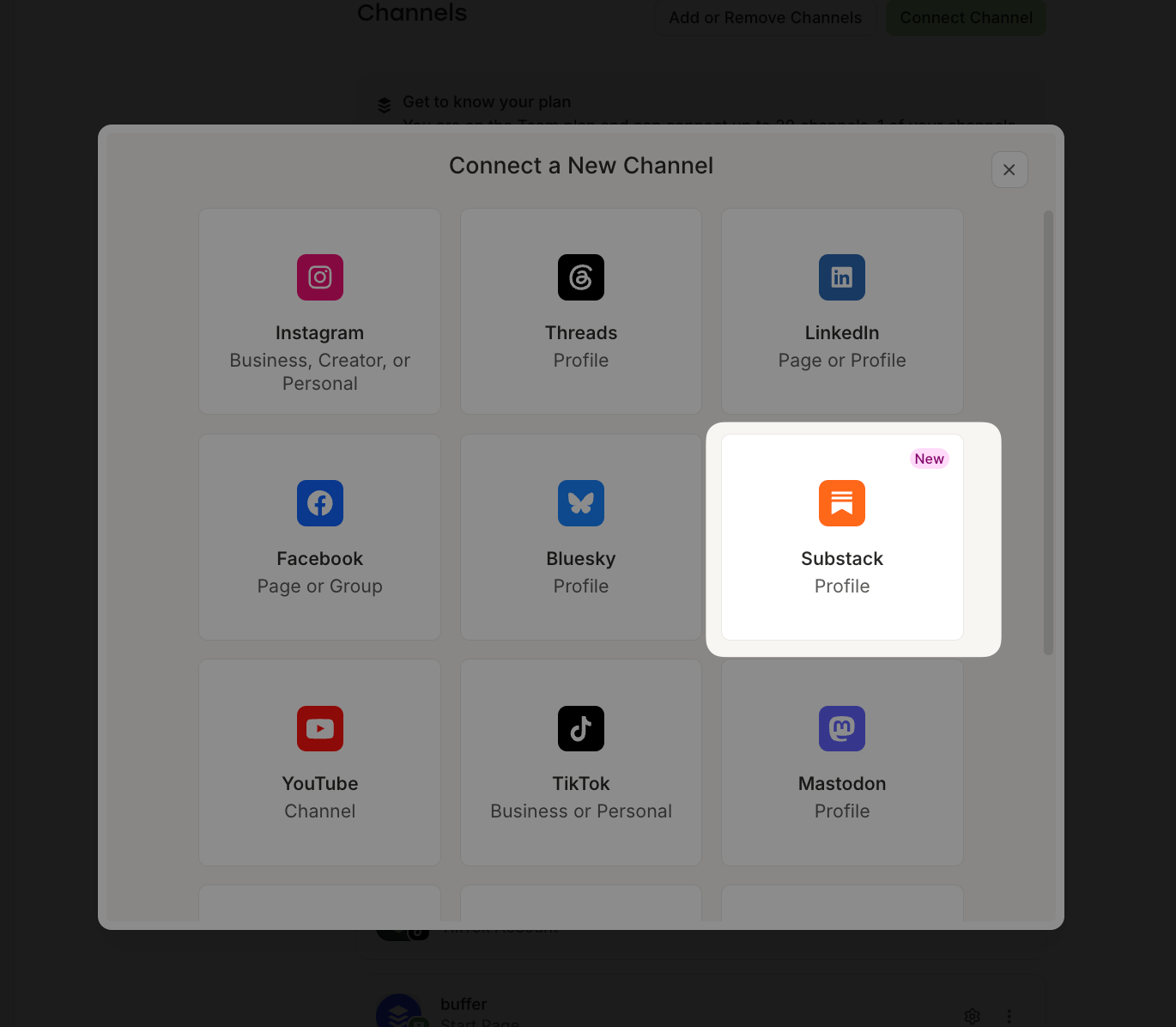
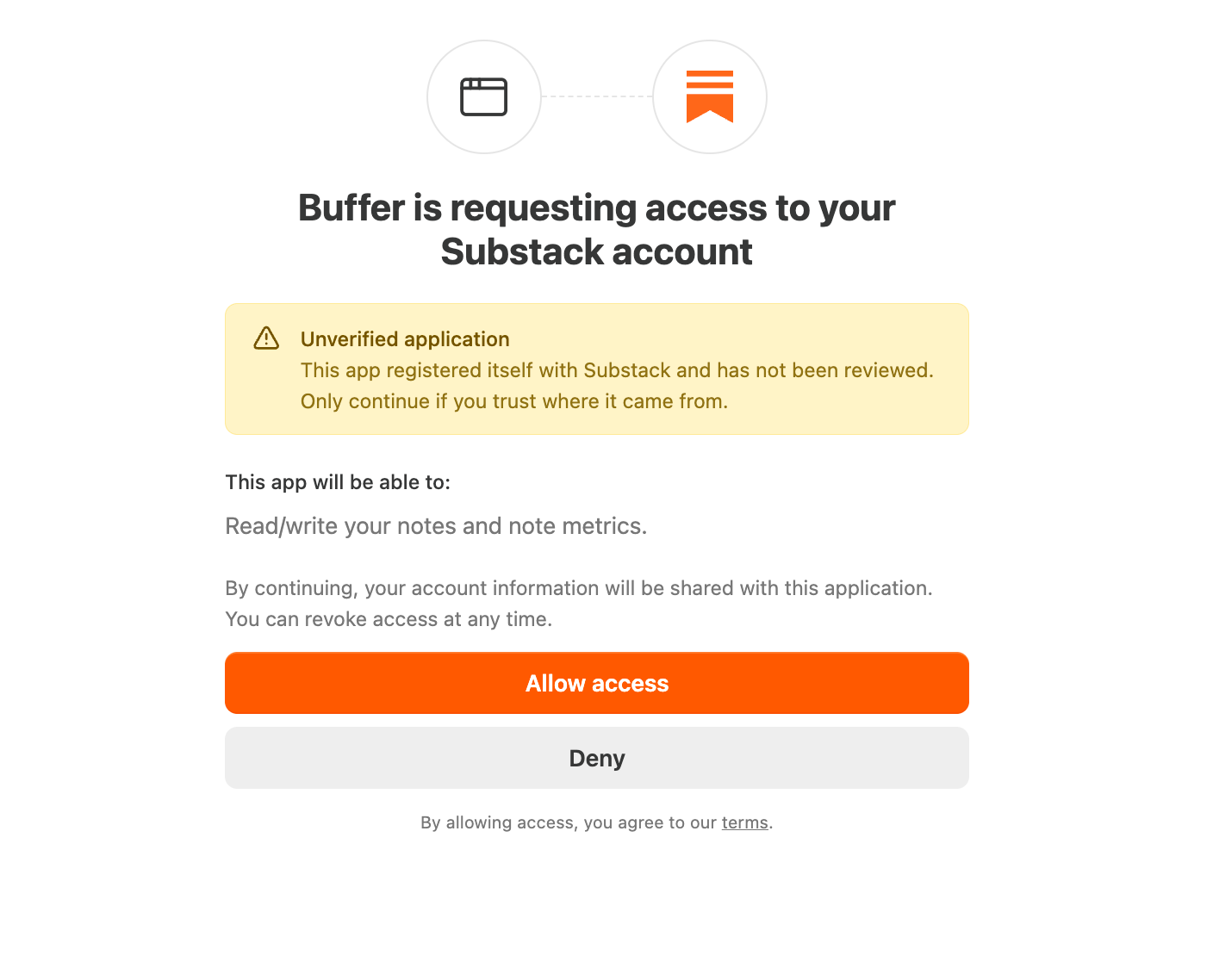
To address the limitations inherent in single-platform publishing, third-party applications have developed native integrations that treat Substack accounts as standard social channels. Buffer’s integration utilizes official API pathways, ensuring compliance with platform terms of service while expanding operational capabilities.
Once a Substack account is connected to a Buffer workspace, Notes populate the same unified calendar utilized for LinkedIn, Instagram, X, Threads, and Bluesky. This architecture enables creators to draft a piece of content once and distribute synchronized variations across multiple networks simultaneously. Unlike workflows that require manual reminders or final steps within the native application, third-party integrations execute scheduled posts automatically at the designated hour.
Beyond scheduling efficiency, third-party integration introduces granular analytics. While native Substack metrics are generally confined to immediate engagement indicators—such as likes, replies, and restacks—external dashboards track impressions, follower growth, and conversion metrics. Specifically, advanced analytics can quantify how many free and paid subscribers are directly attributed to individual Notes, providing publishers with actionable data regarding ROI and audience acquisition funnels.
Comparative Analysis: Native Scheduling Versus Third-Party Management
Choosing between Substack’s native scheduler and a third-party platform depends heavily on a creator’s publishing volume, strategic complexity, and multi-channel footprint.
| Feature | Substack Native Scheduler | Third-Party Integration (e.g., Buffer) |
|---|---|---|
| Cost | Free | Free tier available; paid tiers for advanced features |
| Calendar View | List-based (Drafts folder) | Visual drag-and-drop calendar grid |
| Cross-Posting | Substack only | Simultaneous cross-posting to LinkedIn, X, Bluesky, etc. |
| Scheduling Horizon | Up to three months | Unlimited (depending on plan) |
| Subscriber Attribution | Basic engagement metrics only | Detailed tracking of free and paid subscriber conversions |
| Multi-Publication Support | Dependent on active login session | Separate channel management for multiple publications |
For individual authors publishing one or two thought pieces a week, the native scheduler is generally sufficient. It requires no external account setup, remains entirely free, and integrates seamlessly into the native reading and writing environment. Conversely, organizations, media companies, and prolific independent creators managing daily publication schedules and synchronized social media campaigns benefit substantially from centralized calendar management and robust conversion tracking.
Best Practices for Daily Micro-Publishing
Publishing data compiled from various digital publications indicates that consistency is a primary driver of organic subscriber growth within the Substack ecosystem. Creators who adopt a high-frequency micro-publishing model—such as sharing one Note per day—often encounter distinct operational challenges that scheduling tools help mitigate.
- Batch Creation: Rather than composing micro-posts in real-time throughout the day, writers can dedicate specific blocks of time to draft an entire week’s worth of Notes. This batching method preserves deep-focus time and ensures a steady stream of content even during periods of heavy writing or reporting.
- Strategic Timing: While scheduled posts perform comparably to manual posts in terms of algorithmic reach, engagement is heavily influenced by author availability during the initial post-publication window. Creators are advised to schedule posts for times when they are available to monitor responses, reply to comments, and foster community interaction within the first hour.
- Content Diversification: Effective Notes often synthesize external commentary, brief excerpts from upcoming long-form newsletters, or standalone insights. Utilizing scheduling tools allows creators to balance promotional material with organic community engagement without overwhelming their audience feed.
Frequently Asked Questions Regarding Substack Scheduling
Is there a financial cost associated with scheduling Substack Notes?
Neither native scheduling nor basic third-party integrations require financial investment. Substack provides its scheduling tools at no cost to all platform users. Similarly, service providers like Buffer offer free tiers that accommodate basic multi-channel scheduling and limited analytics history, while premium tiers unlock unlimited scheduling and comprehensive reporting for professional publishers.
Can mobile devices be utilized to schedule content?
Yes. Both the native Substack mobile applications and third-party companion apps allow creators to draft, queue, and manage scheduled posts directly from smartphones and tablets.
Does scheduling impact algorithmic reach or audience engagement?
Empirical evidence indicates that scheduled Notes perform identically to those published manually. Readers cannot discern whether a post was queued in advance or submitted in real time. The primary variable governing performance remains the relevance of the content and the author’s active engagement with respondents following publication.
Are there restrictions on content formats within scheduled posts?
Both native and integrated workflows support standard text formatting, hyperlink integration, image attachments, and video content within scheduled Notes. However, neither system currently supports the automated scheduling of restacks, quote-restacks, or replies to other users’ content.
Implications for the Creator Economy
The mainstream adoption of scheduling infrastructure for micro-publishing platforms highlights the maturation of the independent publishing sector. As newsletters increasingly function as media enterprises rather than simple digital correspondences, the operational demands placed on creators mirror those of traditional publishing houses.
The integration of scheduling APIs reduces administrative friction, allowing creators to allocate more time to high-value editorial work, investigative reporting, and direct subscriber engagement. Furthermore, advanced attribution metrics empower independent journalists and niche publishers to evaluate the financial efficacy of their social distribution efforts with unprecedented precision. As platforms continue to refine these interoperable systems, the boundary between long-form journalism and short-form community discovery will likely continue to blur, offering new growth vectors for digital creators worldwide.