Indra Kusuma
The intersection of professional acting and residential interior design has long been a subject of fascination, but for Saturday Night Live performer Chloe Fineman, the two disciplines are inextricably linked. In a recent appearance on the California Closets podcast Ideas of Order, hosted by designer Jeremiah Brent, Fineman explored how her upbringing in a creative, art-centric household in the Bay Area has shaped her current approach to home curation. The episode, produced by the SANDOW Design Group for the SURROUND Podcast Network, highlights the psychological components of home design and how living in contrasting environments—New York City and California—influences the aesthetic identity of high-profile creatives.
A Foundation Built on French Flair and Antiquing
Chloe Fineman’s affinity for interior design is not a recent development; it is a byproduct of a childhood spent in an environment that prioritized artistic expression. Her early experiences with home aesthetics began when her parents enlisted the services of interior decorator Steven Shubel. The project introduced a young Fineman to the principles of French-inspired design, characterized by intricate gold leaf detailing and a monochromatic, high-contrast palette of black and white.
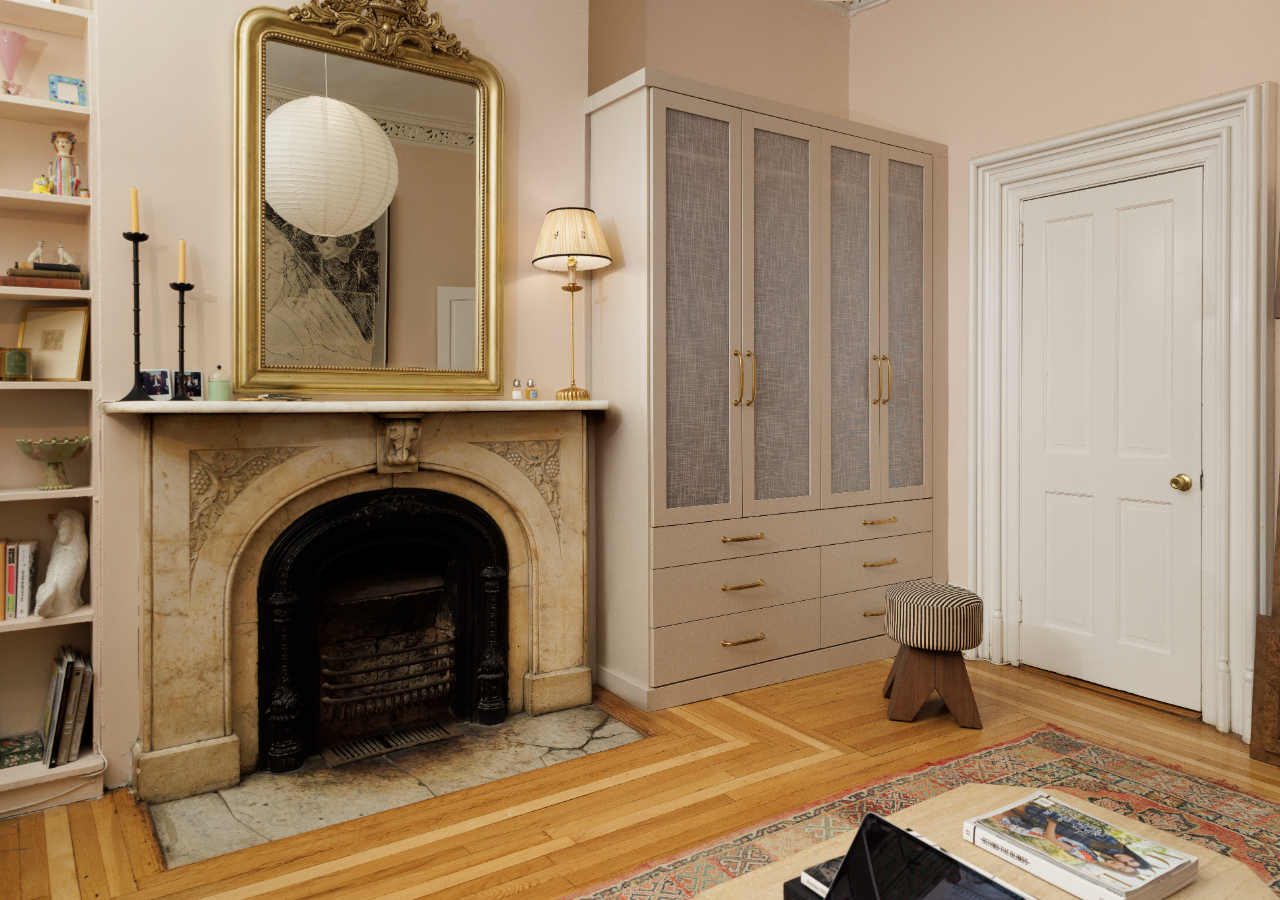
This exposure provided more than just a visual education; it established a lifelong appreciation for the "love of beauty." Fineman recalls the regular weekend excursions her family took to antique stores, a ritual that taught her to value craftsmanship and historical narrative in furniture. This period of her life served as the foundation for her creative development, which continued through years of intensive artistic training, including summers at art camps and a childhood filled with performative activities such as dance and theater. Fineman has often likened her family’s dynamic to the eclectic, highly stylized world of Wes Anderson’s 2001 film The Royal Tenenbaums, noting that her childhood home often felt like a meticulously curated film set.
Chronology of a Creative Evolution
To understand Fineman’s current design perspective, one must examine the progression of her career and living arrangements:
- Early Childhood: Exposure to professional interior design under the guidance of Steven Shubel; development of a foundational appreciation for French classical aesthetics.
- Adolescence: Active participation in the arts, including visual arts and dance, cementing her identity as a creative performer.
- Early Adulthood (Silver Lake, CA): Establishing an independent living space that functioned as an extension of her creative process, with friends and peers noting the "set-like" quality of her décor.
- Career Integration (New York City): Transitioning to life as a performer on Saturday Night Live, which necessitated a shift in living philosophy to accommodate the frantic, "dare-like" pace of Manhattan.
- Current Phase (Bicoastal Living): Harmonizing the "fanciful" nature of her California roots with the bold, magnetic energy of New York City in her current residential spaces.
The Psychology of Space: New York vs. California
During her conversation with Jeremiah Brent, Fineman articulated the tension between her two primary residences. Her description of New York City reflects the common sentiment held by many in the creative arts: the city is a challenge that demands total commitment. Referencing a comment made by fellow performer Colman Domingo during a hosting stint on SNL, Fineman characterized New York living as "living on a dare." The logistical hardships of the city—ranging from pest control issues to the necessity of waiting in long queues—are, in her view, part of the city’s magnetic pull.
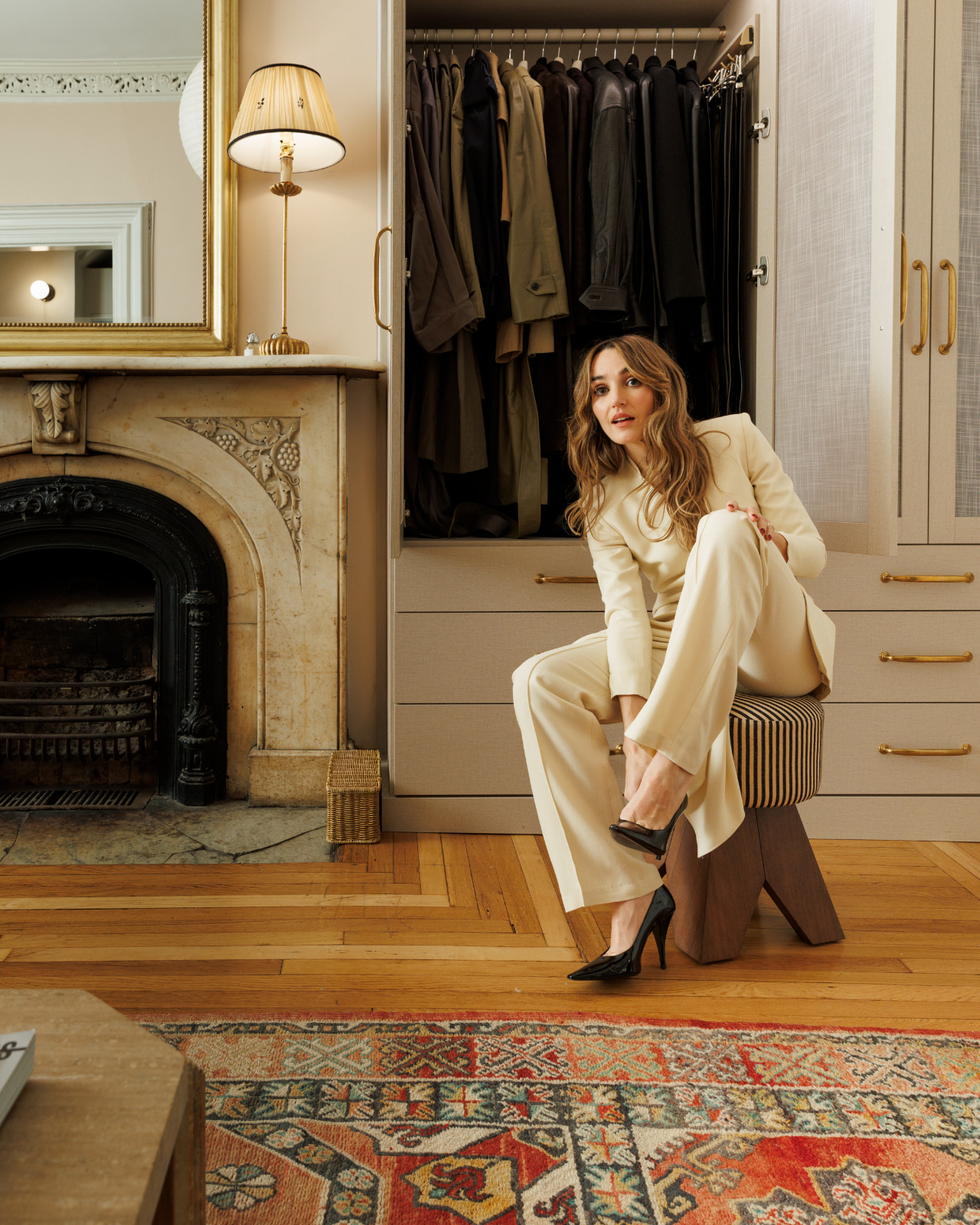
In contrast, her perspective on California is one of reprieve and serenity. The "California girl" archetype that she embodies is characterized by a slower, more intentional pace of life. Fineman suggests that her design sense currently thrives on the tension between these two poles. She argues that the most sophisticated environments are those that successfully merge "fanciful" elements with a "laid-back" atmosphere. This bicoastal approach is not merely a logistical necessity but a deliberate strategy to ensure that her living spaces remain as inspiring and character-driven as the film sets she works on professionally.
Supporting Data and Industry Context
The discussion on Ideas of Order reflects a broader industry trend regarding the "emotional intelligence" of home design. According to recent market analysis from the American Society of Interior Designers (ASID), there has been a 15% increase in consumer interest regarding how living environments impact mental well-being and productivity since 2020. Fineman’s experience is emblematic of a generation of professionals who treat their homes not merely as functional living spaces, but as extensions of their professional brand and psychological comfort.
Furthermore, the rise of branded podcasts like Ideas of Order represents a significant shift in marketing strategy within the design industry. By partnering with figures like Chloe Fineman, brands such as California Closets are moving away from traditional advertising and toward "content-as-service" models. These platforms allow brands to align themselves with the lifestyle aspirations of their target demographic, moving beyond mere product placement to foster a dialogue about the philosophy of home.
Official Responses and Analytical Implications
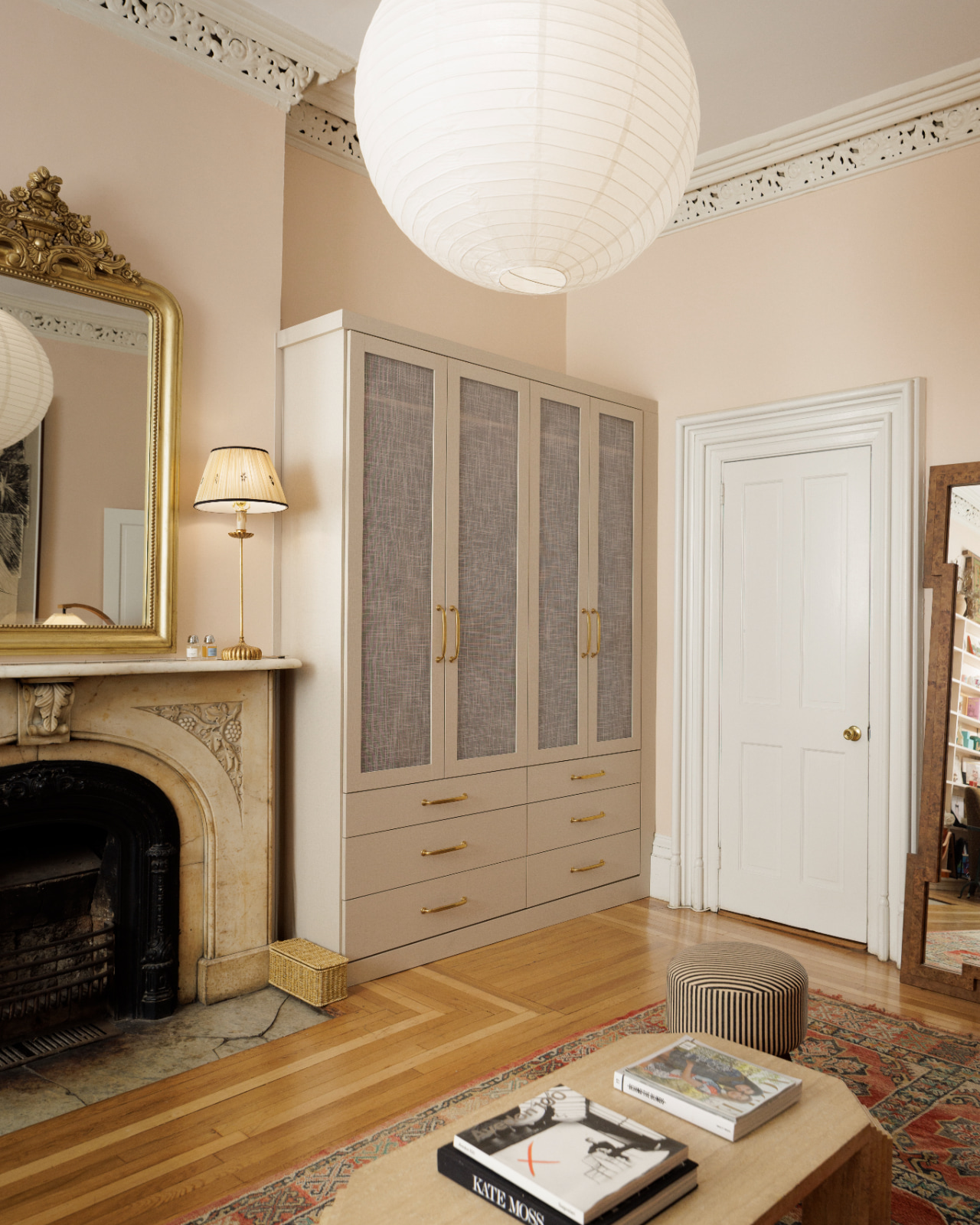
Jeremiah Brent, who serves as the bridge between the design industry and the public, has noted that guests like Fineman provide a unique vantage point on how "order" contributes to creativity. The implication of their discussion is that organizational systems—such as those provided by custom closet and storage companies—act as a "frame" for the art of living. When a home is orderly, the occupant is freed to engage in the chaotic, high-energy work of creative performance.
From an analytical standpoint, Fineman’s comments suggest that the "film set" aesthetic is a recurring desire for those in the entertainment industry. The psychological need to feel that one is living in a curated, visually stimulating environment can be seen as a way of maintaining agency in a life that is otherwise dictated by the schedules and demands of film and television production.
The Broader Impact of Narrative-Driven Design
The dialogue between Fineman and Brent serves as a case study for how personal identity influences residential architecture and interior design. By viewing her home through the lens of a movie set, Fineman demonstrates that interior design is a form of storytelling. Whether it is the inclusion of specific textiles, the arrangement of antique finds, or the integration of modern, custom storage solutions, every choice reflects a piece of her history.
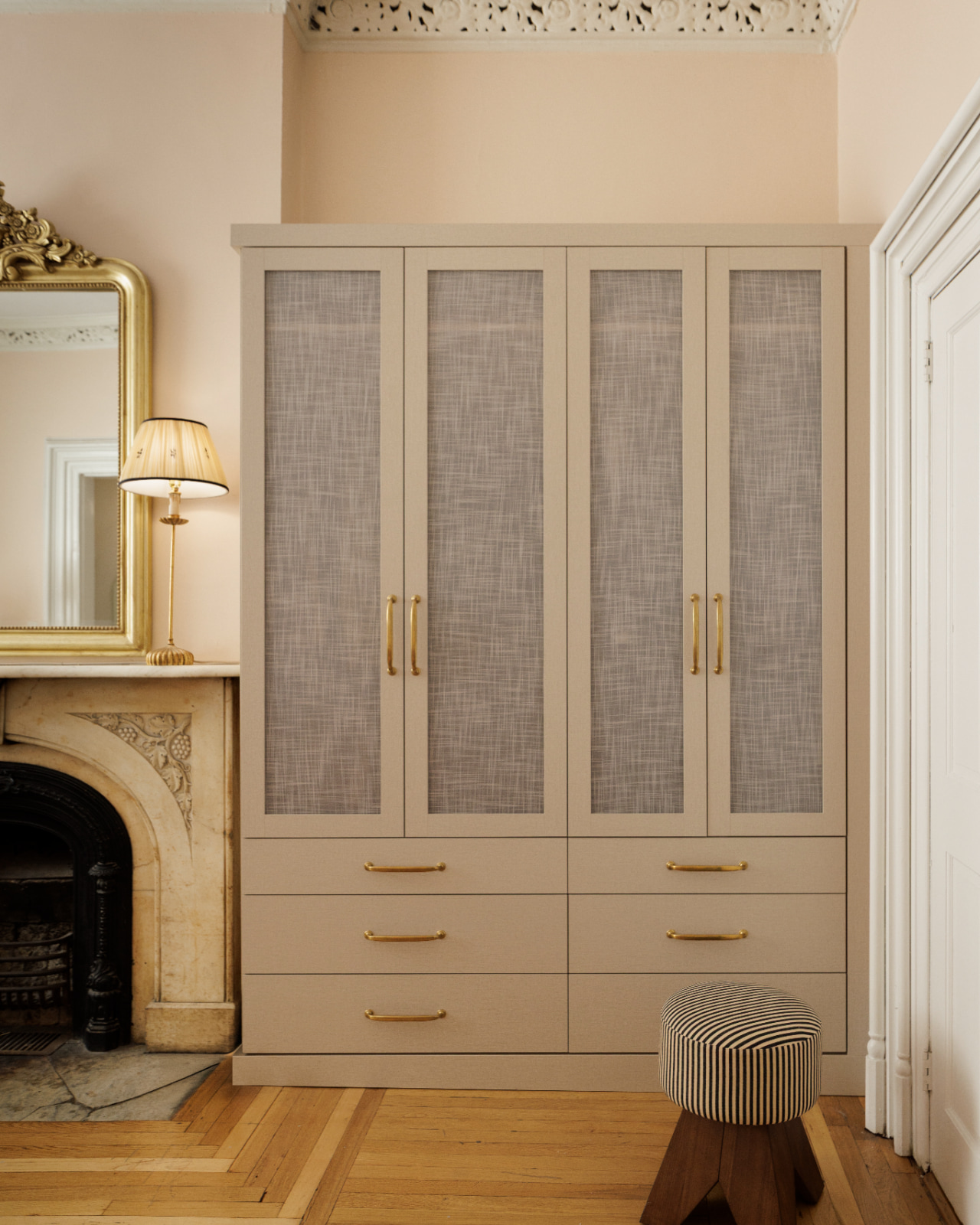
As the Ideas of Order podcast continues its run, it remains a valuable resource for understanding the intersection of design and personality. The show highlights that whether one is living in a bustling metropolis or a serene coastal enclave, the objective of interior design remains the same: to create a space that allows the individual to flourish. For Chloe Fineman, this means continuing to bridge the gap between her Bay Area heritage and her fast-paced life in the spotlight, ensuring that her home remains a sanctuary that is both functional and profoundly, uniquely hers.
The full conversation, which delves deeper into the pair’s shared admiration for iconic cinematic homes—including the famous Victorian house from the film Practical Magic—is available for streaming on the SURROUND Podcast Network. This episode marks a continued effort by the network to explore the nuanced relationship between the spaces we inhabit and the creative work we produce.