

The landscape of digital marketing and audience engagement has shifted dramatically, leaving businesses and individual creators searching for the most efficient ways to maintain a consistent online presence. When navigating the market for social media management tools, two industry staples consistently rise to the top: Buffer and Hootsuite. Both platforms offer robust scheduling, multi-channel analytics, and audience engagement features designed to streamline digital output. However, beneath their shared surface capabilities lies a fundamental divergence in design philosophy, pricing structures, and target demographics.
Understanding the operational differences between these two platforms requires an examination of their core competencies. Buffer is intentionally tailored for individual creators, solopreneurs, and small-to-mid-sized businesses seeking an intuitive, cost-effective publishing solution. Conversely, Hootsuite is engineered for large enterprise marketing teams that require advanced capabilities such as dedicated social listening, paid advertisement management, and comprehensive competitive benchmarking. This strategic divide dictates everything from interface complexity to financial commitment.
Financial Models and Pricing Strategies
The most striking divergence between Buffer and Hootsuite lies in their billing architectures. Buffer employs a per-channel pricing model, meaning users pay incrementally for each social media profile they connect, while allowing unlimited team members on paid tiers. Hootsuite utilizes a per-user pricing model, charging a flat rate per individual operator regardless of how many accounts that user manages, up to account limits.
For bootstrapping startups, independent creators, and lean teams, Buffer provides a distinct financial advantage. Buffer maintains a forever-free tier supporting up to three social channels, ten queued posts per channel, basic analytics, a centralized comment inbox, and a link-in-bio feature known as Start Page. Paid plans for Buffer begin at approximately $5 to $6 per channel per month when billed annually, making it exceptionally scalable for entities managing a modest footprint across multiple networks.

Hootsuite completely lacks a free tier, offering only a 30-day trial period for its paid subscriptions. Hootsuite pricing starts at a steeper entry point of $99 per user per month for its Standard tier, escalating rapidly for Advanced and Enterprise packages. In real-world applications, this financial contrast becomes stark. A solo creator managing three channels can utilize Buffer for zero dollars on its free tier or roughly $18 monthly for expanded features, whereas the same creator utilizing Hootsuite would face a mandatory $99 monthly expenditure. Similarly, a small team consisting of two users managing two channels would pay roughly $24 monthly under Buffer’s team structure, compared to nearly $298 monthly under Hootsuite’s per-user model.
Platform Usability and User Experience
Interface design and user onboarding play critical roles in determining software adoption rates within organizations. Buffer has long prided itself on minimalist design and rapid deployment. New users can connect accounts, establish a content queue, and publish their first posts within minutes of registration. The platform features a drag-and-drop calendar view that displays scheduled content across networks such as Instagram, TikTok, Facebook, and LinkedIn in a unified interface. Furthermore, Buffer integrates seamlessly with external creative tools like Canva, Unsplash, Dropbox, and Google Drive, allowing creators to import media assets without leaving the publishing window.

Hootsuite approaches user experience through the lens of comprehensive enterprise operations. Because the platform must accommodate multi-tiered organizations, complex approval workflows, and extensive metric tracking, its interface carries a steeper learning curve. Navigating between operational streams, engagement inboxes, and analytical dashboards requires intentional orientation. New users frequently rely on documentation and knowledge bases to master the software’s architecture. While this complexity can feel cumbersome for individual users, it equips large corporate marketing departments with the granular control necessary to manage dozens of global channels simultaneously.
Content Creation, Scheduling, and AI Integration
Both platforms provide robust multi-network publishing capabilities, allowing users to draft a single piece of content and customize it per platform prior to dissemination. However, their auxiliary features for content planning and artificial intelligence assistance reflect their differing target audiences.

Buffer offers a dedicated ideation hub called Create Space, functioning as a Kanban board where users can store unassigned text, media cards, and brainstorming notes. These saved ideas can be rapidly converted into scheduled posts using built-in templates and Buffer’s unlimited AI Assistant, which is available across all plans, including the free tier. Buffer also supports niche publishing requirements, such as setting custom cover images for short-form video platforms like TikTok and Instagram Reels, and cross-posting to Pinterest—features historically absent or limited in competing suites.
Hootsuite leverages artificial intelligence through its proprietary tool, OwlyWriterAI, and a conversational chatbot assistant known as OwlyGPT. While Hootsuite’s AI suite offers advanced capabilities such as campaign idea generation, trend-based content repurposing, and scriptwriting, it operates under strict token limitations on lower-tier plans. For bulk operations, Buffer permits bulk uploads of up to 100 posts via CSV on paid plans, whereas Hootsuite accommodates up to 350 posts in bulk, geared toward high-volume corporate schedulers.
Audience Engagement and Unified Inboxes
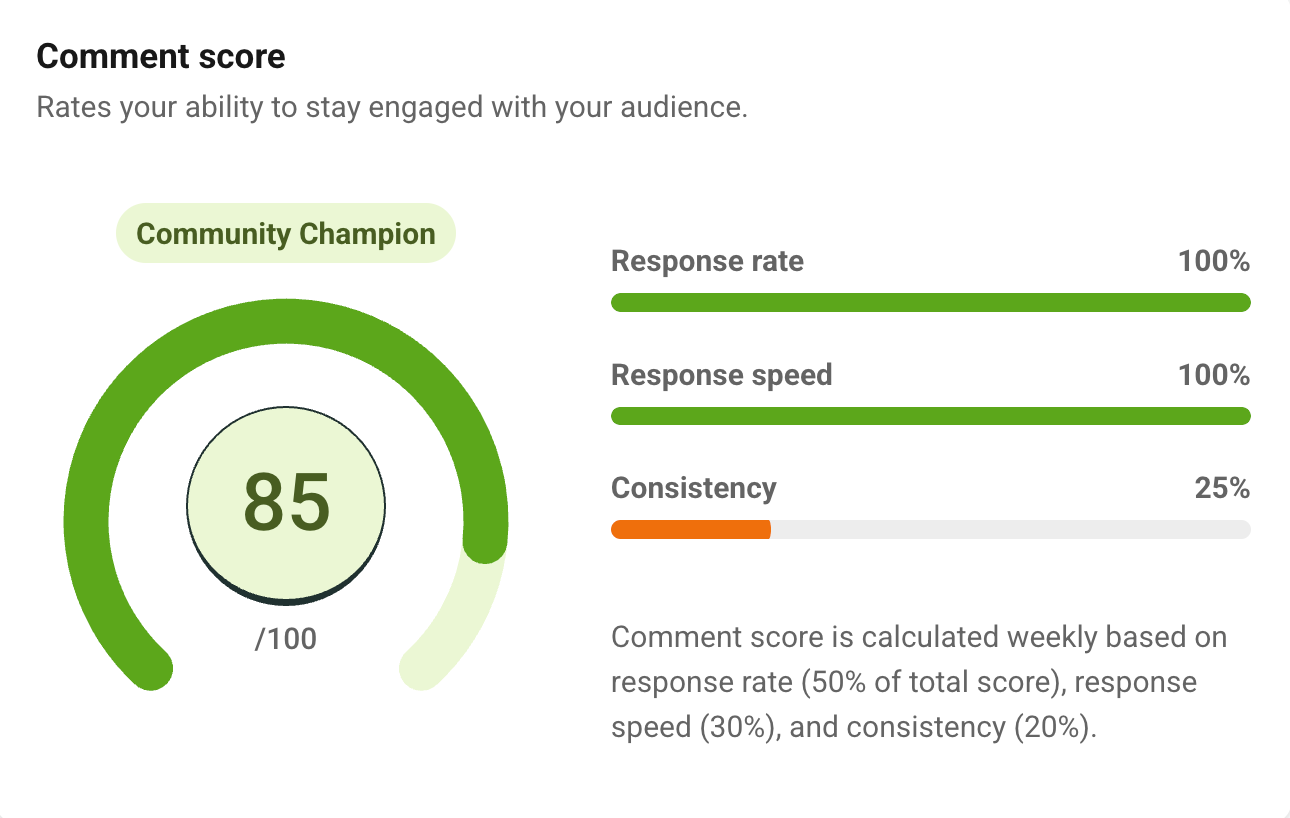
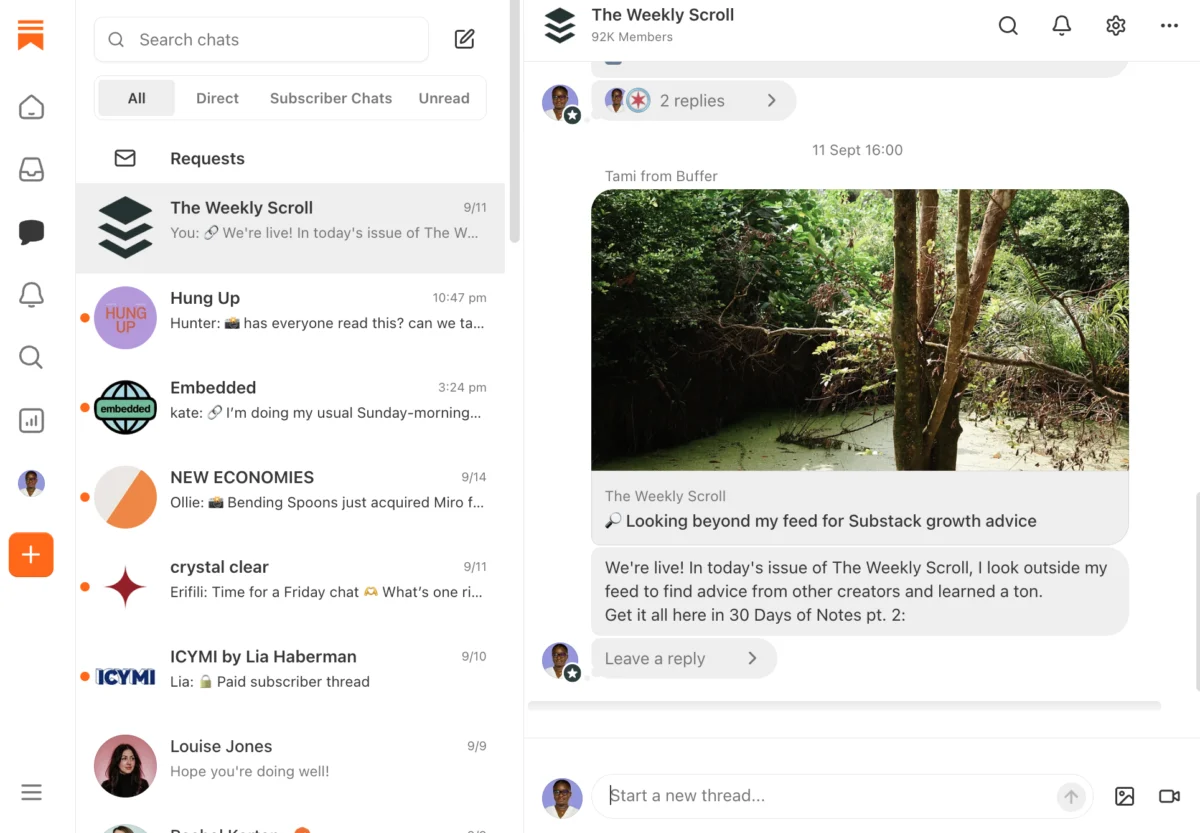
Maintaining active communication with followers is a vital component of digital marketing. Buffer addresses this via its Community feature, a centralized inbox designed to aggregate comments and replies across connected networks. The interface features a calm aesthetic meant to mitigate the chaos of monitoring native applications individually. Buffer incorporates AI-suggested responses, saved replies for frequently asked questions, and a comment score metric that evaluates response velocity and consistency across channels.
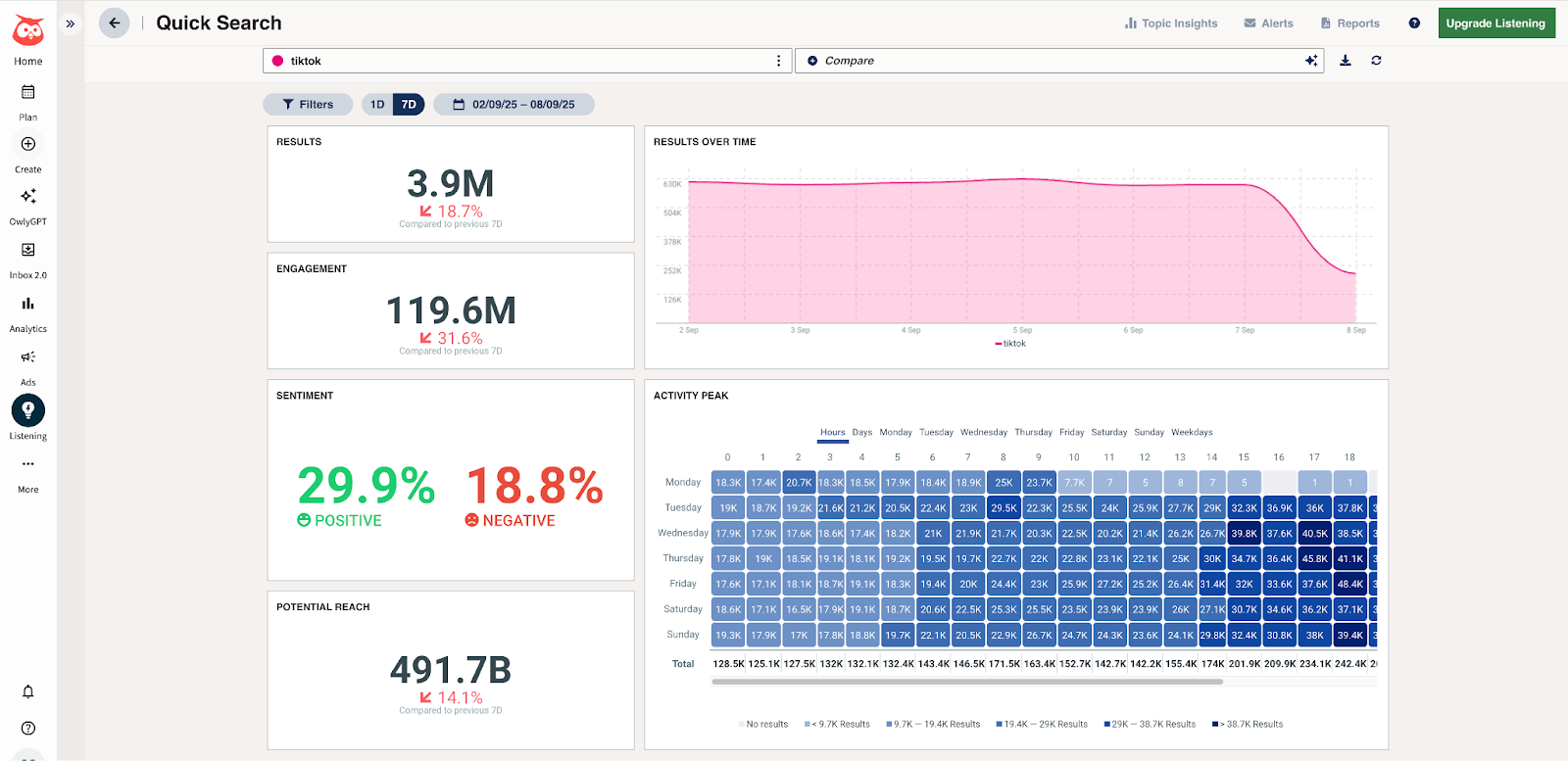
Hootsuite approaches engagement through Inbox 2.0, functioning similarly to an enterprise customer support helpdesk. The tool aggregates comments and direct messages while introducing advanced workflow mechanics, such as routing conversations to specific team members, applying conversation tags, and auto-assigning tasks. Additionally, Hootsuite’s inbox acts as a lightweight Customer Relationship Management (CRM) system, allowing teams to append email addresses, phone numbers, and URLs to user profiles. However, advanced routing rules and tag management are locked behind Hootsuite’s custom-priced Enterprise tier. Furthermore, Hootsuite offers dedicated social listening tools to track brand sentiment and market mentions—a capability entirely absent from Buffer’s ecosystem.
Analytics, Reporting, and Data Export
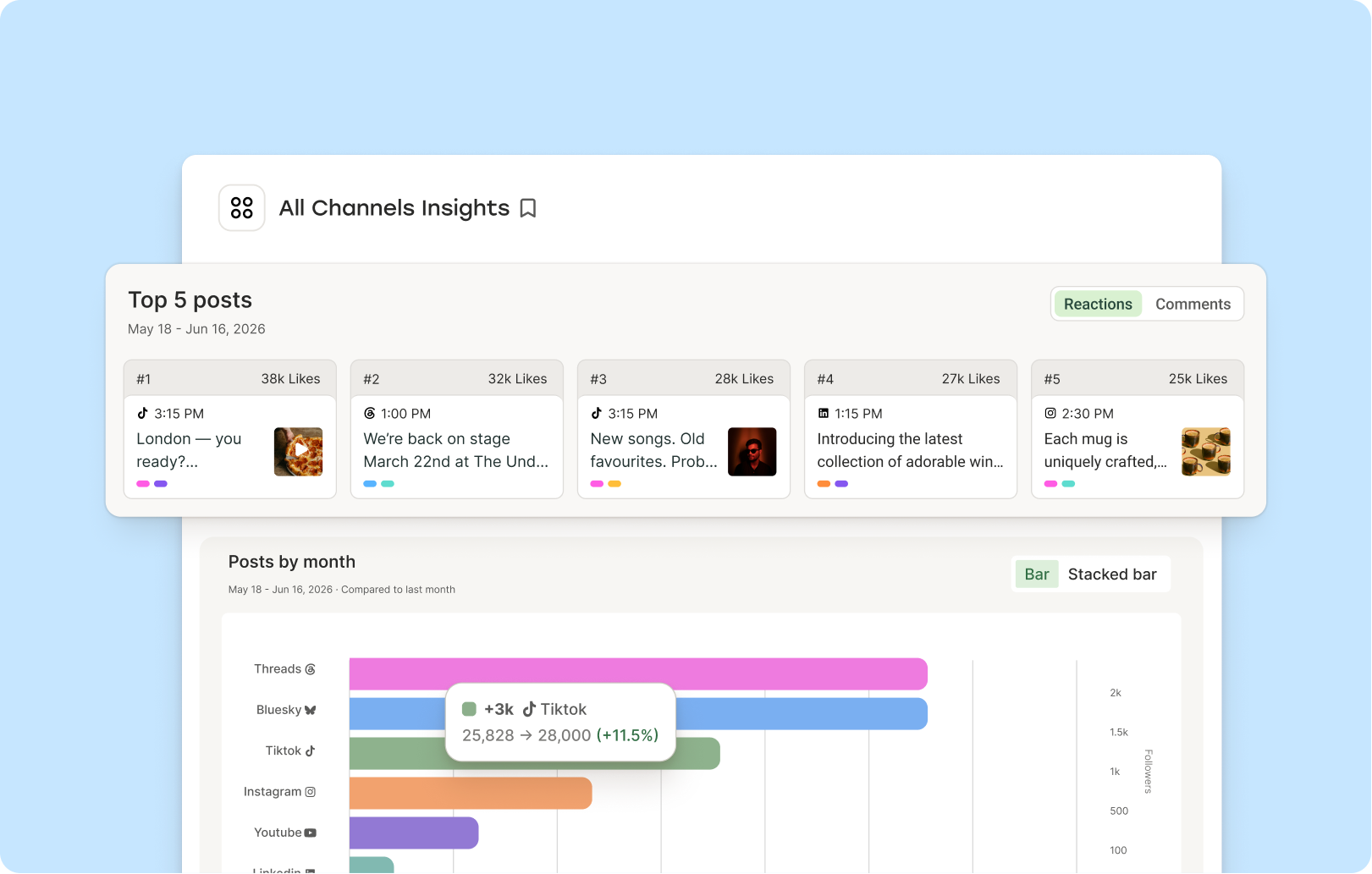
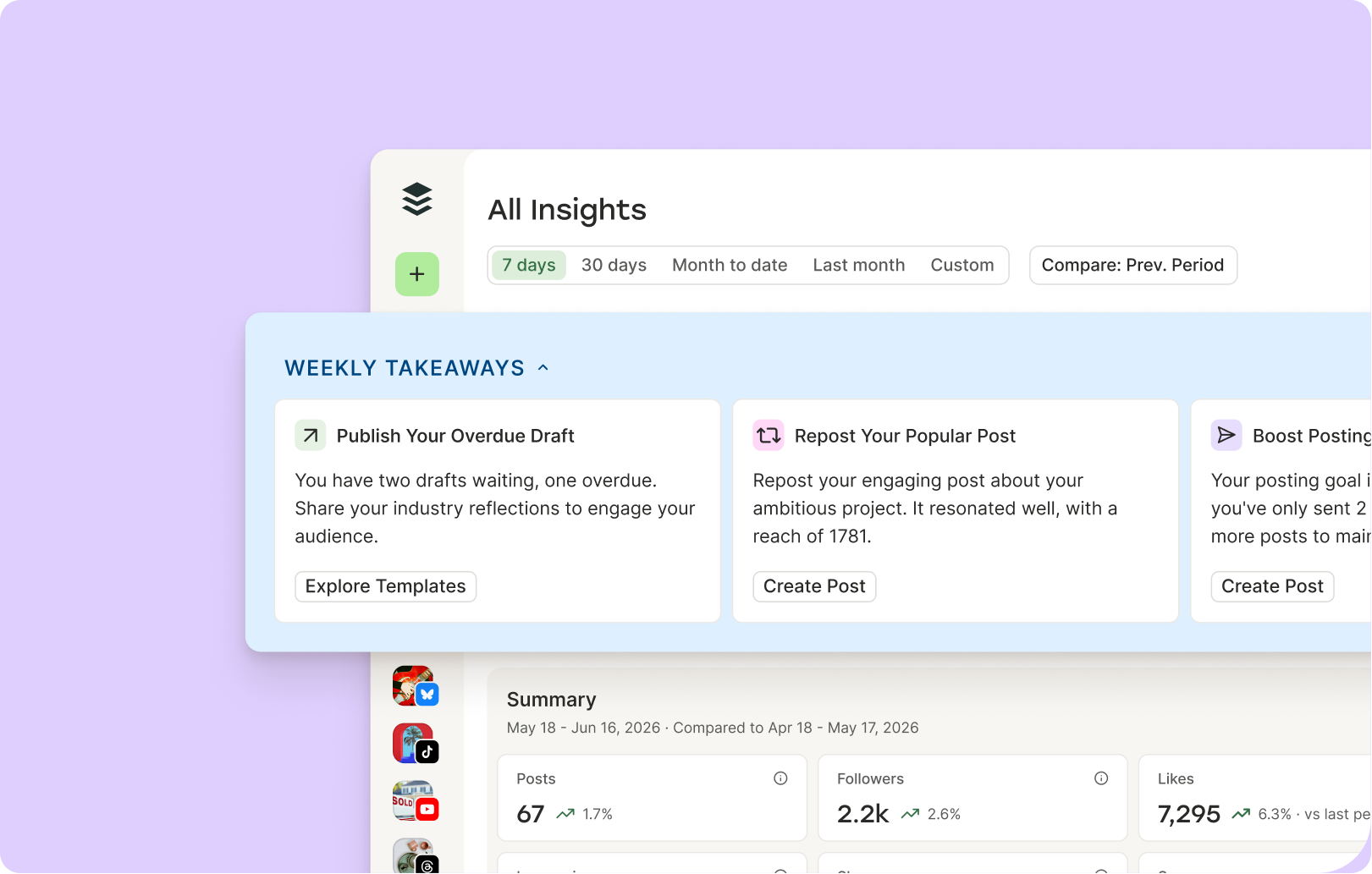
Evaluating Return on Investment (ROI) requires deep analytical visibility. Buffer’s analytics suite, titled Insights, emphasizes clarity and actionable intelligence. Insights delivers post-level metrics across more than ten connected networks, including emerging platforms like Bluesky and Mastodon. A standout feature of Buffer Insights is its Takeaways function, which automatically parses performance data, highlights notable audience patterns, and generates strategic recommendations for future content scheduling. Users on paid plans can export data as polished PDF or CSV reports, or copy structured markdown data to feed directly into external Large Language Models (LLMs) like ChatGPT or Claude.
Hootsuite provides robust core analytics comparable to Buffer but expands into specialized corporate reporting sectors. Hootsuite allows brands to track paid advertisement performance across Facebook, Instagram, LinkedIn, and X. Crucially, Hootsuite offers industry and competitive benchmarking, enabling organizations to contrast their digital performance against up to twenty sector competitors. These metrics provide enterprise marketing directors with the quantifiable justification required for corporate budget allocations.
Team Collaboration and Workflow Approvals
Organizational hierarchy dictates how teams interact with social media software. Buffer manages collaboration by offering unlimited team members on paid tiers alongside three distinct permission levels per channel: full posting access, draft-only access, and administrative oversight. This straightforward approach eliminates administrative overhead for small agencies and growing businesses.
Hootsuite employs a complex structural hierarchy based on organizations, teams, and individual channel permissions. Designed for multinational corporations and large marketing agencies, Hootsuite allows administrators to establish granular approval chains, restricting junior staff members from publishing content without explicit editorial sign-off. Hootsuite also includes a shared Content Library for standardized media assets and templates. However, expanding team access beyond five users requires custom enterprise agreements.
Market Implications and Strategic Selection
The choice between Buffer and Hootsuite ultimately depends on an organization’s scale, financial parameters, and functional requirements. For independent content creators, small-to-mid-sized businesses, and lean marketing departments, Buffer remains the superior economic and operational choice. Its per-channel pricing model, forever-free tier, intuitive user interface, and AI-driven insights provide immediate utility without unnecessary financial friction.
Conversely, large enterprises, global brands, and multi-layered marketing agencies will find Hootsuite’s specialized infrastructure indispensable. The inclusion of enterprise-grade social listening, ad management, competitive benchmarking, and granular approval workflows justifies its higher cost and steeper learning curve. By carefully evaluating internal resource allocation and long-term marketing objectives, digital strategists can select the platform best equipped to drive sustainable online growth.