
Finding the optimal moment to publish content on short-form video platforms remains a central challenge for digital creators, media organizations, and corporate marketers alike. While content quality, algorithmic relevance, and audience retention fundamentally dictate a video’s trajectory on social media platforms, the exact hour and day a piece of content goes live can significantly influence its early traction. To demystify these variables, social media management platform Buffer has released a comprehensive empirical study examining more than 7.1 million videos, carousels, photos, and text posts. The findings offer a granular look at global publishing patterns, identifying specific temporal windows that consistently yield higher median engagement rates across the platform.
Background Context and Methodological Scope
The investigation into platform-specific timing relies on a massive dataset gathered through Buffer’s publishing and analytics infrastructure. By analyzing millions of unique interactions across diverse accounts, researchers sought to move past anecdotal assumptions and establish measurable benchmarks for digital distribution. In the modern social media ecosystem, algorithms rely heavily on initial user signals—such as watch time, likes, shares, and comments—during the first sixty minutes following publication. Content that secures high velocity early on is frequently recommended to a broader segment of users via the application’s primary content discovery engine, commonly known as the For You Page (FYP). Conversely, material published during hours when target demographics are inactive risks being buried beneath an influx of newer uploads before it can build momentum.
Chronology of Global Engagement Patterns
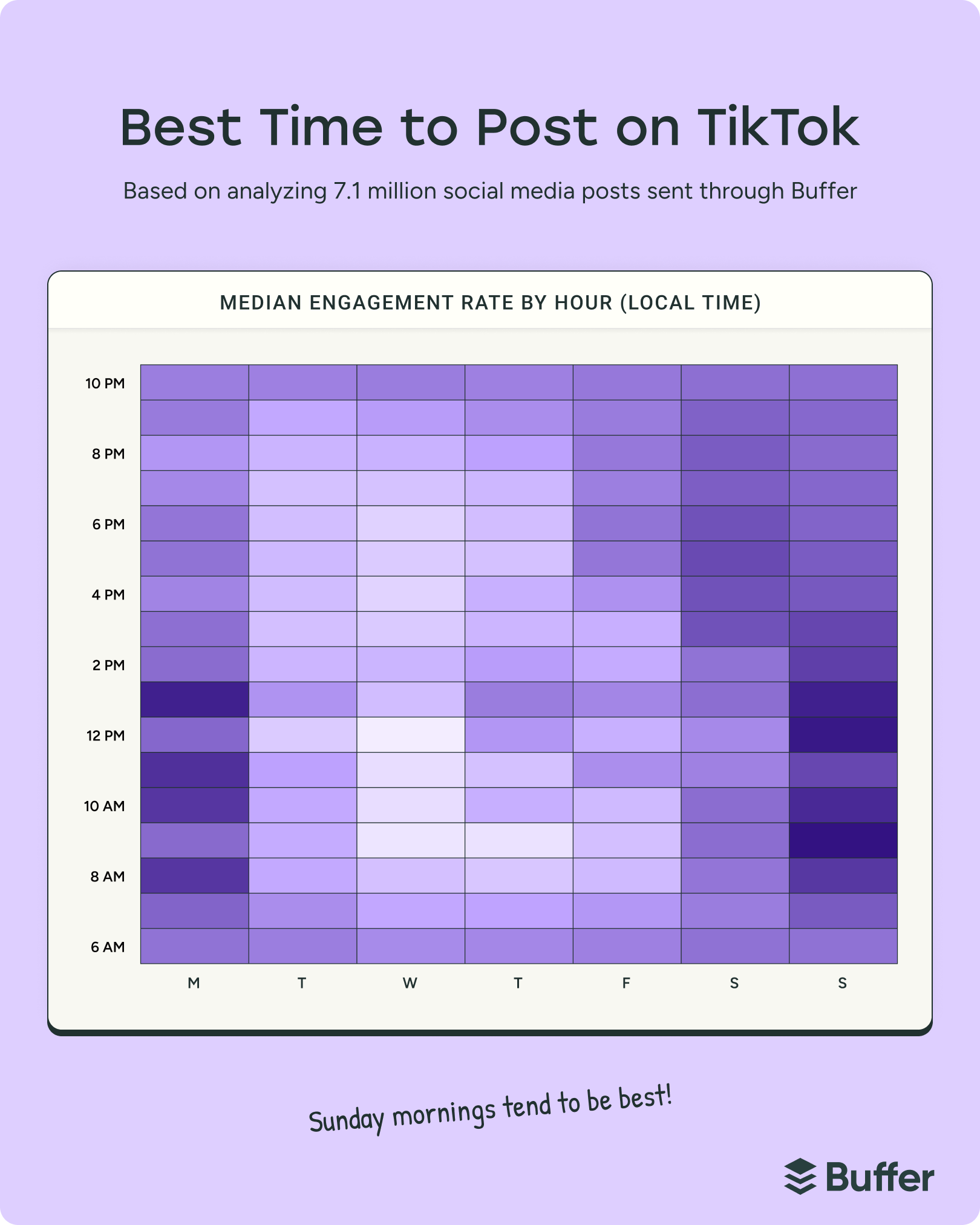
The distribution of user activity on TikTok diverges significantly from traditional text-centric platforms, which frequently experience high traffic volume during early morning business commutes or standard office hours. Because short-form video requires active, sound-on attention, peak consumption naturally migrates toward transitional periods and leisure hours. Buffer’s data indicates that overall engagement scales upward during the evening hours, maintaining a sustained plateau between 6:00 p.m. and 11:00 p.m. universally. Conversely, midday blocks spanning from 12:00 p.m. to 5:00 p.m. demonstrate suppressed median engagement levels, though localized lunch breaks occasionally present secondary windows of user activity.
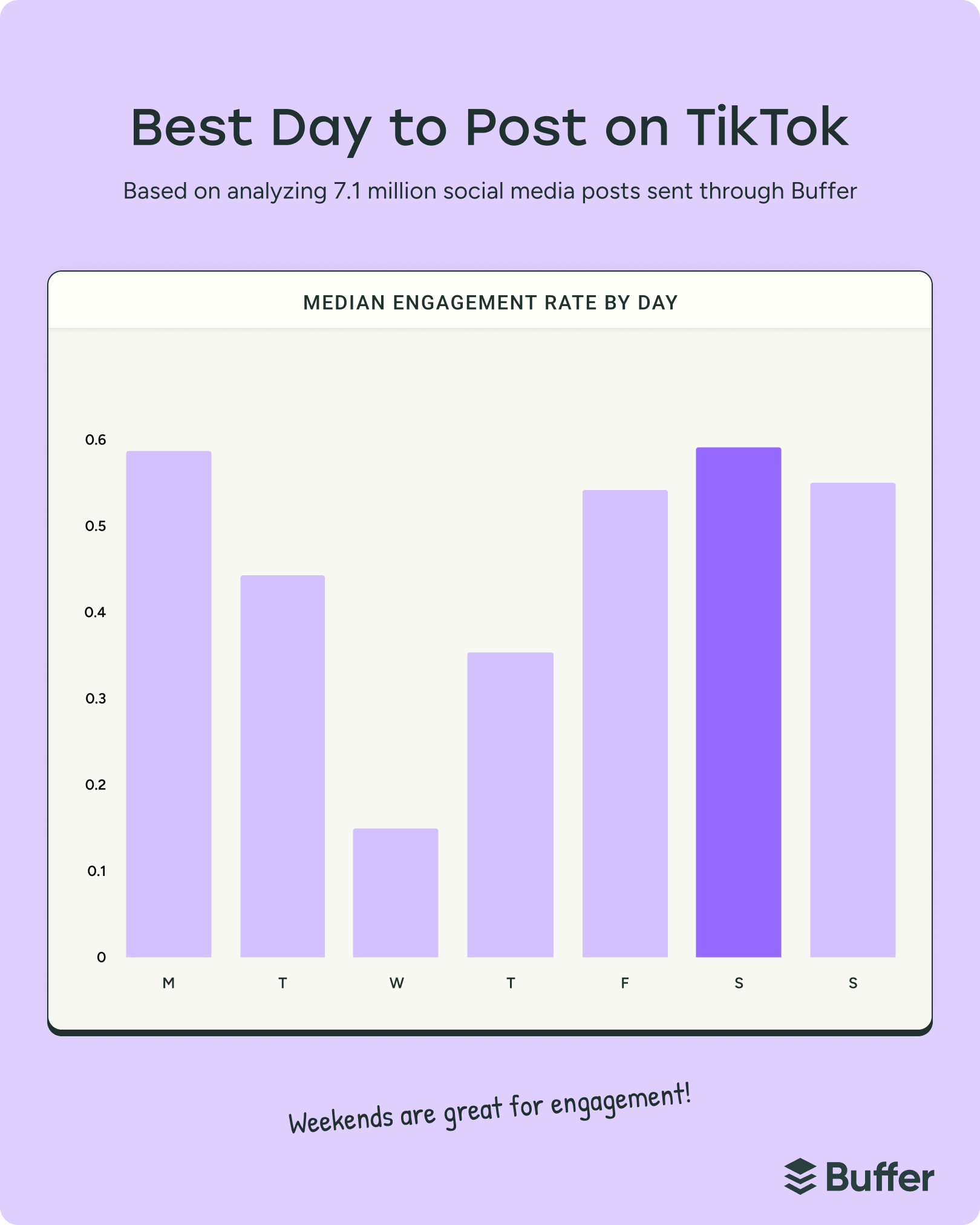
When examining performance across the standard seven-day week, specific temporal peaks emerge as statistical outliers. Across the entire dataset, Sunday morning at 9:00 a.m. registered as the single highest-performing time slot for median engagement. Following closely behind, Monday at 1:00 p.m. and Sunday at 1:00 p.m. established themselves as primary opportunities for content distribution. On a macro level, Saturdays materialized as the strongest overall day of the week for aggregate content performance, followed closely by Mondays and Sundays.
Detailed Day-by-Day Performance Metrics
A closer examination of the weekly schedule reveals distinct optimal publishing windows for each day, providing digital strategists with a blueprint for content calendars:
- Monday: Peak engagement concentrates at 1:00 p.m., supported by secondary high-performance windows at 11:00 a.m. and 8:00 a.m. Monday consistently ranks as one of the most reliable weekdays for capturing audience attention.
- Tuesday: Optimal distribution shifts significantly earlier, with a primary peak at 6:00 a.m., followed by late-evening activity at 10:00 p.m. and an early morning slot at 7:00 a.m.
- Wednesday: Midweek traffic dips overall, but data points to a distinct late-night surge at 10:00 p.m., supplemented by morning traction at 6:00 a.m. and a secondary evening window at 9:00 p.m.
- Thursday: Mirroring early-week trends, Thursday peaks at 1:00 p.m., with secondary engagement spikes occurring at 10:00 p.m. and 6:00 a.m.
- Friday: As the workweek concludes, peak engagement migrates toward the evening hours, registering highest at 6:00 p.m., with subsequent strong performances at 10:00 p.m. and 8:00 p.m.
- Saturday: Serving as the top-performing day overall, Saturday afternoon yields the most consistent returns, peaking at 5:00 p.m. and maintaining high engagement levels at 4:00 p.m. and 3:00 p.m.
- Sunday: Home to the highest individual time slot of the week at 9:00 a.m., Sunday afternoon also presents viable secondary windows at 1:00 p.m. and 12:00 p.m.
Implications for Content Creators and Enterprise Brands
Industry analysts observing the study note that while temporal optimization provides a structural advantage, it should not be viewed as a substitute for foundational content strategy. Marketing professionals emphasize that timing acts primarily as a multiplier for quality rather than a corrective measure for underperforming material. If a video fails to secure audience retention within the initial three-second hook—a critical threshold for short-form algorithmic distribution—optimizing the publishing timestamp will yield negligible results.
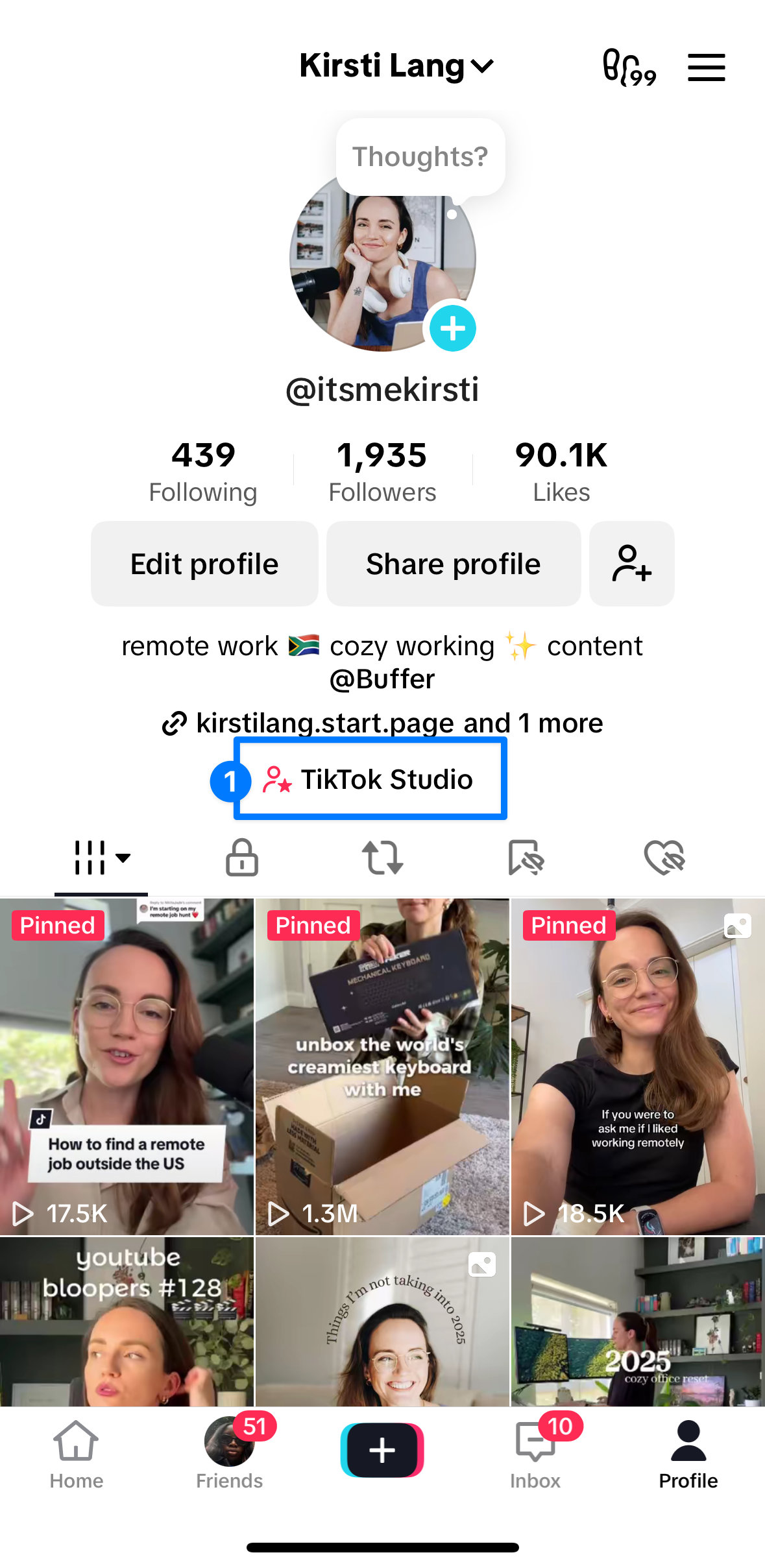
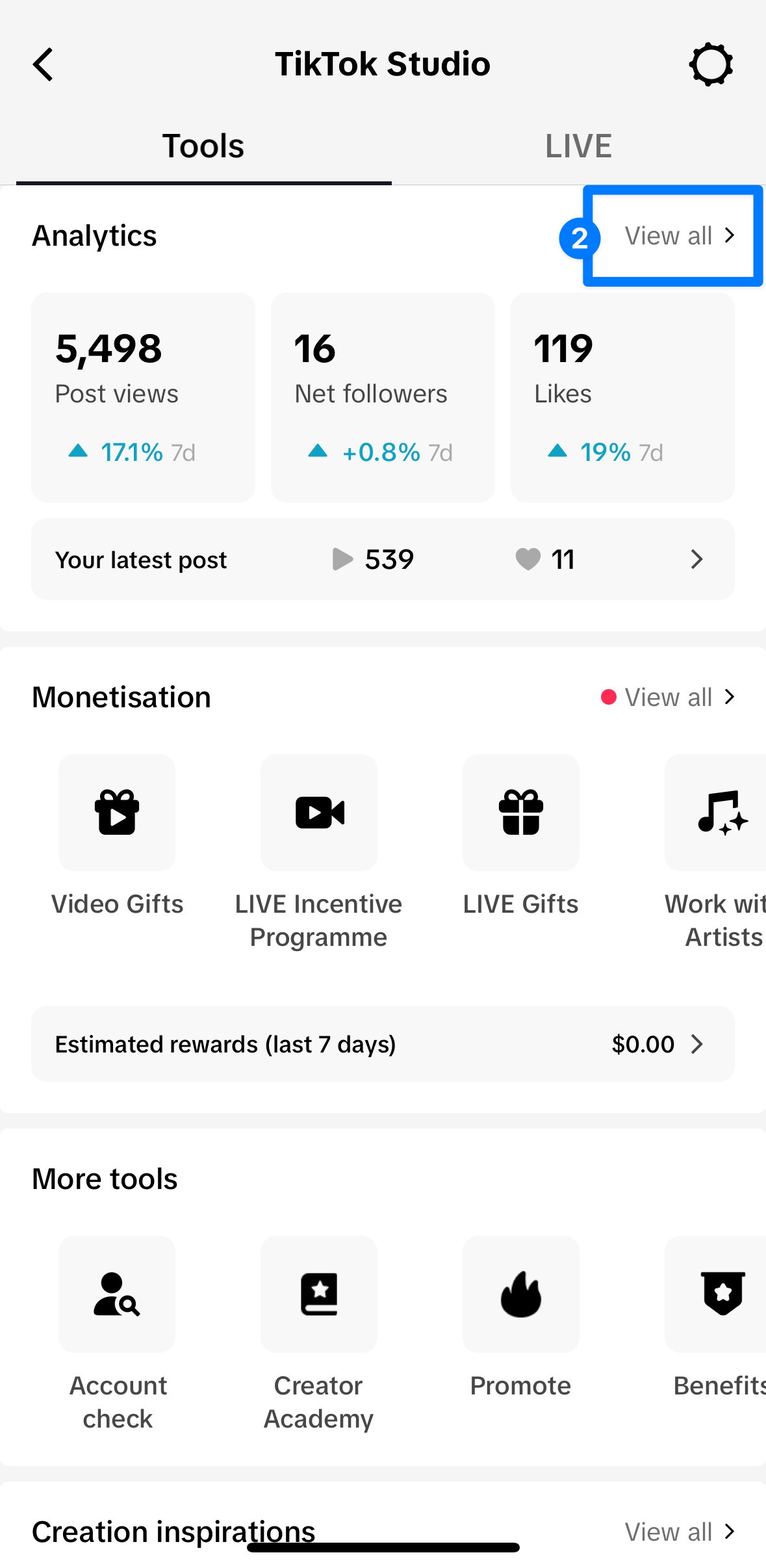
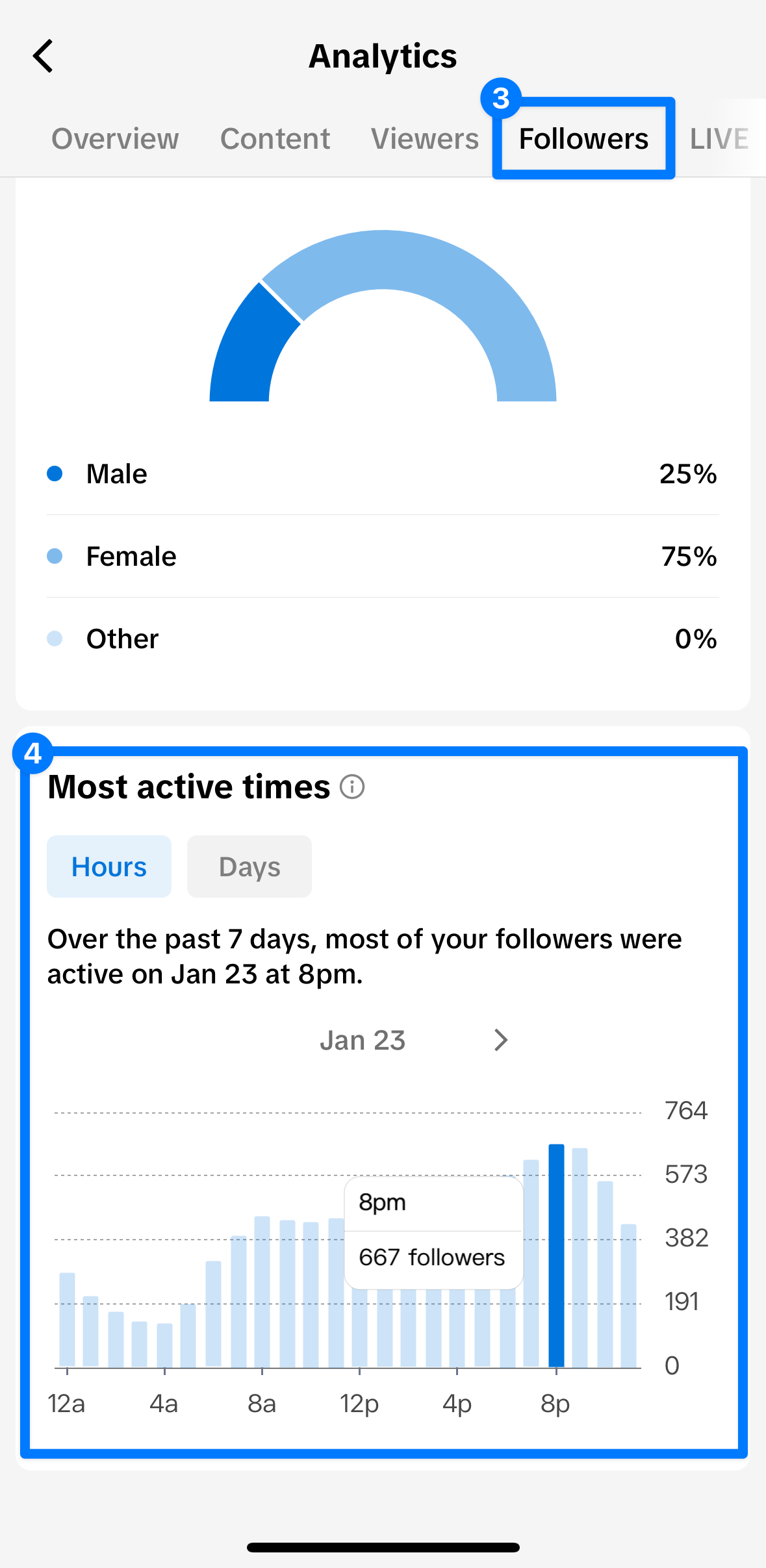
Furthermore, global brands and niche creators must reconcile generalized global datasets with their specific audience demographics. Because follower bases frequently span multiple geographical territories and time zones, native analytics tools provided by platform dashboards remain an essential diagnostic asset. Creators are encouraged to cross-reference broad industry benchmarks with their internal channel analytics, specifically examining the "Followers" tab to identify precise periods of peak audience activity.
Strategic Adaptations in Social Media Management
The integration of empirical posting data into modern workflow automation tools has streamlined how organizations manage digital asset deployment. Rather than requiring manual intervention during irregular hours—such as Sunday mornings or late weekday evenings—social media managers routinely utilize automated scheduling infrastructure. This technological capability allows marketing teams to maintain consistent publishing cadences without adhering strictly to manual intervention schedules, thereby protecting operational efficiency while maximizing algorithm alignment.
As platform dynamics continue to evolve, continuous experimentation remains a cornerstone of successful digital publishing. Analysts advise creators to periodically audit their performance metrics, test alternative time slots, and adapt to shifting consumer habits. By pairing robust content creation standards with data-backed distribution timing, media producers can enhance their capacity to scale reach, secure sustained audience retention, and build resilient digital communities in an increasingly competitive media landscape.