 Ali Ikhwan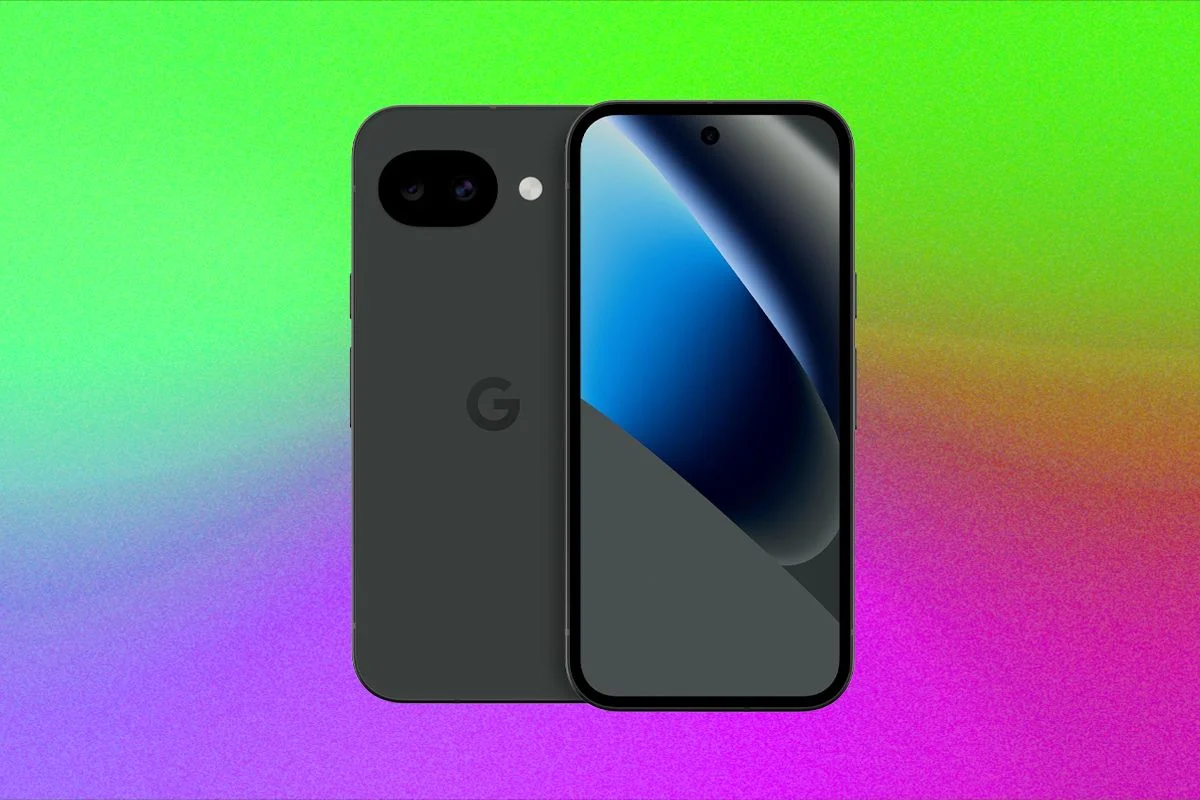
Amazon Prime Big Deal Days 2026 is set to officially commence on October 6 and 7, marking the second major global sales event of the year for the e-commerce giant. While the two-day promotional window serves as the primary focal point for consumers seeking seasonal bargains, the company has, as is now industry standard, initiated a phased rollout of "early deals" weeks ahead of the primary event. This strategy is designed to capture consumer demand early, stabilize logistics networks ahead of the peak holiday shopping season, and maintain market share against competing retailers who have similarly accelerated their Q4 promotional calendars.
For the savvy consumer, this period serves as a critical window to evaluate the intersection of product longevity and current market pricing. With the holiday season looming—culminating in the traditional Black Friday and Cyber Monday windows—the current pre-sale period offers a unique opportunity to secure hardware that has been rigorously vetted by industry analysts and technical reviewers.
Chronology and Strategic Context
The evolution of Amazon’s promotional calendar has shifted significantly over the past decade. Originally anchored by a single July Prime Day, the company has diversified its sales events to better align with supply chain management and shifting consumer spending habits. The introduction of "Prime Big Deal Days" in October serves as a strategic bridge between the summer doldrums and the intensive November-December retail period.
By initiating these deals in late September and early October, Amazon is effectively extending the holiday shopping season by nearly two months. Industry analysts note that this approach serves two functions: it alleviates the immense pressure on fulfillment centers during the week of Thanksgiving and provides a data-driven preview of which product categories are likely to experience high demand during the final quarter of the year.
Analysis of Leading Tech Discounts
Current early-bird offerings highlight a focus on high-utility personal electronics. Notably, the Google Pixel 10a has emerged as a focal point for budget-conscious consumers. Priced at approximately $424, down from its standard $499, the device represents a significant value proposition. The smartphone, which has garnered praise for its computational photography capabilities and a robust seven-year software support commitment, illustrates the current trend of manufacturers pushing premium features into mid-range price points. The reduction in price, mirrored across multiple retailers including Best Buy and the Google Store, indicates a coordinated effort to move inventory ahead of the next product refresh cycle.
In the audio segment, the JBL Go 5 Bluetooth speaker has seen its price point move to $40 from its standard $55. While seemingly incremental, these price adjustments are essential for maintaining competitiveness in the ultra-portable audio market, where brand loyalty is often secondary to immediate price-to-performance value.
Similarly, the Beats Powerbeats Pro 2, frequently cited as a preferred option for high-intensity athletic activities due to their ergonomic fit, are currently available for $200—a $50 reduction from their typical MSRP. While this discount level is consistent with previous promotional cycles, it serves as a reliable marker for consumers who have been monitoring the market for a stable entry point into high-fidelity workout hardware. The Google Pixel Buds Pro 2 have also entered the fray at $189, down from $229. These price movements, particularly in the wearable audio space, suggest that manufacturers are increasingly using the October sales window to maintain momentum for devices that may have lost their initial launch-day novelty.

Home Automation and Utility Trends
Beyond personal tech, the smart home category continues to be a primary driver of consumer interest during Prime-associated events. The Netvue Birdfy Lite Smart Bird Feeder has been discounted to $144, down from its $170 base. The inclusion of AI-driven species identification and solar-integrated power modules reflects a broader industry shift toward "utility-smart" home devices—products that offer tangible, real-world monitoring benefits rather than merely adding another screen to the household.
Simultaneously, the Levoit Vital 200S-P Air Purifier is currently priced at $170, a modest but meaningful discount from its $190 retail price. The persistence of air purification as a high-volume category reflects sustained consumer interest in indoor environmental quality. The integration of app-based control and voice-assistant compatibility—features that were once exclusive to premium, high-cost models—is now a standard expectation for mid-range units, signaling a maturation of the consumer air quality market.
The cleaning category also remains a high-priority sector. The Shark PowerDetect Cordless Stick Vacuum is currently marked down to $350 from $450. This specific unit, which features sophisticated surface-sensing technology and a flexible wand design for reaching under furniture, represents a significant investment for households looking to replace aging floor-care equipment. The aggressive pricing suggests that retailers are aiming to clear warehouse space for newer models expected in the upcoming year.
Market Implications and Consumer Strategy
The decision to participate in these early deals requires a measured approach. While the excitement of a lower price is a significant driver, analysts suggest that consumers should view these discounts through the lens of long-term utility.
- Price History Tracking: Consumers are encouraged to use price-tracking tools to verify that the "discounted" price is indeed a genuine reduction relative to the item’s three-month average.
- Product Lifecycle Awareness: Many of the items currently on sale—such as the Pixel 10a or the Shark vacuum—are at the stage of their product life cycle where they offer the best balance of features, software support, and value.
- Logistical Considerations: By shopping during the early phase of the event, consumers effectively avoid the shipping delays and logistical bottlenecks that historically plague the late-November delivery windows.
Broader Industry Outlook
The October sale is no longer just an Amazon phenomenon. The ripple effect across competitors like Best Buy and Walmart—which have both matched several of these key price points—indicates that the entire retail sector has adopted a "marathon" approach to Q4. This competitive landscape benefits the consumer, who now has the ability to comparison shop across major platforms without being restricted to a single ecosystem.
Furthermore, the data collected during these early weeks allows manufacturers and retailers to calibrate their supply chains. If the demand for a specific product, such as the Google Pixel Buds Pro 2, exceeds projections during this early window, it serves as a signal to ramp up manufacturing or adjust logistics strategies for the upcoming Black Friday period.
Conclusion and Future Outlook
As we look toward the official commencement of Prime Big Deal Days on October 6, the current landscape suggests a market that is healthy, competitive, and highly attentive to consumer price sensitivity. While the current deals on smartphones, audio gear, and home appliances are compelling, the broader takeaway is the shifting nature of the retail calendar. The distinction between "early deals" and the "main event" has blurred, providing consumers with an extended, less chaotic, and more predictable shopping environment.
Whether the goal is to upgrade existing hardware or to secure gifts for the holiday season, the current period represents a strategic juncture for the consumer. With high-performing tech from established brands reaching their lowest price points of the year thus far, the coming days are likely to provide some of the most stable and advantageous shopping opportunities of the 2026 calendar year. Consumers are advised to continue monitoring these trends through the duration of the event and beyond, as the promotional environment is expected to remain fluid until the conclusion of the year-end sales cycle in December.