 Hanik Kholidah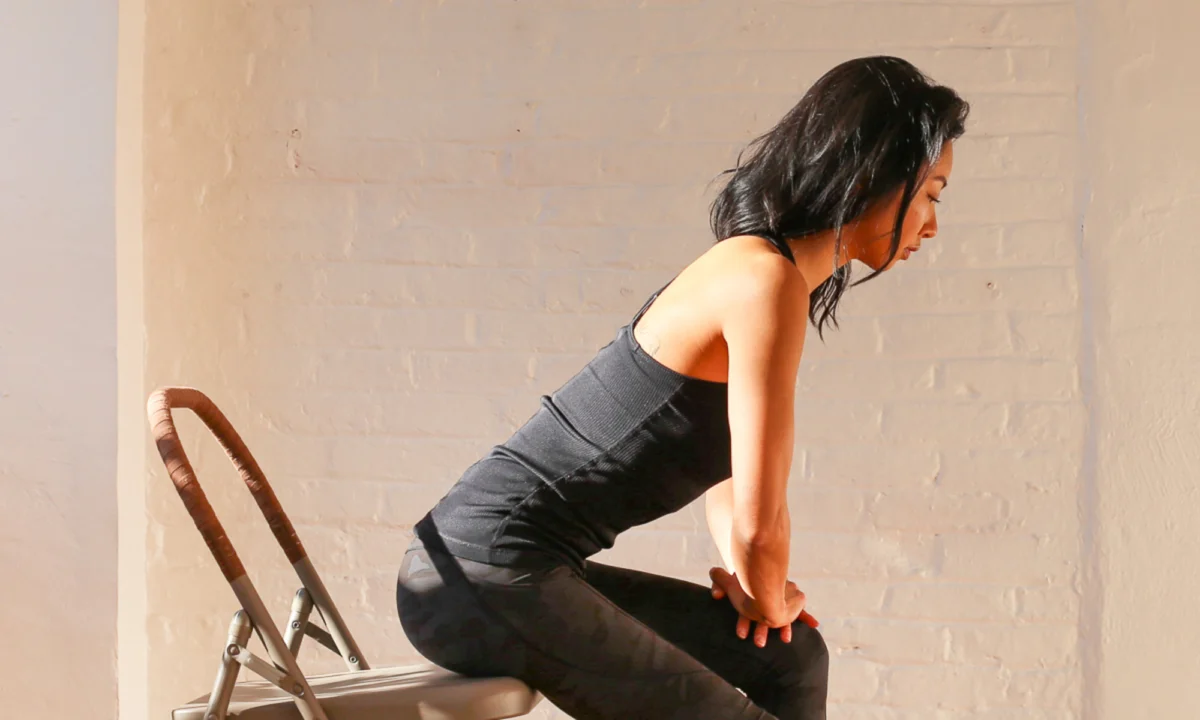
For millions of desk-bound workers, individuals recovering from injuries, and those living with mobility limitations, prolonged daily sitting is an unavoidable reality of modern life. Yet, decades of metabolic research have consistently underlined the health risks associated with a sedentary lifestyle, linking long hours in a chair to impaired glucose regulation, insulin resistance, and an elevated risk of developing type 2 diabetes. While conventional medical advice frequently prescribes post-meal walks or aerobic exercise to help clear glucose from the bloodstream, such recommendations remain entirely out of reach for individuals with physical disabilities, chronic musculoskeletal pain, or severe cardiorespiratory constraints.
Addressing this critical gap in preventive healthcare, a comprehensive review published in early 2025 has shed light on a promising alternative. According to the scientific evaluation, breaking up prolonged periods of sitting with targeted, non-weight-bearing lower-body movements—such as soleus push-ups, simple seated resistance exercises, and passive stretching—can meaningfully improve blood sugar regulation and insulin sensitivity without requiring a person to stand up.
Anatomy of the Review: Scope and Methodology
The scientific inquiry, detailed in a peer-reviewed publication, sought to evaluate the physiological efficacy of seated, lower-body physical interventions. Lead researchers analyzed a robust collection of data derived from randomized controlled trials, prospective cohort studies, and targeted pilot interventions. The primary objective was to determine whether localized muscular contractions performed while seated could stimulate glucose uptake in individuals unable to engage in traditional weight-bearing aerobic workouts.
Historically, exercise physiology has heavily emphasized large-muscle aerobic activities, such as running, cycling, or brisk walking, as the gold standard for metabolic health. However, the 2025 review broadens the therapeutic horizon by focusing on how smaller, localized muscle groups can be activated while remaining completely stationary. The researchers systematically categorized and assessed three distinct types of non-weight-bearing activities: simple resistance routines utilizing light bands or body weight, soleus-specific heel raises, and passive stretching protocols designed to elongate lower-limb muscle fibers.
Across the evaluated trials, the data revealed that all three intervention categories produced statistically significant reductions in post-prandial (post-meal) blood glucose and circulating insulin levels. These findings challenge the traditional dogma that effective metabolic mitigation requires whole-body exertion, offering a new frontier in accessible wellness and chronic disease prevention.
Mechanisms of Action: How Seated Movements Lower Glucose
To fully appreciate the implications of these findings, it is essential to examine the cellular and molecular mechanisms governing how human muscles process sugar. When a person consumes a meal, carbohydrates are broken down into glucose, entering the bloodstream and prompting the pancreas to release insulin. Insulin acts as a key, unlocking cellular receptors to allow glucose to enter muscle and liver tissues for energy or storage. In sedentary individuals, or those with insulin resistance, this signaling cascade is blunted, leading to sustained high blood sugar levels.
The 2025 review highlights that localized muscle contractions activate unique biological pathways capable of bypassing traditional insulin-dependent routes. Specifically, the researchers point to AMPK-dependent GLUT4 translocation as a primary driver. AMPK (AMP-activated protein kinase) is a cellular energy sensor. When muscles contract—even in a seated position—AMPK is stimulated, which in turn triggers the translocation of GLUT4 (glucose transporter type 4) proteins to the muscle cell membrane. Once at the surface, GLUT4 acts as a channel, pulling glucose directly out of the bloodstream and into the muscle cells independently of insulin.

Furthermore, the review notes the role of myokines—signaling proteins secreted by contracting skeletal muscles—in modulating systemic inflammation and metabolic health. Additionally, these movements improve endothelial function, enhancing blood flow and vascular health in the lower extremities.
Contextualizing these cellular findings within broader epidemiological data, the review emphasizes that maintaining moderate lower-body muscular strength is associated with a striking 32% to 35% lower risk of developing type 2 diabetes. This correlation underscores the profound protective effect that preserving muscle function and metabolic activity in the legs can have on overall systemic health.
The Soleus Muscle: A Metabolic Powerhouse Beneath the Desk
Among the various seated movements examined in the research, the soleus push-up has garnered significant attention for its remarkable efficiency. The soleus is a large, flat skeletal muscle located deep beneath the gastrocnemius in the calf. Traditionally recognized for its vital role in maintaining upright posture and venous blood return from the lower limbs to the heart, recent physiological studies demonstrate that the soleus possesses unique metabolic properties.
Unlike fast-twitch muscle fibers, which fatigue quickly and rely heavily on glycogen, the soleus is predominantly composed of slow-twitch oxidative muscle fibers. These fibers are exceptionally resistant to fatigue and rely primarily on fats and carbohydrates for continuous energy. Consequently, the soleus can contract for hours at a time with minimal metabolic exhaustion.
Executing a soleus push-up requires minimal physical space and virtually zero equipment, making it uniquely suited for office environments, classrooms, or rehabilitation settings. The movement is performed as follows:
- Sit comfortably in a chair with both feet planted flat on the floor, spaced roughly hip-width apart.
- Keeping the front of the toes and the balls of the feet firmly on the ground, press upward to raise the heels as high as comfortably possible.
- Once maximum elevation is reached, passively drop the heels back down to the floor.
Because the motion is subtle and contained entirely within the lower leg, it can be performed discreetly while attending a virtual meeting, typing an email, reading a report, or watching television. Beyond its documented capacity to improve post-meal glucose disposal, regular engagement of the soleus muscle supports localized microcirculation, enhances foot strength, and promotes ankle stability, offering compounding benefits for individuals with limited mobility.
Chronology and Evolution of Sedentary Research
The publication of the 2025 review represents the culmination of more than a decade of shifting scientific interest regarding sedentary behavior. For generations, medical research primarily investigated the benefits of exercise frequency, intensity, and duration, often treating sitting merely as the absence of exercise rather than an independent health risk factor.
- Early 2010s: Epidemiological studies begin differentiating between regular exercisers who still sit for long hours (the "active couch potato" phenomenon) and those with overall low daily movement. Researchers identify prolonged sitting as an independent biomarker for cardiovascular disease, obesity, and type 2 diabetes.
- Mid-2010s: Pilot studies emerge testing "deskercise" interventions, standing desks, and active workstations. While standing desks reduce total sitting time, researchers note that simply standing does not sufficiently stimulate glucose uptake compared to muscle contractions.
- Late 2010s to 2020: Seminal physiological studies begin isolating specific lower-limb muscles, discovering that the soleus muscle possesses extraordinary endurance and oxidative capacity capable of altering systemic metabolism when activated rhythmically.
- 2025: The publication of the comprehensive review synthesizes randomized controlled trials and pilot cohorts, formally establishing seated lower-body interventions—including soleus push-ups, resistance movements, and stretching—as scientifically validated tools for managing post-prandial glycemia among non-ambulatory or sedentary populations.
Expert Perspectives and Practical Applications
Public health advocates and registered dietitians have welcomed the findings as a practical, democratizing step forward in chronic disease prevention. While high-intensity interval training (HIIT) and heavy resistance training remain gold standards for overall fitness, experts emphasize that health interventions must be accessible to be effective.

Medical professionals point out that rigid exercise prescriptions frequently fail individuals facing chronic fatigue, severe joint degeneration, advanced age, or physical disabilities. By validating micro-movements performed at a desk, the research removes psychological and physical barriers to entry, encouraging consistency over intensity.
Nutritionists and metabolic health specialists recommend integrating soleus push-ups into daily post-meal routines—particularly after carbohydrate-rich meals, when blood sugar spikes typically reach their peak. Because glucose absorption via AMPK-dependent pathways peaks during and immediately following food consumption, timing these subtle muscle contractions within 30 to 60 minutes after eating can maximize their glycemic buffering effect.
Broader Implications and Future Research Directions
While the current scientific consensus strongly supports the immediate physiological benefits of seated lower-body movements, researchers involved in the 2025 review caution that several questions remain open for exploration.
Foremost among these is the need for longitudinal studies spanning multiple years. While short-term randomized controlled trials successfully demonstrate immediate reductions in blood glucose and insulin excursions, researchers emphasize that longer-term investigations are vital to determine whether sustained soleus activation translates into durable reductions in hemoglobin A1c (HbA1c) levels, lower rates of diabetes-related microvascular complications, and enhanced cardiovascular protection over time.
Additionally, researchers are exploring optimal dosing parameters: How many repetitions of soleus push-ups are required to achieve clinical significance? Does the velocity of the contraction alter metabolic output? How do individual baseline fitness levels and differing metabolic profiles influence responsiveness to the intervention?
Despite these lingering research questions, the practical implications for public health are clear. As desk-bound occupations remain a staple of the global economy, finding scalable, low-barrier methods to counteract the metabolic toll of sitting is paramount. Seated movements like soleus push-ups offer a cost-free, universally accessible strategy to empower individuals to take an active role in managing their metabolic health, proving that significant physiological benefits can be achieved one subtle heel raise at a time.