Muhammad Hendra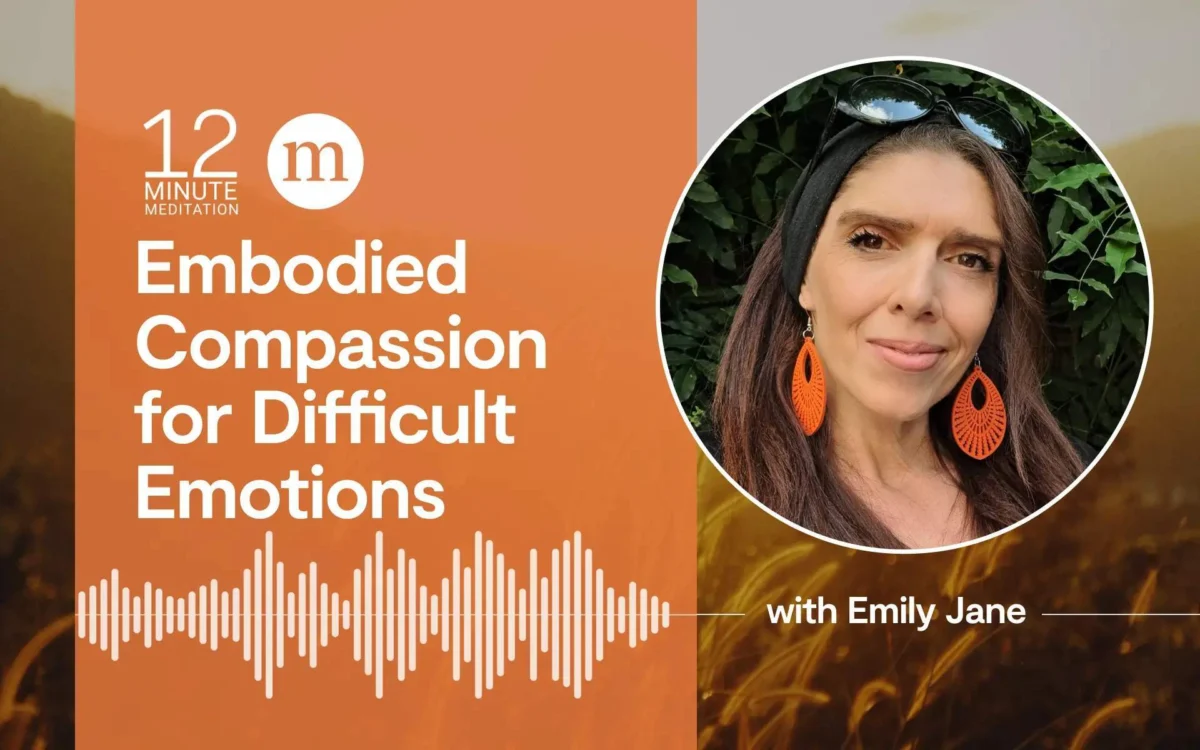
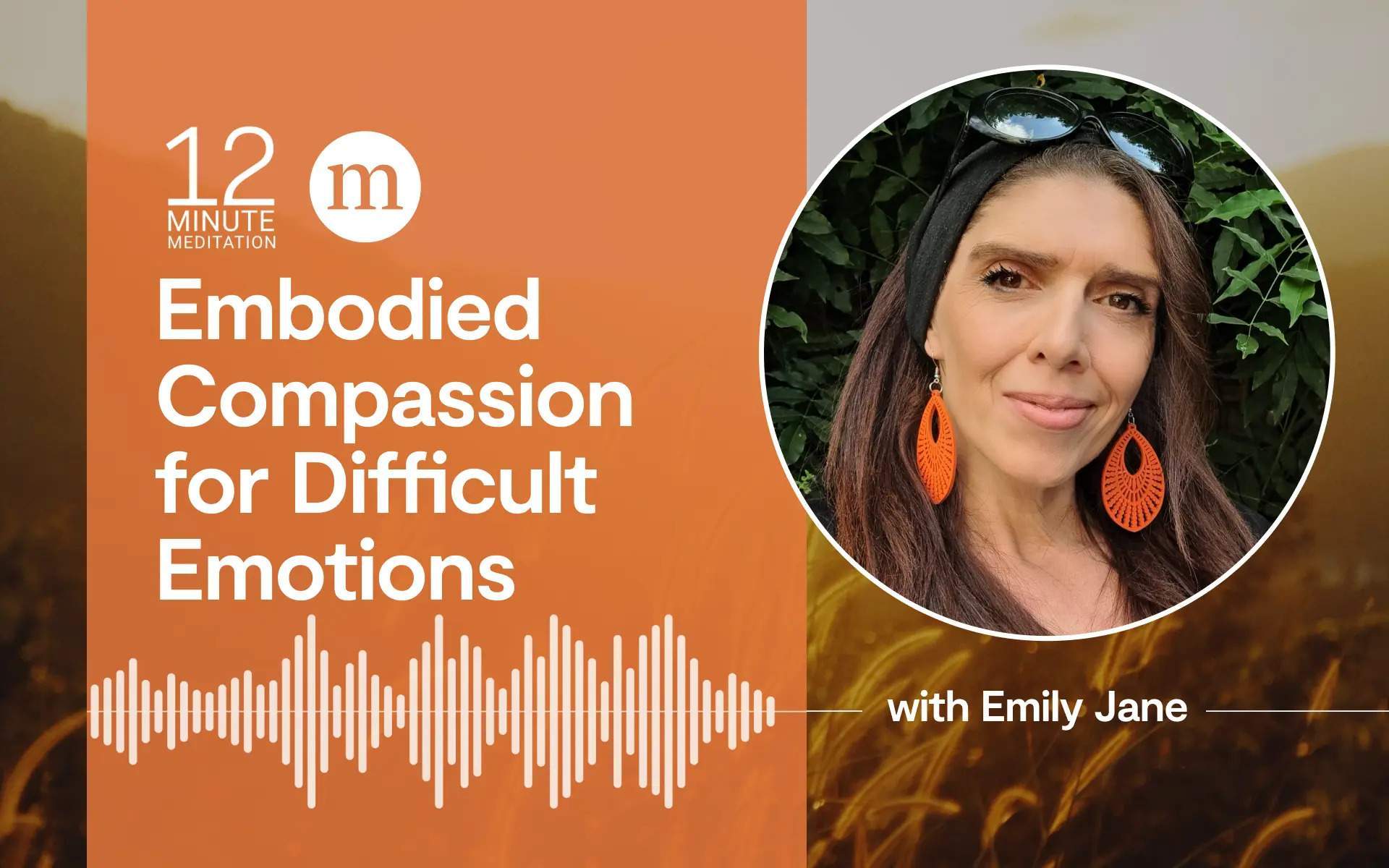
In a significant development for mental wellness, recovery coach and author Emily Jane has introduced a new guided meditation practice designed to help individuals navigate overwhelming, painful, confusing, or distressing emotions by fostering presence, courage, and compassion. This practice challenges the conventional human inclination to resist or repress uncomfortable feelings, advocating instead for a mindful acceptance that research suggests can lead to reduced suffering and enhanced emotional resilience. The intervention arrives at a time when global mental health challenges necessitate accessible and effective self-regulation tools, positioning Jane’s work as a timely contribution to the growing body of mindfulness-based therapeutic resources.
The Core Paradigm Shift: From Resistance to Acceptance
A cornerstone of contemporary mindfulness practice, and a concept often challenging for newcomers, is the notion that actively accepting rather than resisting emotions, particularly those that are painful, confusing, or frightening, can lead to greater well-being. This approach, which emphasizes moving towards oneself with compassion, frequently feels counterintuitive in a society that often encourages suppression or avoidance of negative feelings. However, psychological and neuroscientific research increasingly supports the efficacy of this paradigm shift, indicating that resistance often amplifies emotional distress, creating a secondary layer of suffering on top of the initial uncomfortable sensation.
When individuals attempt to repress or avoid difficult emotions, they inadvertently expend significant mental and emotional energy. This can manifest as chronic stress, anxiety, heightened emotional reactivity, and even contribute to the development or exacerbation of maladaptive coping mechanisms, including substance abuse or other addictive behaviors. The act of pushing away or denying internal experiences does not diminish their presence but rather entrenches them, often leading to a cycle of avoidance that can be detrimental to mental and physical health. Jane’s meditation directly addresses this fundamental challenge, guiding participants to cultivate a different relationship with their internal world.
Emily Jane’s "Embodied Compassion for Difficult Emotions" Practice
This week, Emily Jane, renowned for her trauma-informed and compassionate approach to healing, is guiding individuals through a specific practice designed to support the cultivation of curiosity, courage, and compassion when confronting difficult experiences. The practice, titled "Embodied Compassion for Difficult Emotions," is accessible both as a guided meditation script and an audio recording, allowing for flexible engagement.
The meditation is structured to facilitate a gentle yet profound shift in an individual’s relationship with their emotions. It begins with foundational mindful awareness exercises, designed to ground the participant in the present moment. This initial phase helps to create a stable internal environment, a prerequisite for turning towards potentially unsettling emotional states. Following this, the practice intentionally directs attention towards the emotions, sensations, and parts of oneself that might typically be avoided or wished away. The innovative aspect lies in the invitation to "sit with them with compassion, like an old friend," reframing the encounter from one of confrontation to one of tender acknowledgement. This metaphor underscores the non-judgmental and nurturing stance the practice encourages, moving away from self-criticism towards self-kindness.
Historical and Scientific Underpinnings of Mindfulness and Emotional Acceptance
The principles underpinning Jane’s meditation are rooted in centuries-old contemplative traditions, primarily Buddhism, which emphasize present-moment awareness and non-judgmental observation. In the late 20th century, these practices were secularized and introduced into mainstream Western healthcare, most notably through Jon Kabat-Zinn’s Mindfulness-Based Stress Reduction (MBSR) program, established at the University of Massachusetts Medical Center in 1979. MBSR demonstrated the tangible benefits of mindfulness in reducing stress, managing chronic pain, and improving overall well-being, paving the way for an explosion of scientific research.
Over the past four decades, thousands of studies have validated the efficacy of mindfulness-based interventions across a spectrum of mental and physical health conditions. Neuroimaging studies have revealed that regular mindfulness practice can lead to structural and functional changes in the brain, including increased gray matter density in areas associated with learning, memory, emotion regulation, and empathy (e.g., the hippocampus and prefrontal cortex), and decreased amygdala activity, which is linked to fear and stress responses. These findings provide a robust scientific basis for the claims that mindfulness enhances emotional regulation, reduces rumination, and improves distress tolerance.
Specifically concerning emotional acceptance, research by psychologists such as Kirk Warren Brown and Richard Ryan has shown that trait mindfulness is associated with greater emotional clarity and reduced emotional suppression. Studies on Acceptance and Commitment Therapy (ACT), a third-wave cognitive behavioral therapy heavily influenced by mindfulness, consistently demonstrate that psychological flexibility – the ability to contact the present moment fully as a conscious human being and to change or persist in behavior when doing so serves valued ends – is a key mechanism for reducing symptoms of anxiety, depression, and trauma.
The Context of Mental Health and Recovery
Emily Jane’s work is particularly relevant given the escalating global mental health crisis. Data from the World Health Organization (WHO) indicates that depression is a leading cause of disability worldwide, affecting over 280 million people. Anxiety disorders are also highly prevalent, impacting approximately 301 million individuals. The COVID-19 pandemic further exacerbated these issues, with a 25% increase in the prevalence of anxiety and depression globally in the first year alone. Alongside these challenges, addiction remains a pervasive public health concern, with millions worldwide grappling with substance use disorders and behavioral addictions.
Traditional therapeutic approaches, while invaluable, often face barriers related to access, cost, and stigma. This has led to a growing demand for complementary and integrative practices that empower individuals to take an active role in their healing journey. The rise of certified recovery coaches, mindfulness teachers, and digital wellness platforms like Holistic Recovery, where Emily Jane offers her services, addresses this critical need by making evidence-based self-help tools more widely available.
For individuals in recovery from addiction, the ability to tolerate and process difficult emotions without resorting to maladaptive coping mechanisms is paramount. Addiction often serves as an escape from intense emotional pain, and sustained sobriety requires developing new, healthy strategies for emotional regulation. Mindfulness-Based Relapse Prevention (MBRP), for instance, has demonstrated effectiveness in helping individuals in recovery manage cravings and prevent relapse by fostering non-judgmental awareness of internal states. Jane’s "Embodied Compassion" meditation aligns seamlessly with these principles, offering a practical tool for strengthening emotional resilience in the recovery process.
Emily Jane’s Holistic Recovery Philosophy
Emily Jane’s approach is deeply informed by her personal journey of over eight years in recovery, following two decades of active addiction. This lived experience provides her with a unique perspective and profound empathy, making her work resonate authentically with those she seeks to help. Her background in social work further grounds her practice in a systemic understanding of human well-being and adversity.
As a mindfulness teacher and certified Embodied Processing (EP) practitioner, Jane integrates a multi-modal approach to healing. Embodied Processing is a somatic therapeutic modality that helps individuals release trauma and emotional blockages stored in the body, promoting a deeper connection to internal sensations and facilitating emotional discharge. This integration of mindfulness, coaching, trauma therapy, and somatic tools reflects her "holistic recovery" philosophy, which aims to help individuals reconnect with their bodies, find safety, peace, and empowerment.
Her recently published book, Beyond Addiction: A Mindful Guide to Recovery, further elaborates on this compassionate and trauma-informed framework. The book emphasizes that recovery is not merely about abstaining from substances or behaviors but about healing the underlying wounds that drive addictive patterns, fostering self-compassion, and rebuilding a life of purpose and presence. Her work underscores the critical role of understanding and responding to trauma, acknowledging that many individuals struggling with addiction have experienced significant adverse life events. By teaching self-compassion and emotional acceptance, Jane equips individuals with tools to process past trauma and navigate present challenges without falling back into old patterns.
Implications and Broader Impact
The introduction of accessible guided meditations like Emily Jane’s has significant implications for individual well-being and the broader mental health landscape. By providing a structured, compassionate framework for engaging with difficult emotions, these practices empower individuals to become active participants in their own healing. They democratize access to sophisticated emotional regulation techniques that were once primarily confined to clinical settings.
Experts in the field of psychology and addiction recovery frequently underscore the critical role of emotional regulation in sustaining long-term well-being. Dr. Anya Sharma, a clinical psychologist specializing in trauma, noted, "Approaches like Emily Jane’s, which blend mindfulness with a trauma-informed lens, are vital. They teach individuals to approach their internal experiences not with fear, but with a cultivated sense of safety and curiosity. This shift is fundamental for healing from trauma and breaking cycles of addiction." Similarly, representatives from leading mental health advocacy groups emphasize the growing demand for accessible, evidence-based tools that individuals can integrate into their daily lives to manage stress and foster resilience.
Looking ahead, the increasing acceptance and integration of mindfulness-based practices into mainstream healthcare, educational systems, and workplace wellness programs signals a societal shift towards greater emotional literacy and self-compassion. As digital platforms continue to expand the reach of experts like Emily Jane, such guided practices are poised to play an increasingly pivotal role in equipping a wider population with the essential skills needed to navigate the complexities of human emotion, fostering a more present, courageous, and compassionate approach to life’s inherent challenges. This movement towards embodied compassion represents not just a therapeutic technique, but a profound cultural reorientation towards internal experience, promising a future where emotional well-being is not an elusive goal, but an attainable practice for all.