
Evaluating market positioning and monitoring rival enterprises has evolved from a manual marketing exercise into a sophisticated technological discipline. As digital ecosystems expand across social media platforms, search engines, and artificial intelligence-driven discovery networks, organizations increasingly rely on automated software to benchmark their performance. Competitor analysis tools have become foundational elements of modern marketing strategies, enabling brands to ingest public data regarding rival engagement rates, search visibility, backlink acquisition, and audience demographics.
Background Context and Evolution of Competitive Intelligence

The necessity for systematic market benchmarking stems from the hyper-fragmented nature of modern digital consumer attention. Historically, businesses relied on quarterly focus groups, delayed industry reports, and manual reviews of competitor print collateral to gauge market standing. The advent of programmatic advertising and social media accelerated this cycle, transforming competitive intelligence into a real-time requirement. By the mid-2010s, early software solutions emerged to aggregate social metrics and basic keyword rankings.
As digital channels multiplied into video streaming platforms, professional networks, podcast directories, and generative AI search summaries, standalone manual tracking became mathematically unfeasible for growing enterprises. The current landscape of competitor analysis software reflects this diversification. Platforms now utilize web scrapers, application programming interfaces (APIs), and machine learning algorithms to process millions of data points daily, categorizing them into distinct operational domains: social media tracking, search engine optimization (SEO) analysis, audience research, and brand reputation monitoring.
Comprehensive Market Overview: The 11 Leading Competitor Analysis Tools
Navigating the market requires understanding the specific utility, channel coverage, and pricing structures of available software. Pricing models vary significantly based on whether a platform charges per user seat, per monitored competitor, or via tiered subscription brackets.
vidIQ Focuses on YouTube Channel Optimization
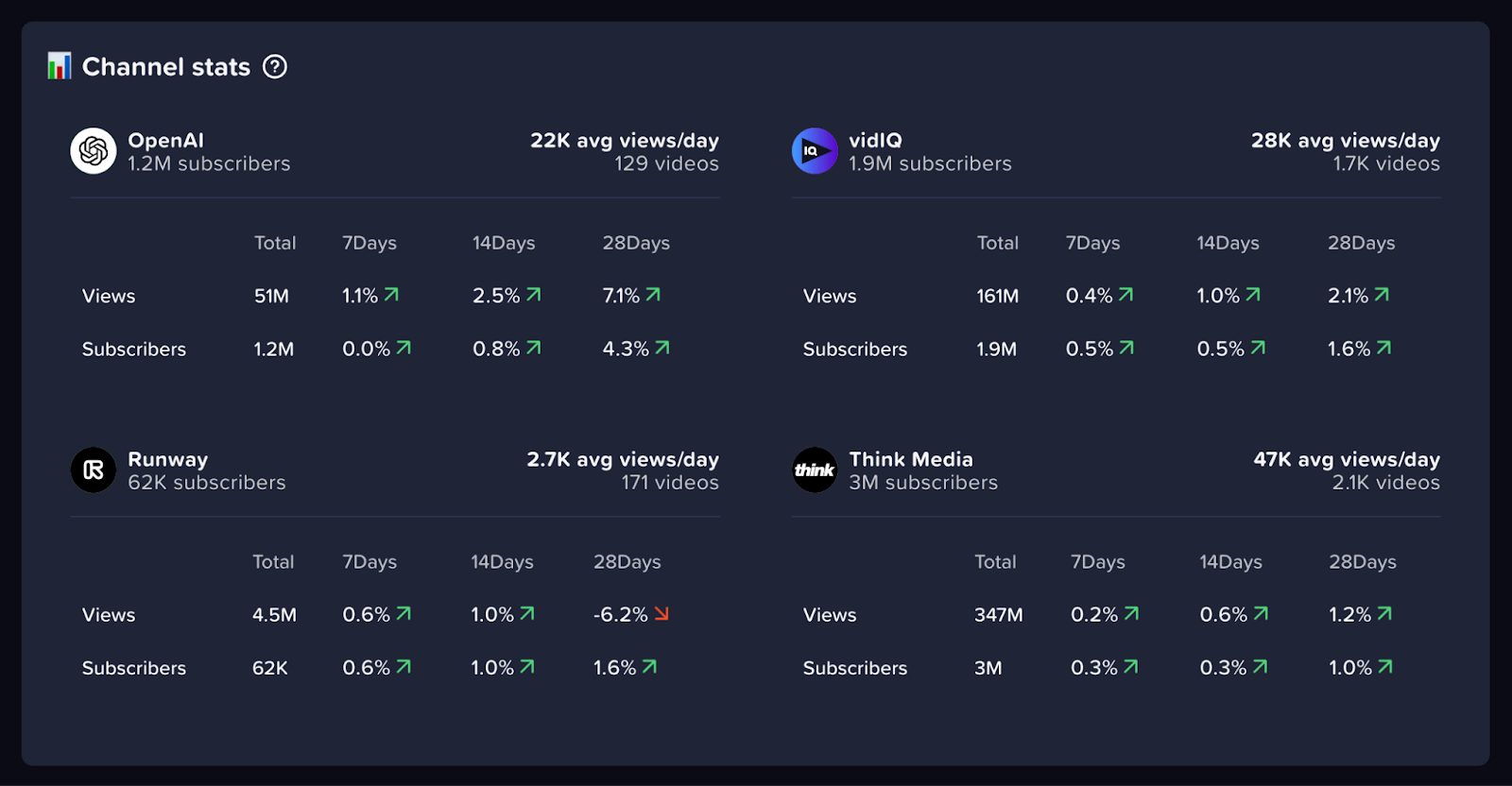
Designed exclusively for video creators and brands prioritizing video-sharing ecosystems, vidIQ delivers specialized analytics tailored to the YouTube algorithm. The platform allows users to input competing channels to audit metrics such as views per hour, subscriber acquisition velocities, and publication schedules. By highlighting evergreen content trends through historical view metrics, vidIQ serves creators who require granular video performance data without investing in cross-channel enterprise suites. The entry-level paid plan begins at $19 per month, while a limited free tier accommodates baseline tracking for up to three competitors.
Social Status Offers Budget-Friendly Social Metrics
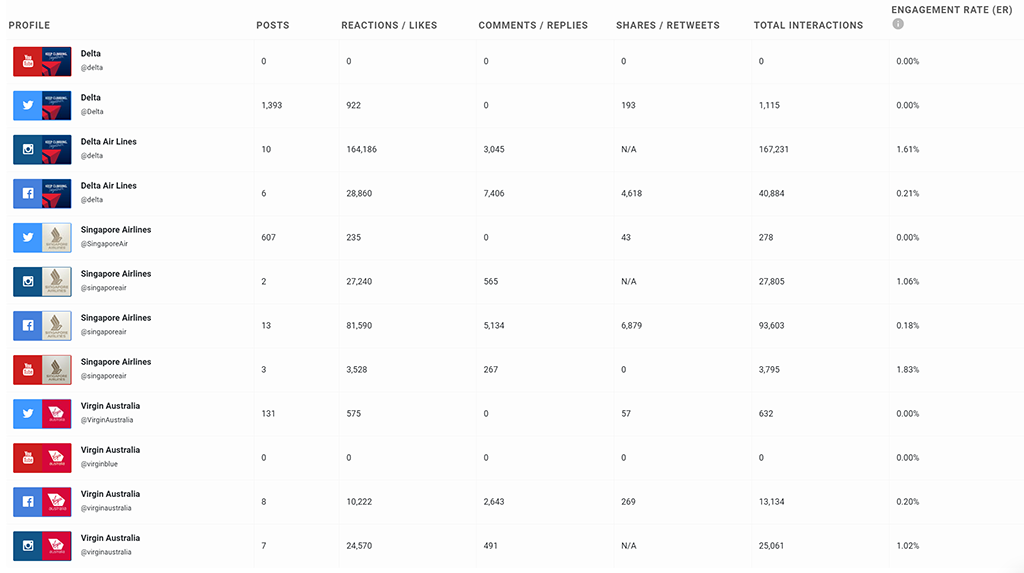
For small businesses and independent operators seeking foundational social media benchmarking without incurring substantial overhead, Social Status provides cross-network performance tracking. The platform evaluates standard engagement metrics, including likes, comments, shares, and follower growth trajectories across major social networks. While its interface lacks the advanced aesthetic polish of higher-tier agency dashboards, it functions as a cost-effective solution for tracking direct rivals. Paid tiers featuring competitor analytics start at $9 per month.
Ahrefs Targets Backlink Profiles and Keyword Gaps
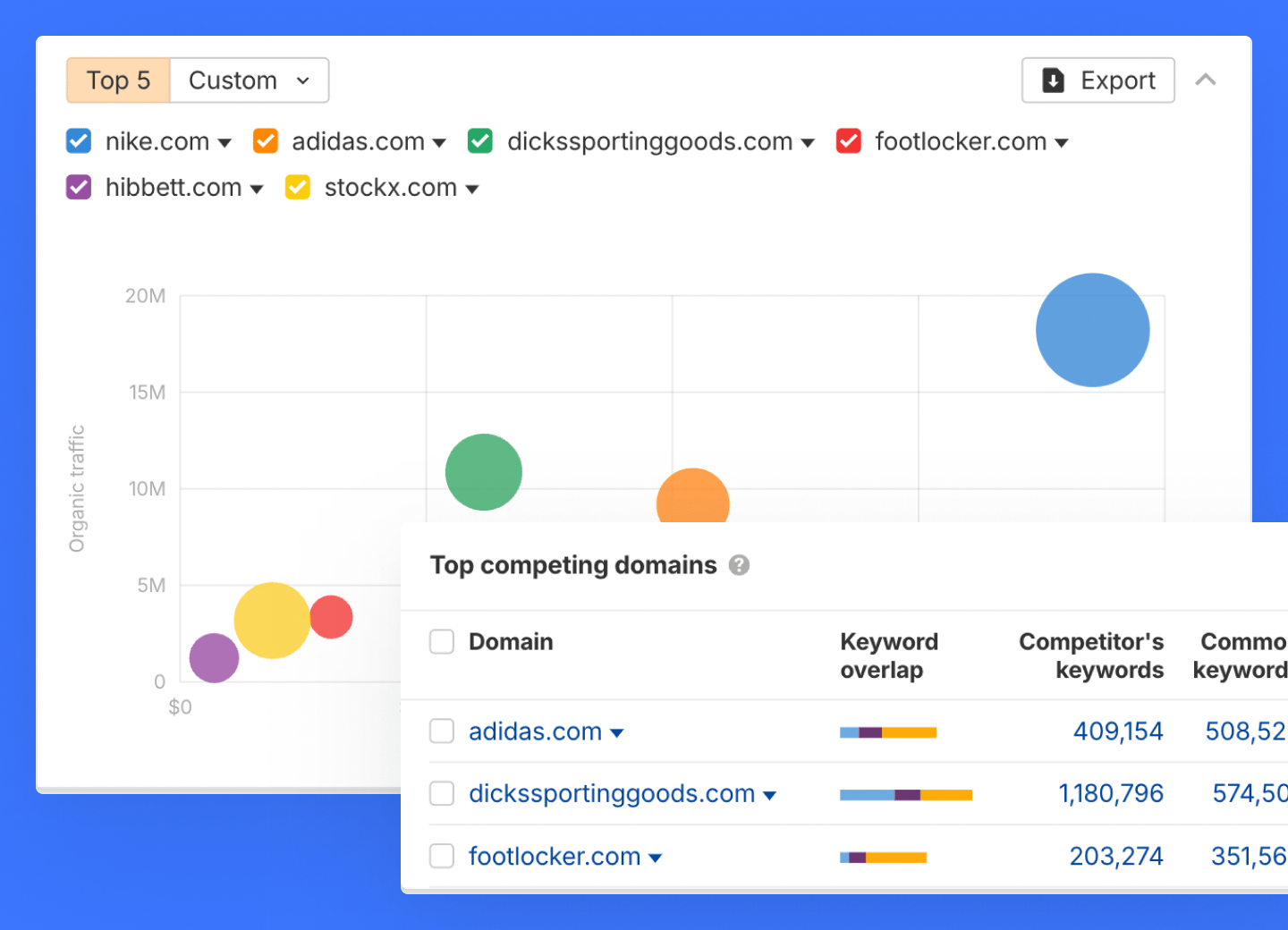
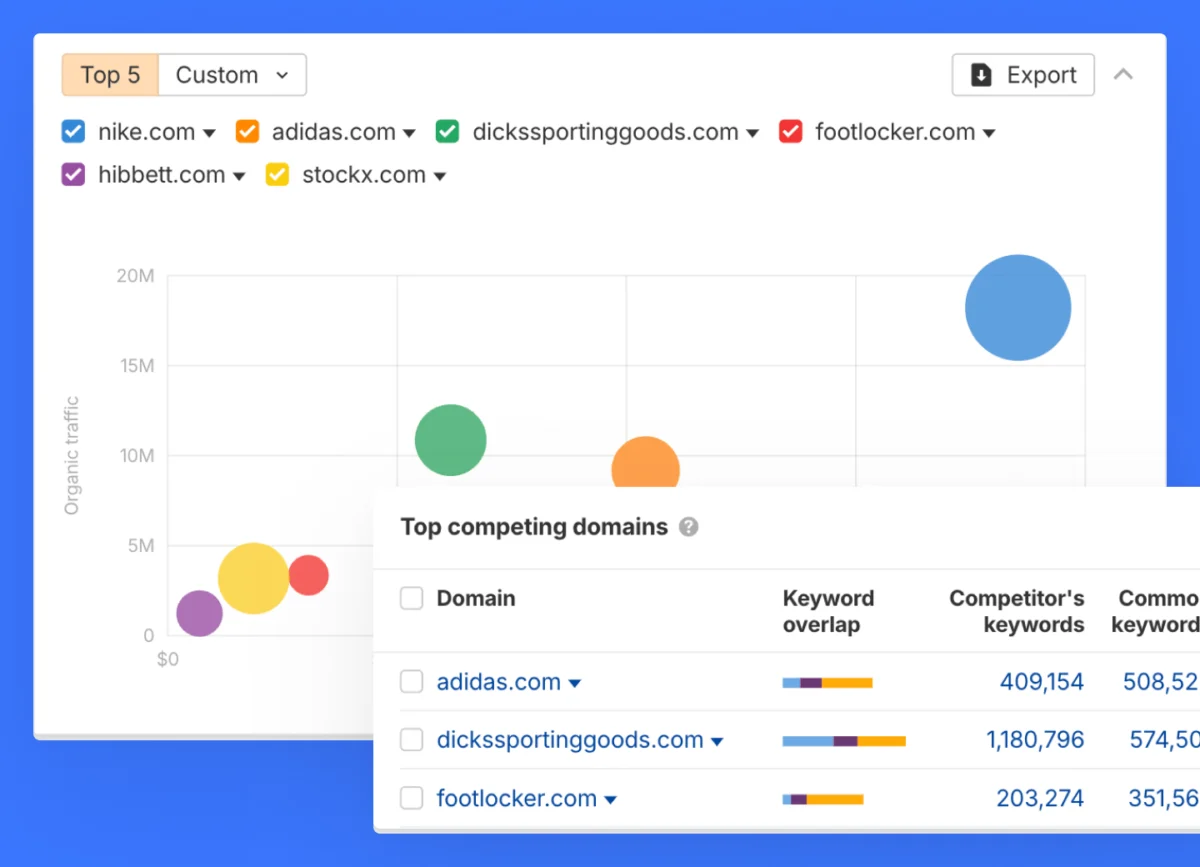
In the realm of search engine optimization, enterprise and independent marketers frequently utilize Ahrefs to deconstruct the organic search strategies of competing domains. The software provides deep visibility into organic traffic flows, paid search campaigns, and referring domain profiles. By identifying content gaps—keywords for which competitors rank while the user does not—Ahrefs facilitates targeted content creation. Entry-level pricing starts at $29 per month, supplemented by a limited free tier for fundamental site audits.
Competitors App Monitors Multi-Channel Marketing
Organizations managing diverse marketing portfolios often deploy the Competitors App to consolidate real-time alerts across social media, email campaigns, pay-per-click advertising, and search engine positioning. The software tracks website structural modifications and ad copy changes executed by rivals. However, its pricing structure operates on a per-competitor model starting at $29.90 per competitor per month, requiring careful financial calculation for brands monitoring large cohorts of market adversaries.
SparkToro Uncovers Audience Overlap and Media Consumption
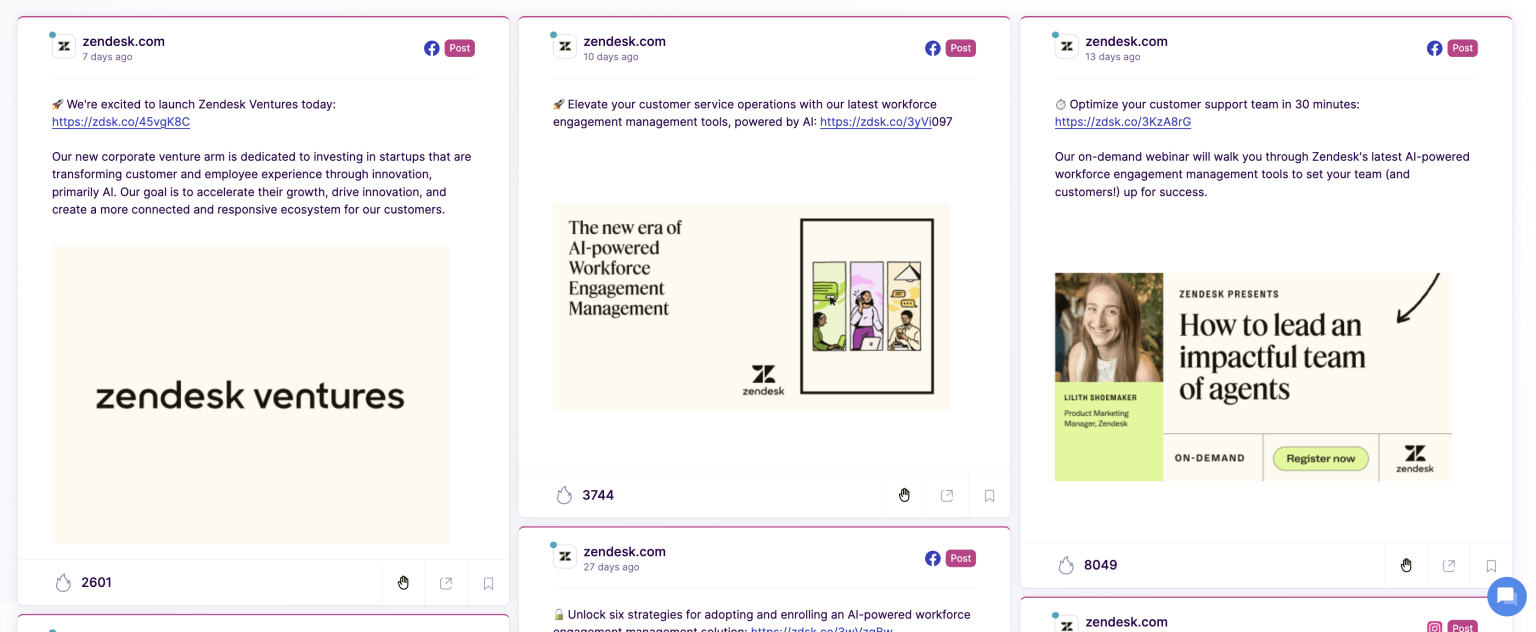
Addressing the challenge of early-stage brand awareness where internal audience data is scarce, SparkToro analyzes aggregate behavioral data to reveal where target demographics allocate their attention. By indexing website behaviors, the platform identifies the podcasts consumed, newsletters read, and social accounts followed by a competitor’s audience. This intelligence informs collaborative marketing and outreach campaigns. Pricing begins at $50 per month following a restricted free tier of three monthly reports.
Socialinsider Bridges Mid-Market Social Benchmarking
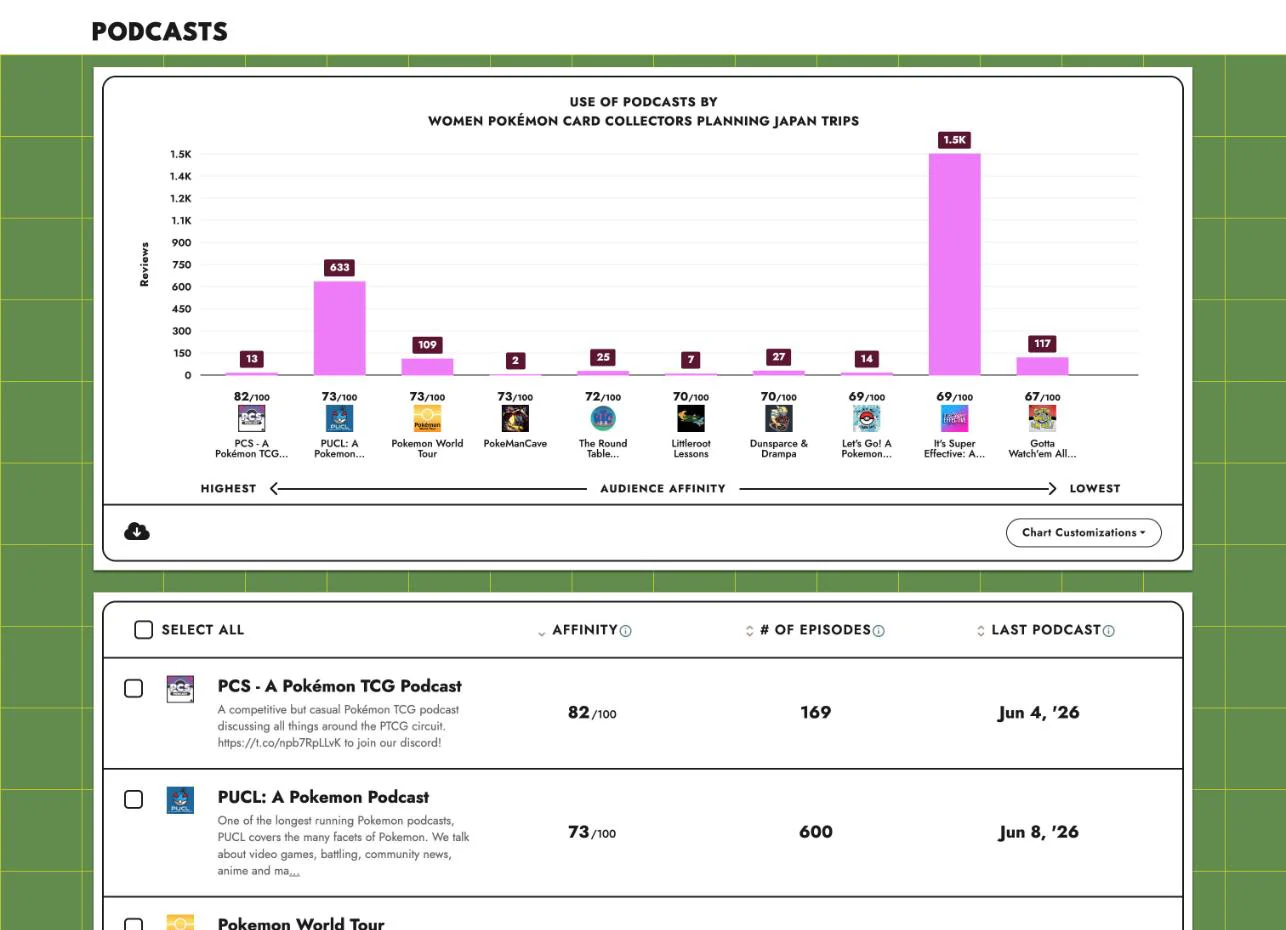
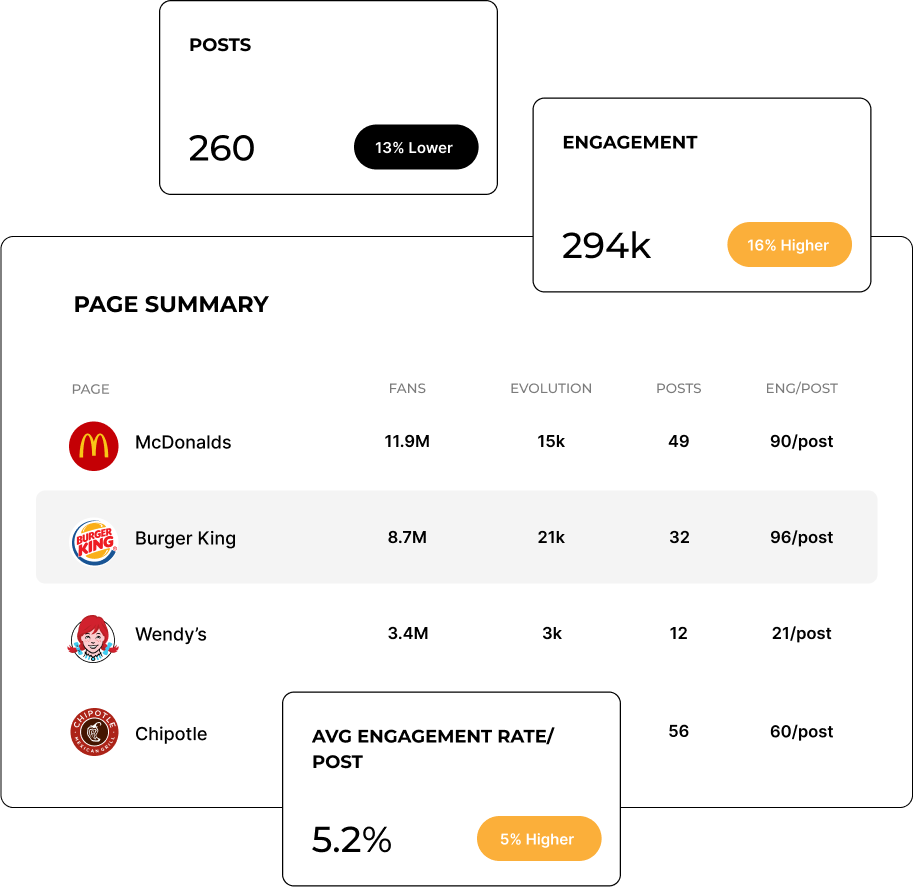
Positioned between basic social counters and enterprise agency suites, Socialinsider delivers cross-network benchmarking for in-house marketing teams. The platform calculates comparative engagement rates, campaign performance, and industry-average benchmarks across major social channels. With plans starting at $99 per month, it provides the depth required by professional social media managers without demanding enterprise-level capital expenditure.
Similarweb Estimates Web Traffic and Market Share
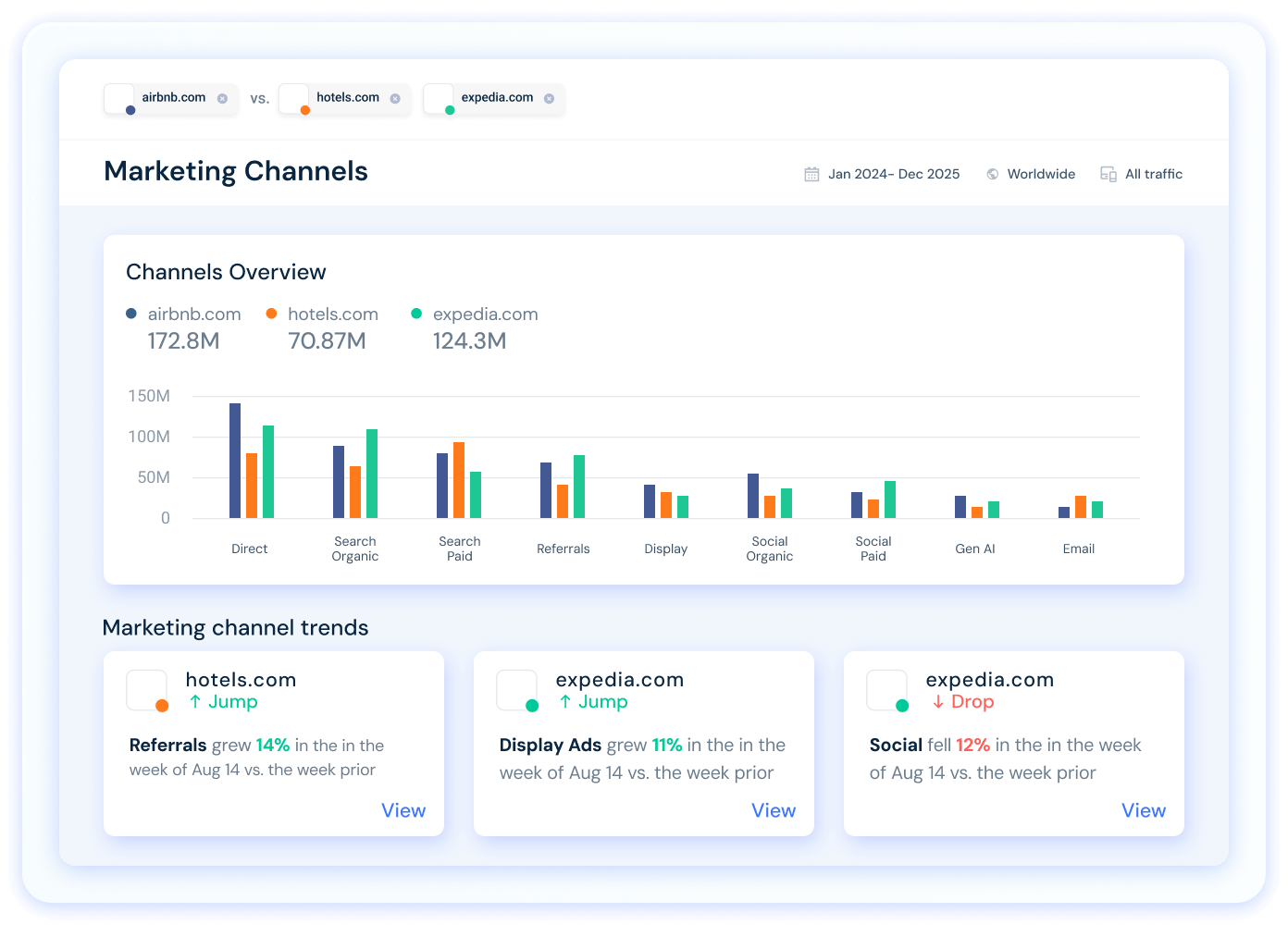
Shifting focus from social engagement to macroeconomic digital performance, Similarweb estimates overall website traffic volumes, geographic distributions, and user acquisition channels. The platform is particularly valued for its referral traffic breakdown, which identifies whether visitors arrive via search engines, direct navigation, or specific social networks. Similarweb services organizations needing directional market share estimates, with pricing starting at $125 per month following a formal trial period.
Semrush Delivers Unified Search and AI Visibility
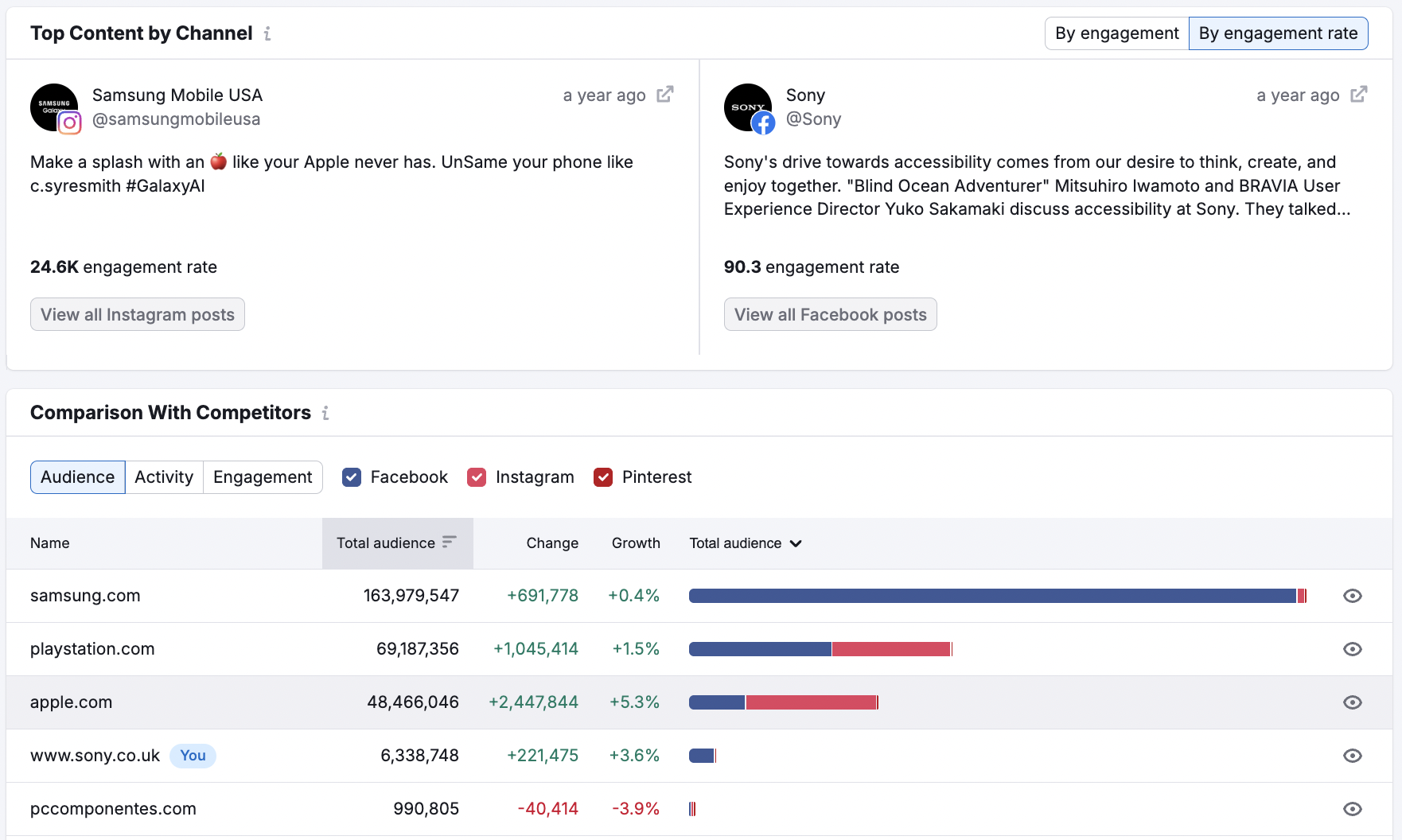
As a dominant force in digital marketing software, Semrush combines robust SEO capabilities with social media tracking and paid advertising analysis. The platform allows users to benchmark domain authority, analyze competing ad creatives, and monitor brand positioning across search engines and emerging AI-powered discovery tools. Its comprehensive feature set caters to mid-sized to large enterprises, with SEO plans starting at $139 per month, complemented by a restricted free tier.
BuzzSumo Evaluates Content Virality and Shares
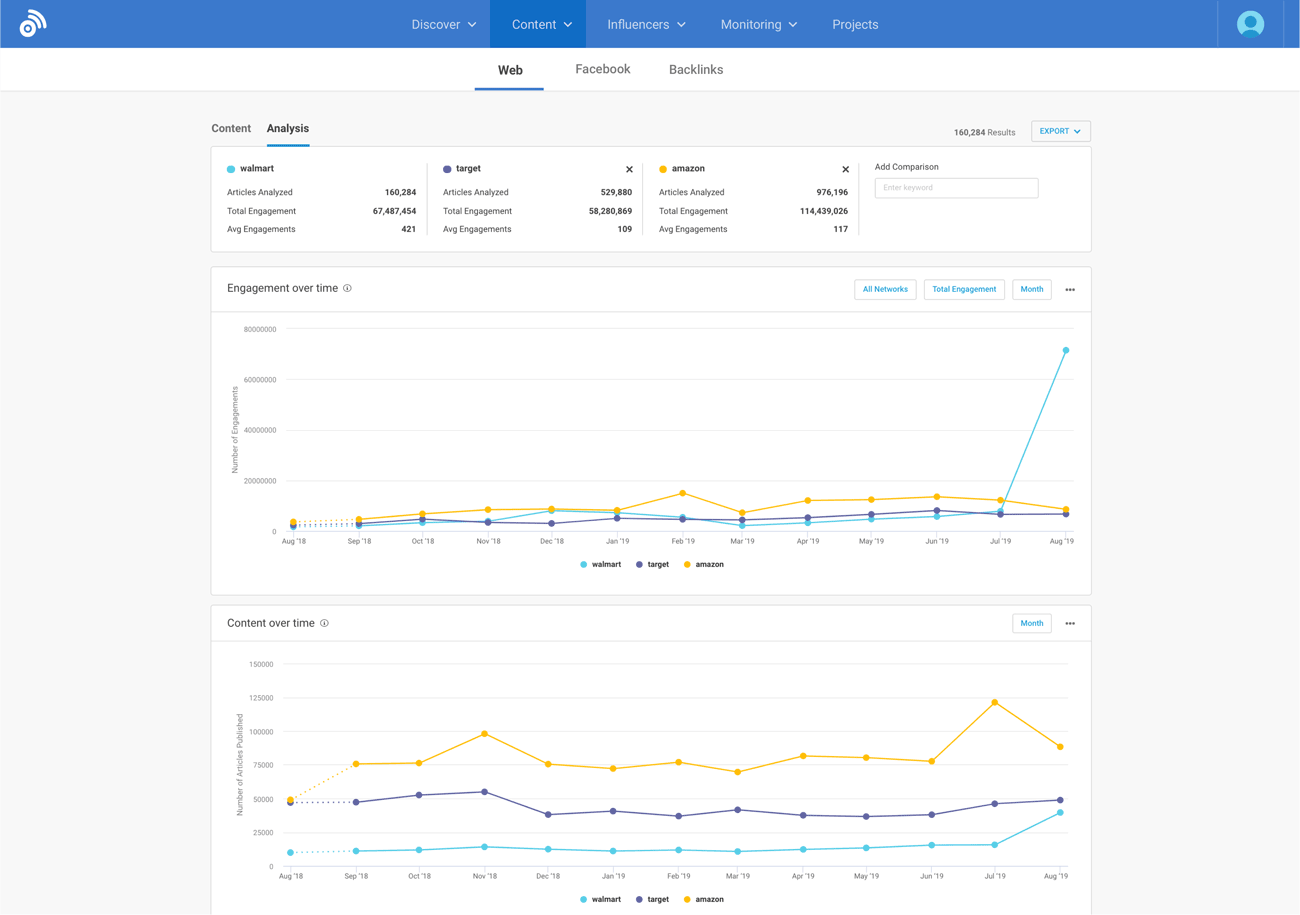
Focused primarily on content marketing research, BuzzSumo tracks which articles, blog posts, and digital campaigns achieve high social sharing volumes within specific industries. While historical social engagement data on platforms like Facebook remains limited due to platform API restrictions, BuzzSumo assists editorial teams in identifying high-performing topic clusters. Subscriptions start at $199 per month.
Rival IQ Supplies Agency-Grade Client Reporting
Engineered specifically for digital marketing agencies and enterprise brands requiring formal reporting collateral, Rival IQ offers deep analytical dashboards. The platform tracks bio alterations, posting frequencies, and paid amplification strategies across social channels while automatically contextualizing a brand’s metrics against broader industry averages. Pricing starts at $239 per month, reflecting its position as an enterprise-grade reporting solution.
Brand24 Monitors Brand Mentions and Sentiment
For organizations prioritizing reputation management and share-of-voice analysis, Brand24 utilizes natural language processing to monitor brand mentions across social media, news outlets, web forums, and AI search engines. The software evaluates sentiment analysis to determine whether public perception of a competitor is positive, neutral, or negative. Individual plans begin at $249 per month.
Methodology and Selection Criteria for Software Procurement
Selecting appropriate competitive intelligence software necessitates a structured evaluation of organizational objectives and resource constraints. Industry analysts recommend categorizing software needs before financial commitment to avoid purchasing redundant features.
- Define Primary Channels: Organizations must isolate their primary customer acquisition channels. Brands dependent on organic search should prioritize platforms like Semrush or Ahrefs, whereas social-first enterprises benefit from tools like Socialinsider or Rival IQ.
- Calculate Monitored Entities: Software pricing models vary. Platforms charging per competitor—such as the Competitors App—can become cost-prohibitive for broad market sweeps, whereas flat-rate tiered subscriptions offer greater predictability for multi-rival tracking.
- Evaluate Reporting Requirements: Internal teams requiring exportable, aesthetically polished client presentations must weigh the visual capabilities of dashboards, favoring tools designed for agency environments.
Implications for Digital Strategy and Resource Allocation
The integration of competitor analysis tools into daily marketing operations presents both strategic advantages and operational risks. Industry practitioners emphasize that continuous monitoring can inadvertently foster reactive content creation, where brands merely imitate market leaders rather than establishing unique value propositions.

Market observers note that software should function as a diagnostic instrument rather than a creative compass. Effective utilization involves establishing a disciplined cadence—such as monthly reviews of competitor follower growth, top-performing content formats, and strategic pivots—while maintaining primary focus on internal community building and conversion efficiency. Failure to apply this critical filter often results in resource depletion, as teams expend capital tracking metrics that bear little correlation to ultimate business revenue.
As digital channels continue to evolve through the integration of generative search and automated content distribution, the role of competitor intelligence software will remain central to digital marketing operations. Organizations that balance automated data acquisition with strategic introspection will be best positioned to interpret market shifts without compromising brand authenticity.