 Hanik Kholidah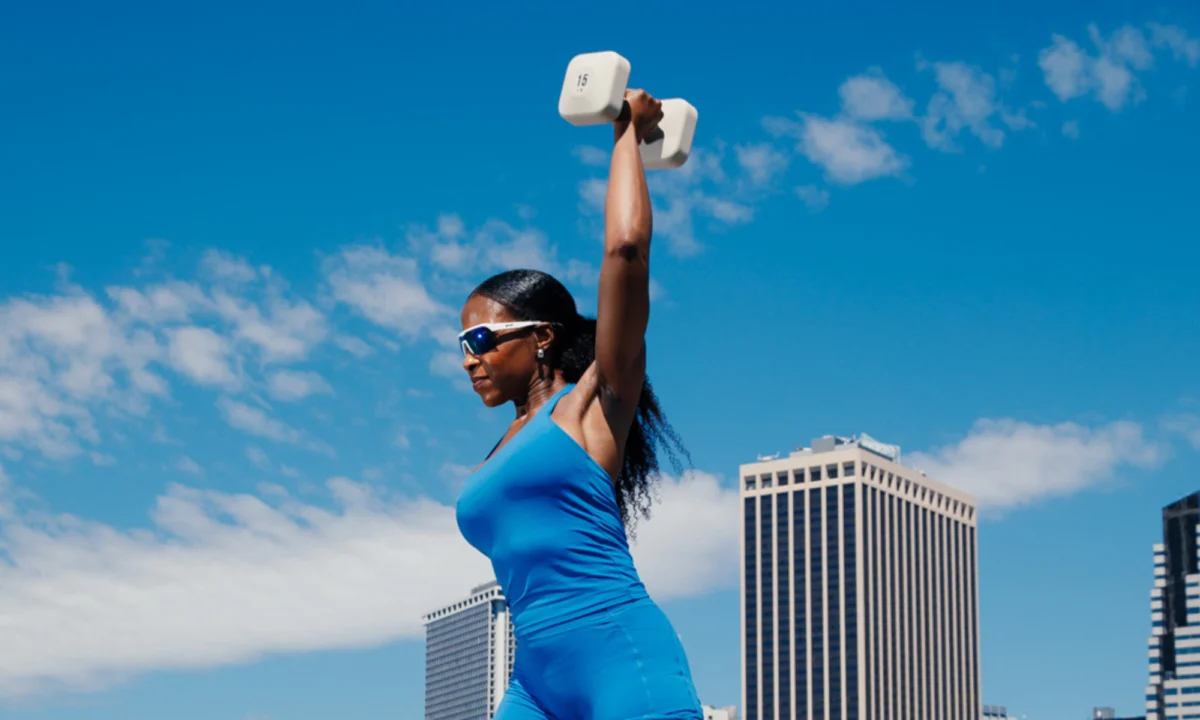
For generations, the cultural narrative surrounding women, fitness, and physical activity has been inextricably tethered to aesthetic outcomes. From mainstream media advertising to deeply embedded societal norms, exercise has frequently been framed as a tool for weight management, body modification, and the pursuit of narrow beauty standards. However, a growing body of qualitative research and evolving psychological insights point toward a profound paradigm shift. Physical conditioning—particularly strength training—is increasingly recognized not merely as a method for altering appearance, but as a transformative catalyst for psychological empowerment, self-efficacy, and a redefined self-image among women.
Recent academic inquiries into women’s fitness dynamics have begun to illuminate how shifting from an aesthetic-focused mindset to a performance-oriented mindset alters psychological well-being. A notable qualitative study conducted in Malatya, Türkiye, offers deep insights into this phenomenon, highlighting how regular engagement in strength-building environments reshapes women’s perceptions of their own bodies, capabilities, and mental resilience.
The Psychological Shift from Aesthetics to Functionality
To understand the profound impact of strength training on self-perception, researchers have sought to examine the mental and emotional trajectories of women who incorporate regular resistance exercise into their routines. Traditional fitness paradigms often foster a hyper-fixation on the reflection in the mirror, turning exercise into a chore driven by self-criticism or the desire to meet external validation.
In contrast, strength training introduces an entirely different metric of success. Progress is measured not in centimeters lost, but in kilograms added to a barbell, the ease of carrying heavy groceries, improved posture during long work hours, or the ability to navigate physical challenges without fatigue. This transition from visual metrics to functional metrics fosters what psychologists term "embodied agency"—the realization that one’s body is an active, capable instrument rather than a passive object meant to be looked at.
When a woman realizes she can squat her own body weight, perform an unassisted pull-up, or conquer a strenuous hiking trail, the psychological implications extend far beyond the gym floor. These tangible milestones cultivate a deep-seated sense of capability that frequently permeates other areas of life, including professional confidence, emotional resilience, and interpersonal boundaries.
Inside the Malatya Study: Methodology and Demographics
To investigate these psychological transformations empirically, researchers structured a qualitative study focusing on the lived experiences of women actively participating in fitness regimens. The study examined a cohort of 16 women, ranging in age from 23 to 48, all of whom were members of women-only fitness facilities in Malatya, Türkiye.

At the time of the interviews, the participants were relatively new to structured fitness culture. The majority had been engaging in regular exercise for a year or less, with a minimum threshold of two consecutive months of consistent participation. This demographic profile was intentionally selected to capture the transitional phase wherein initial motivations—often rooted in weight loss or general health—evolve into deeper psychological and behavioral shifts.
The methodology relied on open-ended written questionnaires designed to capture the nuanced, subjective experiences of the participants. Researchers subsequently analyzed these responses through rigorous thematic coding, extracting recurring patterns regarding body image, self-esteem, psychological comfort, and personal autonomy.
The Crucial Role of Supportive Fitness Environments
One of the most significant findings to emerge from the Malatya study centered on the physical and social environment in which these women trained. The participants overwhelmingly emphasized the importance of women-only fitness centers in facilitating their psychological growth and reducing exercise-related anxiety.
Gym culture has historically been intimidating for many women, often dominated by male-centric spaces, unsolicited advice, and an atmosphere permeated by the male gaze or critical observation. For beginners, this environment can exacerbate body surveillance—the persistent habit of viewing oneself through the perspective of an external observer.
In contrast, the women-only fitness spaces described in the study provided a sanctuary of psychological safety. Free from the perceived judgment of mixed-gender spaces, participants reported feeling liberated to focus entirely on their personal form, performance, and internal goals. This supportive communal atmosphere fostered mutual encouragement among members, shifting the cultural dynamic from competitive comparison to collective empowerment. Within this protected space, women felt permitted to take up physical space, exert maximal effort, and embrace sweat and muscular exertion without self-consciousness.
Navigating Societal Expectations and Pushback
The journey toward physical and psychological autonomy is rarely without friction. As the participants in the study grew stronger and more assertive through their fitness routines, many encountered external resistance from friends, family members, or social circles.
This pushback frequently manifested as traditional questioning regarding their motivations: Why lift heavy weights? Aren’t you afraid of getting too muscular? Won’t this make you look bulky? Such inquiries reflect deeply ingrained cultural biases that continue to police women’s bodies, attempting to confine them within narrow, delicate archetypes.

The existence of external skepticism underscores why supportive environments like women-only gyms are so vital. By shielding participants from constant societal commentary during their formative training months, these facilities allow women to solidify their internal motivations. Over time, the validation derived from personal physical achievements equips these individuals with the resilience needed to brush off external critiques, replacing the desire for societal approval with self-authored validation.
Broader Implications for Public Health and Psychology
The implications of these findings extend far beyond individual gym memberships, offering valuable insights for public health initiatives, clinical psychologists, and personal trainers. For decades, public health messaging aimed at women has leaned heavily on weight-centric arguments, often inadvertently fostering body dissatisfaction, anxiety, and disordered eating patterns.
By reframing physical activity around functional capacity and strength, health advocates can promote more sustainable, psychologically nourishing habits. Strength training is uniquely positioned to serve this purpose. Unlike cardiovascular regimens that are frequently prescribed strictly for caloric expenditure, resistance training inherently demands focus, progression, and physical dominance over an external load.
Furthermore, the mental health benefits of resistance training are increasingly supported by neurobiological research. Exercise stimulates the release of endorphins, reduces cortisol levels, and promotes neuroplasticity. When combined with the psychological boost of mastering a difficult physical skill, strength training becomes a potent intervention for mitigating symptoms of anxiety and depression.
Redefining Wellness for Future Generations
As fitness culture continues to evolve, the narrative surrounding women’s health is undergoing a much-needed cultural correction. The days of restrictive diets paired exclusively with endless, punishing cardio are slowly giving way to a more balanced, empowering era focused on longevity, metabolic health, and physical competence.
The psychological transformation documented in research—where a woman looks at her body not with a critical eye searching for flaws, but with profound gratitude and awe for what it can achieve—represents a monumental stride forward in body politics. When strength training changes how a woman perceives her physical limits, it invariably rewrites her internal monologue, transforming self-doubt into unshakeable self-reliance.
Ultimately, the true value of lifting weights lies not in the physical transformation visible in the mirror, but in the invisible, enduring architecture of mental fortitude. As more women discover the profound connection between physical capability and self-worth, the cultural definition of strength will continue to expand, proving that building muscle is, at its core, an act of self-discovery.