 Cintya Tara Annisa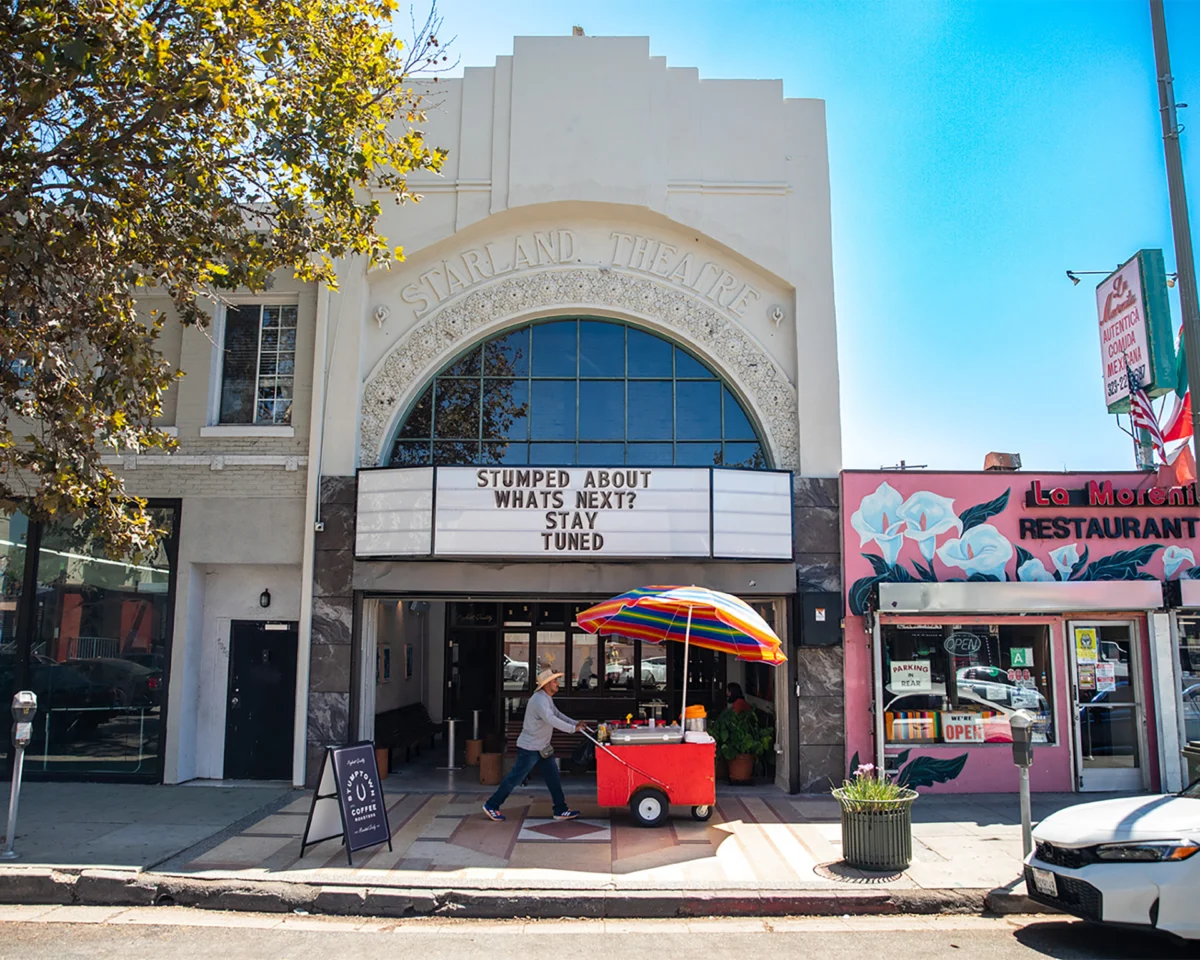
The specialty coffee landscape in Southern California has witnessed a significant shift as Stumptown Coffee Roasters, the Portland-based institution that helped define the modern "third-wave" coffee movement, has officially re-established its presence in Los Angeles. The new cafe, situated within the iconic Starland Theater building at the intersection of North Broadway and Workman in the Lincoln Heights neighborhood, serves as more than a retail outlet; it functions as a regional headquarters, a training hub, and a testament to the brand’s enduring commitment to urban revitalization and architectural preservation.
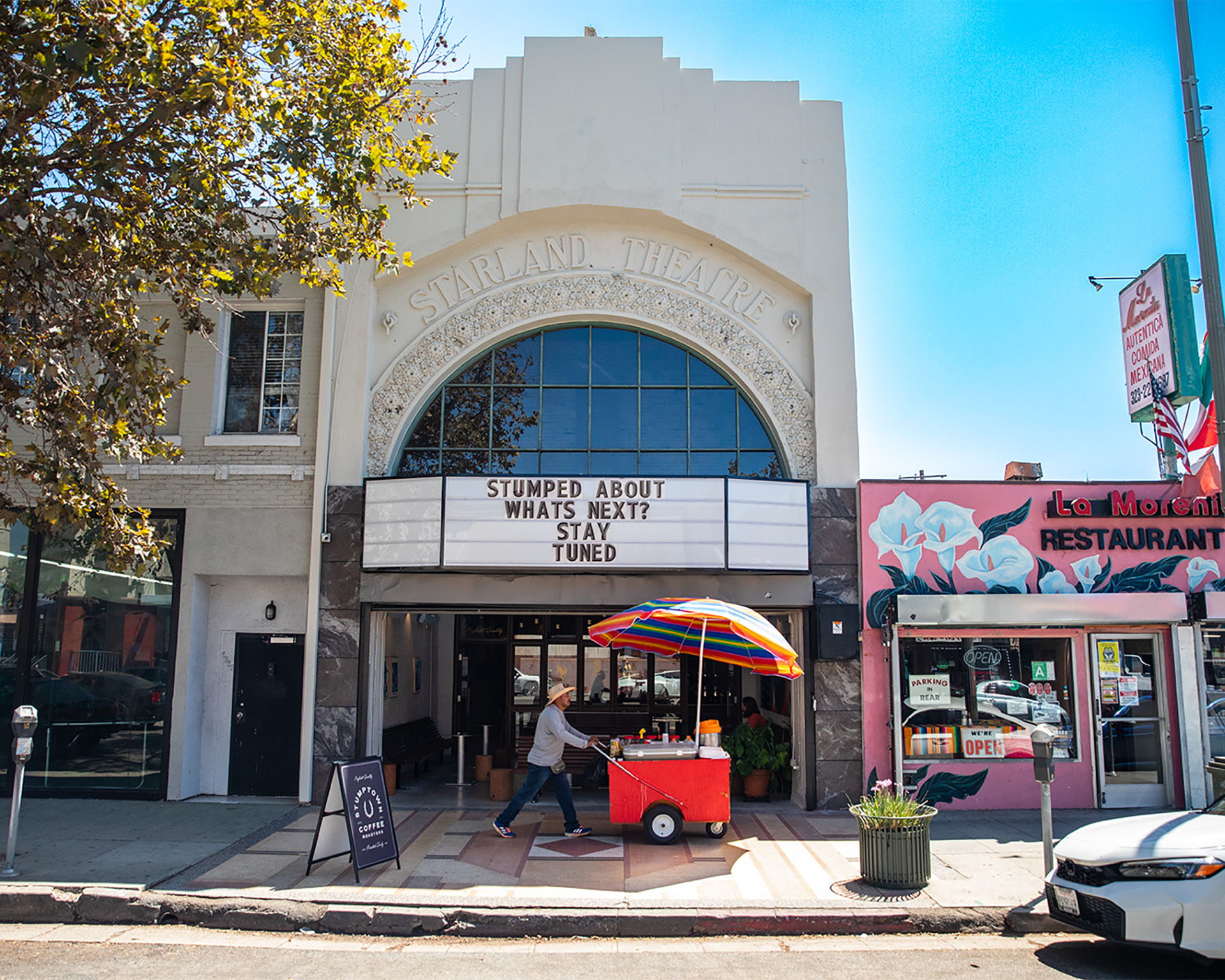
This strategic expansion follows a period of consolidation for the coffee giant, which has spent the better part of the last decade refining its footprint across key global markets including New York, Kyoto, and its native Pacific Northwest. The Lincoln Heights location, which celebrated its grand opening on August 29, 2026, represents a homecoming for the brand, placing it in one of the city’s most historically significant and culturally vibrant corridors.
A Legacy of Direct Trade and Industry Evolution
To understand the weight of this opening, one must consider the historical context of Stumptown’s operational model. Founded in 1999 by Duane Sorenson, the company gained national prominence by challenging the commodity-based coffee industry. In 2003, the brand formalized its "Direct Trade" sourcing model, a practice that prioritized long-term, high-transparency relationships with producers.

This model, which began with foundational partnerships such as that with the Aguirre family of Finca El Injerto in Guatemala, has since become the industry standard for high-end coffee retailers. According to internal data provided by the company, this commitment remains robust; in 2024, more than 90% of the company’s total coffee procurement originated from Direct Trade relationships spanning three or more consecutive years. Furthermore, the brand’s commitment to transparency is underscored by its collaboration with Enveritas, an independent monitoring firm, which verified 100% of their 2024 purchases against 30 distinct sustainability criteria. Since 2018, Stumptown has maintained B-Corp certification, a designation that requires rigorous adherence to social and environmental performance standards, transparency, and accountability.
Adaptive Reuse and Neighborhood Integration
The choice of the Starland Theater as the site for this expansion is deliberate. Lincoln Heights, characterized by its deep-rooted history and distinct architectural profile, has become a focal point for adaptive reuse projects in Los Angeles. Stumptown’s approach to this space reflects a broader trend in commercial real estate: the marriage of historic preservation with modern, functional design.
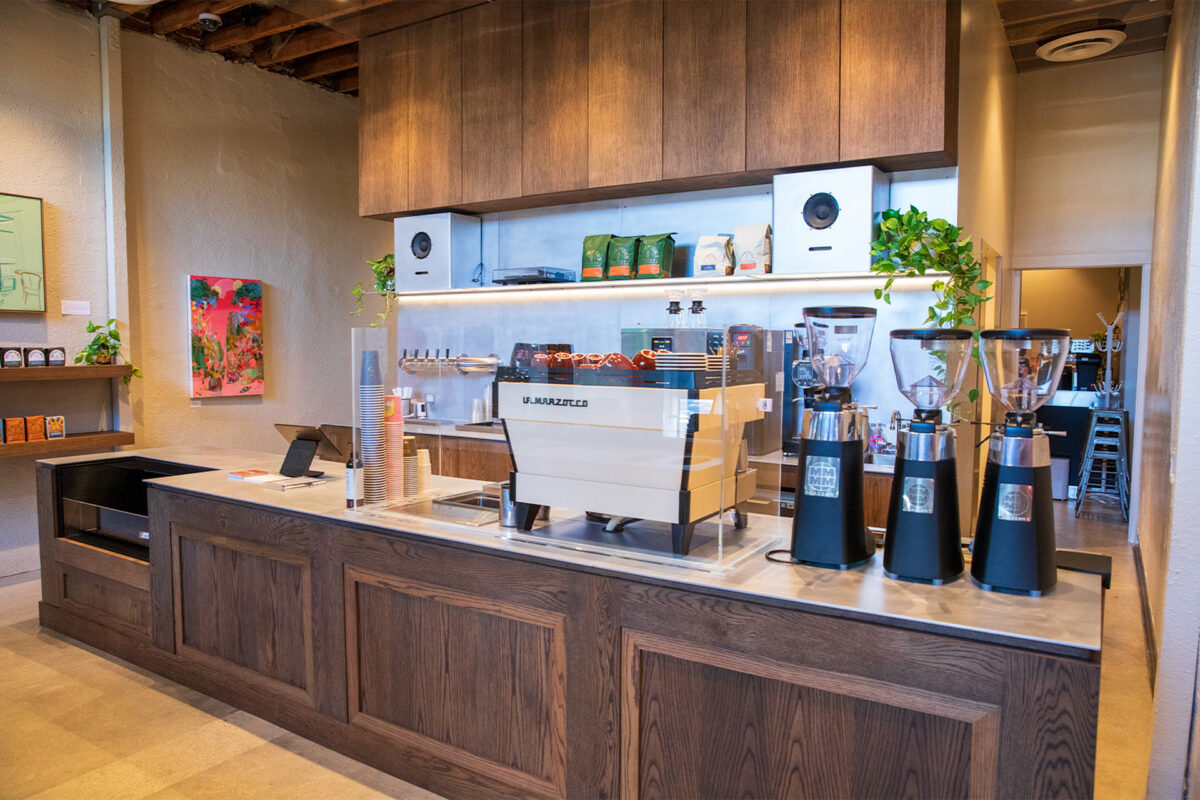
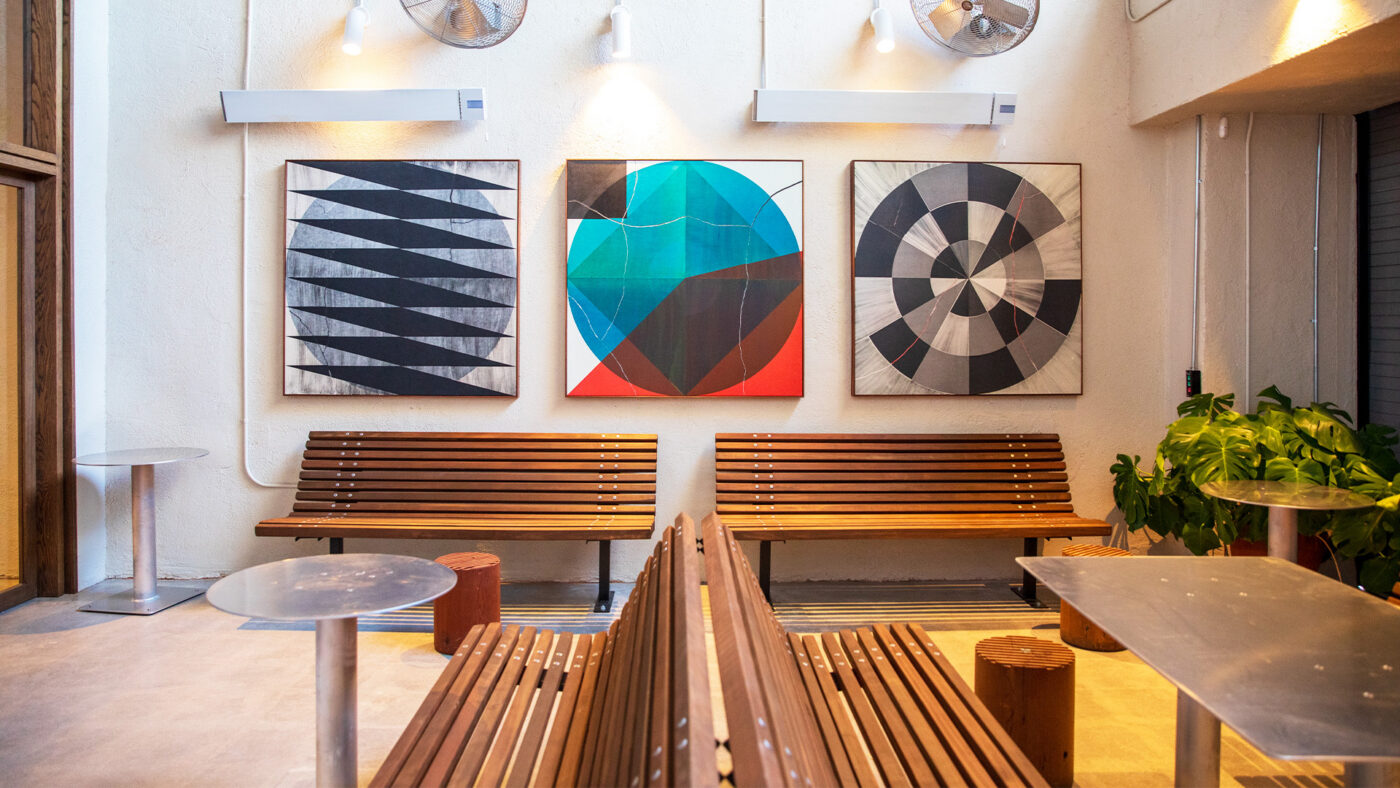
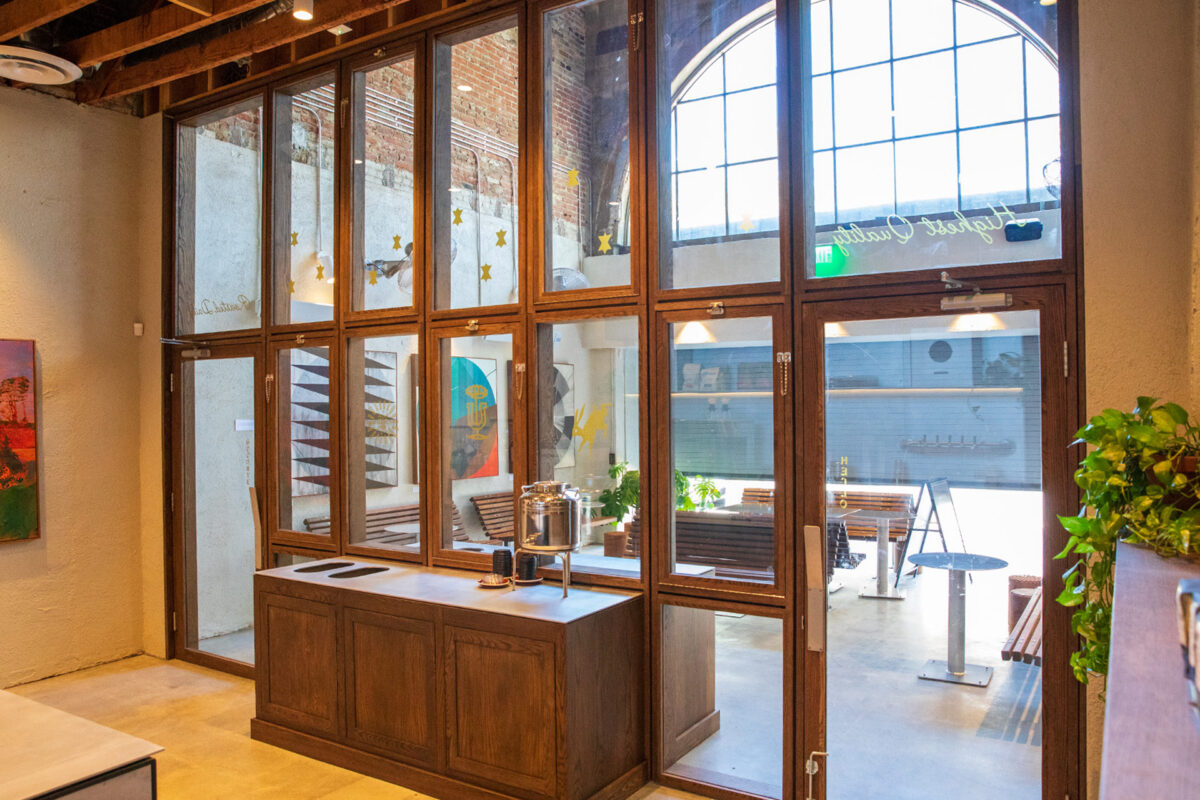
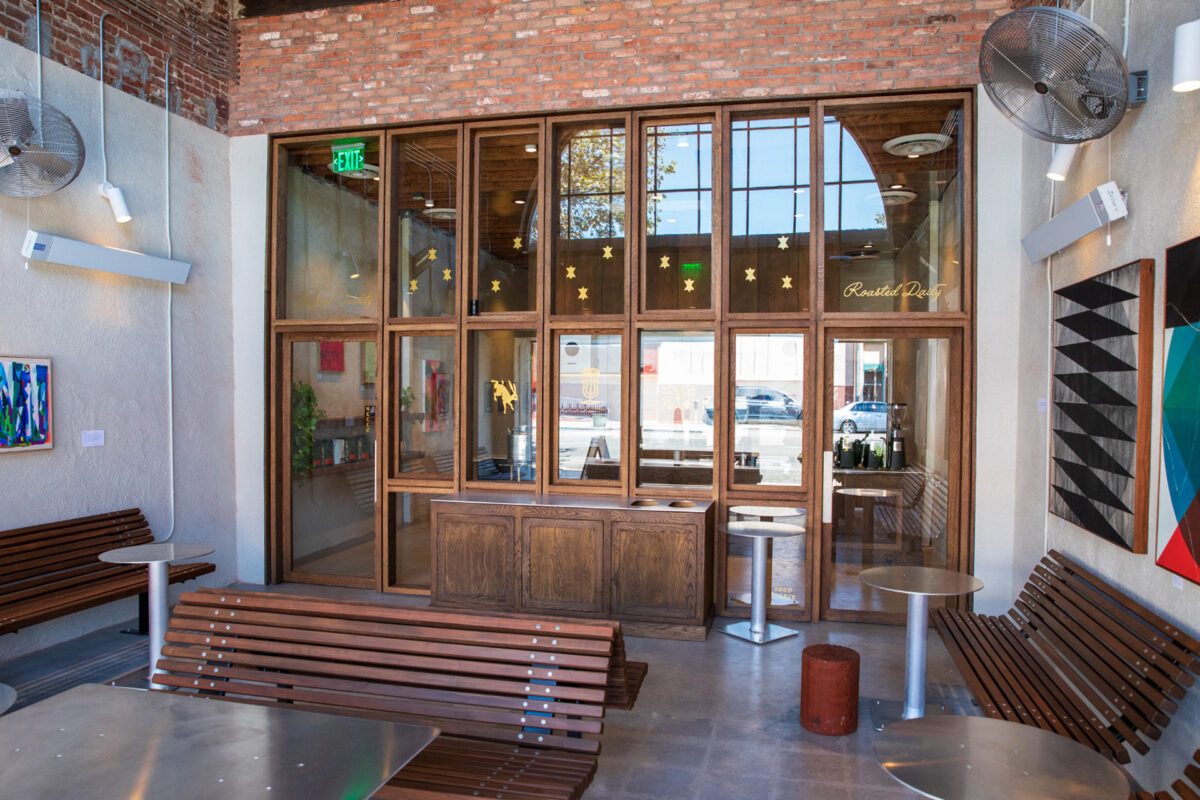
The design team at Klein Agency was tasked with the sensitive restoration of the site. Key architectural features, including the original theater facade and the classic terrazzo flooring, were meticulously preserved to ground the cafe in the building’s heritage. The interior design avoids the sterile, industrial aesthetic often associated with contemporary coffee bars in favor of a warm, textured environment. A notable design element includes the use of reclaimed timber for the atrium seating, sourced from fallen trees found throughout the Los Angeles area. This material choice is not merely aesthetic; it serves as a tangible expression of the company’s commitment to local environmental stewardship.
Operational Infrastructure and Technical Specifications
The technical requirements for a facility of this magnitude—which serves as both a public-facing cafe and a regional training center—are substantial. The equipment list reflects a preference for industry-standard reliability paired with high-precision output.
For espresso service, the cafe utilizes two-group La Marzocco Linea PB ABR machines. These machines, known for their auto-brew ratio technology, allow for consistent extraction by measuring the weight of the liquid output, a critical component for maintaining the flavor profiles established at the company’s roasting facilities. The grinding infrastructure is anchored by a fleet of Mazzer equipment: two Kony S units for espresso and a high-capacity Robur, alongside a Mazzer ZM for bulk grinding duties. The batch brewing setup features the Curtis G4 ThermoPro twin-brewer, a system widely regarded for its thermal stability and large-scale, consistent production capabilities.
The Role of Creative Partnerships
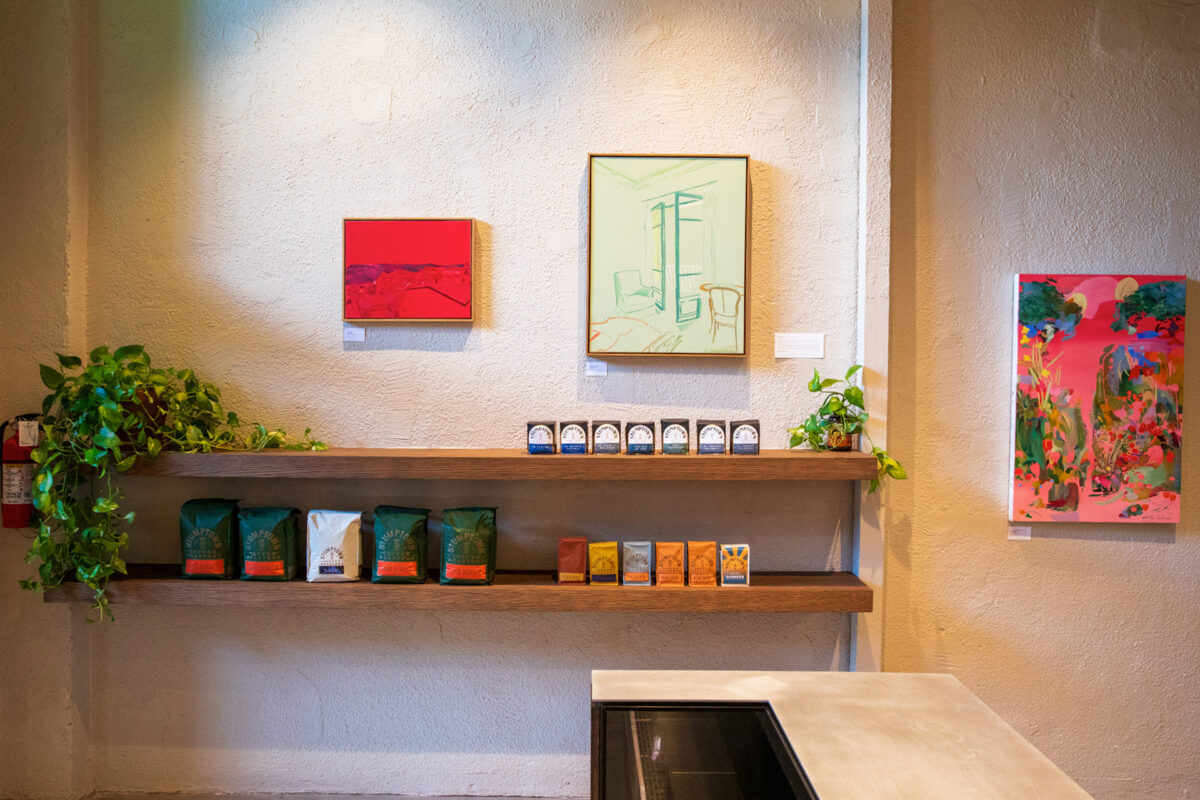
Beyond the technical build-out, the atmosphere of the space is shaped by a curated selection of artistic and creative contributions. Stumptown has integrated local art into the fabric of the cafe, featuring works by Holly Osborne, Jordan Clark, and Chris Chandler. These pieces, alongside custom-fabricated acoustic and seating elements designed by the Klein Agency, contribute to an "undeniably Stumptown" atmosphere—a blend of Pacific Northwest minimalism and Los Angeles’s distinct, expansive creative energy. Tim Wenzel, the brand’s creative producer, played a central role in ensuring these elements aligned with the company’s broader visual identity.
Broader Economic and Cultural Implications
The opening of a high-profile brand like Stumptown in Lincoln Heights carries implications for the neighborhood’s commercial trajectory. As a "neighborhood anchor," the cafe is designed to encourage pedestrian traffic, potentially serving as a catalyst for increased activity in the local corridor. By investing in an underutilized historic asset, the brand contributes to the ongoing debate regarding the impact of gentrification versus urban revitalization.
From an economic perspective, the presence of a regional training hub within the city allows Stumptown to centralize its educational efforts for staff across Southern California. This ensures that the standards of quality control, customer service, and technical proficiency—developed over more than 25 years of operation—are maintained at a localized level. It also signals a broader commitment to the Los Angeles market, where the brand seeks to solidify its position against an increasingly competitive field of local, independent, and national specialty coffee roasters.
Looking Toward the Future
The launch of the Starland Theater location follows a period of rigorous planning and construction. While the company has long been present in the Los Angeles region through wholesale channels, grocery partnerships, and earlier retail experiments, this specific iteration is designed for longevity. The inclusion of a training space suggests that Stumptown intends to use this facility to foster internal talent and potentially deepen its ties with the regional coffee community.
As the specialty coffee industry continues to navigate a post-pandemic retail environment, the success of such projects will likely be measured by their ability to balance operational efficiency with authentic community engagement. The integration of high-level sourcing transparency, historic preservation, and technical precision indicates that Stumptown’s strategy is not merely to capture market share, but to embed itself into the cultural and historical fabric of the neighborhoods it enters.
With the doors now open and the machinery calibrated, the focus for the Stumptown team shifts toward daily operations and the cultivation of a steady clientele. For residents of Lincoln Heights and the broader Los Angeles coffee community, the return of a brand that helped define the specialty category marks a notable, albeit evolving, chapter in the city’s complex and storied coffee culture. The company’s continued adherence to its Direct Trade roots, coupled with its investment in the physical environment of its cafes, suggests that the "Stumptown aura" remains a powerful, if refined, force in the contemporary specialty coffee market.
In a sector often criticized for rapid, superficial expansion, Stumptown’s deliberate approach to the Lincoln Heights project stands as a case study in how heritage brands can scale without sacrificing the core tenets of their mission. As the company looks to the future, this site will serve as a bellwether for its ability to balance its identity as an industry pioneer with the practical demands of a modern, local-first retail philosophy.