 Cintya Tara Annisa
The global coffee industry is currently navigating a period of unprecedented transformation, characterized by shifting climatic patterns, increasingly complex logistical frameworks, and a heightened consumer demand for transparency. To address these systemic challenges, the "Green Room" initiative has been established as a centralized hub for industry stakeholders—ranging from boutique roasters to supply chain analysts—to access unfiltered data, educational resources, and intelligence reports. By bridging the gap between producers and the end market, this collaborative effort aims to provide the necessary insights to navigate a market where quality and sustainability are no longer optional, but foundational to business viability.
The Changing Landscape of Global Coffee Logistics
Supply chain volatility has become a defining feature of the modern coffee economy. Climate change, specifically the rise in temperatures and erratic precipitation patterns, has threatened traditional growing regions, necessitating a shift in how importers and exporters manage inventory. Current data suggests that high-altitude Arabica producers are facing significant pressure to adapt to changing biomes, which has forced a recalibration of sourcing strategies.
Logistical complexities, including rising freight costs and port congestion, have made the role of the green coffee importer more critical than ever. Importers are no longer merely moving goods; they are functioning as intelligence hubs, providing roasters with the data required to predict harvest cycles and quality trends. The Green Room serves as an extension of this necessity, offering a platform where stakeholders can monitor new arrivals, track sustainability metrics, and engage with the educational frameworks required to maintain competitive quality standards.
Primavera Green Coffee: A Commitment to Equity and Quality
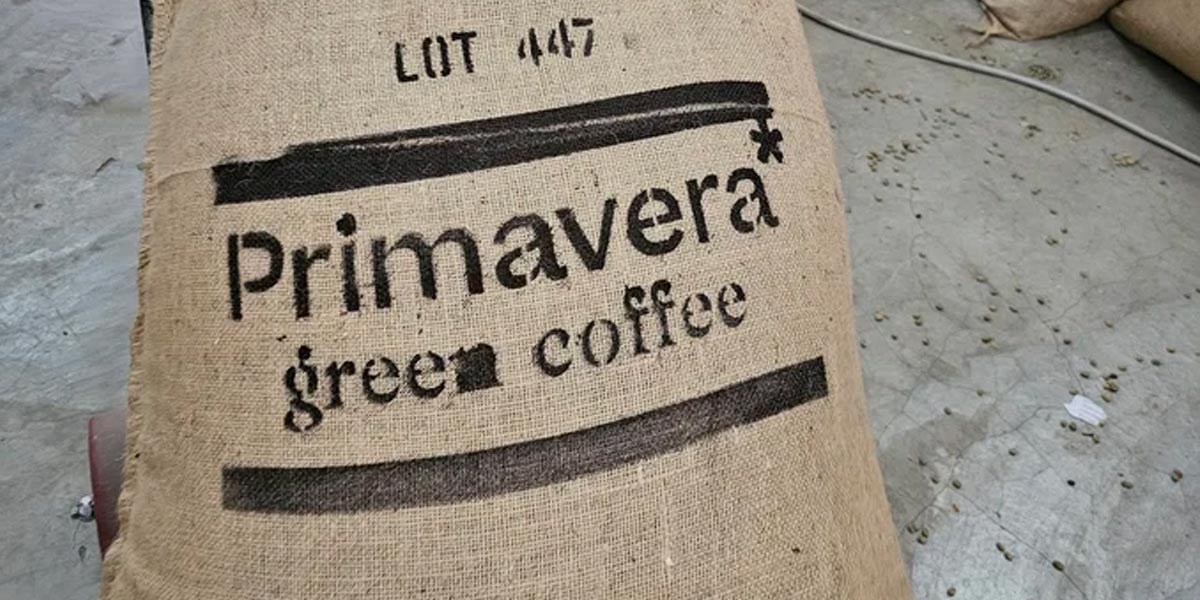
At the center of this push for sustainable development is Primavera Green Coffee, a firm deeply rooted in the Guatemalan agricultural landscape. Their operational model highlights a growing industry trend: the integration of social equity with high-quality production. By investing directly in the communities that cultivate their beans, Primavera is addressing the long-standing issue of price volatility for farmers.
Recent reports indicate that for many smallholder farmers, the ability to command premium pricing is contingent upon the adoption of sustainable farming practices. Primavera’s mission focuses on providing the technical and financial support necessary for producers to meet international specialty standards, effectively insulating them from the lower price points of the commodity market. This approach demonstrates a shift in the supply chain toward a "producer-first" mentality, recognizing that long-term industry health is inseparable from the economic stability of coffee-growing families.
Traceability and the Swiss Water Model
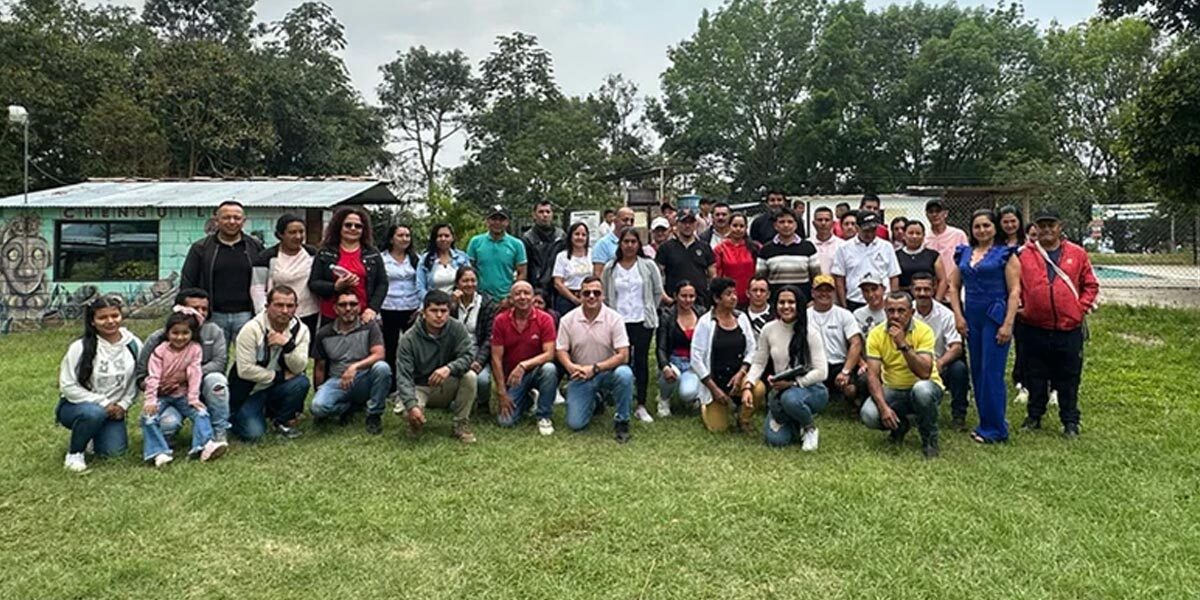
Transparency in the supply chain has moved from a marketing buzzword to a regulatory and consumer requirement. The partnership between Swiss Water and the Los Arrayanes Coffee Growers Association in Huila, Colombia, serves as a primary case study for how traceability can be scaled. The association, representing 99 individual members across five villages, has utilized its partnership with Integra Trading to bring granular detail to the consumer level.
The Colombian coffee sector has historically struggled with fragmentation, making it difficult for international buyers to verify the origin and processing methods of their inventory. By aggregating data from these 99 members, the Swiss Water initiative provides a high-fidelity look at the production cycle—from cultivation in Pitalito and San Agustín to the decaffeination process. This level of oversight not only ensures quality control but also allows for better risk management regarding the environmental footprint of the processing phase.
Infrastructure as Investment: The Yirgacheffe Initiative
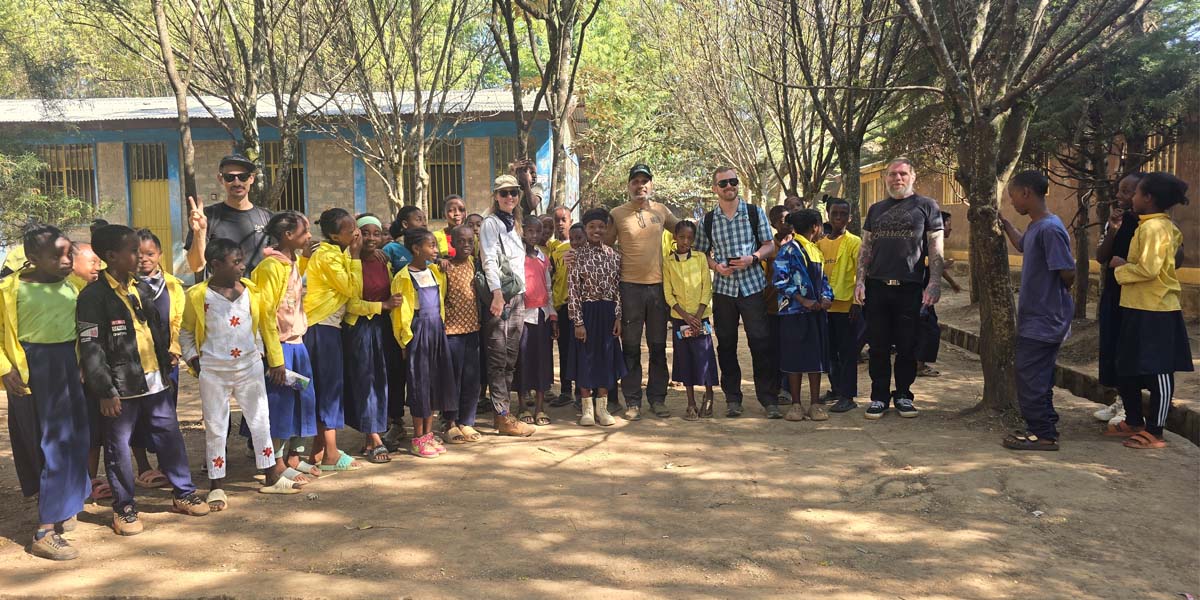
Beyond the physical beans, the industry is increasingly focused on human capital. Royal Coffee’s current initiative to construct a Digital Learning Center for the Yirgacheffe Coffee Farmers Cooperative Union (YCFCU) in Ethiopia highlights a shift toward holistic investment. The project, which includes the installation of 40 desktop computers, servers, and modern networking infrastructure, represents a strategic effort to integrate the next generation of coffee professionals into the digital economy.
The broader implication of this project is the modernization of cooperative management. As the global market demands more sophisticated data management, providing students with computer literacy skills ensures that the YCFCU remains competitive in an increasingly automated global trade environment. By linking coffee purchases to this educational infrastructure, the initiative creates a feedback loop where consumer spending directly supports the technological capacity of the producing region.
The Professionalization of Processing: Atlas Coffee and Q-Grading
As the demand for specialty-grade coffee continues to rise, the technical knowledge required to classify and grade beans has become a standard requirement for industry professionals. Atlas Coffee’s scheduled Q Processing Level 1 course in October 2026 reflects a broader trend toward the professionalization of the supply chain.
The course curriculum—which covers coffee plant anatomy, fermentation science, and drying techniques—is designed to bridge the knowledge gap between roasters and the farm-level processing stage. In the past, roasters often operated with limited insight into the intricacies of post-harvest processing. Today, the ability to diagnose processing issues through cupping and sensory analysis is considered an essential technical skill. By standardizing this education through the Q-Grader program, the industry is creating a universal language of quality that facilitates better communication between buyers and growers.
Historical Context and Regional Resilience: The Case of Guatemala
The evolution of the Guatemalan coffee sector provides a pertinent timeline for the current state of the industry. Although Guatemala entered the commercial coffee market in 1850—later than many of its Central American counterparts—it leveraged its unique geography, characterized by high-elevation volcanic soil and diverse micro-climates, to secure a dominant position in the specialty market.
According to market analysis from Covoya Coffee, Guatemala’s rapid adoption of specialty practices was a survival strategy against the saturation of the commodity market. By focusing on quality over quantity, the region was able to differentiate itself from high-volume, low-altitude competitors. This historical resilience continues to define the region’s current offerings, as producers refine their techniques to combat the encroachment of coffee rust and other climate-related pests.
Documentary Journalism: "Ecos del Café" and Storytelling
The role of media in the coffee supply chain has also evolved. Cafe Imports’ documentary series, Ecos del Café, represents an effort to humanize the supply chain through long-form narrative storytelling. Now in its third year, the series focuses on the lives of Costa Rican producers, moving beyond the metrics of yield and quality to explore the social and personal dimensions of coffee farming.

The success of this documentary series suggests that modern consumers are increasingly motivated by the narrative of production. For the roaster, these stories serve as a powerful marketing tool; for the consumer, they provide a sense of connection to the source of their morning cup. This trend of "narrative traceability" is expected to grow as younger demographics continue to prioritize ethical consumption and brand transparency in their purchasing decisions.
Implications and Future Outlook
The current state of the coffee industry is defined by a tension between traditional agricultural practices and the necessity for technological advancement. The initiatives highlighted in the Green Room—from educational certification programs to infrastructure investment and digital storytelling—point to a more integrated, transparent, and resilient supply chain.
As we look toward the remainder of 2026 and into 2027, the focus for stakeholders will likely remain on three core pillars:
- Climate Adaptation: Continued investment in soil health, shade-grown techniques, and heat-resistant varietals to secure future harvests.
- Digital Integration: The expansion of digital literacy and data-sharing platforms within origin countries to facilitate trade and reduce middleman inefficiency.
- Standardization: The ongoing professionalization of sensory and processing skills to ensure that "specialty" remains a verifiable, consistent standard across global markets.
The "Green Room" provides the essential infrastructure for these developments to take root. By creating a repository of information that treats coffee as a high-value, high-complexity commodity, the industry is positioning itself to withstand the pressures of a changing climate and a more demanding, well-informed consumer base. While challenges remain—specifically regarding the long-term economic viability of smallholder farming—the collective shift toward collaborative, education-led supply chain management offers a viable pathway forward for the global coffee trade.