 Hanik Kholidah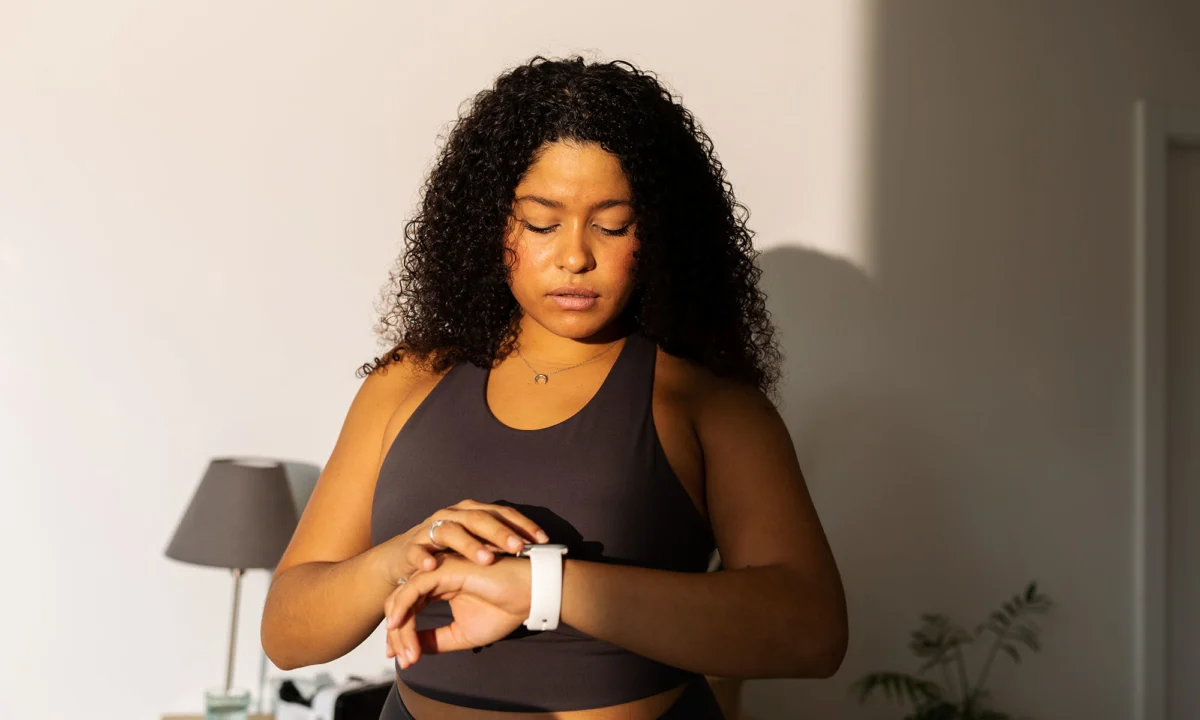
The modern obsession with quantified self-tracking has transformed the bedroom into a data laboratory. According to recent data from the American Academy of Sleep Medicine, nearly half of all American adults now regularly utilize some form of sleep-tracking device—ranging from smartwatches and fitness bands to specialized rings and under-mattress pads—to monitor their nightly rest. These devices quietly log every toss, turn, and moment of stillness, generating a daily sleep score designed to empower users with insights into their physical recovery. However, a significant body of new research published in the Journal of Sleep Research suggests that the rosy numbers flashing on your wrist each morning may be telling a different story than what is actually happening in your brain and body during the night.
The Disconnect Between Consumer Tech and Clinical Medicine
To understand the chasm between consumer-grade wearables and clinical diagnostics, one must look at how each measures sleep. Clinical sleep assessments rely on polysomnography (PSG), which has long served as the gold standard in sleep medicine. A polysomnograph monitors an array of physiological signals simultaneously, including brain waves via electroencephalography (EEG), eye movements through electrooculography (EOG), muscle activity via electromyography (EMG), and cardiac rhythm through electrocardiography (ECG), alongside breathing patterns and blood oxygen levels. This comprehensive data allows clinicians to precisely determine micro-architecture of sleep, identifying exact sleep stages, subtle awakenings, and respiratory disruptions.
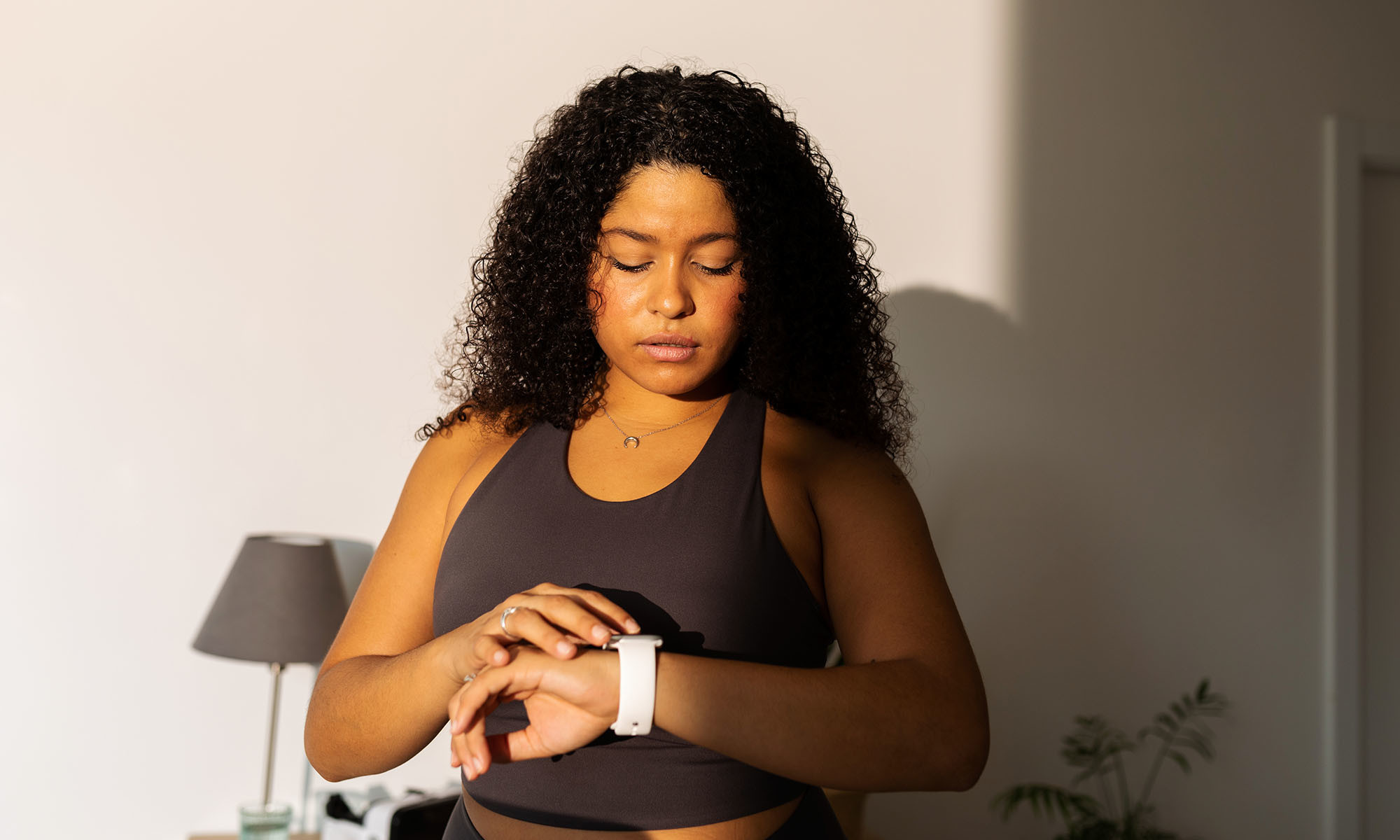
Conversely, most consumer wearables—and even many research-grade actigraphy devices—rely primarily on accelerometer technology to detect gross motor movement, sometimes augmented by photoplethysmography (PPG) to track heart rate and heart rate variability. While sophisticated algorithms attempt to translate these proxy measurements into sleep stages and sleep scores, they fundamentally lack the neurological insight provided by brain-wave monitoring. Consequently, consumer devices often struggle to distinguish between quiet, motionless wakefulness and actual light sleep, leading to systematic biases in how nightly rest is quantified.
Inside the Clinical Study: Methodology and Findings
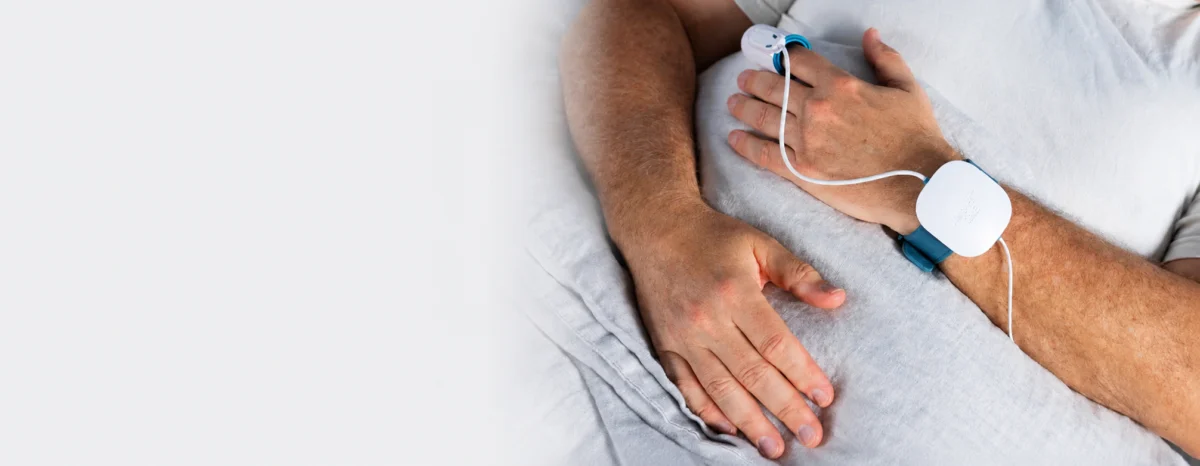
To quantify these discrepancies, researchers recently conducted a rigorous study following 107 patients at a specialized sleep clinic over the course of eight consecutive nights. During the evaluation period, each participant wore a MotionWatch 8 actigraphy device—a research-grade movement tracker—while simultaneously undergoing full polysomnography in a clinical environment.
The findings revealed a nuanced picture of wearable accuracy. When evaluating broad metrics such as total sleep time, the correlation between the actigraphy device and the clinical polysomnography was relatively strong. The trackers generally succeeded in capturing the overall ballpark of how many hours a participant spent in bed. However, when researchers drilled down into more granular measures—such as sleep fragmentation, nighttime restlessness, and brief micro-awakenings—the correlation degraded significantly.
Specifically, the study uncovered three primary areas where consumer-style tracking consistently deviated from clinical reality:
- Overestimation of Total Sleep Time: Wearables overestimated total sleep duration by an average of 27 minutes per night.
- Overestimation of Sleep Efficiency: The percentage of time in bed actually spent asleep was overestimated by approximately 6%.
- Underestimation of Wakefulness: Time spent awake during the night was consistently underestimated by an average of 15 minutes.
These discrepancies highlight a systemic, optimistic bias embedded within wearable algorithms. Because the devices interpret stillness as sleep, individuals who lie quietly in bed awake, or those who experience frequent brief awakenings that do not involve major body movements, are routinely credited with more restorative sleep than they actually received.
Variables Impacting Tracking Precision
The research further revealed that tracking accuracy is not uniform across all demographics or physiological conditions. Age emerged as a notable variable, with the precision of wearable readings shifting as participants advanced in years. Older adults often experience altered sleep architecture and increased nocturnal awakenings that movement-based trackers frequently fail to capture accurately.
Furthermore, physiological phenomena such as periodic limb movement disorder (PLMD)—a condition characterized by repetitive twitching or jerking of the legs during sleep—significantly impacted how well device readings aligned with clinical polysomnography. Because these involuntary movements occur during sleep, algorithms can misinterpret them, muddying the distinction between restful periods and restless disturbances.
Environmental factors also played a critical role in shaping the data. The study noted that the exact same tracking device produced varying degrees of accuracy depending on whether an individual was sleeping in the unfamiliar, highly monitored environment of a clinical sleep laboratory versus the comfort of their own home. Researchers emphasize that this variance is typically not a flaw in the device hardware itself, but rather a reflection of the "first-night effect"—a well-documented phenomenon where individuals sleep differently in unfamiliar surroundings. Comparing a night in a clinical facility to a night in a personal bedroom introduces contextual noise that algorithms cannot easily filter out.
Additionally, because the study cohort consisted exclusively of patients being evaluated for suspected sleep disorders at a clinic, experts caution that the findings may not directly mirror the experiences of healthy sleepers without underlying medical concerns.
Implications for the Quantified Self Movement
The proliferation of wearable technology has democratized health metrics, encouraging millions of people to pay closer attention to their nocturnal habits. From an epidemiological standpoint, increased awareness of sleep hygiene is an undeniable public health victory. However, the phenomenon known as "orthosomnia"—an unhealthy fixation on achieving a perfect sleep score—has emerged as an unintended consequence of consumer tracking.
When users treat nightly sleep scores as absolute medical truths, minor fluctuations can induce unnecessary anxiety. A poor score reported by a smartwatch can lead to anticipatory anxiety about the upcoming night, inadvertently exacerbating insomnia symptoms. Medical professionals frequently encounter patients who arrive at clinics distressed not because they feel chronically exhausted, but because their wrist-worn device informed them that their deep sleep percentage was subpar.

Experts emphasize that the newly published research should not be interpreted as a call to discard consumer sleep trackers. Rather, the findings provide essential context regarding the limitations of the technology. Wearables remain exceptionally useful tools for establishing long-term behavioral baselines, monitoring general lifestyle trends, and observing how interventions like consistent wake times, reduced evening screen exposure, or dietary adjustments impact personal rest over weeks and months.
Navigating Sleep Data Wisely
For consumers seeking to leverage wearable technology constructively without falling prey to algorithmic anxiety, sleep specialists recommend adopting a balanced, macro-level perspective:
- Focus on Trends, Not Daily Scores: Ignore the daily numerical grade. Instead, examine weekly or monthly averages to identify directional shifts in your sleep duration and consistency.
- Prioritize Subjective Well-Being: How you feel upon waking—your alertness, mood, and cognitive function throughout the day—remains a far more reliable indicator of sleep quality than any algorithmically generated score.
- Understand Device Limitations: Recognize that movement-based trackers cannot directly measure brain waves or sleep architecture. Treat them as fitness companions rather than diagnostic medical devices.
- Seek Professional Evaluation for Chronic Issues: If you suffer from chronic fatigue, loud snoring, witnessed apneas, or unrefreshing sleep despite seemingly adequate rest, consult a physician for a clinical evaluation rather than relying on consumer tech for answers.
The Broader Medical Consensus
The medical community views consumer wearables as valuable adjuncts to healthcare, but draws a firm line between consumer wellness and clinical diagnosis. While companies continue to integrate advanced sensors—such as optical heart rate monitors, skin temperature sensors, and even FDA-cleared electrocardiograms—into everyday accessories, the underlying software must still infer complex neurological states from peripheral biomarkers.
As technology evolves, the gap between consumer devices and clinical polysomnography will likely narrow. Machine learning models are becoming increasingly sophisticated at synthesizing multi-parameter data to estimate sleep stages with higher fidelity. Yet, the fundamental mission of clinical sleep medicine remains unchanged: to look beyond the surface-level metrics and diagnose the underlying physiological and psychological pathologies that govern human rest.
Ultimately, the latest findings serve as a reassuring reality check. Your sleep tracker is not intentionally deceiving you; it is simply operating at the limits of its programming, viewing the night through the narrow lens of movement and heart rate. By viewing these devices as helpful navigational guides rather than infallible diagnostic judges, users can harness the power of sleep technology to cultivate healthier habits without letting a flawed algorithm dictate their peace of mind.