Reynand Holland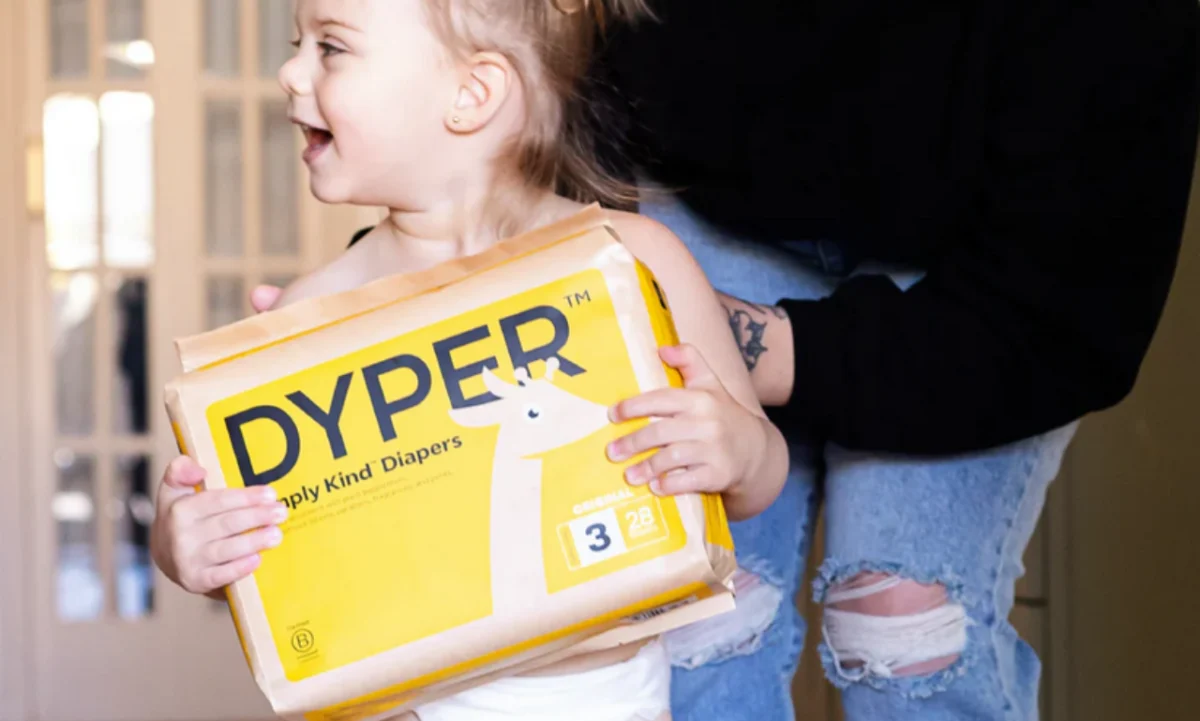
The undeniable reality of parenthood is that babies generate a substantial amount of waste, a fact that becomes acutely apparent with the sheer volume of diapers used. On average, a single child will go through approximately 6,000 diapers within their first two years of life. While reusable cloth diapers present an eco-friendlier alternative, their practical implementation often proves challenging for modern, time-constrained parents. This widespread reliance on traditional single-use disposable diapers not only contributes to significant landfill burdens but also raises serious health concerns due to the materials and chemicals they contain.
The Hidden Dangers in Conventional Diapers
The construction of conventional single-use diapers often involves a complex array of materials, including plastics and chemical additives, many of which are not rigorously tested for their impact on infant health. Concerns have been raised regarding the presence of fragrances, which can be a source of irritation, and other compounds that may pose risks. Research has explored potential links between certain diaper components and adverse health outcomes, including endocrine and reproductive disorders, acute skin rashes, and in the long term, even a potential association with testicular cancer. This lack of comprehensive chemical safety oversight is particularly troubling given that regulatory bodies, such as the Consumer Product Safety Commission, primarily mandate testing for lead in diapers, with minimal requirements for other potentially harmful substances like carcinogens and endocrine-disrupting chemicals.
The disposal of these used diapers adds another layer to the problem. They are typically collected with general municipal waste, contributing to overflowing garbage bins and the immense volume of refuse sent to landfills. This daily accumulation of non-biodegradable waste poses a long-term environmental challenge, with diapers taking hundreds of years to decompose, if at all, releasing harmful microplastics and leachate into the soil and water systems.
The Genesis of Dyper: A Response to a Growing Crisis
It was this very visual and palpable problem – overflowing trash bins laden with plastic diapers – that spurred Tony Patron, alongside his business partner, to seek a more sustainable solution. Recognizing the urgent need for change within an industry heavily reliant on landfill-bound products, they embarked on a mission to develop an alternative. This endeavor eventually culminated in the establishment of Dyper, a company dedicated to producing diapers that are not only safe and high-performing but also prioritize non-toxic and environmentally conscious materials.

The initial inspiration for Dyper stemmed from a personal realization of the waste generated by infant care. As a new father, Patron was confronted with the daily reality of disposing of numerous plastic diapers, prompting a desire for a better way. His background as an engineer equipped him with the analytical and problem-solving skills necessary to address this complex issue. Early efforts involved exploring potential collaborations with existing manufacturers of compostable diapers. However, these discussions evolved into a more ambitious undertaking: the creation of a new entity, Dyper, specifically focused on innovating within the diaper industry to reduce both household waste and environmental impact.
Dyper’s Commitment to Sustainability and Safety
Dyper’s core philosophy is centered on replacing plastic with plant-based alternatives to ensure the well-being of babies and the planet. The company’s product development team rigorously works to ensure that the vast majority of their diaper components are biodegradable. While acknowledging that certain technological elements, such as fasteners, are not yet fully biodegradable, Dyper strives for maximum sustainability across its product line. "Our goal is to provide a diaper that performs equally to any other diaper on the market in terms of absorbency, fit, and comfort, and ensuring that we don’t have any skin irritation," Patron stated, highlighting the brand’s commitment to both efficacy and infant comfort.
The materials used in Dyper diapers are primarily plant-based. This includes sourcing FSC-certified bamboo and eucalyptus fibers grown domestically. The viscose bamboo used is procured from an Oeko-Tex certified supplier, underscoring the brand’s dedication to ethical and safe sourcing. To foster transparency, Dyper meticulously labels each layer of its diapers with its specific components, providing conscious parents with detailed information about what is in contact with their child’s skin. The brand’s commitment to sustainability is further validated by certifications such as USDA BioPreferred, with its diaper products meeting 55% biobased content and its wipes achieving 95% biobased content.
Furthermore, Dyper products adhere to Oeko-Tex standards, ensuring they are free from harmful substances. The brand has also obtained the DermaTest 5-Star Certification, a rigorous third-party endorsement that guarantees the diapers are hypoallergenic and will not cause skin reactions, a critical factor for parents concerned about their baby’s sensitive skin. Independent laboratory testing further substantiates Dyper’s claims of non-toxicity and compostability.
"Plants Over Plastic" for Happy Babies and a Healthier Planet
The overarching mission of Dyper is encapsulated in the slogan, "plants over plastic for happy babies." By eschewing harmful chemical additives and prioritizing natural, plant-based materials, Dyper creates diapers free from common irritants like phthalates, latex, and parabens, which are often found in conventional supermarket brands. The use of natural fibers offers a gentler alternative for a baby’s delicate skin. The company also emphasizes the responsible sourcing of its raw materials, ensuring an ethical supply chain.
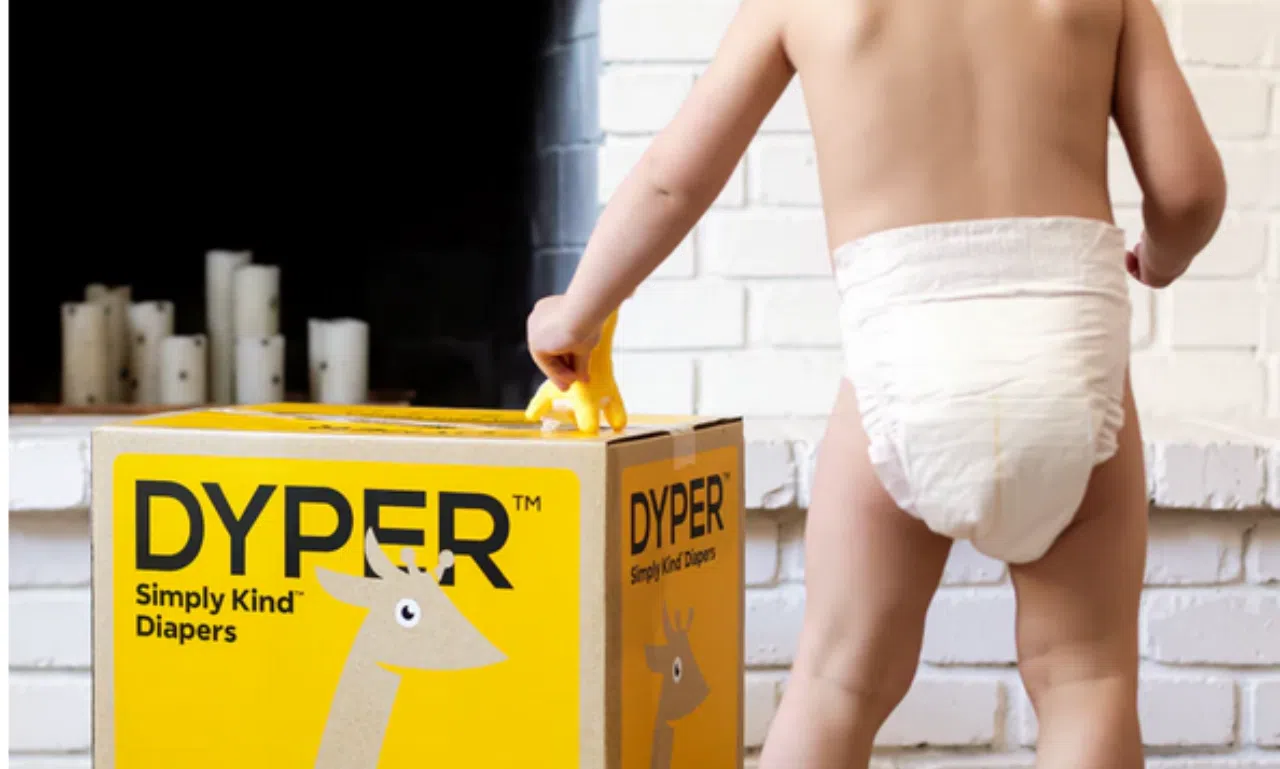
Beyond their environmental and health benefits, Dyper diapers are engineered for practical performance, aiming to simplify parents’ lives. The diapers are designed to be highly absorbent, effectively preventing leaks and minimizing the risk of diaper rash, thus contributing to a baby’s overall comfort and happiness.
A significant innovation offered by Dyper is its optional REDYPER program. This service, available in select regions, provides a convenient solution for composting used diapers and wipes. Through partnerships with regional composting facilities, the program facilitates the breakdown of biodegradable materials within an estimated 14 to 16 weeks. Any materials that cannot be composted are systematically removed and disposed of properly, significantly diverting waste from landfills. As of the latest reporting, the REDYPER program has successfully diverted over 14 million pounds of waste from landfills, demonstrating a tangible impact on waste reduction.
Dyper’s "plants over plastic philosophy" extends to its packaging as well. The company actively seeks out and utilizes sustainable packaging materials wherever feasible, further minimizing its environmental footprint. This holistic approach ensures that parents do not have to compromise between the functionality of their diapers and their commitment to sustainability. Dyper aims to provide a comprehensive solution that addresses the needs of both the baby and the environment.
Making Sustainable Diapering Accessible
Dyper offers flexible purchasing options, including convenient subscription services and one-time purchases across a wide range of sizes. For customers in areas where the REDYPER service is available, weekly or bi-weekly pickup of used diapers and wipes is also an option. This integrated approach to waste management aims to make the transition to sustainable diapering as seamless as possible for parents.
By choosing Dyper, consumers are not merely selecting a high-performing diaper; they are actively participating in a broader movement towards sustainability, embracing transparency in product composition, and prioritizing superior care for their infants. The company’s commitment to these principles offers a compelling alternative to conventional diapering, addressing both the immediate needs of families and the long-term health of the planet. The ongoing innovation within the sustainable diaper market, exemplified by companies like Dyper, signals a growing awareness and demand for products that align with environmental and health consciousness. This shift has the potential to reshape consumer choices and drive further advancements in eco-friendly alternatives across various product categories. The impact of such initiatives, while seemingly focused on a singular product, contributes to a larger narrative of responsible consumption and the pursuit of a more sustainable future.