 Ali Ikhwan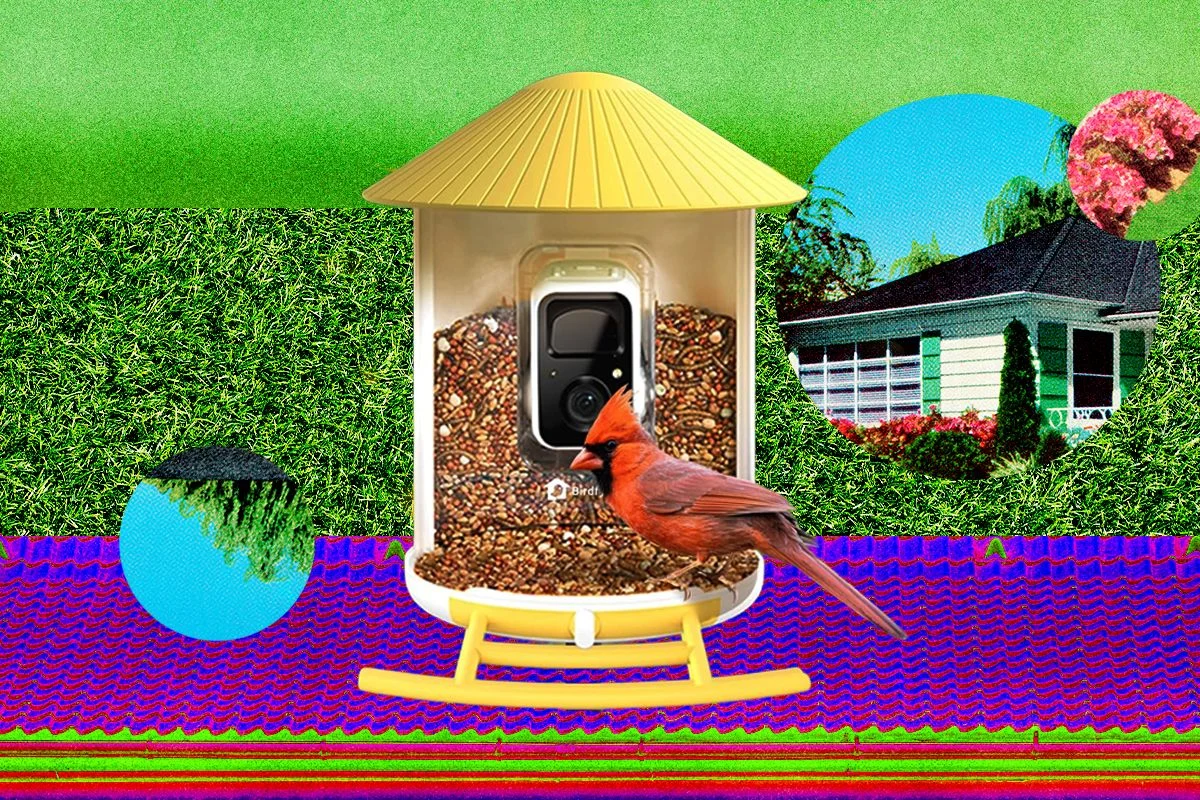
The rise of the smart home has extended into the backyard, transforming the traditional pastime of birdwatching into a high-tech, data-driven hobby. Smart bird feeders, characterized by their integrated cameras, solar-powered batteries, and AI-driven identification software, have become a staple for nature enthusiasts. These devices promise an intimate look at avian visitors, streaming high-definition footage directly to smartphones and cataloging species with the help of machine learning. However, as these gadgets reach the $100 to $300 price point, potential buyers are increasingly asking whether the hardware durability and software experience justify the cost, particularly when faced with the inevitable presence of squirrels and harsh weather conditions.
After two years of rigorous testing—spanning seasonal shifts, extreme heat, and sub-zero temperatures—the reality of the smart bird feeder market has become clear. While many devices offer impressive imaging capabilities, the value proposition is often muddied by hidden subscription fees, inconsistent AI accuracy, and hardware vulnerabilities.
The Evolving Landscape of Smart Birding
The smart bird feeder market has matured significantly since the early iterations appeared around 2022. Early models were often criticized for poor AI performance and fragile components. Today, the landscape is defined by a dichotomy: high-end devices that offer seamless integration with robust apps and budget-friendly alternatives that often rely on third-party security camera software.
Industry data suggests that consumer interest in backyard tech is rising, driven by a post-pandemic shift toward home-based hobbies. According to market analysis, the demand for "connected wildlife monitoring" has seen a 25 percent year-over-year increase. This growth has attracted both established smart-home companies and generic manufacturers looking to capitalize on the trend. This influx of competition has led to a race to offer 4K resolution, solar power, and advanced AI, but it has also led to a fragmented market where the quality of the companion application is often more important than the camera sensor itself.
The Role of Artificial Intelligence in Bird Identification
At the core of the smart feeder appeal is the promise of AI-assisted bird identification. These systems typically utilize pre-trained models that analyze visual patterns—beak shape, feather coloration, and size—to suggest species. However, our testing reveals that these systems are far from infallible.
The accuracy of AI identification remains highly regional. Models trained on databases of Eastern North American birds often struggle to identify species native to the West Coast or the Pacific Northwest, frequently misidentifying common local birds as exotic species. While the Cornell Lab’s "All About Birds" remains a gold standard for manual identification, smart feeder AI serves as a convenient starting point for casual birders rather than a scientific authority. The "Dr. Bird" or "Dr. Chirp" chat features—often powered by large language models—add a layer of interactive education, though these are occasionally prone to "hallucinations" or overly generic responses.
Hardware Reliability and the Subscription Paywall
Perhaps the most significant friction point for consumers is the transition toward subscription-based revenue models. Many manufacturers have adopted a "hardware-as-a-service" strategy, where the initial purchase price of the device covers the physical unit, but advanced features like long-term cloud storage, bird-specific search functionality, and high-bitrate video streaming are locked behind a recurring monthly or annual fee.
For the average consumer, this means the true cost of ownership is often double the initial purchase price over the course of three years. Furthermore, our testing found that cheaper units, often retailing for under $80, frequently fail to disclose these requirements until the user is already inside the mobile application. This practice has drawn criticism from consumer advocates who argue for more transparent labeling on retail packaging.
Technical Challenges: Connectivity and Power
Most smart bird feeders operate on the 2.4 GHz Wi-Fi frequency band. While this is less ideal for high-speed streaming than 5 GHz, it is chosen by engineers because the lower frequency waves possess superior range and can more easily penetrate physical obstacles like exterior walls and tree foliage.

For users with modern, high-speed mesh Wi-Fi systems that use "band steering" to prioritize 5 GHz, connecting a smart bird feeder can be an exercise in frustration. Some advanced models, such as the Camojojo Hibird Pro, have introduced dual-band support to mitigate these issues, but they remain the exception rather than the rule. Additionally, the reliance on solar panels presents a maintenance challenge. In regions with frequent cloud cover or high winter latitude, the panels often fail to provide enough trickle charge to maintain the 24/7 power requirement of a camera that is constantly "waking up" to record motion.
The Squirrel Conflict: A Persistent Challenge
Despite the inclusion of sophisticated sensors, no smart bird feeder is truly "squirrel-proof." While some designs attempt to incorporate mechanical weight-triggered perches or baffles, persistent squirrels—which possess significant intelligence and agility—often find ways to compromise these defenses.
Our testing data shows that the 5-7-9 rule remains the most effective deterrent:
- 5 feet: The feeder should be at least 5 feet off the ground.
- 7 feet: It should be at least 7 feet away from any structure.
- 9 feet: It should be at least 9 feet away from any jump-off point like a tree branch or roof.
Beyond physical placement, capsaicin-treated birdseed is a popular deterrent. However, field testing suggests this is a temporary fix; squirrels often habituate to the taste or the chemical’s potency degrades rapidly under direct sunlight and rain.
Top Performers and Strategic Recommendations
Based on two years of long-term testing, the Netvue Birdfy Lite stands out as the best overall value. Its reliability, user-friendly app, and wide field of view make it the most consistent performer for the average backyard birder. While it lacks the high-resolution 4K optics of more expensive units, its performance-to-price ratio remains unmatched.
For those prioritizing photographic quality, the Camojojo Hibird Pro is the preferred choice. It is among the few devices that successfully bridge the gap between 2.4 GHz and 5 GHz connectivity, and its 4K sensor provides the sharpest images of any unit tested.
For hummingbird enthusiasts, the Birdbuddy Pro Smart Solar Hummingbird Feeder offers a unique design that is easy to clean—a critical factor for bird health. Unlike seed feeders that can be neglected for weeks, hummingbird feeders require frequent sanitation to prevent the growth of harmful bacteria and mold. Birdbuddy’s focus on app integration, including features that send cleaning reminders, addresses the most common pain point for nectar feeders.
Implications for the Future of Backyard Tech
The trend toward "smart" outdoor equipment is likely to continue, but the industry faces a critical juncture. For smart bird feeders to become a lasting category, manufacturers must address three fundamental issues:
- Subscription Transparency: Users deserve to know the full cost of features before purchase.
- Standardization of AI: As competition increases, AI accuracy must improve through better regional data training.
- Hardware Durability: The use of lightweight plastics is a sustainability concern. Manufacturers should move toward more durable, repairable designs to prevent these devices from becoming electronic waste after a single season.
As technology continues to merge with nature, the value of these devices will be determined not just by the clarity of the video, but by the reliability of the ecosystem the company provides. For now, the most successful smart feeders are those that provide a balance of ease of use, reliable connectivity, and a community-driven experience that encourages users to engage with their local wildlife.