 Ali Ikhwan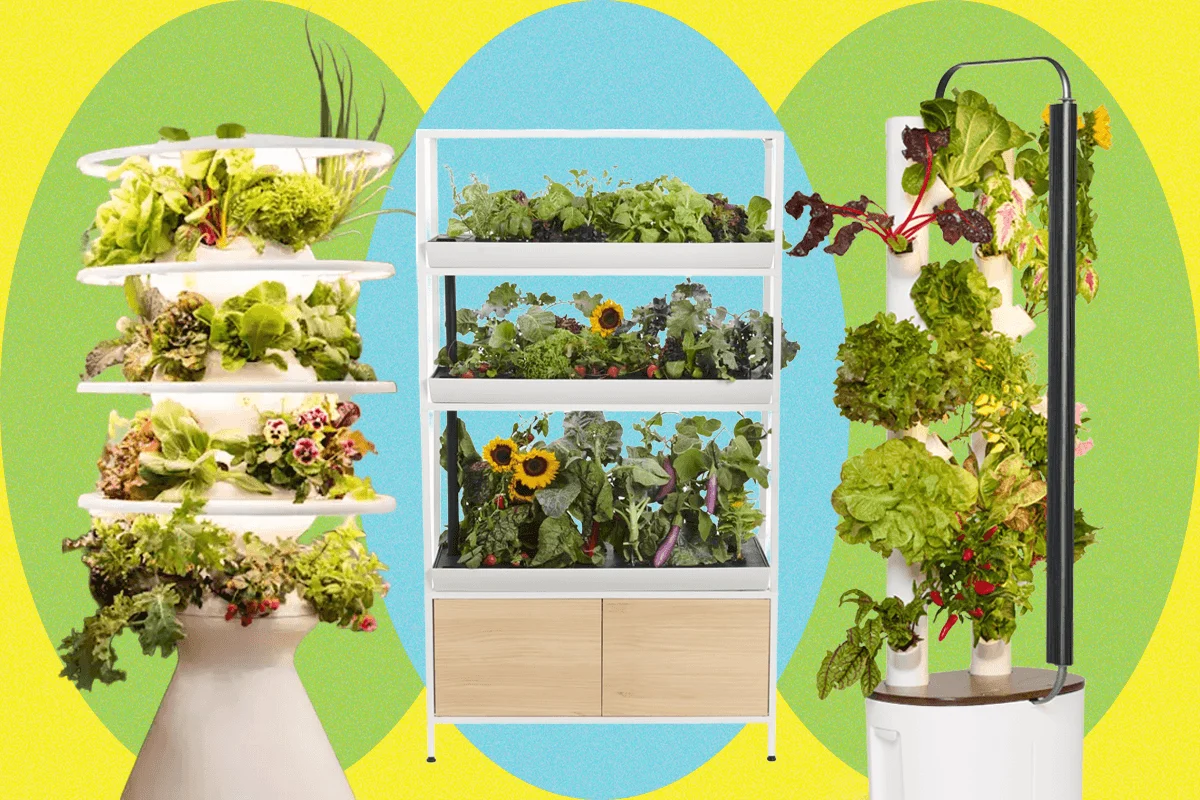
The landscape of domestic agriculture has undergone a profound transformation over the last decade, moving from traditional soil-based windowsill pots to sophisticated, tech-integrated hydroponic ecosystems. These systems, which range from simple, passive-wicking units to complex, AI-driven aeroponic towers, promise to democratize the cultivation of fresh produce within urban environments. However, as the market matures, a clear distinction has emerged between hardware designed for aesthetic appeal and systems engineered for high-yield, sustainable production.
The proliferation of these devices coincides with a growing consumer interest in food security and the reduction of the carbon footprint associated with industrial produce supply chains. By enabling cultivation at the point of consumption, these indoor gardens aim to mitigate the reliance on long-distance logistics. Yet, the reality of indoor farming involves navigating complex variables, including light spectra, nutrient delivery, and environmental control.
A Chronology of Domestic Hydroponic Adoption
The trajectory of the indoor garden market can be traced back to early, simplified DIY methods. The Kratky method, developed by Dr. Bernard Kratky, remains a foundational pillar of this industry. By allowing plants to access a nutrient-enriched reservoir without the need for pumps or electricity, the method proved that high-quality harvests could be achieved with minimal overhead.
In the mid-2010s, companies began commercializing this technology. The Click & Grow Smart Garden, introduced in 2016, sought to simplify the process for the layperson by utilizing pre-packaged, nutrient-dense seed pods. This marked the shift from hobbyist experimentation to consumer-grade appliances. By 2020, the market saw an influx of more ambitious systems, such as the Gardyn and Rise, which incorporated automated water circulation and LED lighting systems to optimize photosynthesis. The current phase, characterized by 2025’s CES Innovation Award winners like the Plantaform, emphasizes "fogponics"—a high-tech evolution of aeroponics—highlighting the industry’s push toward extreme efficiency, albeit with varying degrees of success in real-world application.

Analyzing Performance: Hardware and Efficacy
When evaluating the performance of these systems, several metrics serve as the benchmark: germination rates, time-to-harvest, and yield density.
The Click & Grow Smart Garden 9 represents the accessible entry point. Operating on a low-maintenance wicking system, it excels in ease of use for ornamental plants or occasional herbs. However, empirical testing indicates a significant lag in growth cycles compared to more aggressive hydroponic setups. Lettuce, for example, may take weeks to reach a harvestable stage. The inherent limitation of passive wicking is the lack of oxygenation for the roots, which can lead to stunted development in fast-growing greens.
In contrast, systems like the Lettuce Grow Counterstand utilize the Kratky-style approach combined with high-intensity LED lighting. These units serve as an effective middle ground, offering a more robust growth rate than simple wicking systems. However, data suggests that the physical footprint required for these units often outweighs the caloric output. For consumers, this necessitates a trade-off: these systems function better as supplemental sources of fresh garnish rather than primary produce providers.
The Vego EZ Microgreens Planter offers a specialized approach. By focusing exclusively on microgreens—plants harvested at the cotyledon stage—it bypasses the slow growth cycles of mature vegetables. Because microgreens are nutrient-dense and require little more than consistent moisture and light, this system provides a higher return on investment regarding space and time.
Technical Challenges and Quality Control
The complexity of indoor gardening systems introduces significant points of failure. The LetPot Smart Seed Starter, while feature-rich, highlights the difficulties of integrating sensors into low-cost consumer electronics. Sensors measuring electrical conductivity (EC) and temperature are notoriously difficult to calibrate for long-term reliability in humid environments. Failures in these components, along with electrical noise in power adapters, suggest that the rapid push to add "smart" features to gardening hardware often occurs at the expense of component durability.

The Plantaform Smart Indoor Garden serves as a cautionary tale regarding the intersection of novelty and safety. Its "fogponics" technology, which aerosolizes nutrient-rich water, requires an airtight containment system to prevent the introduction of mold spores or airborne particles into the living environment. Independent testing has shown that when such systems fail to maintain a seal, the resulting humidity and potential for aerosolized fertilizer can negatively impact indoor air quality. These findings suggest that while innovation is necessary for the sector to evolve, the rush to market can overlook critical health and environmental considerations.
Economic and Sustainability Implications
A central question for the consumer is the long-term economic viability of these systems. Unlike traditional gardening, which incurs minimal recurring costs beyond seeds and soil, most indoor hydroponic systems utilize proprietary pod ecosystems. This "razor-and-blade" business model creates a perpetual, albeit small, subscription cost for the user.
From an environmental standpoint, the energy consumption of these systems is a relevant factor. A typical system running 16 to 18 hours of LED lighting per day, combined with active water pumping, creates a consistent electricity draw. While the impact on an individual household bill is often marginal, the cumulative effect of millions of these devices could have significant implications for residential energy demand.
Conversely, the water-saving benefits are substantial. Hydroponic systems recirculate water, utilizing only what is absorbed by the plant or lost to transpiration. Compared to the massive water requirements of industrial field agriculture, the efficiency of a closed-loop indoor system is orders of magnitude higher.
Expert Perspectives and Industry Outlook
Industry leaders, such as the creators of the Gardyn system, argue that the goal is not total self-sufficiency, but rather the reduction of "food miles." By eliminating the need for transport, refrigeration, and packaging associated with grocery store produce, the domestic garden acts as a micro-solution to a macro-problem.

However, experts in horticulture emphasize that the "big root" limitation remains a hard barrier for these systems. Plants such as carrots, parsnips, and potatoes—which require depth and soil friction—are largely incompatible with the current generation of indoor hardware. As such, the industry remains focused on leafy greens, herbs, and small fruiting plants.
The consensus among analysts is that the next iteration of indoor gardening will likely prioritize software-defined growth. By using cameras and sensors to monitor plant health and automatically adjusting nutrient delivery, companies hope to move from "gardening" to "automated food production."
Conclusion: Balancing Innovation and Practicality
The current state of the indoor gardening market is characterized by a wide gap between consumer expectations and physical reality. For the casual user, the best options remain those that prioritize reliability and simplicity, such as the Vego microgreen systems or the established, albeit slower, wicking models.
For the tech-forward enthusiast, the allure of high-tech, AI-integrated towers is undeniable. Yet, the data suggests that these systems are currently in a "beta" stage, where maintenance, electrical reliability, and health considerations require significant oversight. As manufacturers continue to refine their designs, the focus must shift from the novelty of the hardware to the long-term stability and health of the growing environment.
For the average household, these systems are currently best utilized as an educational tool or a supplemental source of fresh herbs, rather than a replacement for conventional produce sourcing. As technology advances and the cost of hardware decreases, it is probable that these systems will become more efficient, silent, and reliable, potentially moving closer to the vision of a fully integrated, sustainable home kitchen. Until then, the discerning consumer should balance their interest in agricultural innovation with a pragmatic assessment of space, noise, and the recurring costs associated with proprietary systems.