
Navigating the landscape of digital marketing often feels like steering a vessel through shifting tides, where an intuitive post can instantly achieve viral momentum while months of meticulous planning fall completely flat. For modern content creators, small business owners, and large-scale enterprise marketing teams, deciphering this unpredictability requires moving far beyond basic vanity metrics. In 2026, the difference between stagnant digital growth and exponential audience scaling frequently hinges on the systematic utilization of specialized social media analytics platforms.

Historically, digital strategists relied exclusively on native platform dashboards provided by individual social networks. While these built-in interfaces offered a foundational look at basic performance indicators—such as total likes, follower counts, and overall content reach—they presented glaring operational inefficiencies. Marketers were forced to manually aggregate data across siloed applications, grappling with persistent technical blind spots. For instance, native interfaces on major networks routinely fail to supply precise historical timestamps on past publications, severely complicating efforts to determine optimal publishing windows. Furthermore, reconciling organic performance data alongside paid advertising campaigns demanded constant, time-consuming tab-switching between disparate administrative views.
To solve these persistent administrative bottlenecks, third-party social media analytics software has evolved into a critical pillar of modern digital infrastructure. Comprehensive testing of eleven leading platforms reveals a diverse market segment tailored precisely to specific organizational use cases, ranging from solo digital creators and boutique agencies to multinational corporate enterprises.
Understanding the Mechanics of Social Media Analytics
Social media analytics encompass the systematic collection and evaluation of core performance metrics, including reach, impressions, engagement rates, click-through rates, and cumulative follower growth. Unlike simple performance tracking, advanced data analysis involves deep evaluation to identify underlying behavioral patterns, audience sentiments, and content performance triggers. This analytical process answers fundamental operational questions regarding what content resonated, precisely why it succeeded, and where future resource allocation should be directed.
Industry experts consistently draw a firm distinction between raw analytics and formal reporting. Analytics represent the underlying collection and measurement of quantitative data, answering questions concerning past events and causative factors. Reporting, conversely, translates these analytical findings into structured, visually polished formats designed for executive stakeholders, external clients, or internal creative teams. Modern software suites increasingly bridge this divide by automatically ingesting raw metrics and formatting them into comprehensive PDF portfolios, interactive dashboards, and executive presentations.
A Comprehensive Overview of the Top Social Media Analytics Tools
Evaluating the current software ecosystem requires examining tools based on specific organizational workflows, technical capabilities, and pricing models.
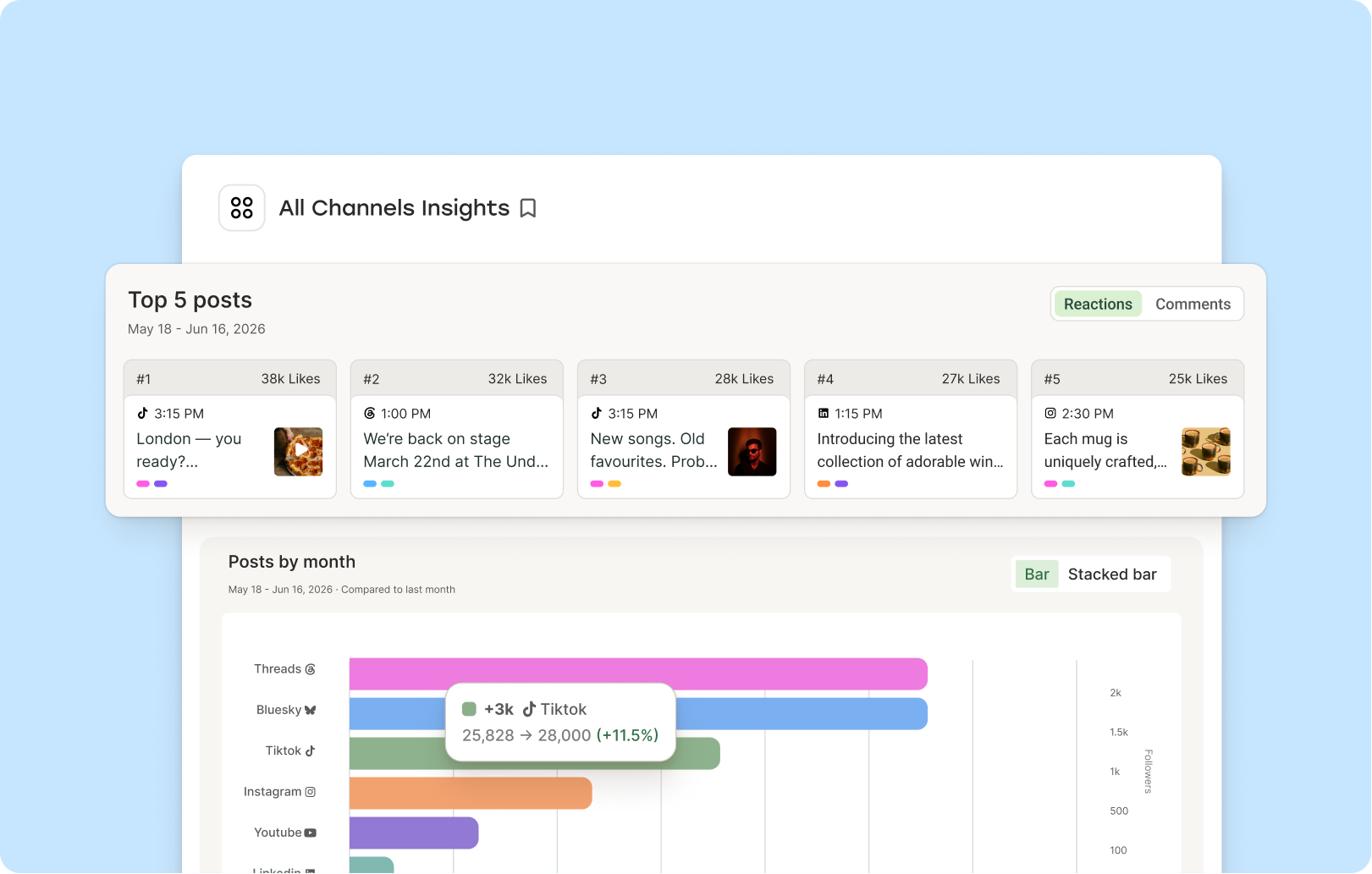
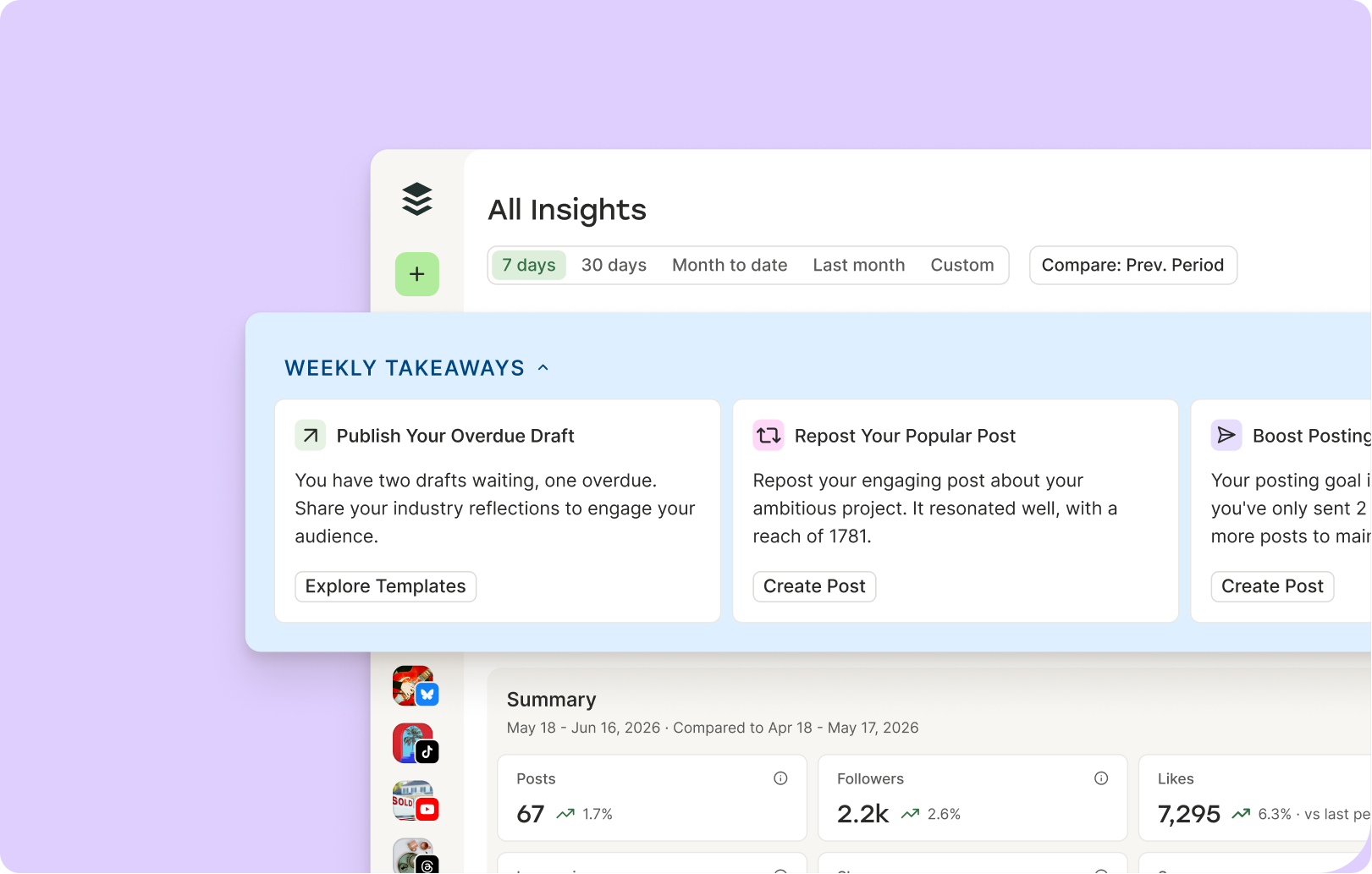
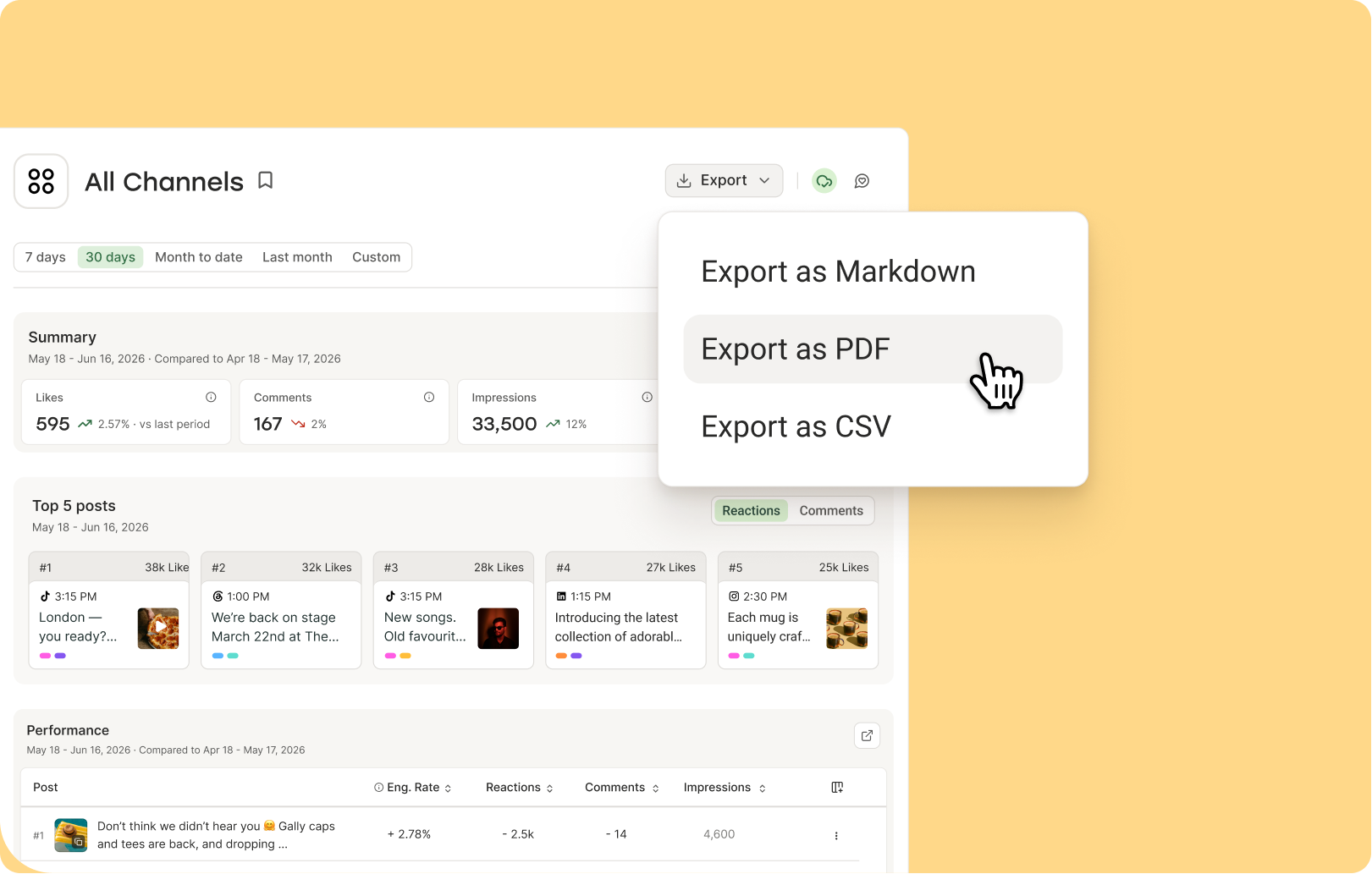
Buffer stands out as an optimal solution for creators, growing teams, and multi-channel agencies. Rather than overwhelming users with disorganized walls of data, Buffer’s analytics suite highlights actionable metrics. Features such as AI-driven weekly takeaways analyze recent content performance, flag high-performing legacy posts eligible for strategic resharing, and generate contextual writing prompts. Supporting over ten major platforms—including emerging networks alongside legacy giants—Buffer allows users to filter performance by specific content tags and export data directly into markdown files or polished reports. Pricing models begin with a robust free tier, with comprehensive paid plans starting at six dollars per month.

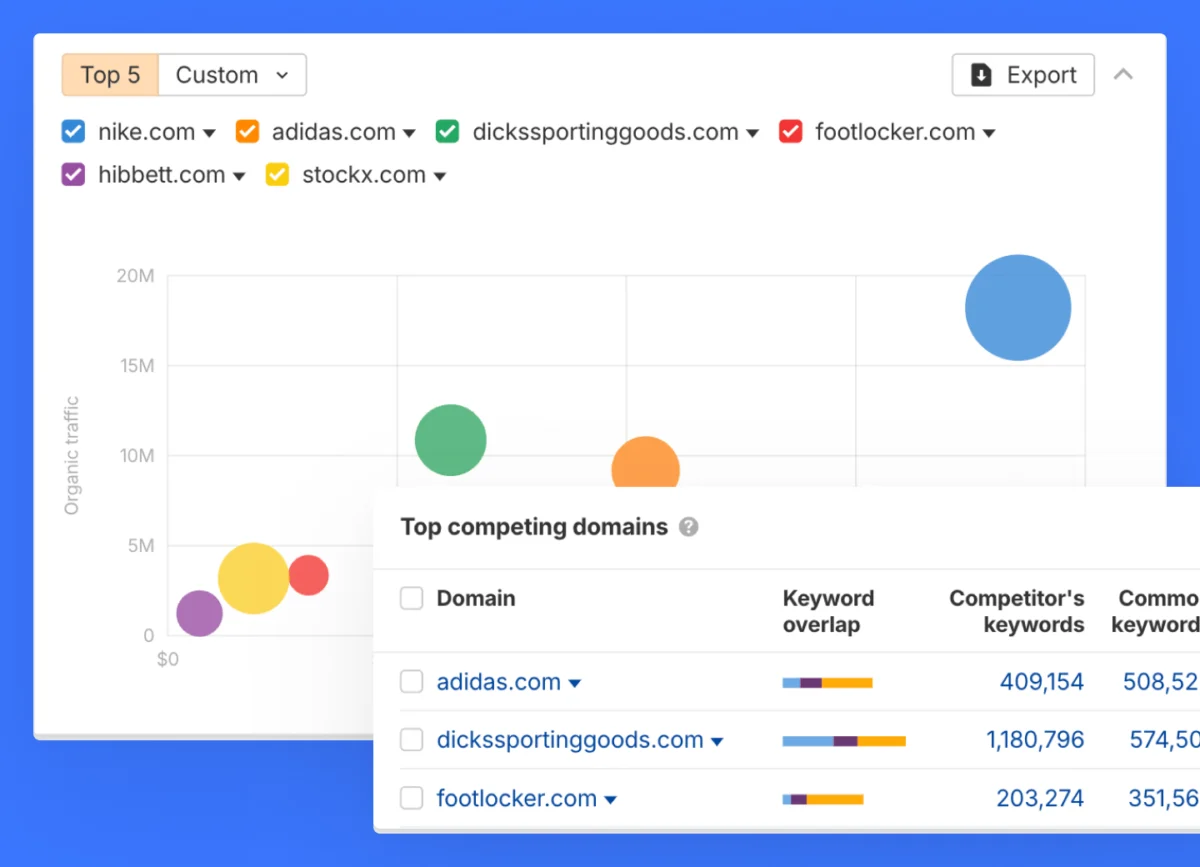
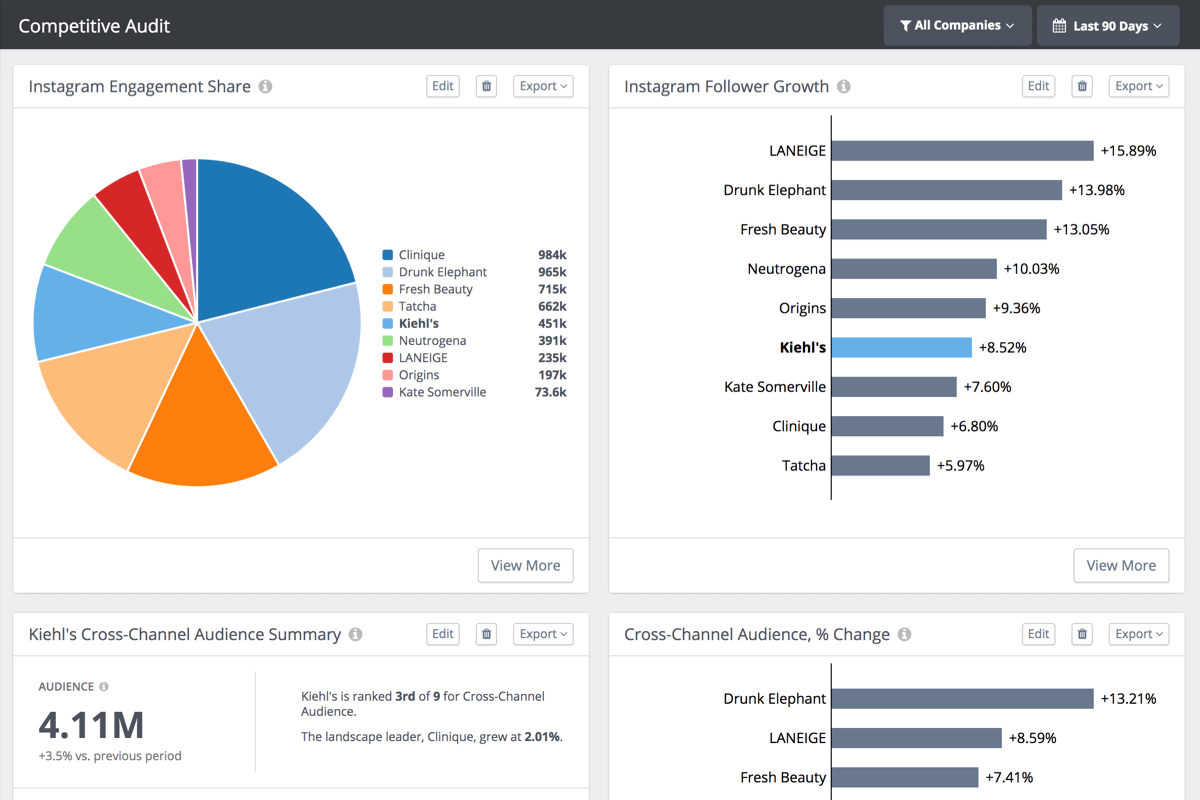
For large-scale agencies managing intricate portfolios, Rival IQ delivers specialized competitive benchmarking and social listening capabilities. Priced starting at 239 dollars per month, Rival IQ provides deep insights into competitor brand positioning, profile attribute optimization, and algorithmic content boosting patterns, making it a powerful asset for client-facing organizations.
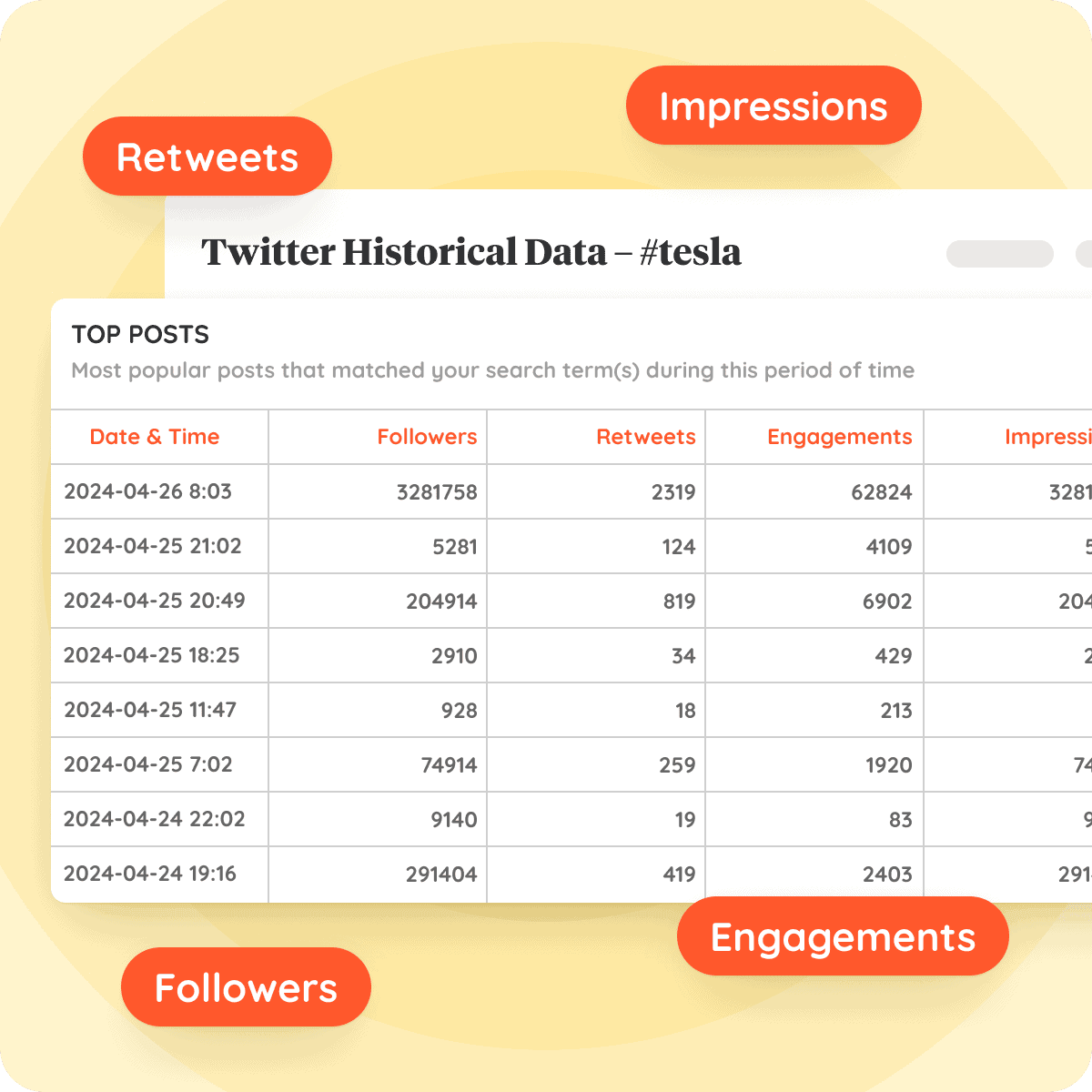
Keyhole caters directly to advanced market researchers requiring deep historical data and long-range trend analysis. By leveraging machine learning systems, Keyhole tracks how public sentiment and conversational topics evolve across a decade-long timeline, though comprehensive retrospective tracking remains primarily concentrated on X (formerly Twitter).
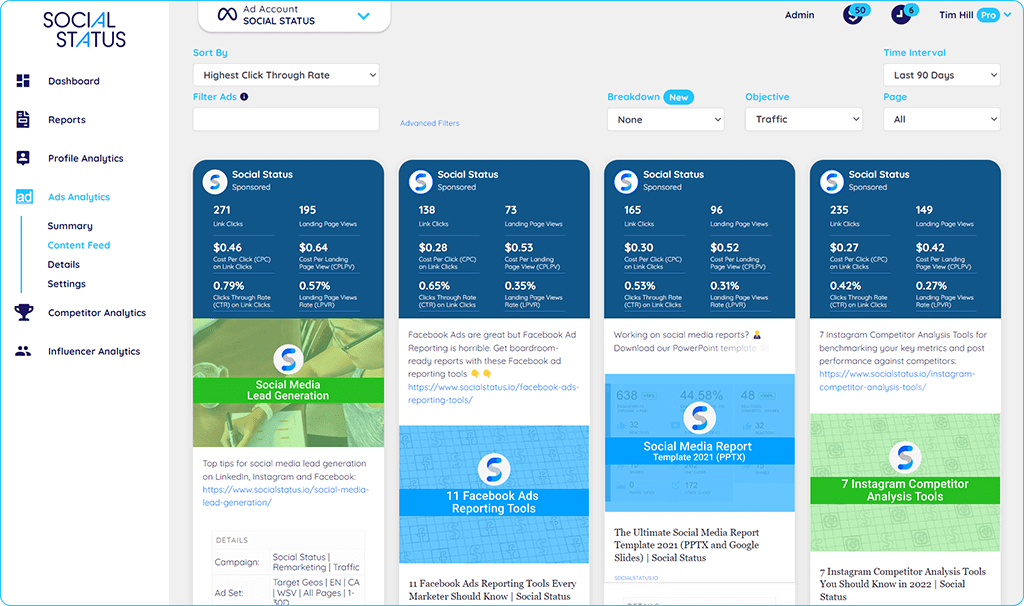
Small businesses navigating the complex intersection of organic content, paid advertisements, and influencer partnerships frequently utilize Social Status. Starting at nine dollars per month, the platform simultaneously tracks traditional engagement metrics alongside ad performance metrics and influencer ROI, streamlining multi-faceted marketing campaigns into a unified dashboard.
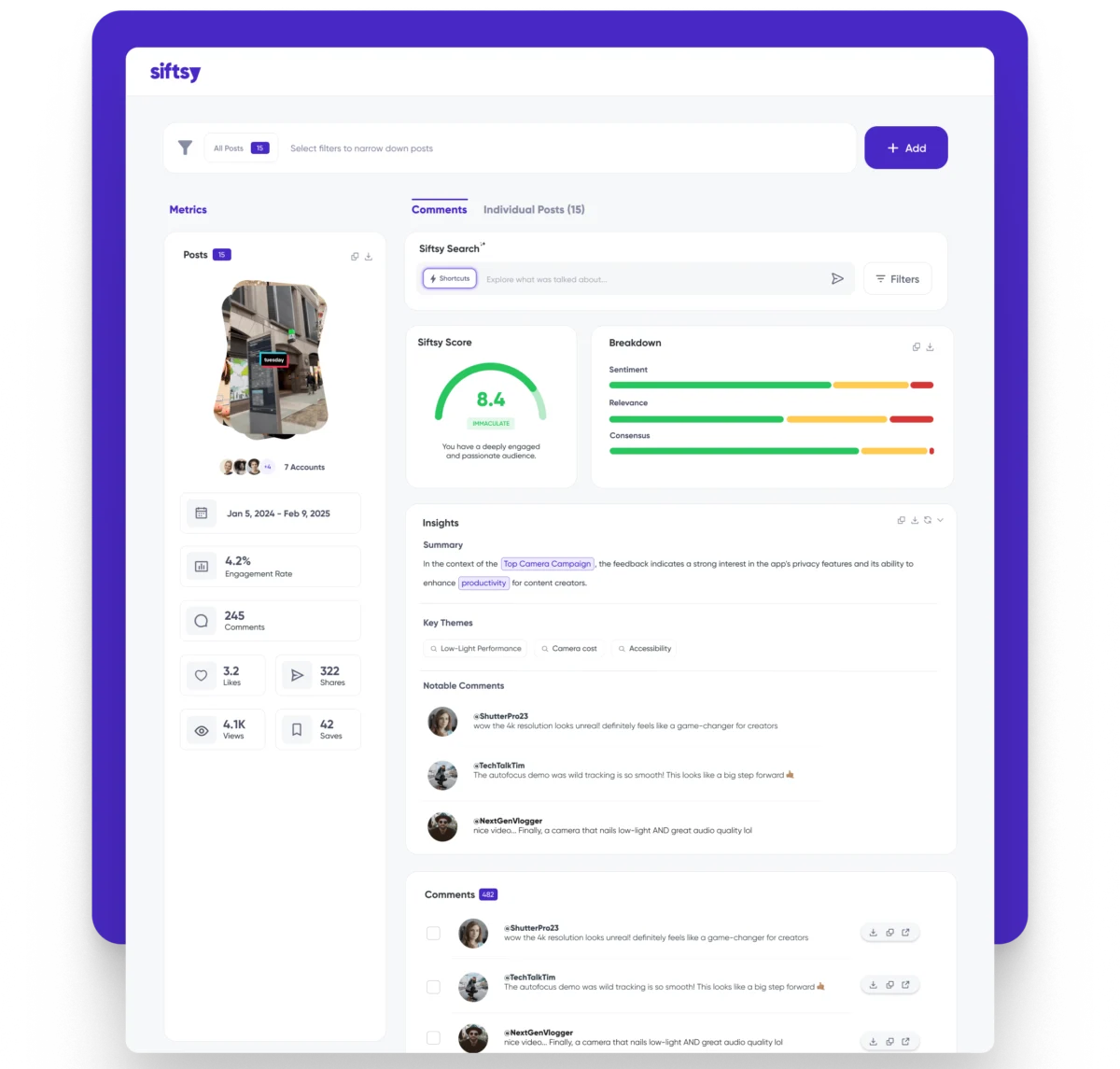
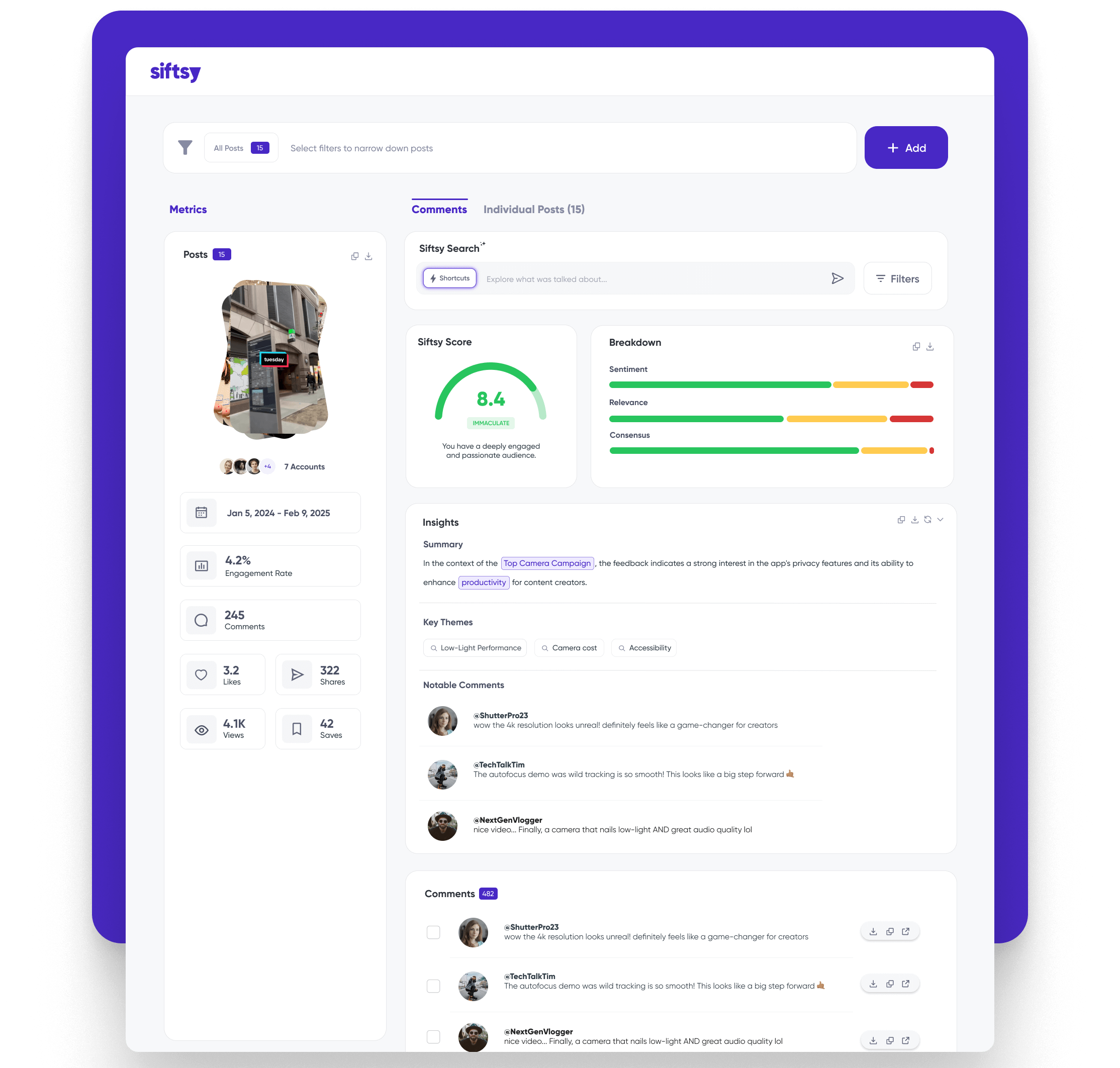
Addressing qualitative metrics, Siftsy focuses heavily on comment section analysis. By processing natural language sentiment across user comments, Siftsy helps brands decode the underlying public reaction to specific campaigns, transforming qualitative audience feedback into quantitative strategic insights.
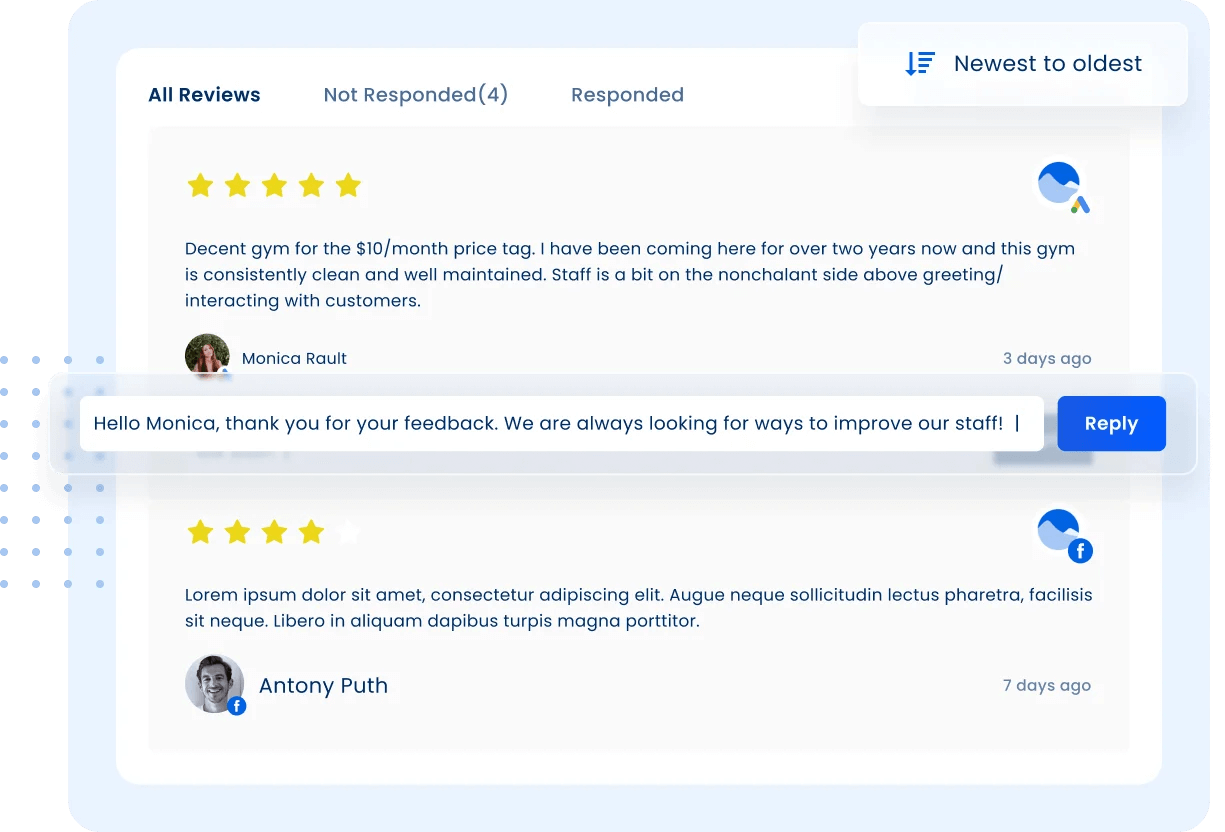
Vista Social expands upon multi-channel management by incorporating robust online reputation management. Starting at 79 dollars per month, the platform aggregates customer reviews, star ratings, and support feedback from a vast array of review sites and social networks into a singular centralized inbox.
Platform-Specific and Enterprise Analytics Solutions
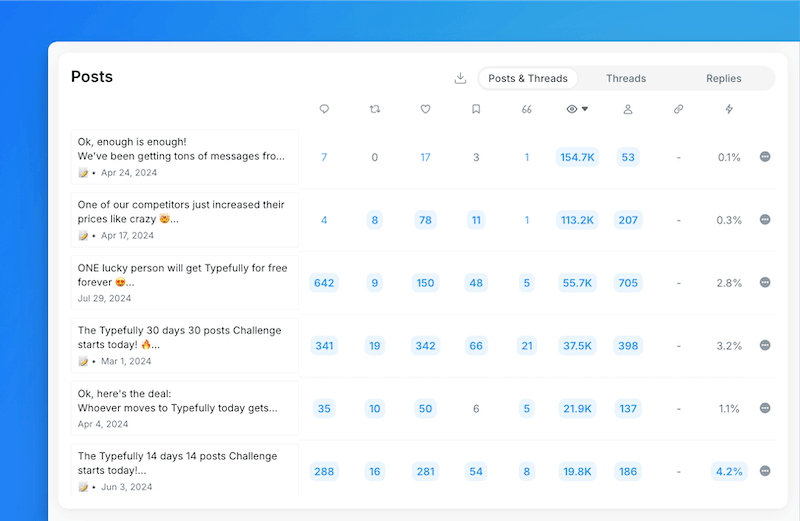
Certain tools are meticulously engineered for specific digital ecosystems. Typefully serves as an elite analytics and composition environment tailored specifically for text-first platforms like X and Bluesky, offering unique metrics such as profile conversion rates that track precise audience conversion behaviors. Similarly, Tailwind remains the premier choice for e-commerce brands leveraging Pinterest, integrating directly with Google Analytics to trace how individual visual pins drive direct website traffic and conversions.
At the enterprise level, DashThis functions as an all-in-one digital marketing dashboard. By integrating more than thirty distinct marketing tools—ranging from HubSpot and Ahrefs to Google Analytics and major ad networks—DashThis allows large marketing departments to synthesize cross-channel performance data without user limits, starting at 54 dollars per month.
Advanced AI-driven platforms like Socialinsider specialize in content pillar evaluation, helping organizations determine which thematic categories drive the highest audience engagement. Meanwhile, enterprise-grade tools like Talkwalker focus extensively on granular audience segmentation and demographic analysis, extracting vital insights from customer service logs, support tickets, and online communities.
Methodology for Implementing a Data-Driven Strategy
Deploying these advanced technological solutions effectively requires a disciplined, repeatable operational framework. Industry veterans recommend a five-stage strategic approach:
- Prioritize Strategic Goals Over Metrics: Refrain from tracking every available data point. Establish clear, measurable social media objectives first, and align specific performance metrics—such as brand awareness, lead generation, or community engagement—directly to those goals.
- Centralize Performance Data: Eliminate operational friction by consolidating multi-channel metrics into a single unified dashboard, drastically reducing administrative reporting hours.
- Investigate the Causative Factors: Move beyond surface-level metrics to analyze why specific content resonated, utilizing automated insights to replicate past successes.
- Maintain a Consistent Review Cadence: Conduct brief weekly reviews to evaluate immediate tactical performance, reserving deep strategic overhauls for monthly evaluations.
- Standardize Reporting Frameworks: Utilize automated export templates to generate recurring stakeholder reports seamlessly, ensuring transparent communication of marketing return on investment.
Implications and Future Outlook
As social media algorithms continue to evolve and consumer expectations grow increasingly sophisticated, the reliance on speculative content creation is rapidly diminishing. Organizations that successfully integrate third-party analytics tools into their daily workflows are uniquely positioned to optimize resource allocation, maximize campaign efficiency, and drive measurable business growth. Whether through comprehensive enterprise suites or streamlined creator dashboards, transforming raw digital data into actionable strategic intelligence remains the definitive competitive advantage in modern digital marketing.