Angie Faith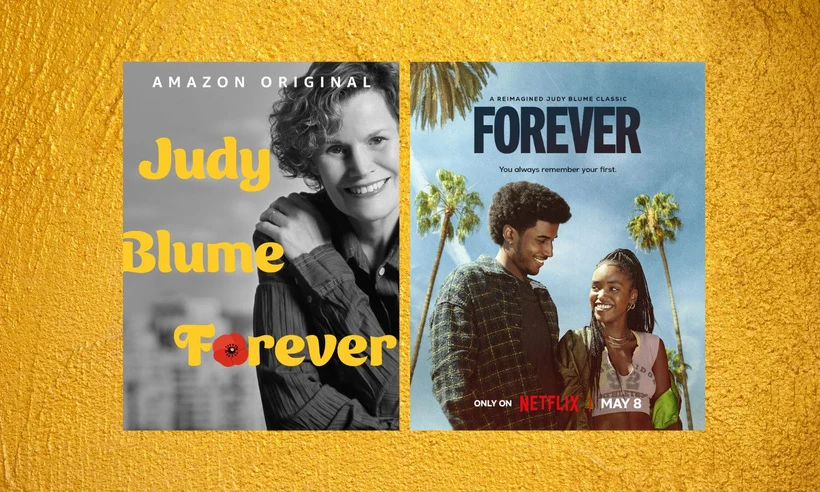
The enduring legacy of Judy Blume’s groundbreaking novel, Forever., published in 1975, continues to resonate within contemporary literary and cultural discussions. Despite facing consistent challenges and bans in educational and public libraries across the United States, the book’s candid exploration of adolescent sexuality, first love, and the complexities of growing up remains remarkably relevant, sparking new conversations on platforms like the "Zero to Well-Read" podcast. This in-depth examination delves into the novel’s historical context, its ongoing controversy, and its profound impact on generations of young readers.
The Radical Honesty of Forever.
In 1975, when Forever. first hit bookshelves, the landscape of young adult literature was vastly different. Societal norms surrounding discussions of sex and sexuality, particularly for teenagers, were significantly more conservative. Blume’s decision to tackle these subjects with unprecedented openness and a non-judgmental tone was, by definition, radical. The novel centers on Katherine Watson, a high school sophomore navigating her first serious relationship, including the decision to become sexually active. Unlike many narratives of the time that often depicted young women facing severe consequences for sexual exploration, Blume offered a story where characters grappled with the emotional and physical realities of intimacy without immediate punitive outcomes. This approach, characterized by its sex-positive stance long before the term was widely adopted, offered a crucial mirror to young readers who were experiencing similar feelings and uncertainties but found few other literary outlets that validated their experiences.

The "Zero to Well-Read" podcast, in its latest episode, revisits Forever., with hosts Rebecca and Jeff dissecting its enduring appeal and the reasons behind its continued censorship. Their discussion highlights the novel’s dual nature: its timeless ability to connect with adolescent readers on fundamental issues of identity and relationships, and the ways in which certain aspects might be viewed through a more modern lens. The podcast serves as a platform for a comprehensive analysis, exploring not only what made the book groundbreaking in its era but also why it continues to be a focal point for book challenges today.
A History of Controversy and Connection
The controversy surrounding Forever. is well-documented. Since its publication, it has consistently appeared on lists of banned or challenged books, often cited for its explicit sexual content and perceived encouragement of premarital sex. According to the American Library Association (ALA), Forever. has been a frequently challenged book for decades, placing it among the most targeted works in school and public libraries. These challenges typically stem from complaints by parents or community members who believe the book is inappropriate for its intended audience, citing concerns about its sexual themes and language.
However, for many readers, these same themes are precisely what make the book invaluable. Judy Blume herself has often spoken about the impetus for writing Forever.. She recounted how her own daughter expressed frustration with books where girls who were sexually active were invariably punished. "I want a book where two nice kids do it and nobody has to die," her daughter reportedly told her. This request became the driving force behind Forever., aiming to provide a narrative that acknowledged the realities of adolescent sexuality without resorting to moralistic condemnation. This perspective underscores the novel’s role in fostering open communication about sex and relationships, a critical function that many educators and librarians champion.

The Impact of Reader Engagement
A significant aspect of Judy Blume’s career, particularly in the years following the publication of Forever., was the overwhelming response from her readership. Blume received an extraordinary volume of mail from young people eager to share their own stories, seek advice, and express gratitude for her honest portrayals. At its peak, she was reportedly receiving over 2,000 letters per month. This immense influx of personal correspondence highlights the profound impact her work had on its audience, making them feel seen, heard, and understood during a formative period of their lives.
These letters, a testament to the deep connection between Blume and her readers, are now archived at Yale University. A portion of these letters, and the stories behind them, were featured in the 2023 documentary film, Judy Blume Forever. The film, along with the podcast and related discussions, provides a comprehensive look at Blume’s career and the lasting influence of her work. While the volume of mail was a powerful indicator of her impact, it also presented a significant emotional and logistical challenge for Blume. The sheer responsibility of responding to so many young people grappling with complex issues weighed heavily on her. She has spoken about seeking professional guidance to navigate these feelings and acknowledge the inherent limitations of her role; while she could not "save everyone," her books provided a safe space for exploration and reflection, positioning her as a trusted adult confidante for generations.
Contemporary Relevance and Digital Platforms
The ongoing relevance of Forever. is amplified by its presence on contemporary media platforms. The recent Netflix adaptation of Forever (2025) and the acclaimed 2023 documentary Judy Blume Forever have introduced the novel and its author to new audiences, reigniting discussions about censorship, adolescent development, and the importance of authentic storytelling. These adaptations, alongside podcasts like "Zero to Well-Read," serve as modern conduits for exploring the novel’s themes and its place in literary history.

The "Zero to Well-Read" podcast episode dedicated to Forever. offers a rich tapestry of insights, including "out of context" quotes that capture the humor and thoughtfulness of the discussion, a trivia game designed to engage listeners, and supplementary material that delves deeper into Blume’s career and the book’s legacy. The podcast’s Patreon page further extends this engagement, offering bonus content such as discussions on the book’s history as a banned item and conversations with literary experts. This multi-platform approach ensures that the dialogue surrounding Forever. remains vibrant and accessible, connecting with both long-time fans and new readers.
Broader Implications and Analysis
The persistent challenges to Forever. highlight an ongoing societal tension regarding the age-appropriateness of certain topics in literature for young people. Advocates for intellectual freedom and comprehensive sex education often point to books like Forever. as essential tools for providing young people with accurate information and fostering healthy attitudes towards sexuality. They argue that banning such books does not prevent young people from engaging with these topics but rather drives these conversations underground, potentially leading to misinformation and unsafe practices. The novel’s enduring presence on banned book lists serves as a barometer for the societal debates surrounding reproductive rights, LGBTQ+ inclusion, and the role of schools and libraries in providing access to diverse perspectives.
The analysis of Forever. through platforms like "Zero to Well-Read" demonstrates a sophisticated understanding of its literary merit and cultural significance. By examining what has "aged well" and what might be viewed differently today, the podcast engages in a nuanced critique that respects the historical context of the novel while acknowledging evolving societal norms. This approach is crucial for understanding how literature functions as a dynamic force, reflecting and shaping cultural attitudes over time. The fact that a book published nearly fifty years ago continues to spark such robust debate and inspire dedicated podcast episodes speaks volumes about its indelible mark on American literature and its continuing power to provoke thought and foster dialogue. The narrative of Katherine Watson’s journey, therefore, remains more than just a story; it is a historical document, a cultural touchstone, and a catalyst for ongoing conversations about growing up in America.