 Reynand Holland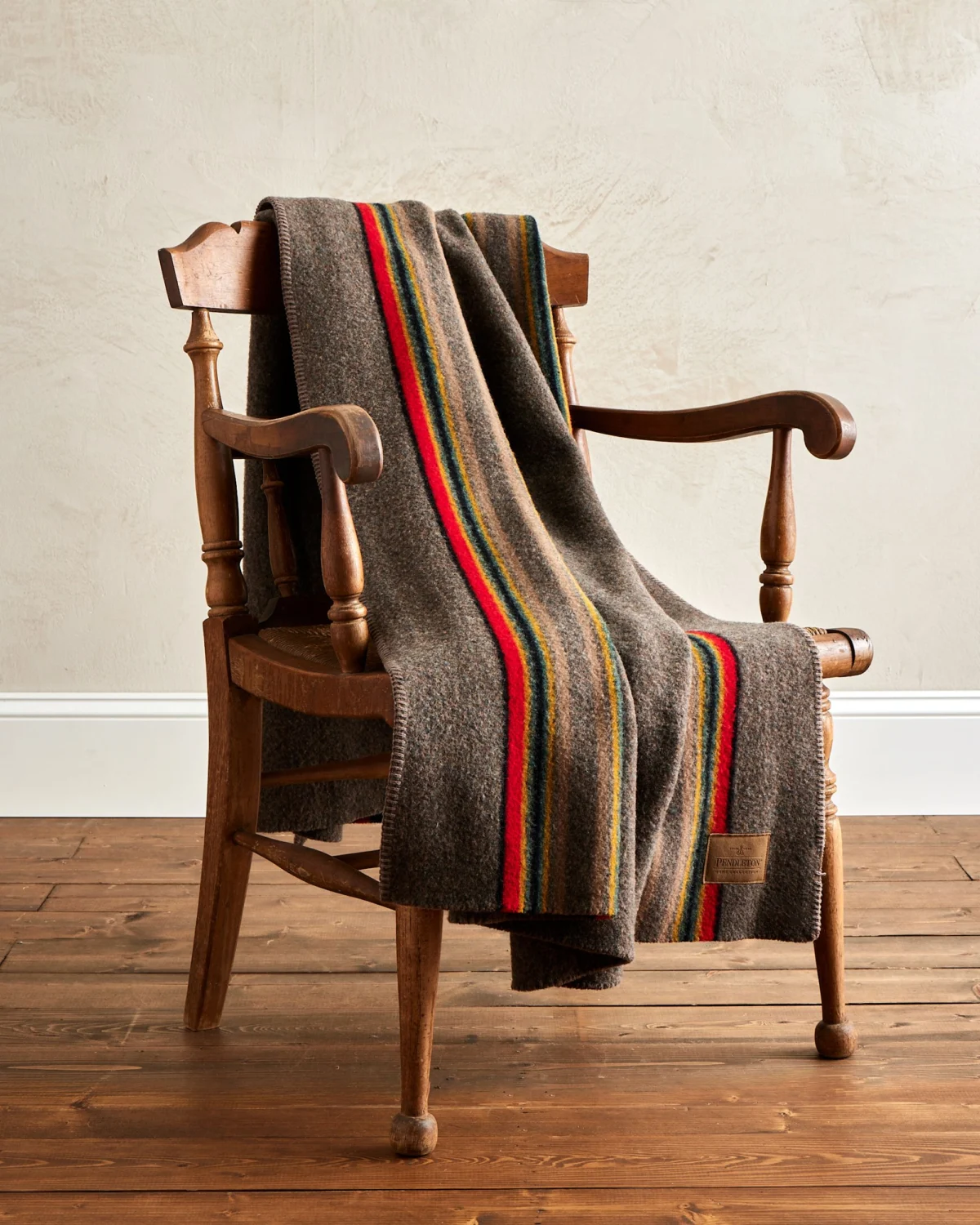
As winter sets in, bringing dropping temperatures, snowfall, and long evenings indoors, consumer demand for home textiles reaches its seasonal peak. Blankets and throws represent a staple category in seasonal retail, functioning both as functional cold-weather survival gear and as favored holiday gifts for consumers who seemingly have everything. However, behind the comfort of a heavy knit or a plush throw lies a complex supply chain involving synthetic chemistry, global labor dynamics, and significant environmental footprints. Recent consumer safety reports and textile industry analyses have highlighted that the traditional blanket market relies heavily on synthetic materials and chemical finishes that carry hidden health and ecological costs. This comprehensive market overview examines the transition toward sustainable, ethically sourced, and nontoxic winter blankets, analyzing the top brands leading the industry standards for transparency, organic agriculture, and fair trade manufacturing.
The Hidden Chemistry of Conventional Winter Textiles
To understand the shift toward sustainable bedding, industry analysts point to the fundamental material composition of mass-market blankets. The vast majority of conventional, inexpensive blankets and throws sold globally are produced from synthetic polymers such as polyester, acrylic, and nylon. Derived from petrochemicals, these synthetic fibers require resource-intensive extraction and refining processes. More critically for consumer health, synthetic textiles are frequently treated with or dyed using immuno-sensitizing substances, most notably azo-benzene disperse dyes.
According to textile toxicologists, azo-benzene dyes can trigger allergic contact dermatitis, skin irritation, and respiratory sensitization when individuals come into direct, prolonged contact with the fabric. Furthermore, as synthetic blankets undergo daily friction, laundering, and general wear, microscopic synthetic fibers and chemical residues break off into household dust. Consequently, families do not merely touch these chemicals; they continuously inhale and ingest them within indoor environments.
In response to growing public health awareness and stringent independent testing protocols, consumer advocacy groups and environmental watchdogs have increasingly recommended natural, biodegradable fibers. Materials such as certified organic cotton, traceable alpaca wool, merino wool, linen, Tencel, and American-grown hemp offer superior thermal regulation and moisture-wicking properties without the associated chemical risks. To verify that finished textiles are free from hazardous residues, industry standards rely on rigorous third-party certifications, notably Oeko-Tex Standard 100 and bluesign, which test for hundreds of restricted harmful substances at every stage of production.
The Evolution of Ethical Supply Chains and Artisan Craftsmanship
Beyond chemical safety, the contemporary home textile market is undergoing a structural evolution regarding labor transparency and supply chain traceability. Historically, the global textile trade has faced widespread scrutiny for opaque supply chains involving child labor, forced labor, and substandard, hazardous working conditions in developing nations. Blankets, particularly traditional handwoven quilts, throws, and intricate woolen blankets, represent a vital bridge between traditional artisan craftsmanship and modern consumer markets.
In recent years, consumer demand for accountability has driven brands to adopt transparent sourcing models. Certifications managed by Fair Trade USA and the World Fair Trade Organization (WFTO) have become vital benchmarks, guaranteeing that artisans receive living wages, operate in safe environments, and benefit from community development premiums. Furthermore, the rise of Certified B Corporations within the home goods sector has institutionalized corporate accountability, requiring companies to meet rigorous standards of social and environmental performance, public transparency, and legal accountability.
Chronology of the Sustainable Home Textile Movement
The transition toward eco-friendly home goods did not happen overnight; it represents a decades-long evolution influenced by shifting industrial regulations and consumer awareness.
Early 1900s–1950s: The Foundation of Domestic Wool Processing
During this era, regional mills—such as Pendleton, founded in 1909—established long-term supply agreements with local agricultural producers. Wool processing was largely localized, relying on natural anti-odor and thermal properties of animal fibers, long before synthetic alternatives dominated the market.
1960s–1990s: The Synthetic Boom and Environmental Awakening
The mid-to-late 20th century witnessed the rapid mass production of petroleum-based synthetic fibers. While affordable and durable, these materials largely eclipsed natural fibers. By the late 1980s and 1990s, early environmental movements began raising awareness regarding chemical runoff from textile dyeing and the persistence of synthetic waste in landfills.
2000s–2010s: Rise of Formal Certifications
The establishment of global standards transformed the market. The introduction of Oeko-Tex Standard 100 and the Global Organic Textile Standard (GOTS) provided consumers with verifiable metrics to evaluate chemical safety and organic integrity. Concurrently, fair trade initiatives began expanding from apparel into home textiles.
2020s–Present: Mainstream Integration and Direct-to-Consumer Transparency
Today, sustainability is no longer a niche market segment. Direct-to-consumer brands and heritage manufacturers alike utilize digital supply chain mapping, allowing buyers to trace a blanket from the organic farm where the fiber was harvested to the specific artisan collective that wove the final product.
Leading Brands Setting the Standard in Sustainable Blankets
A thorough market evaluation reveals a diverse group of manufacturers, ranging from century-old American mills to innovative B Corps, that prioritize organic materials, fair labor practices, and timeless design.
Pendleton (United States)
Operating continuously since 1909, Pendleton remains a cornerstone of American textile manufacturing. The company manages two of the remaining woolen mills in the United States, overseeing the complete lifecycle of its wool and cotton blankets—from scouring and dyeing to spinning, weaving, and hand-finishing. Pendleton maintains long-term procurement relationships with regional wool growers and collaborates with Indigenous artists to produce iconic, historically significant patterns on traditional looms. Its products carry Oeko-Tex certification, with retail pricing ranging from $60 to $529.
Minna (Upstate New York, Global Availability)
As a certified B Corporation and queer-led enterprise, Minna specializes in minimalist, abstract-patterned home textiles handmade in small batches. The brand partners directly with artisan communities across Central and South America, utilizing alpaca wool, Oeko-Tex-certified cotton, and merino wool. Emphasizing radical transparency, Minna explicitly names the artisan behind each product on its digital storefront. Price points range from $165 to $398.
April Notes (Lithuania / International)
Operating on a sustainable made-to-order business model, April Notes significantly reduces textile waste and overproduction. Partnering with a boutique atelier in Lithuania, the brand ensures fair wages and secure working conditions for its craftspeople. Its collection comprises linen, cotton, and merino wool blankets that are certified free of synthetic dyes and harsh chemicals, appealing to consumers seeking breathable, hypoallergenic home linens. Prices range from $149 to $180 across North America, Europe, and select international markets.
Avocado (Los Angeles, United States)
Widely recognized for organic bedroom furnishings, Los Angeles-based B Corp Avocado produces a diverse line of throws crafted from Oeko-Tex-certified organic cotton, alpaca wool, cashmere, merino wool, and recycled cotton. Notably, the brand utilizes naturally occurring alpaca wool colors that require no dyeing processes, while its remaining dyed products rely exclusively on azo-free compounds. Sourced primarily from Northern India under regularly audited supply chains, Avocado’s blankets range from $39 to $349.
Coyuchi (United States)
Coyuchi focuses on minimizing environmental impact across its entire operational footprint. The company sources organic cotton and wool primarily from India, executing final weaving in Fair Trade-certified manufacturing facilities located in Turkey, Portugal, and Germany. Coyuchi provides comprehensive digital consumer guides to assist buyers in selecting appropriate thermal weights and materials, with prices spanning $58 to $478.
Savvy Rest (United States)
A certified B Corporation specializing in chemical-free sleep systems, Savvy Rest offers 100% organic cotton, dye-free blankets ranging from throw sizes to king dimensions. Significantly, both the agricultural cultivation of the cotton and the final weaving operations occur domestically within the United States. Prices range between $89 and $198.
Under the Canopy (United States)
Utilizing manufacturing facilities across India, Pakistan, Turkey, and China, Under the Canopy produces durable home textiles using Oeko-Tex-certified low-impact dyes. The brand sources high-grade merino wool from Argentina and organic cotton from Turkey, focusing on intentional designs engineered for longevity. Retail prices range from $178 to $212.
Boll & Branch (United States and Canada)
As a Fair Trade Certified bedding enterprise, Boll & Branch prioritizes non-toxic manufacturing processes. Its throws are hand-finished by artisan partners in India, Turkey, and Pakistan, utilizing fully traceable, Oeko-Tex-certified organic cotton and alpaca fibers. Reflecting its artisan labor model, retail prices range from $149 to $699.
Bearaby (United States)
Specializing primarily in ergonomic weighted blankets designed to promote sleep and alleviate anxiety, Bearaby also produces lightweight decorative throws. The brand utilizes sustainable materials including Austrian Tencel, Indian organic cotton, and Oeko-Tex-certified recycled polyester, offering multiple weight configurations. Prices range from $149 to $309.
Cold Picnic (Worldwide)
Operating out of Brooklyn, Cold Picnic merges fine art aesthetics with sustainable textile manufacturing. The brand utilizes domestically sourced, Oeko-Tex-certified recycled cotton for its Brooklyn-designed throws, manufactured in small batches by a domestic family-owned enterprise. Additionally, its quilted pieces are handmade by artisans in India. While the majority of the collection is eco-conscious, consumers with chemical or synthetic sensitivities should review product specifications carefully, as select items incorporate polyester blends. Prices range from $130 to $560.
Parachute (United States and Canada)
A prominent direct-to-consumer home goods brand, Parachute designs modern, durable textiles using Oeko-Tex-certified cotton, alpaca wool, and linen. The company maintains ethical manufacturing partnerships in Portugal and Turkey through Fair Trade-certified facilities. Buyers sensitive to synthetic fibers should review labels carefully, as certain items contain minor percentage blends of polyester. Retail pricing spans $99 to $289.
The Citizenry (United States and Canada)
The Citizenry operates on a strictly Fair Trade model, partnering with international artisan collectives to produce lightweight blankets, throws, and quilts. Utilizing alpaca wool, mohair, linen, and cotton, the brand provides complete geographical transparency on its product pages, detailing the exact loom and region where each piece was crafted. Certain items incorporate minor synthetic blends, necessitating label inspection for sensitive consumers. Prices range from $189 to $299.
Made Trade (International Marketplace)
Functioning as a curated online ethical marketplace, Made Trade vets third-party inventories to ensure verifiable sustainability and supply chain transparency. The platform allows consumers to filter purchases according to specific ethical values—such as USA-Made, hand-crafted, or Fair Trade—and preferred material compositions, including organic cotton, hemp, linen, and merino or alpaca wool. Prices range widely from $40 to $719, with global shipping availability across North America, Europe, the U.K., and parts of Asia.
Broader Economic and Environmental Implications
The ongoing pivot toward transparent, sustainable blanket production carries profound implications for the global textile industry. As regulatory bodies in the European Union and North America tighten scrutiny over corporate greenwashing and chemical toxicity in consumer goods, brands can no longer rely on vague marketing terms. The adoption of stringent certifications—such as GOTS, Oeko-Tex, and Fair Trade—establishes a standardized framework that protects both public health and vulnerable labor forces.
For consumers, investing in high-quality, natural-fiber blankets represents a shift away from fast-furnishing cycles toward durable, heirloom-quality goods. While the initial capital outlay for organic wool, traceable alpaca, or certified fair-trade cotton is frequently higher than that of mass-market synthetic alternatives, the extended lifecycle, thermal superiority, and health benefits offer significant long-term value. Ultimately, the winter blanket market illustrates that home comfort and ethical responsibility can successfully intersect, transforming a seasonal retail purchase into a conscious investment in human well-being and ecological preservation.