
 Ali Ikhwan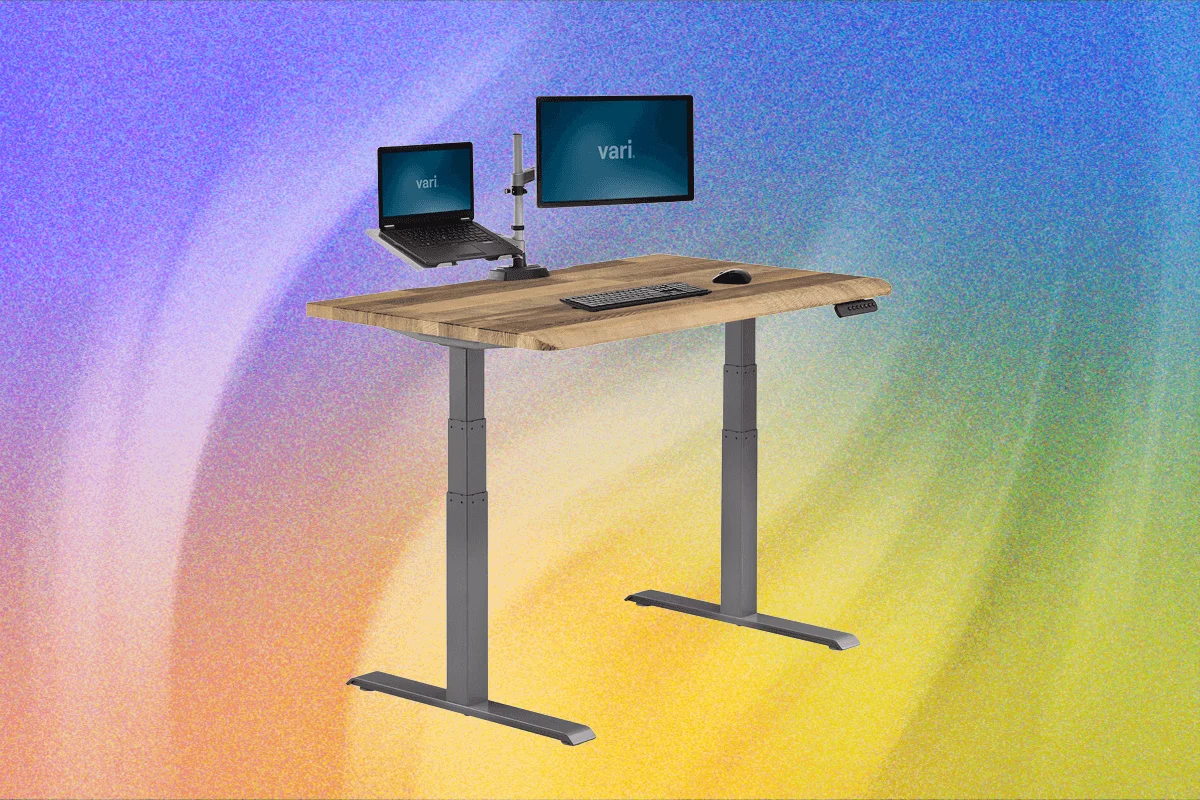
The modern workplace has undergone a significant transformation over the last decade, with the standing desk transitioning from a niche ergonomic tool to a staple of the home office and corporate environment. Driven by a desire to combat the sedentary nature of office labor, millions of professionals have invested in height-adjustable workstations. However, as the market matures, the conversation surrounding these desks has shifted from mere novelty to a rigorous examination of health science, mechanical reliability, and ergonomic best practices.
The Scientific Reality of Standing Workstations
The primary catalyst for the widespread adoption of standing desks was the burgeoning body of research suggesting that prolonged sitting—often dubbed "the new smoking"—is a major contributor to metabolic issues, chronic back pain, and cardiovascular disease. Yet, recent epidemiological studies, including findings published in the International Journal of Epidemiology, indicate that the relationship between desk usage and health is far more nuanced.

Anne-Kristina Arnold, a senior lecturer in the Department of Biomedical Physiology and Kinesiology at Simon Fraser University, emphasizes that the scientific community remains cautious. "To say standing workstations are good for everybody in every situation all the time is never going to hold up," Arnold explains. The variables involved are extensive: individual body composition, physical fitness levels, the quality of footwear, and the specific nature of the tasks being performed all dictate the efficacy of standing.
Data suggests that while standing can mitigate specific risks associated with sedentary behavior, static standing for extended periods can actually increase the risk of cardiovascular strain and venous pooling. The current consensus among experts is that the "answer" is not standing, but rather movement. The ideal ergonomic cadence involves a dynamic shift in posture—roughly 20 minutes of standing per hour, with frequent intervals for walking and stretching.
Ergonomic Standards and Setup Requirements
Proper implementation of a standing desk requires adherence to established ergonomic principles. Whether sitting or standing, the primary goal is to maintain a neutral body posture that minimizes strain on the musculoskeletal system.

When configuring a workstation, the keyboard surface should be positioned at elbow height, allowing for a 90-degree bend in the arms. Monitors should be placed so that the top third of the screen aligns with the user’s natural eye level. For those utilizing laptops, the integration of a dedicated laptop stand is critical to preventing the "hunching" effect that negates the posture-correcting benefits of a standing desk. Furthermore, users should adjust their office chair height relative to the floor before calibrating the desk’s height to ensure that the feet remain flat and supported during seated periods.
Mechanical Considerations: Electric vs. Manual Systems
The market for standing desks is bifurcated into electric and manual systems, each serving distinct user needs. Electric desks, which utilize motorized legs, offer the convenience of seamless, push-button adjustments. This is often the preferred choice for those who anticipate frequent posture changes throughout the workday.
Conversely, manual desks—typically operated by a crank mechanism—provide a more cost-effective solution for users who anticipate keeping the desk at a static height for the majority of the day. While less convenient, manual desks are often more durable in the long term due to the lack of complex electronics and motor assemblies that are prone to failure.

The Importance of Long-Term Testing and Reliability
The durability of a standing desk is a critical investment factor. Unlike standard furniture, standing desks are complex mechanical systems. A professional review process must extend beyond initial assembly to include months—or years—of daily operation. Key performance indicators during these long-term tests include motor noise levels, structural stability at maximum height, the efficacy of anti-collision sensors, and the quality of cable management systems.
Cable management, in particular, is an often-overlooked aspect of setup. A common oversight involves failing to provide sufficient "slack" in power and data cables when the desk is at its maximum elevation. This can lead to disconnected peripherals or, in more severe cases, physical damage to ports and hardware.
Market Overview: Notable Products and Comparative Analysis
The current landscape of standing desks features a wide range of price points and feature sets.

- The Budget Tier: Options such as the Luxor Compact Electric Standing Desk (approximately $200) cater to users with limited space. While these desks are functional, they often lack the sophisticated stability features found in higher-end models and may feature exposed mechanical components.
- The Mid-Range Tier: Desks in the $400 to $900 range, such as the Vari Solid Wood Electric Desk or the Boulies Magvida, prioritize durability and ease of use. The Boulies model is notable for its magnetic organization system, which allows for a cleaner workspace without the need for traditional drilling or mounting.
- The Premium Tier: At the higher end of the spectrum, models like the Room & Board Lincoln Desk (exceeding $5,000) offer an executive-level aesthetic that disguises the desk’s functionality as office furniture. These units often include white-glove assembly and premium materials like solid walnut or oak.
- Smart Integration: Newer entrants to the market, such as the Ergodriven Tempo and the Autonomous Desk Pro, have introduced "smart" features, including automated standing reminders and sensor-based usage tracking. While these features appeal to data-driven professionals, their practical utility varies, and they occasionally introduce unnecessary complexity to a device intended to facilitate focus.
Industry Challenges and Product Failures
The rapid expansion of the standing desk market has led to the introduction of products that fail to meet long-term expectations. For instance, the Corsair Platform:6, despite its innovative rail system designed for mounting peripherals, faced scrutiny due to mechanical failures where the rail system tilted under the weight of monitors. Such incidents highlight the importance of thorough product vetting, as even established brands can release designs that suffer from structural integrity issues over time.
Similarly, the Marinamantra "Flow" desk serves as a cautionary tale regarding quality control. Users reported receiving units with missing components and inconsistent motor performance, demonstrating that a creative pitch—such as the ability to sit "crisscross applesauce"—cannot compensate for poor manufacturing standards.
Broader Implications for the Future of Work
The rise of the standing desk is emblematic of a broader trend: the "humanization" of the office environment. As remote and hybrid work models become permanent fixtures of the global economy, the lines between domestic comfort and professional utility continue to blur. Companies and individuals alike are increasingly prioritizing health-conscious design, but this shift requires a more informed consumer base.

The future of the office workstation will likely move toward greater integration with biometric feedback and environmental control. However, the foundational advice remains constant: the best posture is the next posture. Whether utilizing an $850 high-end workstation or a basic manual setup, the primary objective for the modern professional remains the active, intentional movement of the body throughout the working day.
Conclusion: A Strategic Investment
For those considering a transition to a standing desk, the decision should be guided by a clear assessment of individual needs. If the primary goal is to increase movement, the desk itself is only one component of the solution. Pairing a high-quality, stable, and reliable electric desk with proper ergonomic accessories—such as monitor arms, anti-fatigue mats, and adjustable task lighting—will yield the greatest return on investment.
As the industry continues to evolve, consumers should look for manufacturers that offer transparent warranty terms, robust customer support, and a history of long-term reliability. The standing desk is not a panacea for the health risks of modern work, but when used correctly as part of a comprehensive wellness strategy, it remains a valuable tool for maintaining productivity and physical well-being in an increasingly sedentary world.