
 Indra Kusuma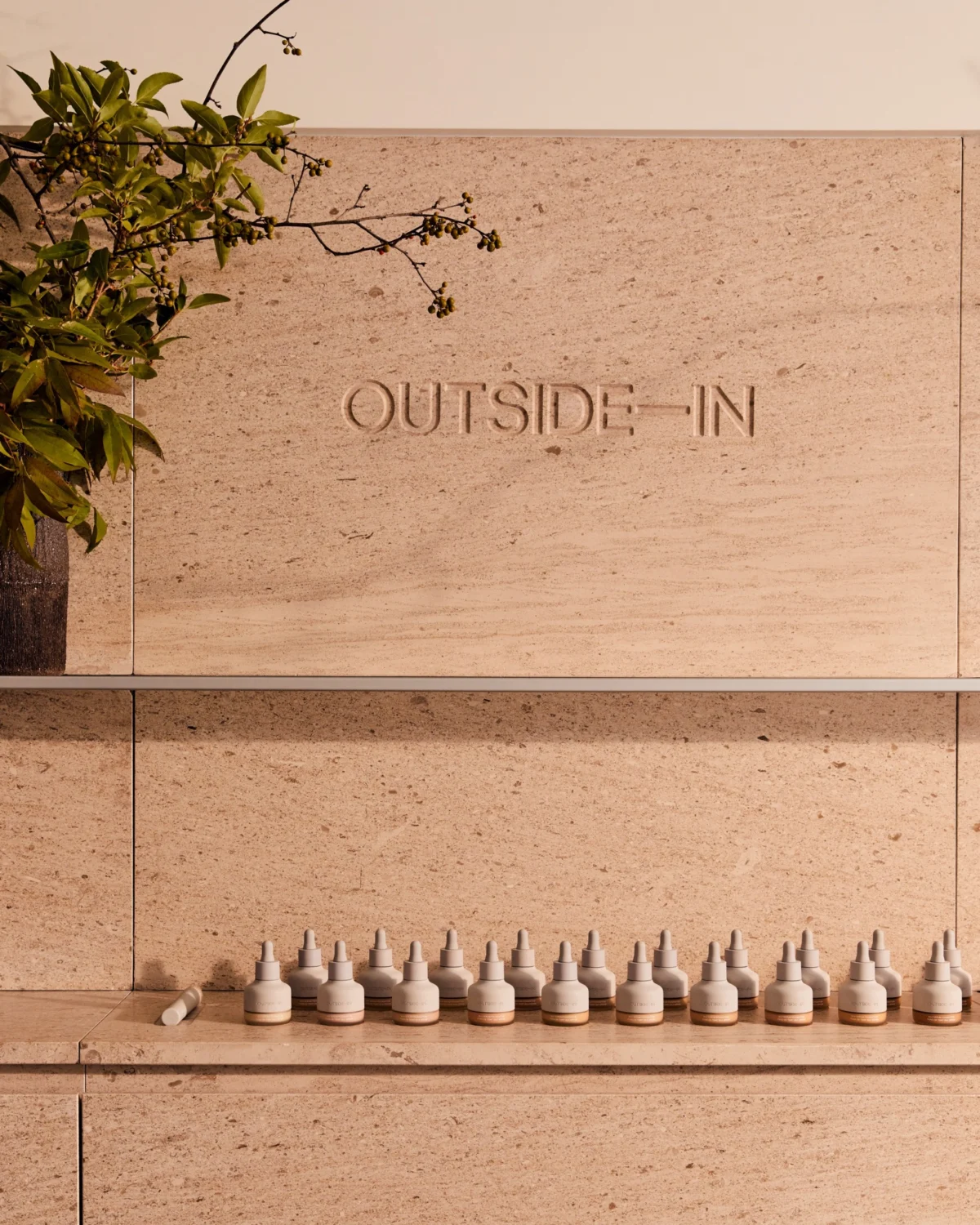
The landscape of modern beauty retail is undergoing a profound structural evolution, shifting away from the traditional, transaction-heavy model toward a holistic philosophy centered on experience, wellness, and spatial architecture. At 31 Crosby Street in New York City’s historic SoHo district, a new collaborative concept from the lifestyle brands Outside In and Nature of Things has emerged, effectively blurring the lines between a high-end beauty destination, a social hub, and an architectural installation. Founded by Carisa Janes, the visionary behind Hourglass Cosmetics, the project represents a departure from conventional product-first retail, opting instead to prioritize sensory immersion and communal gathering.
The Architectural Vision and Design Philosophy
The development of 31 Crosby Street marks the inaugural United States project for Shanghai-based F.O.G. Architecture. Tasked with translating Janes’ vision into a physical space, the design team focused on the intersection of light, material, and human movement. Unlike typical retail environments that rely on high-density shelving and aggressive merchandising, this space is defined by its architectural restraint.
The interior design employs a palette of organic, tactile materials. Within the Nature of Things flagship area, for instance, visitors encounter curved walls constructed from individually installed loofah—a material choice that reinforces the brand’s commitment to plant-based, natural origins. A monolithic stone basin serves as a central anchor, transforming the act of testing products from a passive observation into a tactile, grounding physical interaction.
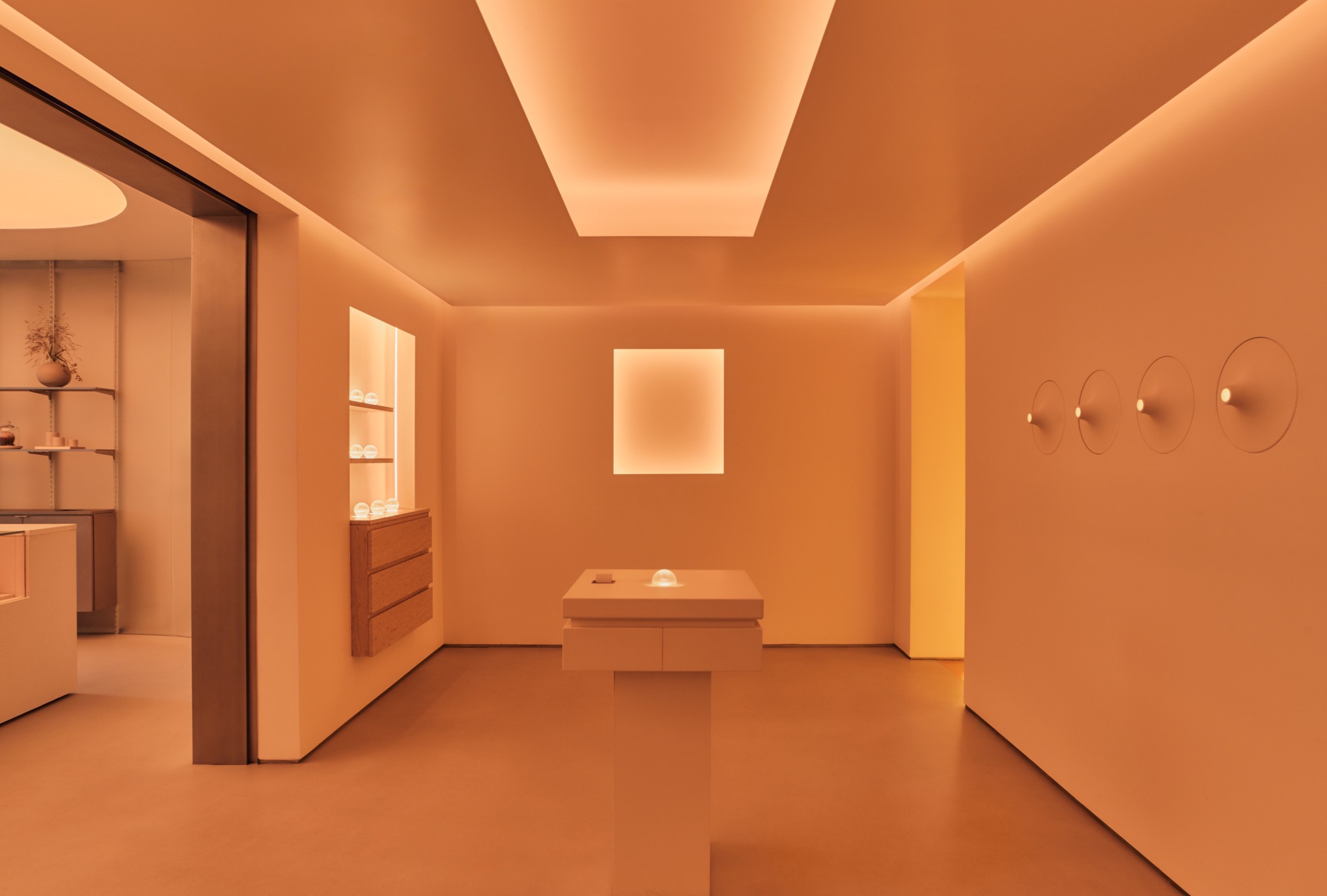
Adjacent to this, the Outside In space operates on a philosophy of illumination. The architecture utilizes a coved ceiling that culminates in a circular oculus, channeling natural light deep into the structure. This is complemented by frosted glass and stone elements that diffuse light, reducing harsh glare and creating a soft, ethereal environment. The integration of custom vanities, which feature built-in, adjustable lighting, allows for precise makeup consultation and shade matching, while the fragrance gallery utilizes synchronized wall and ceiling lighting that shifts in intensity to mirror the mood of various scent profiles.
A Chronology of the Concept
The project is the culmination of several years of strategic planning by Carisa Janes, who sought to bridge the gap between her established success in the cosmetics industry and her emerging focus on holistic, nature-derived wellness.

- Pre-Development Phase (2023–2024): Preliminary conceptualization of a multi-sensory retail space. Janes identified the need for a "third place" that served as an extension of the home rather than a traditional shopping center.
- Design Selection (Early 2025): F.O.G. Architecture is brought on board to manage the design of the site, marking their entry into the U.S. market.
- Construction and Site Preparation (Mid-2025 – Early 2026): The transformation of the Crosby Street location, emphasizing structural changes to allow for the oculus and the installation of a hidden garden.
- Grand Opening (September 2026): The official public debut of the combined flagship and café, coinciding with a broader trend of flagship-as-destination retail in Manhattan.
Market Data and Retail Trends
The decision to pivot toward "experiential retail" is supported by shifting consumer data. According to reports from the National Retail Federation and various market research firms, beauty consumers—particularly those in the Gen Z and Millennial cohorts—increasingly prioritize "dwell time" when selecting where to shop.
Statistics indicate that retail stores incorporating hospitality elements, such as cafés or dedicated lounge areas, see an average increase of 15% in time spent per customer visit. Furthermore, data from the retail analytics sector suggests that brands which de-emphasize direct "hard-sell" tactics in favor of atmospheric value see higher brand loyalty and repeat-customer rates over an 18-month cycle. By integrating a café and a garden into the footprint, Outside In and Nature of Things are banking on the premise that a consumer who feels relaxed and invited to linger is statistically more likely to return for future purchases than one who experiences a strictly transactional visit.
Official Perspectives and Design Intent
Leilei Wu, the Partner in Charge at F.O.G. Architecture, noted that the project provided a rare opportunity to move beyond aesthetics. "This was a rare opportunity to design beyond the visual, to think about how a space can engage people on multiple levels at once," Wu stated. The design team’s intent was to force a slowdown; by creating a space that unfolds gradually, they encourage customers to traverse the shop in a deliberate, measured way, rather than rushing toward a point-of-sale terminal.

For Carisa Janes, the inclusion of the Outside In Café and the hidden garden is a deliberate challenge to the "transactional logic" of current retail. By offering a space that requires no purchase to enjoy, the brand establishes a sense of community trust. The ceramics used in the café are custom-designed, echoing the attention to detail found in the fragrance gallery and skincare sections, reinforcing the brand identity through every touchpoint.
The Broader Impact on the Retail Sector
The significance of the 31 Crosby Street project lies in its role as a potential blueprint for the future of luxury retail. As e-commerce continues to capture a larger share of commodity purchases, physical storefronts are forced to justify their existence through high-touch, unique experiences that cannot be replicated digitally.
The planned programming for the space—which includes artist residencies, exclusive product launches, private appointments, and cultural events—further solidifies the location as a "cultural hub." This multifaceted approach is a strategic hedge against the volatility of the retail sector. By diversifying the utility of the square footage, the brands ensure that the store remains a relevant part of the SoHo neighborhood’s ecosystem regardless of the immediate demand for beauty products.

Fact-Based Analysis of Implications
The shift toward "hospitality-as-retail" is not without its risks. The overhead costs of maintaining a café, a private garden, and a high-design architectural space are significantly higher than those of a standard boutique. To remain sustainable, such models must achieve a delicate balance: the retail portion must be profitable enough to support the hospitality wing, or the hospitality wing must act as a marketing expense that drives long-term brand equity and digital sales.
However, the collaboration between Outside In and Nature of Things suggests that the industry is moving toward a consolidation of "lifestyle brands." By grouping skincare, fragrance, and dining, the business creates a "one-stop" wellness ecosystem. If this model proves successful in the competitive SoHo market, it is likely that other beauty brands will move to adopt similar hybrid layouts, effectively turning their flagships into social venues.
Conclusion
The project at 31 Crosby Street is more than just a retail opening; it is a clinical observation of how the physical store must adapt to survive in a digital age. By emphasizing the "Outside In" philosophy—a literal and figurative bridge between the natural world and the consumer—the brands have created a template that prioritizes human connection and sensory well-being over the metrics of high-volume sales. As the retail industry watches, this experiment in SoHo will serve as a critical case study on whether the future of shopping is, in fact, the death of the store as we have traditionally understood it, and the birth of something much more experiential.







