Cintya Tara Annisa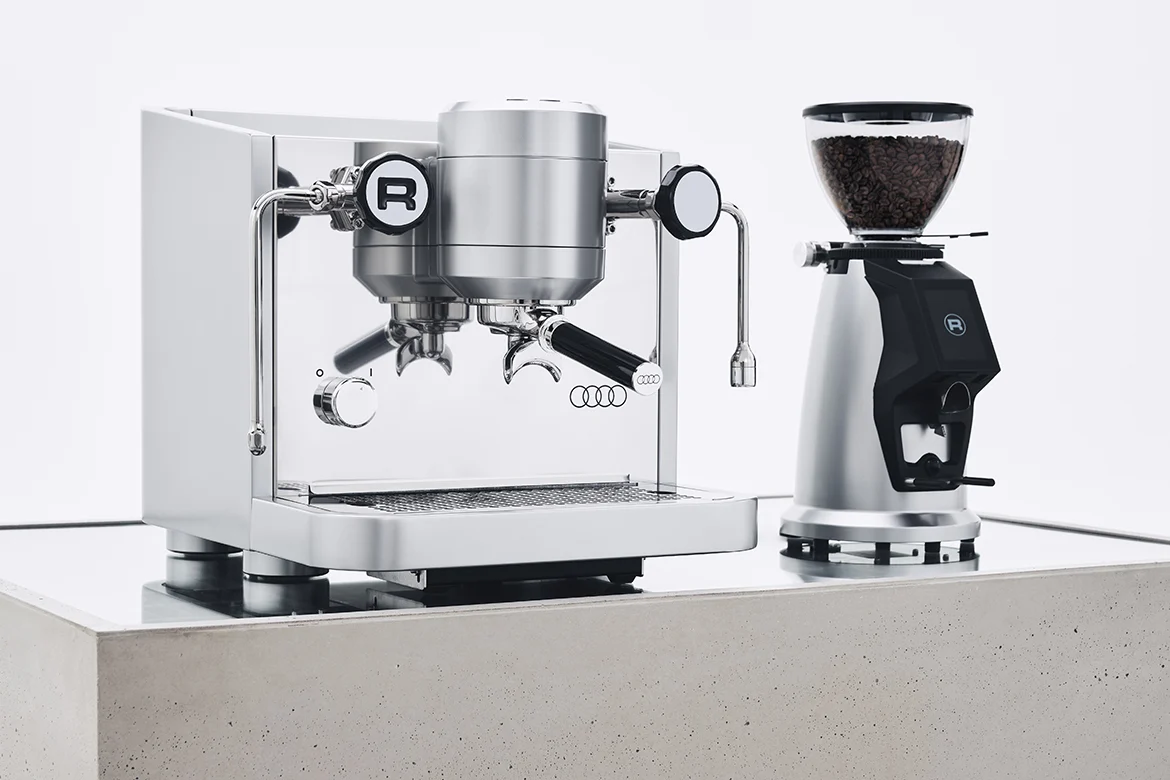
The intersection of automotive engineering and the artisanal craft of specialty coffee has reached a new zenith as Rocket Espresso Milano and the Audi Design Team unveil their latest collaborative endeavor. This partnership, which merges the high-performance requirements of professional-grade espresso extraction with the minimalist, iconic design language of the German automaker, culminates in a bespoke iteration of the Rocket Bicocca. The result is a machine that functions as both a high-precision coffee tool and a sculptural centerpiece, marking a significant evolution in the prosumer espresso market.
A Confluence of Design Philosophies
The genesis of this project dates back to a long-standing internal objective within Audi’s design studio to translate the brand’s automotive signature into the domestic kitchen environment. For years, the Audi Design Team—renowned for its focus on "Vorsprung durch Technik" (Advancement through Technology)—sought a partner capable of matching their rigorous standards for material selection, surface finish, and geometric precision. Rocket Espresso, founded in Milan in 2007, provided the necessary technical pedigree.
The collaboration was not merely a cosmetic exercise; it involved an intensive development phase in partnership with the Milan-based studio Valerio Cometti + V12Design. The team was tasked with reimagining the Bicocca platform, a machine already respected for its internal thermal stability and pressure profiling capabilities. By applying the design DNA of the Audi TT, the creators sought to remove visual clutter, emphasizing instead the purity of form and the tactile experience of the brewing process.
Architectural Precision and Aesthetic Integration
The physical architecture of the Rocket x Audi machine reflects a departure from traditional industrial espresso design. While most prosumer machines rely on exposed brass, chrome-heavy boilers, and busy gauge clusters, the Audi-inspired model utilizes a monolithic housing. The machine’s silhouette is characterized by side panels that rise toward the rear, creating a dynamic, forward-leaning aesthetic reminiscent of the aerodynamic profiles of Audi’s sports cars.
One of the most striking technical and aesthetic choices is the implementation of circular aluminum feet. By lifting the chassis slightly above the countertop, the designers have imbued the machine with a sense of "aesthetic lightness," suggesting that the device is hovering. This is reinforced by the transition between different surface structures; a deliberate visual separation exists between the primary monolithic housing and the functional front-facing interfaces.
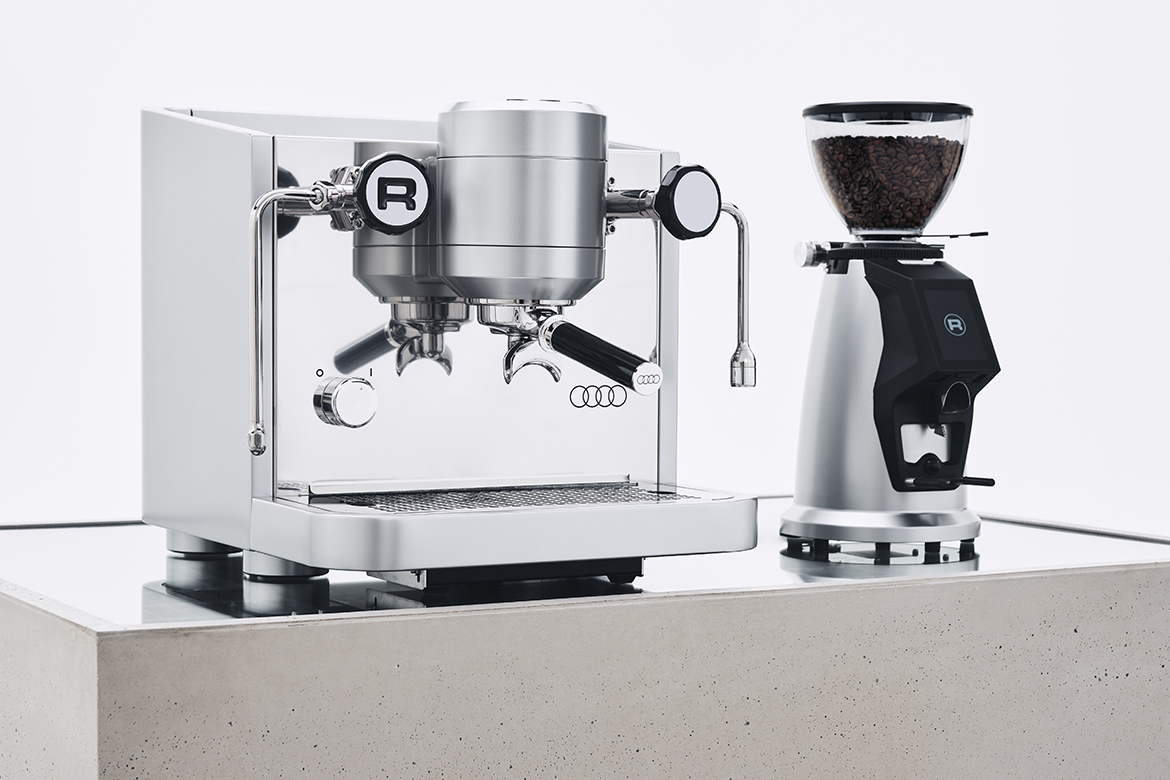
Furthermore, the brewing unit—the heart of any espresso machine—has been integrated into the body with near-seamless precision. The tactile controls, specifically the rotary knobs and the portafilter handle, are finished in a high-gloss black. This material choice serves a dual purpose: it provides a high-contrast visual anchor against the machine’s primary body and serves as a refined interface that prioritizes ergonomics without sacrificing the minimalist aesthetic.
The Digital Interface: A Modern Approach to Tradition
In an era where home baristas are increasingly demanding data-driven extraction, the inclusion of a 3.5-inch integrated touch display is a critical upgrade. Positioned in the upper region of the brewing unit, the display maintains the clean, tidy structure of the front face while offering deep-level control over the extraction parameters.
This digital command center allows for granular adjustments to pressure profiles, temperature stability, and pre-infusion timings. By burying the complexity within a software-driven interface, the physical exterior of the machine remains uncluttered, adhering to the design principle of "reduced lines." This digital-first approach to traditional espresso brewing highlights the shift in the prosumer market toward precision-heavy workflows that were, until recently, exclusive to commercial laboratory-grade equipment.
Contextualizing the Prosumer Market
To understand the significance of this collaboration, one must look at the broader trends currently shaping the specialty coffee landscape. According to recent market analysis in the home appliance sector, the "prosumer" segment—defined as consumers who demand professional-grade hardware for domestic use—has seen a compound annual growth rate (CAGR) of approximately 6.5% over the past five years. As remote work becomes a permanent fixture of the modern lifestyle, the investment in high-end, aesthetically pleasing coffee equipment has transitioned from a niche hobby to a primary lifestyle investment.
The Rocket x Audi project arrives at a time when consumers are increasingly viewing household appliances as extensions of their personal interior design aesthetic. By aligning with a prestige automotive brand, Rocket Espresso is positioning its hardware not just as a tool for caffeine extraction, but as a luxury asset. This strategy mirrors the broader shift in the automotive industry, where manufacturers are increasingly looking to lifestyle branding to maintain relevance in a post-ownership economy.
Chronology of Development
The development timeline for such a specialized collaboration is intensive. Preliminary discussions between Rocket Espresso and the Audi Design Team began roughly 24 months prior to the official reveal. The initial phase focused on defining the "design language" that would be translated from the automotive chassis to the coffee machine.

By month six, the partnership with Valerio Cometti + V12Design was solidified to manage the engineering hurdles associated with the machine’s complex housing. Months 8 through 18 were dedicated to prototyping, specifically focusing on the thermal integrity of the machine, as the custom exterior design required an entirely new internal heat-management strategy to ensure the aluminum surfaces did not overheat during continuous operation. The final six months were reserved for the integration of the touch-display software and the rigorous testing of the machine’s extraction performance to ensure it met the standard expected of the Rocket name.
Implications and Industry Response
The collaboration represents a significant milestone for both brands. For Audi, it demonstrates the scalability of their design language outside of the mobility sector, reinforcing the brand’s identity as a leader in industrial design. For Rocket Espresso, the association with Audi elevates the brand’s profile among design-conscious demographics who may not yet be familiar with the technical intricacies of E61 group heads or dual-boiler systems.
Market analysts suggest that this project could set a new benchmark for "co-branded industrial design" within the appliance industry. If the machine receives favorable reception, it is likely that other luxury manufacturers will look to emulate this model of collaboration, further blurring the lines between consumer electronics and high-end automotive aesthetics.
However, the success of the machine will ultimately hinge on its performance in the cup. While the design is undeniably striking, the discerning prosumer community remains focused on the stability of the pressure, the longevity of the components, and the ease of maintenance. By leveraging the Bicocca platform—a model already proven in the competitive home-barista market—Rocket has mitigated much of the technical risk, allowing the focus to remain on the aesthetic achievement.
Conclusion
The Rocket x Audi collaboration is a testament to the maturation of the home coffee market. It reflects a shift where the ritual of coffee preparation is no longer relegated to the kitchen corner but is instead placed at the center of the living space, treated with the same reverence and design sensitivity as high-end furniture or luxury vehicles. By successfully distilling the complex, high-pressure world of espresso extraction into a clean, minimalist form, the two companies have created a product that satisfies both the exacting demands of the home barista and the refined eye of the design enthusiast. As production begins and the machines enter the market, they will serve as a physical bridge between two worlds: the high-speed, precision-engineered world of Audi and the slow, ritualistic, and sensory-driven world of specialty coffee.