
 Indra Kusuma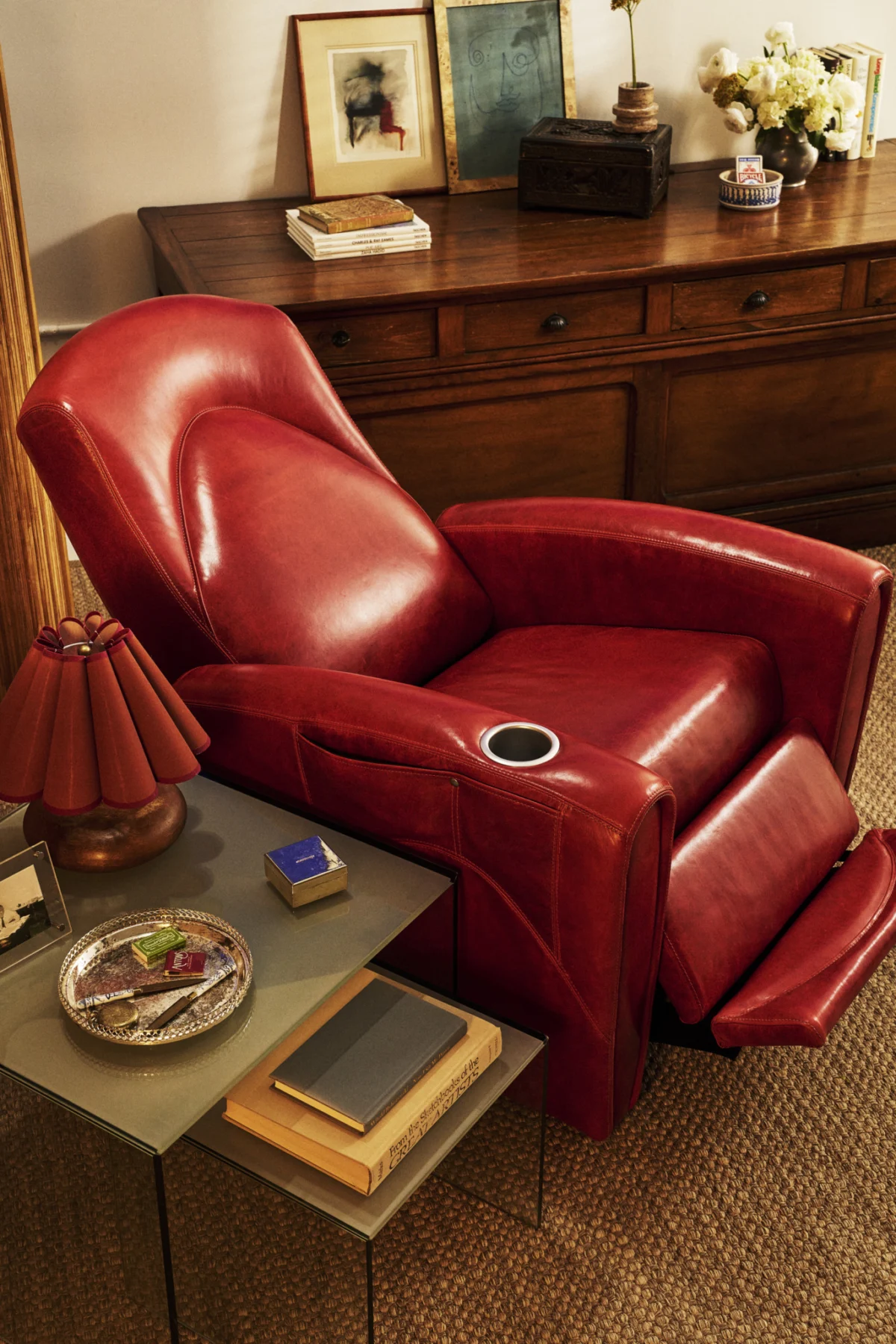
For most, a twenty-year tenure in a single industry serves as the foundation for a well-earned retirement; for Janet Feldman, it was merely the prologue to a decade-long crusade against the clinical aesthetic of home healthcare furniture. As the founder and CEO of Assistance With Elegance, Feldman has bridged the gap between orthopedic necessity and interior design excellence with the launch of the AWEchair, a piece of furniture that challenges the long-standing industry assumption that mobility aids must look, feel, and function like medical equipment.

The motivation behind this endeavor was personal. When Feldman’s aging parents began to experience significant mobility limitations, the search for a supportive lounge chair that did not resemble a hospital bed proved futile. The market was saturated with "lift chairs"—recliners engineered for ease of movement—that were largely designed with utility as the sole priority. These chairs, typically characterized by bulky silhouettes, unattractive materials, and overtly mechanical interfaces, often clashed with the carefully curated aesthetics of a private home. Recognizing that the psychological impact of living with "medicalized" furniture could be as detrimental to one’s self-esteem as the mobility issues themselves, Feldman set out to create an alternative.
A Chronology of Innovation and Iteration
The journey of the AWEchair began not on a factory floor, but in the realm of observation and research. Feldman, leveraging her extensive background in manufacturing and luxury craftsmanship from the footwear industry, identified a critical design vacuum. The development process, spanning ten years, was marked by an interdisciplinary approach that moved beyond simple aesthetics to incorporate medical and ergonomic rigor.

Between 2016 and 2026, the project evolved through several distinct phases:
- The Research Phase (Years 1–3): Feldman engaged with gerontologists and orthopedists to define the mechanical requirements for safe, independent ingress and egress. This phase focused on identifying the necessary range of motion and weight-bearing support required for users with limited mobility.
- The Design and Engineering Phase (Years 4–7): Collaborating with industrial designers, the team attempted to marry the classic proportions of a mid-century club chair with hidden mechanical complexity.
- The Prototyping and Manufacturing Phase (Years 8–10): After vetting multiple international manufacturing partners, Feldman secured a German firm capable of executing the precise, patented mechanisms required for the chair’s functionality. The final product represents a global assembly of engineering: German mechanical systems, a specialized motor developed in China, and premium upholstery sourced from Italy and finished in North Carolina.
Data and Market Context: The "Graying" of the Global Population
The timing of the AWEchair’s release coincides with a massive demographic shift. According to the United Nations’ World Population Prospects, the number of persons aged 65 or over globally is projected to double to 1.6 billion by 2050. This "silver economy" represents a significant segment of the consumer market that has historically been underserved by high-end design.

Market analysts note that the traditional medical supply industry has been slow to innovate, largely because its business model relies on insurance-reimbursed, standardized products. These products are manufactured for durability and low cost rather than aesthetic appeal or emotional resonance. By positioning the AWEchair as a luxury home product rather than a medical device, Feldman is tapping into the growing "aging in place" movement. Data from the AARP indicates that nearly 90% of seniors prefer to remain in their own homes as they age, a trend that is driving demand for products that facilitate independence without creating a clinical environment.
The Engineering of Elegance
The technical specifications of the AWEchair reflect a departure from traditional lift chair design. Where standard lift chairs utilize visible, often jarring motorized arms, the AWEchair utilizes a patented system that retracts the footrest and hides the lifting mechanism within the frame when the chair is in a static, upright position.

The chair features eight distinct patents, covering critical functional details such as integrated cup holders, specialized foot molds for stability, and lumbar support systems. The inclusion of these features demonstrates a sophisticated understanding of "universal design"—a philosophy that aims to create environments and products that are accessible to all people, regardless of age, size, or ability.
Institutional and Professional Perspectives
The design industry has increasingly focused on the intersection of healthcare and interior architecture, a field often referred to as "evidence-based design." By removing the visual markers of disability, designers can reduce the stress often associated with mobility transitions.

In discussions regarding the AWEchair, ergonomics experts have pointed out that the psychological benefit of "normalized" living spaces is significant. A chair that encourages social interaction—by looking like a piece of high-end furniture rather than a medical aid—prevents the social isolation that often accompanies the introduction of clinical equipment into the living room. By allowing the user to remain in the heart of the home, the chair serves as a tool for both physical safety and mental health.
Broader Implications for the Furniture Industry
The entry of the AWEchair into the luxury market suggests a potential shift in how furniture manufacturers approach accessibility. Historically, the "universal design" sector has been relegated to niche catalogs. However, as high-net-worth individuals age, the demand for accessible luxury is expected to grow.

"We are seeing a convergence," says one industry consultant familiar with the luxury furniture space. "The boomer generation has high standards for their living environments. They are not willing to sacrifice their sense of style simply because they require a bit more assistance. Brands that can deliver on the promise of ‘invisible accessibility’ will likely capture a significant portion of this market."
Conclusion: A Legacy of Thoughtful Design
The AWEchair is priced starting at $7,995, a figure that reflects its positioning as a durable, luxury asset rather than a disposable medical appliance. While the product is a result of a ten-year professional development cycle, its roots remain firmly planted in the personal experience of its founder.

Though Feldman’s parents passed before the final iteration of the chair was completed, the product serves as a tangible expression of her intent to preserve dignity in the face of physical decline. The chair is more than a seat; it is a prototype for how the design industry can respond to the inevitable realities of aging. By treating accessibility as a foundational requirement rather than an afterthought, Feldman has established a new benchmark for what is possible in residential care. The AWEchair effectively argues that the home should remain a sanctuary of personal style, regardless of the physical support systems required to maintain that independence. As the population continues to age, the model of blending sophisticated design with medical necessity will likely become the standard rather than the exception.







