Clara Fransiska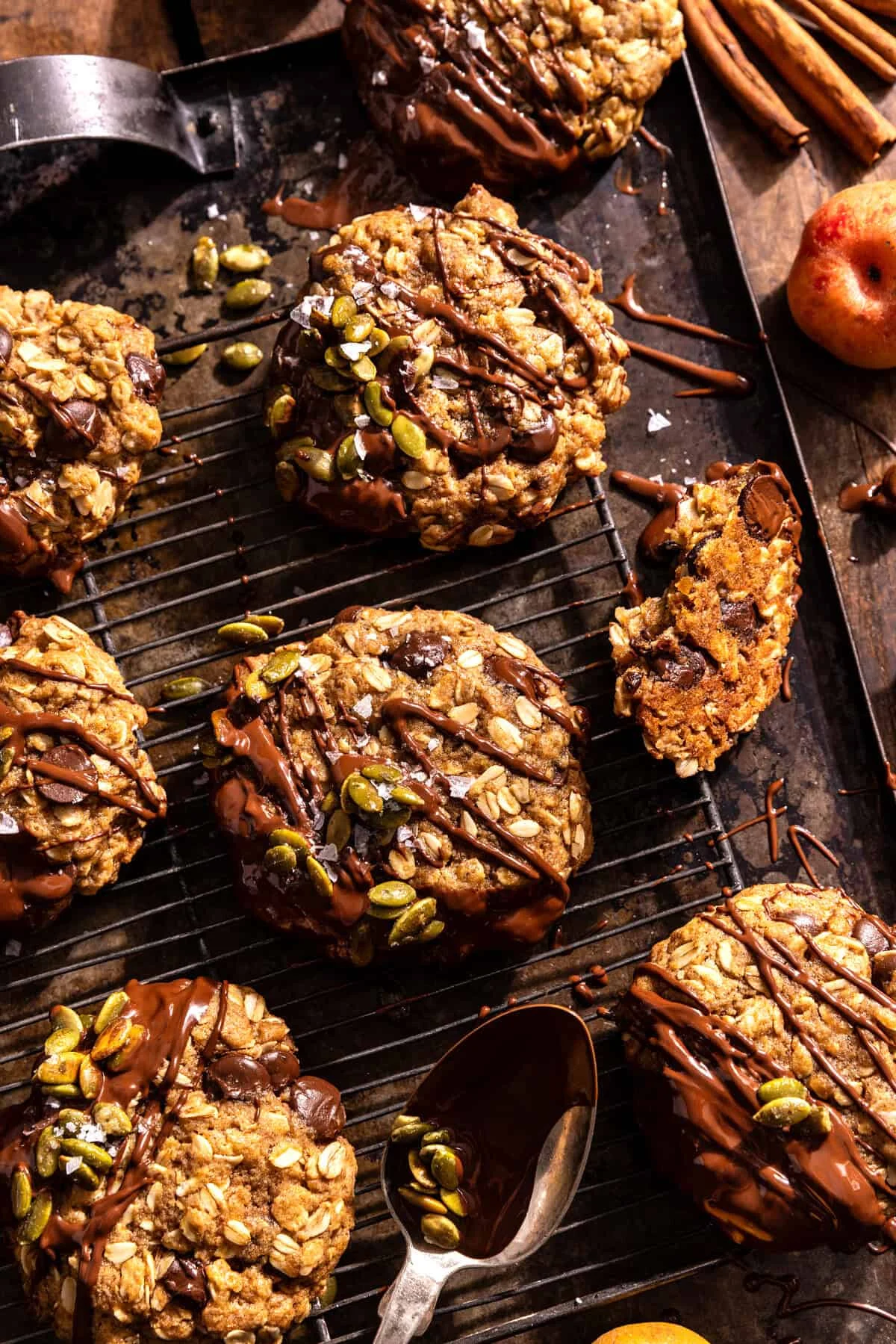
The Evolution of the Harvest Cookie Profile
The culinary significance of the Chewy Harvest Oatmeal Chocolate Chip Cookie lies in its structural engineering. Unlike standard oatmeal cookies, which often rely on high ratios of refined granulated sugar, this formulation utilizes apple butter as a primary humectant. Apple butter, a highly concentrated reduction of apples and spices, provides a dense, chewy texture while introducing natural acidity and depth that balances the bitterness of high-percentage dark chocolate.

Since its inception, the recipe has been subject to various iterations, reflecting a broader movement in home cooking toward "functional indulgence." By incorporating Medjool dates, bakers introduce a natural source of potassium, magnesium, and dietary fiber. When finely chopped, these dates function as a structural binding agent, creating microscopic pockets of caramelization that persist even after the cookie has cooled. The addition of dark chocolate—typically 60% cocoa solids or higher—serves to further differentiate the product from mass-market iterations, aligning with consumer trends favoring antioxidant-rich dessert options.
Chronology and Recipe Development
The development timeline of this recipe spans over a decade, mirroring the professional maturation of the creator. In 2012, the initial concept was grounded in traditional, high-sugar base recipes inherited from family archives. The primary objective at that time was to achieve a specific moisture content that prevented the oats from absorbing too much fat, which often leads to a brittle or overly greasy cookie.

Between 2012 and 2026, the recipe underwent several refinements:
- 2012–2015: Focus on foundational ratios and the introduction of apple butter as a primary moisture source.
- 2016–2020: Integration of advanced textures, including the move toward coarse sea salt and the inclusion of toasted seeds to replace traditional nut allergens, addressing a growing demand for inclusive snack options.
- 2021–2026: Finalization of the "Harvest" branding, incorporating the maple-toasted pumpkin seed garnish, which provides a distinct textural contrast against the soft, chewy interior of the cookie.
Technical Analysis of Ingredients and Baking Science
The success of this cookie is predicated on the Maillard reaction and the precise management of water activity. The baking process, typically set to 10 to 12 minutes, is critical. Pulling the cookies from the oven while the centers remain slightly under-baked allows for residual heat to finish the cooking process, ensuring the edges remain crisp while the center maintains a soft, "chewy" consistency.

The use of parchment paper is not merely for convenience; it serves as a thermal buffer, preventing the base of the cookie from scorching before the proteins in the flour and oats have properly set. Furthermore, the finishing touch—the application of maple-toasted pumpkin seeds (pepitas)—introduces a necessary saline element. Salt acts as a flavor enhancer, particularly when paired with dark chocolate, which can otherwise be perceived as one-dimensional.
Nutritional Context and Market Trends
In the context of contemporary dietary habits, this recipe reflects a shift toward ingredient transparency. With approximately 355 kilocalories per serving, the cookie is designed as a satiating treat rather than a low-calorie snack. The density provided by the oats and dates suggests a higher satiety index compared to conventional butter-and-sugar cookies.

Market data from the culinary industry indicates that "harvest-themed" baked goods see a significant spike in search volume and preparation activity starting in late August and peaking in mid-October. This seasonal correlation is supported by the availability of fresh apple cider and peak-season apples, which are frequently used to create the apple butter base. The inclusion of pepitas—a nutrient-dense seed high in zinc—aligns with broader food trends emphasizing the use of "superfoods" in traditional confectionery.
Official Perspectives and Culinary Reception
While the recipe is rooted in personal culinary history, its longevity suggests a broader appeal. Food historians note that recipes achieving this level of long-term popularity often share a common trait: they are "forgiving." The dough structure allows for slight variations in ingredient quality without compromising the final product, which is essential for home bakers with varying levels of experience.

The professional consensus on this specific iteration is that it successfully balances the nostalgic appeal of a classic oatmeal cookie with the modern expectation for multi-dimensional flavor profiles. The "dip and sprinkle" method—coating the cookie in tempered dark chocolate and finishing with sea salt—elevates the product from a casual snack to a dessert-tier item, suitable for social gatherings and formal settings alike.
Implications for Home Baking
The resurgence of "old-school" techniques, as seen in this recipe, indicates a cooling off of the "express cooking" trend that dominated the early 2020s. Home bakers are increasingly returning to processes that require multiple steps, such as the separate preparation of the maple-toasted seeds, as a form of culinary engagement. This shift suggests that the process of baking is viewed as a form of stress relief, with the final product serving as a secondary benefit to the creative act.

The impact of such recipes on the digital culinary landscape is substantial. As audiences move away from highly processed, pre-packaged snacks, the demand for accessible yet "elevated" recipes will likely continue to grow. This specific oatmeal chocolate chip cookie serves as a case study in how simple, whole-food ingredients can be combined to produce a result that competes with professional-grade patisserie.
Final Summary of Best Practices
To ensure consistent results when preparing these cookies, adherence to the following technical guidelines is recommended:

- Date Preparation: Ensure dates are finely minced to prevent large, unappealing chunks and to allow for even sugar distribution.
- Thermal Management: The maple-toasted pumpkin seeds must be allowed to cool completely on parchment paper. If added to the chocolate while warm, they will cause the chocolate to lose its temper and remain greasy.
- Cooling Protocol: The cookies require a minimum of 10 minutes on the baking sheet after leaving the oven. This stage is part of the bake; moving them too early will cause structural failure.
- Chocolate Quality: Given that the chocolate is a primary flavor component, the use of high-quality cocoa mass is essential to achieve the desired balance between bitterness and the sweetness of the apple butter.
By balancing these technical requirements with the inherent flavor profile of the recipe, the Chewy Harvest Oatmeal Chocolate Chip Cookie remains a standard-bearer for seasonal, high-quality home baking. Its continued popularity underscores the enduring value of blending family tradition with contemporary culinary science.