Reynand Holland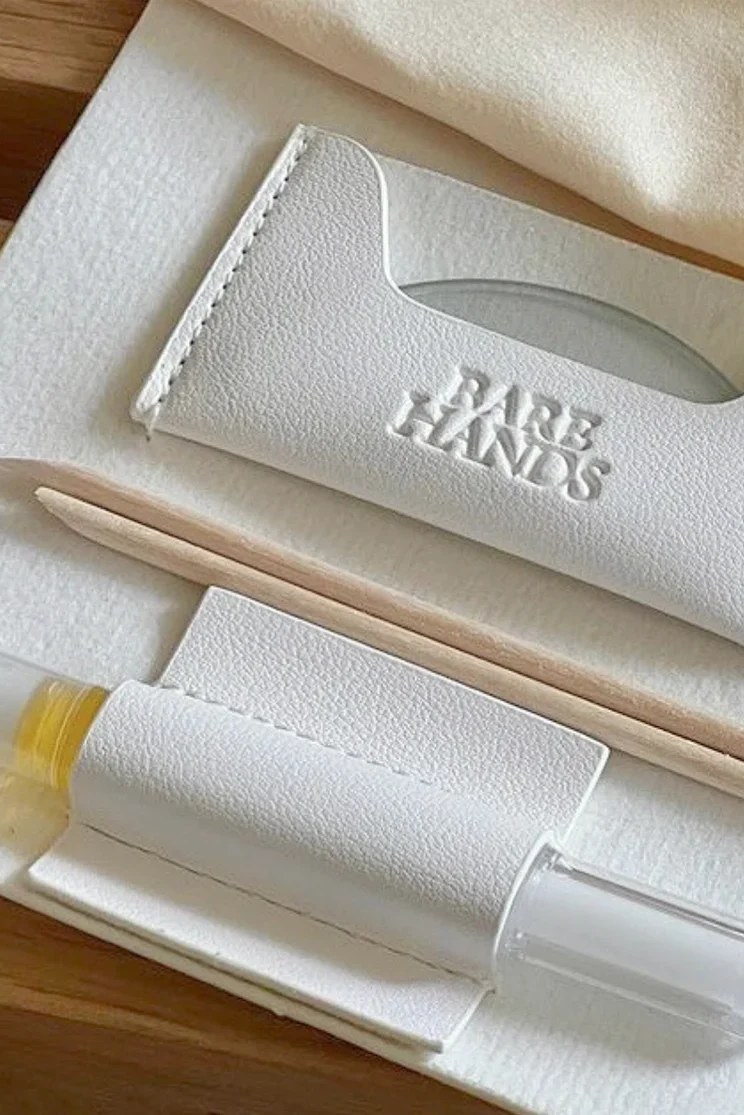
As persistent winter weather compounds with broader economic pressures—most notably inflation tightening household budgets—consumers increasingly turn inward for personal care solutions. The intersection of seasonal skin dehydration and financial caution has catalyzed a substantial surge in the popularity of at-home spa and wellness routines. Rather than traditional luxury spa excursions, individuals are seeking sustainable, non-toxic alternatives that deliver therapeutic benefits without compromising personal health or financial stability. Market analysis indicates that consumer interest in clean beauty, organic hair treatments, and holistic wellness kits has reached unprecedented levels, prompting a shift toward conscious consumption that prioritizes eco-friendly and ethically produced goods.
Historical Context and the Rise of the At-Home Wellness Economy
The contemporary reliance on at-home self-care is not merely a transient trend, but rather an evolution rooted in shifting consumer behaviors accelerated by recent global economic and health landscapes. Historically, the beauty and wellness industries operated on a high-margin, synthetic-heavy model that frequently overlooked supply chain transparency and environmental impacts. However, over the past decade, heightened awareness regarding endocrine-disrupting chemicals, synthetic fragrances, and microplastics has driven a systemic market correction. Consumers are now demanding rigorous standards of sustainability, demanding cruelty-free testing, biodegradable packaging, and ethically sourced raw materials. Concurrently, inflationary periods historically trigger a "lipstick effect," wherein consumers forgo major discretionary expenditures in favor of smaller, accessible luxuries—such as high-end skincare, organic bath salts, or specialized hair treatments—that offer immediate psychological and physical comfort.
Foundational Self-Care: Maximizing Existing Household Resources
Prior to investing in specialized commercial formulations, health and wellness experts emphasize that foundational well-being relies on accessible, low-cost lifestyle interventions. Dermatological and nutritional data consistently demonstrate that adequate hydration, nutrient-dense whole foods, restorative sleep cycles, and proactive stress management serve as the primary determinants of skin vitality and systemic health.
Furthermore, many effective treatments utilize accessible household staples rather than expensive proprietary formulations. Standard pantry and pharmacy items—such as pharmaceutical-grade Epsom salts for muscular relaxation, unrefined coconut oil for deep skin moisturization, and mineral-rich Aztec healing clay for facial clarifying—provide comparable baseline benefits to commercial alternatives. For those seeking temporary cosmetic experimentation, traditional methods such as temporary hair tinting using culinary food coloring offer zero-commitment stylistic changes. Nevertheless, for individuals seeking specialized therapeutic outcomes, or those wishing to support mission-driven independent enterprises, a robust market of sustainable brands offers targeted solutions.
Targeted Facial and Body Care: Sustainable Innovations
The face and body care sector has experienced significant innovation, moving away from conventional petrochemical bases toward botanical and marine-derived actives.
Grown Alchemist positions itself at the forefront of this movement by offering comprehensive skincare, hand care, and body care kits. The brand adheres to stringent sourcing protocols, vetting supply chain partners to guarantee environmental sustainability while utilizing predominantly recycled and refillable packaging to minimize municipal waste accumulation.
For targeted dermatological treatments, OSEA Malibu utilizes sustainably harvested seaweed as its signature active ingredient across its three-step At-Home Spa Set. The company maintains an explicit blacklist of harmful synthetic ingredients, ensuring its formulations remain strictly vegan and non-toxic. Similarly, MyChelle offers accessible, clinical-grade exfoliators, masks, and peels that remain vegetarian, cruelty-free, and formulated without phthalates, parabens, sulfates, or genetic modifications.
For comprehensive organic beauty routines, 100% Pure provides certified organic, vegan, and biodegradable makeup and skincare gift sets. Operating from an eight-acre headquarters powered entirely by solar energy, the company has achieved notable recognition from municipal authorities for maintaining exceptionally low landfill waste generation.
Facial rejuvenation has also embraced ancestral techniques, notably through the Wildling Gua Sha Empress Collection. Gua sha, a traditional East Asian healing method, promotes facial and neck lymphatic drainage, reduces muscular tension, and minimizes pore visibility. Wildling sources its Empress Oil and Tonic through ethical partnerships with local farms and global fair-trade communities, ensuring that wild-foraged plants are harvested at peak potency.
Advanced clinical treatments for home use include Tata Harper’s In-Home Spa Tools and Kits, which feature over 300 consciously sourced botanical ingredients free from synthetic fillers. For intensive skin resurfacing, Surreal Skincare offers specialized regimens such as the Advanced Guide to Cheating Death, utilizing natural tree resin extracts to deliver clinical-grade healing compounds. Additionally, specialized foot care is addressed by brands like Naturally London, which provides targeted botanical starter kits designed to alleviate chronic foot fatigue.

Natural Hair Restoration and Coloring Solutions
Haircare routines have similarly pivoted away from harsh chemical developers and synthetic dyes toward restorative, plant-based alternatives.
Hairprint offers a biochemical color restorer rather than a conventional oxidative dye. Designed specifically for brown and black hair, the treatment replenishes lost natural eumelanin pigments while functioning as a protein treatment that increases structural strength, reduces frizz, and enhances natural sheen within a 75-to-90-minute application window.
For traditional color changes or gray coverage, Desert Shadow provides certified organic, vegan, and palm-oil-free hair dye kits priced under twenty dollars, backed by comprehensive corporate sustainability commitments. Complementing this category, Surya Brasil utilizes certified organic henna and botanical extracts in its natural hair color creams, offering a scalp-protecting alternative for darker hair shades while nourishing the hair cuticle.
Nail Care and Non-Toxic Manicure Systems
Conventional nail salons often expose consumers to high levels of volatile organic compounds (VOCs) such as formaldehyde, toluene, and dibutyl phthalate. In response, at-home non-toxic manicure systems have gained considerable traction.
The Bare Hands Dry Gloss Manicure Kit replaces chemical-laden gel systems and chip-prone liquid polishes with a glass-buffing methodology that imparts a natural, chemical-free luster to the nail plate. To address structural deficiencies, Lauren B. Beauty offers a specialized Nail Growth Serum and Cuticle Oil, combining amino acids, plant-based antioxidants, vitamins C and E, peptides, and biotin to instantly penetrate the nail bed and accelerate healthy cellular turnover and growth.
Holistic Wellness and Stress Mitigation
Recognizing the inextricable link between psychological stress and dermatological health, holistic wellness products have become integral components of modern at-home spa routines.
BLK + GRN curates culturally resonant holistic wellness products, exemplified by their Total Tranquility Set, which features chakra-aligned soy candles, white sage, herbal infusions, and therapeutic essential oils designed to alleviate anxiety within domestic environments.
For neurological and muscular relaxation, Prima formulates organic CBD supplements derived from whole-hemp extracts. By optimizing their cannabinoid delivery systems with bio-enhancers such as clove bud, black pepper, and curcumin oils, these supplements assist in physiological stress regulation and circadian rhythm balancing.
Soaking treatments have also evolved to incorporate advanced therapeutic compounds. Herbivore Botanicals utilizes food-grade vitamins and mineral-dense botanicals to formulate therapeutic bath salts that soften skin and promote systemic muscular relaxation. Similarly, 100% Pure offers targeted mineral therapies, including seaweed detox, lavender, and eucalyptus infusions designed for concurrent dermal mineral replenishment and aromatherapy. Expanding on therapeutic soaking, Unplugged Essentials incorporates flotation therapy principles into its hemp-infused soaks, blending Epsom salts, activated charcoal, and essential oils to facilitate comprehensive somatic detoxification.
Fact-Based Market Implications and Industry Outlook
The expansion of the sustainable at-home wellness market reflects deeper structural changes in consumer purchasing psychology. Economic analyses indicate that when macroeconomic pressures limit travel and entertainment spending, consumers reallocate capital toward micro-luxuries that offer verifiable health and psychological returns. Industry observers note that brands prioritizing supply chain transparency, zero-waste packaging, and rigorous non-toxic formulations are capturing an increasing market share from legacy cosmetics conglomerates. As regulatory scrutiny regarding cosmetic safety intensifies globally, the demand for certified organic, cruelty-free, and ethically sourced personal care items is projected to remain robust, establishing the at-home sustainable spa routine as a permanent fixture of modern preventive healthcare and lifestyle management.