Cintya Tara Annisa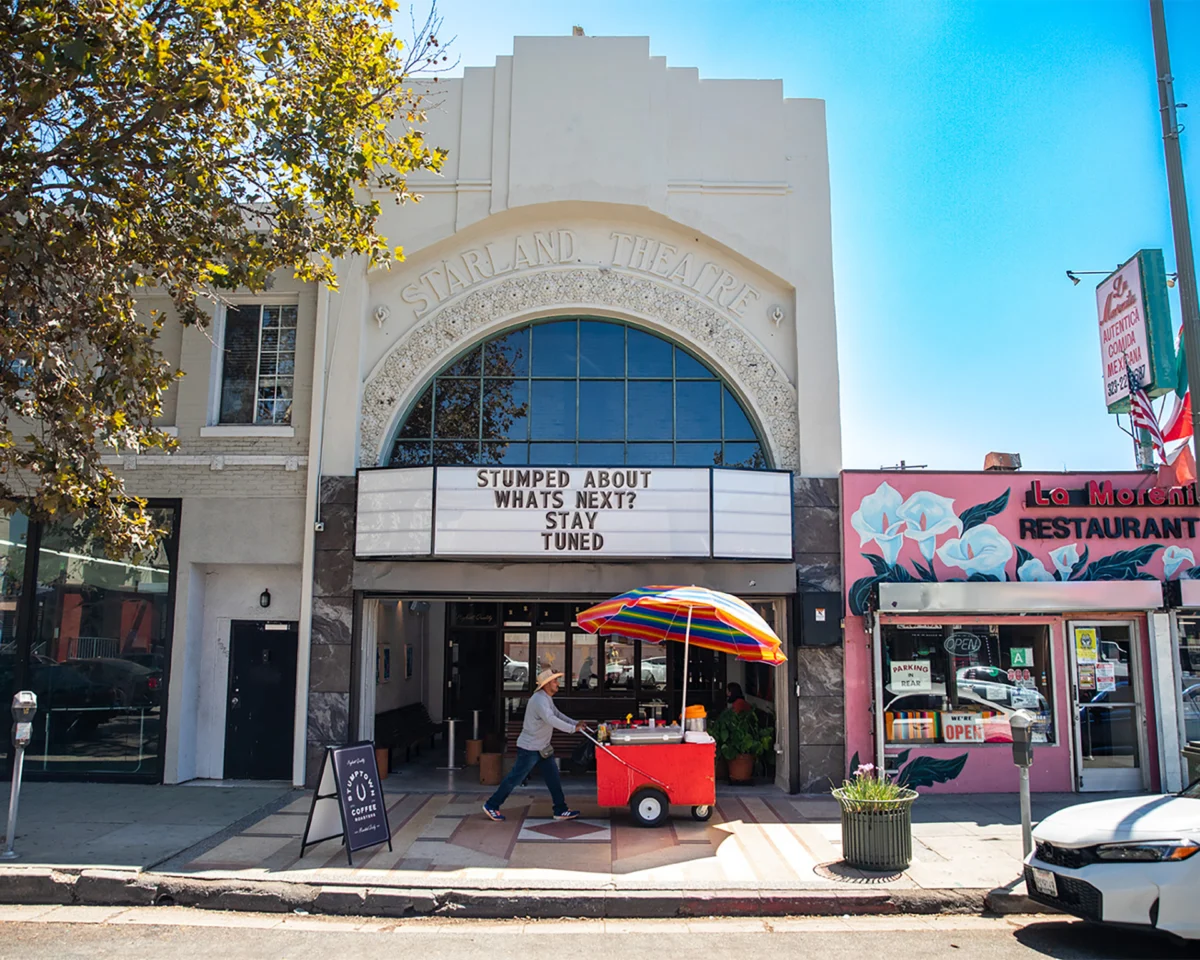
Stumptown Coffee Roasters, the iconic Portland-born coffee institution, has officially confirmed its return to the heart of Los Angeles with the grand opening of a new flagship location at 2624 N Broadway, situated in the culturally vibrant neighborhood of Lincoln Heights. This move, slated for public unveiling on August 29, 2026, represents a significant strategic pivot for the company, moving away from decentralized service models to re-establish a high-profile, neighborhood-anchored presence in one of Southern California’s most historically significant corridors. The new cafe, housed within the revitalized Starland Theatre building at the intersection of North Broadway and Workman, serves as both a retail destination and a regional training hub, consolidating the brand’s operational footprint in the Pacific Southwest.
A Legacy of Architectural Preservation and Adaptive Reuse
The decision to occupy the Starland Theatre is rooted in Stumptown’s long-standing corporate ethos of "adaptive reuse," a philosophy that prioritizes the restoration of historic structures over new, generic construction. Since its inception in Portland in 1999, Stumptown has consistently sought out sites that contribute to the architectural narrative of the city. By selecting the Starland Theatre—a cornerstone of Lincoln Heights’ history—the company is engaging in a form of urban stewardship that preserves the aesthetic integrity of the neighborhood.
The restoration process has been exhaustive. Construction crews focused on the preservation of the theater’s original relief façade, which has long stood as a visual landmark for locals. Inside, the project team successfully uncovered and restored the original terrazzo flooring, a feature that provides a tactile link to the building’s mid-century origins. This commitment to maintaining the physical character of the site is intended to foster a sense of belonging, ensuring the cafe functions not merely as a commercial outlet, but as a community gathering space that honors the legacy of the neighborhood.
Chronology of Stumptown’s Expansion and Evolution
To understand the weight of this opening, one must look at the historical timeline of Stumptown Coffee Roasters and its relationship with the Los Angeles market:
- 1999: Stumptown Coffee Roasters is founded in Portland, Oregon, by Duane Sorenson, quickly gaining national attention for its commitment to high-quality sourcing and the pioneering of the third-wave coffee movement.
- 2002: The company formalizes its Direct Trade model, establishing a gold standard for supply chain transparency that would eventually influence the entire specialty coffee industry.
- 2011–2013: Stumptown initiates a period of aggressive national expansion, bringing its distinct aesthetic and product line to cities including New York and Los Angeles.
- 2015: Peet’s Coffee acquires Stumptown, a transition that sparked industry-wide debate regarding the scalability of craft coffee brands. Despite the acquisition, the brand maintains its operational independence.
- 2018: Stumptown achieves B Corp Certification, underscoring its commitment to social and environmental accountability, a status it maintains today.
- 2026: After years of evolving its retail footprint, the company shifts focus back to community-centered flagship models, culminating in the selection of the Lincoln Heights Starland Theatre site as its primary Los Angeles anchor.
Strategic Implications of the Lincoln Heights Location
The selection of Lincoln Heights is a deliberate departure from the high-traffic, tourist-heavy retail corridors often favored by global coffee chains. Lincoln Heights, recognized as one of the oldest neighborhoods in Los Angeles, offers a unique demographic profile: a dense, walkable population with deep-rooted cultural ties.
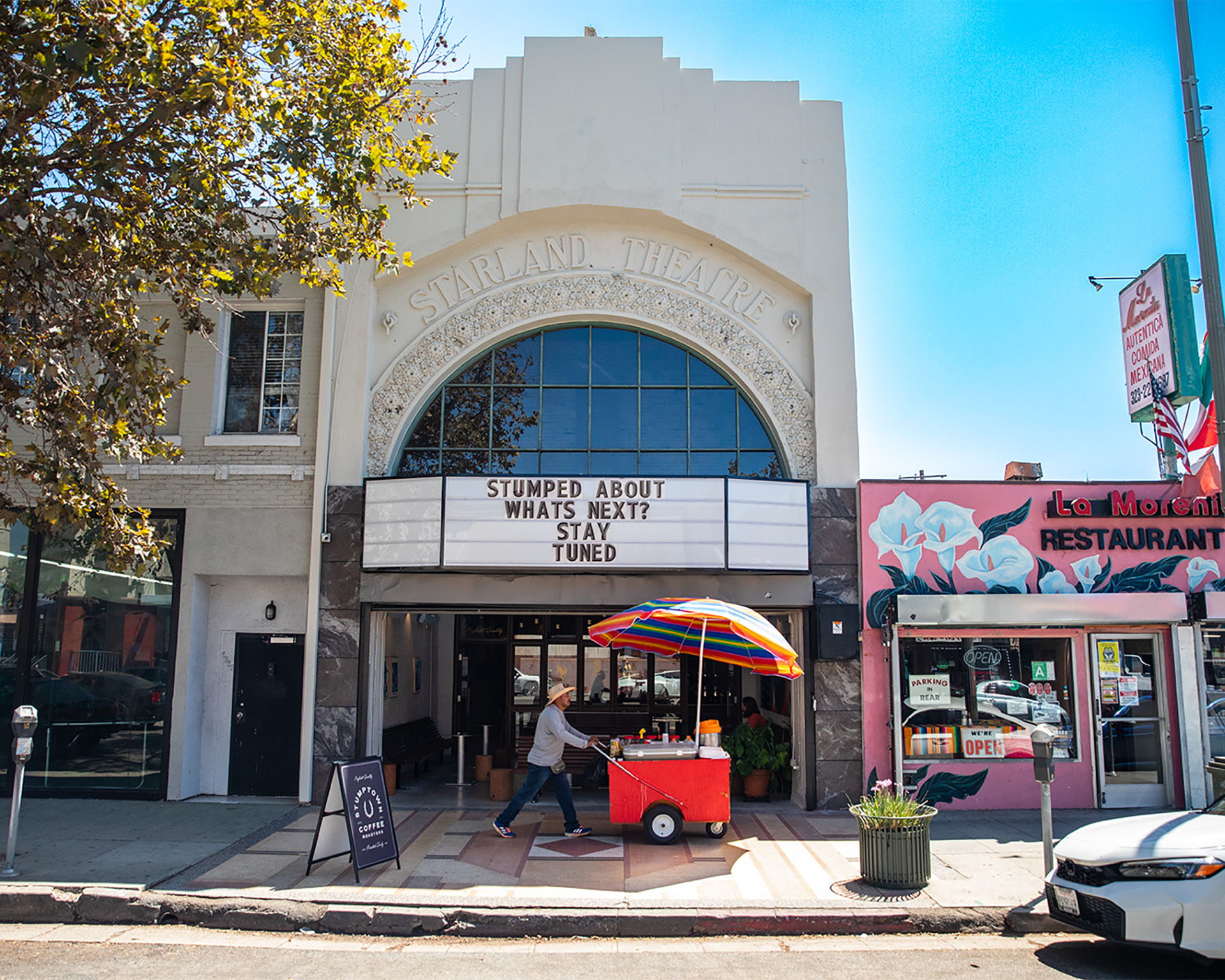
By anchoring a "walkable pedestrian corridor," Stumptown is positioning itself to benefit from the ongoing urban revitalization of North Broadway. From a commercial real estate perspective, this indicates a shift toward "neighborhood-first" retail strategies. Rather than chasing the foot traffic of downtown financial districts, the brand is banking on the loyalty of local residents and the growing demand for third-space environments that cater to a neighborhood’s specific identity.
The inclusion of a regional training space within the building suggests that this location will serve as the heartbeat of Stumptown’s Southern California operations. By centralizing training, the company ensures that the standards of quality—from the roast profile to the extraction metrics—are uniform across its regional cafes, mitigating the risks of dilution that often accompany large-scale growth.
Official Commentary and Corporate Strategy
Julianne Pike, Director of Retail for Stumptown, emphasized that the project is designed to bridge the gap between historical preservation and modern coffee culture. "Since the beginning, we’ve believed our cafes should be more than places to enjoy great coffee—they should reflect the character of the neighborhoods they serve," Pike stated in an official release. "Starland embodies that philosophy, honoring the building’s history through details like its historic theater relief façade and original terrazzo tile while creating a space that’s warm, welcoming, and distinctly Stumptown."
This sentiment reflects the broader strategy of the brand: to remain relevant in a saturated market by emphasizing the "human" element of retail. In an era where mobile ordering and automated kiosks are becoming the norm, Stumptown’s focus on a tactile, architecturally significant environment acts as a point of differentiation.
Launch Offerings and Community Engagement
The grand opening on August 29 will serve as an introduction to the local community, featuring a menu that blends global Stumptown staples with locally inspired innovations. In addition to the standard menu, the cafe will debut the "Passion Fruit Espresso Tonic" and the "Horchata Cold Foam Shakerato." These selections are specifically curated to appeal to the palate of the Los Angeles market, drawing inspiration from local ingredients and flavor profiles.
Furthermore, the launch will be accompanied by exclusive, limited-edition merchandise designed to celebrate the history of the Starland Theatre. This tactic is a well-established marketing strategy for the company, designed to build "brand equity" through the creation of collector-grade items that further embed the company into the local culture.

Market Context: The Specialty Coffee Landscape in 2026
The opening of this flagship comes at a time when the specialty coffee industry is grappling with rising green coffee costs and the pressures of climate change on coffee-producing nations. Stumptown’s 2002-era Direct Trade model remains the bedrock of its resilience. By maintaining long-term, collaborative relationships with small-scale producers, the company is better positioned to weather supply chain volatility compared to competitors reliant on spot-market commodity pricing.
Data from the specialty coffee sector suggests that consumers are increasingly prioritizing brands with verified ethical credentials. As a Certified B Corp, Stumptown is well-positioned to leverage its sustainability certifications to attract the environmentally conscious millennial and Gen Z demographics that dominate the Lincoln Heights area.
Furthermore, the brand’s historical role in popularizing cold brew coffee remains a significant driver of its revenue. With ready-to-drink (RTD) coffee products now a staple in grocery stores nationwide, the physical cafes serve as "brand showrooms." They are not merely profit centers; they are essential marketing hubs that validate the quality of the products sold on supermarket shelves.
Conclusion: A New Chapter for Lincoln Heights
The arrival of Stumptown in the Starland Theatre building is more than a simple business expansion; it is a signal of the changing landscape of Los Angeles retail. As the city continues to grapple with the tension between modernization and preservation, the Stumptown project offers a potential blueprint for how global brands can operate in historic neighborhoods without stripping them of their local flavor.
Whether this flagship succeeds in becoming a true "neighborhood anchor" will depend on the brand’s ability to remain integrated into the fabric of Lincoln Heights over the coming years. However, with the foundational elements of architectural respect, a commitment to quality-controlled operations, and a clear understanding of the local demographic, Stumptown has positioned itself to play a meaningful role in the next chapter of the neighborhood’s history. As the doors open on August 29, the industry will be watching to see if this marriage of heritage and high-end coffee can set a new standard for the brand’s future in Southern California.