
 Indra Kusuma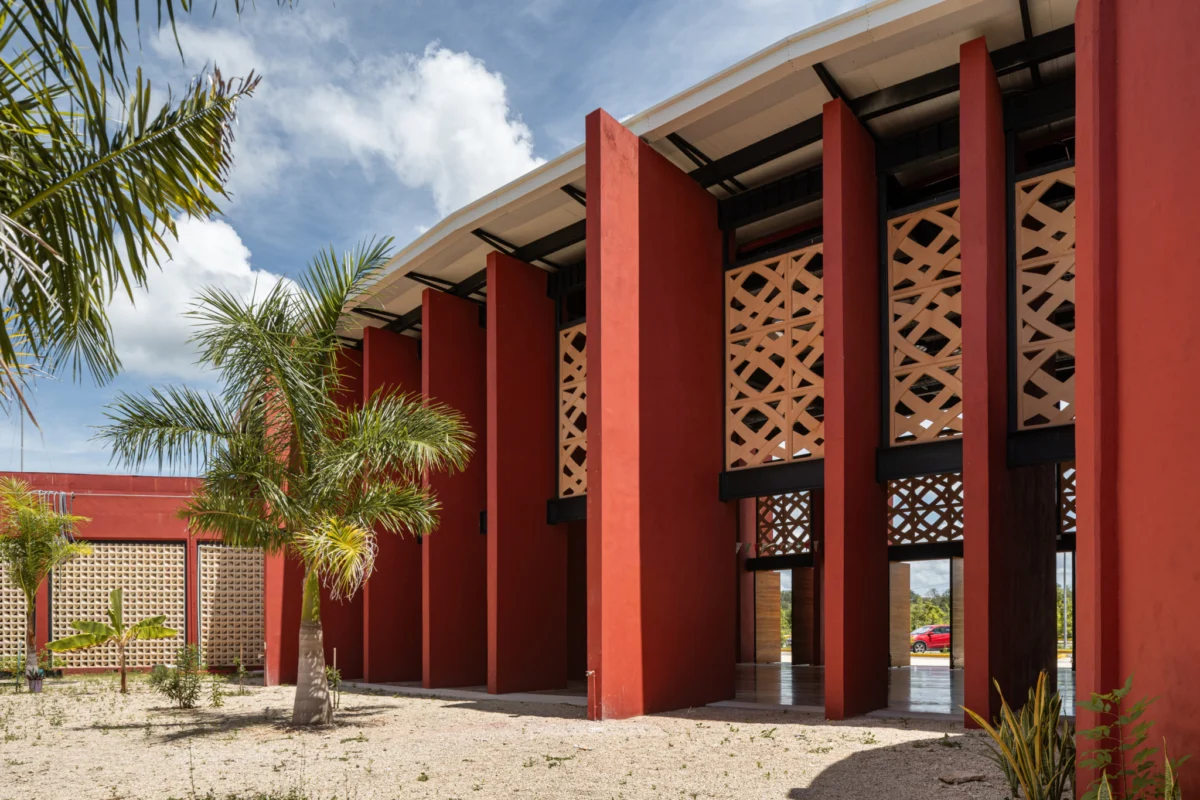
The ambitious Tren Maya project, a 966-mile-long railway looping around Mexico’s Yucatán Peninsula, aims to transform connectivity and boost tourism across five states. This multi-year endeavor features 34 stations, including 20 major hubs and 14 smaller stops, designed to serve both local commuters and international visitors journeying through a landscape rich in history, culture, and biodiversity. Among these, Maxcanú Station stands out as a testament to thoughtful, culturally integrated architecture, conceived by the Mexico City-based firm Gi21 Arquitectura. This 68,470-square-foot terminal transcends mere utility, offering a "transitional space that offers visitors a place for contemplation and rest," according to Gi21 co-founders Eduardo Ramírez Plata and Ximena Beltrán Plata.
The Tren Maya Megaproject: Vision and Controversy
The Tren Maya, or Maya Train, is one of President Andrés Manuel López Obrador’s flagship infrastructure initiatives, envisioned as a catalyst for economic development in Mexico’s historically underserved southeastern region. The project, with an estimated cost soaring into the tens of billions of dollars (initially projected at around $7 billion, but reports suggest costs have significantly exceeded this, potentially reaching $30 billion or more), aims to connect major tourist destinations like Cancún, Mérida, and Palenque with numerous smaller towns, ancient Maya ruins, and natural attractions. Its stated objectives include fostering tourism, creating jobs, improving local economies, and providing better transportation for residents. The railway is designed to operate both passenger and cargo services, utilizing a standard gauge track to facilitate efficient movement across the region.
However, the Tren Maya has been mired in significant controversy since its inception. Environmental groups, Indigenous communities, and archaeologists have raised serious concerns regarding its potential ecological and cultural impact. Critics point to extensive deforestation along the proposed route, particularly in sensitive jungle ecosystems and over delicate karstic terrain riddled with cenotes (natural sinkholes) and underground cave systems, which are crucial for the region’s biodiversity and groundwater supply. There are fears of irreversible damage to these unique hydrological systems, including pollution and structural collapse. Archaeological sites, many still unexcavated, also lie in the path of construction, leading to concerns about the destruction or inadequate protection of priceless heritage. Reports from the National Institute of Anthropology and History (INAH) have frequently detailed the discovery of thousands of archaeological artifacts and structures during construction, necessitating rapid salvage operations that some argue are insufficient. Indigenous communities have also voiced concerns over land rights, potential displacement, and the impact on their traditional way of life, with some claiming inadequate consultation processes.
Despite these criticisms, the Mexican government has steadfastly defended the project, emphasizing its national priority status and the long-term benefits it promises for the region. Officials highlight the creation of tens of thousands of jobs, the decentralization of tourism beyond established resorts, and the improved quality of life for residents through enhanced connectivity. They also point to mitigation efforts, such as wildlife crossings, reforestation programs, and the relocation of archaeological finds to newly planned museums along the route. The project has seen phased openings, with initial sections commencing operations in late 2023 and early 2024, aiming for full operational capacity in the coming years.
Maxcanú: A Gateway to Ancient and Colonial Yucatán
Located approximately 40 miles west of Mérida, the vibrant capital of Yucatán, Maxcanú is a town steeped in history and natural beauty. Its colonial past is evident in structures like the Iglesia de San Miguel Arcángel, a striking 16th-century church renowned for its ochre-toned exterior, which serves as a visual anchor and cultural reference point for the community. Beyond its colonial charm, Maxcanú is deeply connected to its Maya heritage. The surrounding area is dotted with significant Maya ruins, including the impressive site of Oxkintok, an ancient city that predates many of the more famous Postclassic sites and showcases unique architectural styles. The region is also famous for its numerous cenotes, sacred to the Maya and vital to the ecosystem, offering both natural beauty and a glimpse into the subterranean world of the Yucatán. Economically, Maxcanú is known for its agricultural production, particularly jicama, a crisp, sweet root vegetable, which forms a significant part of the local economy and culinary tradition. The town’s strategic position along the Tren Maya route is poised to bring increased visibility and accessibility, potentially transforming its local economy through tourism while also providing essential transportation links for its residents.
Gi21 Arquitectura’s Vision for Maxcanú Station: A "Transitional Space"
For Gi21 Arquitectura, the design process for Maxcanú Station was deeply rooted in a philosophy of "observing a place." Eduardo Ramírez Plata and Ximena Beltrán Plata, the firm’s co-founders, emphasized the importance of immersive research. Before sketching began, the partners spent considerable time in Maxcanú, engaging with the environment and its inhabitants. They sought to understand the nuances of the site—the trajectory of the sun from dawn to dusk, prevailing weather patterns, the indigenous vegetation, and the existing architectural vernacular. This contextual approach aimed to create a structure that didn’t merely occupy the land but emerged organically from it, fostering a profound connection between the building and its surroundings. Their vision for the 68,470-square-foot terminal went beyond basic functionality, aspiring to create a "transitional space that offers visitors a place for contemplation and rest," a sanctuary for travelers to pause and reflect amidst their journeys. This human-centric approach underscores a commitment to architectural empathy, where the building serves not just as a point of transit but as an experience in itself, deeply integrated with the cultural and natural landscape of Maxcanú.
Architectural Empathy: Design Elements Rooted in Place
The architectural expression of Maxcanú Station is a masterful blend of historical reverence, environmental responsiveness, and contemporary design.
-
Form and Flow: The station’s primary volume is subtly curved, a design choice that serves multiple purposes. It creates a dynamic visual appeal that gently mirrors the natural contours of the landscape, avoiding a stark, intrusive presence. Functionally, this curved form allows for multiple entry points, facilitating intuitive passenger flow and offering continuous visual connections to the exterior from various vantage points within the building. This openness encourages a seamless interaction between the interior and the vibrant Yucatecan environment.
-
Structural Echoes of Palenque: Drawing profound inspiration from the ancient Maya city of Palenque in neighboring Chiapas, known for its sophisticated architectural language of vertical columns supporting horizontal platforms, Gi21 Arquitectura translated this structural paradigm into a modern context. The station features prominent, full-height plastered concrete brackets. These robust elements frame the main entrances, subtly guide circulation throughout the expansive terminal, and perform crucial bioclimatic functions. Their strategic placement facilitates cross-ventilation, a passive cooling technique essential in the tropical climate, while also acting as effective sunshades, dramatically reducing solar heat gain and controlling indoor temperatures without heavy reliance on artificial air conditioning.
-
The Earthy Palette: Cochineal Terracotta: The station’s most striking visual characteristic is its deep terracotta hue, achieved using a natural dye extracted from cochineal insects. This choice is deeply significant, resonating with Indigenous cultures across Mesoamerica where cochineal has been prized for centuries for its vibrant red pigment, symbolizing life, spirituality, and artistic expression. The specific tone was directly inspired by the ochre exterior of Maxcanú’s 16th-century Iglesia de San Miguel Arcángel, creating a direct visual and cultural link to the town’s heritage. This sustainable and culturally rich coloring technique underscores the project’s commitment to local materials and traditions.
-
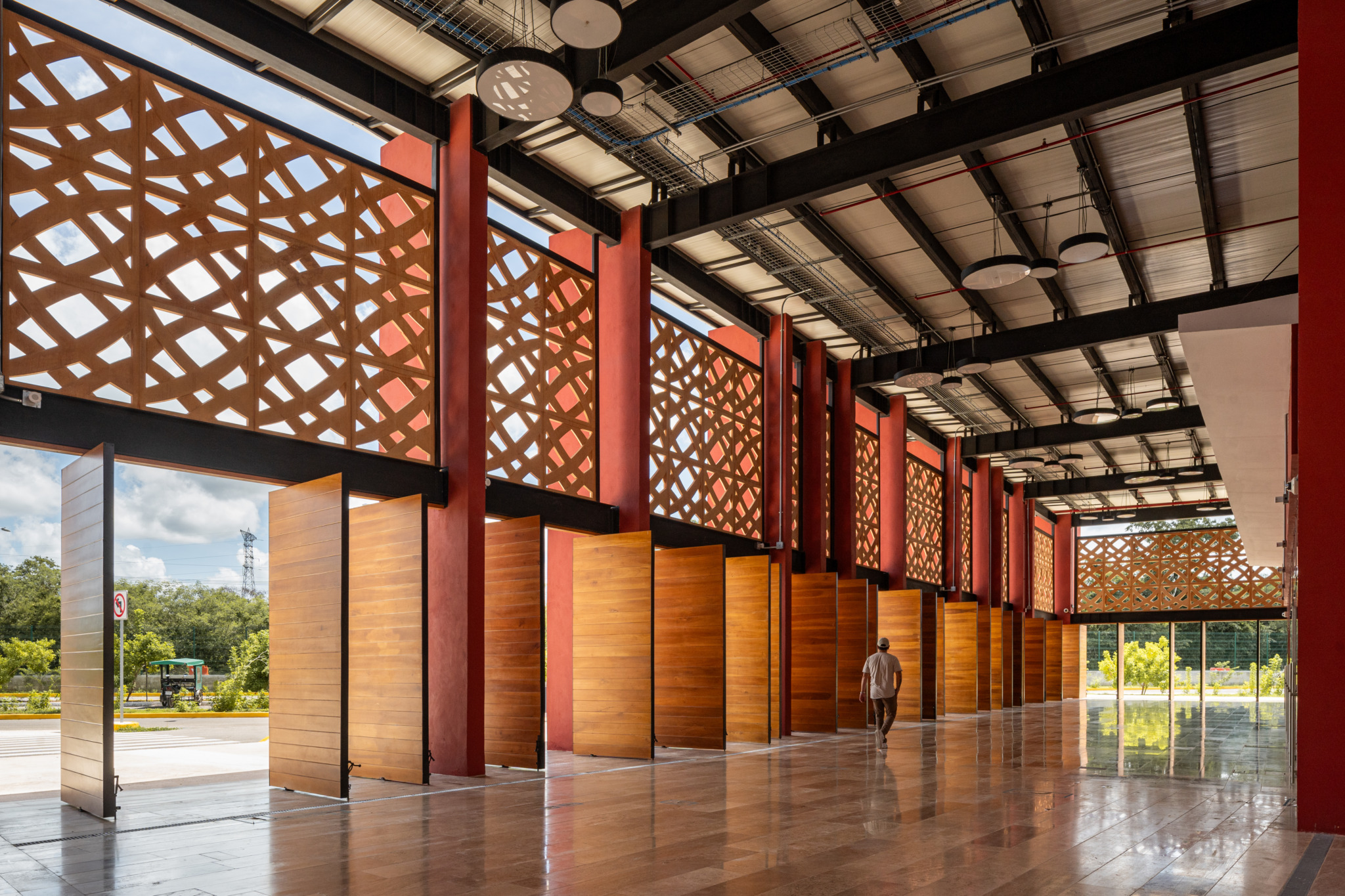
Natural Ventilation and Light: Complementing the terracotta exterior, local tropical wood pivot doors are integrated throughout the design. These massive doors can be left fully open during the day, maximizing natural airflow and enhancing the cross-ventilation system, a key aspect of the station’s bioclimatic design. At night or when the station is not in use, they can be securely closed, providing both privacy and protection. Above these doors, and along the platforms, a series of lattice-like panels crafted from prefabricated concrete introduce another layer of cultural and functional richness. The intricate basket-weave detail of these panels directly references regional textile patterns, adding an artisanal touch. Beyond aesthetics, their porous design optimizes the flow of light and air into the interior spaces. A tighter weave pattern was strategically employed for panels on the platforms, providing enhanced shade and a sense of privacy and enclosure for waiting passengers. In both applications, the interplay of light and shadow filtering through these screens evokes the profound and serene feeling of being under the dense canopy of the Maya Forest, connecting visitors to the natural environment even within the built structure.
-
Interior Aesthetics and Functionality: The interior spaces of Maxcanú Station are organized around a central atrium, fostering a sense of openness and ease of navigation. Key functional areas, including ticket offices, lobbies, courtyards, and restrooms, are strategically arranged to ensure efficient passenger flow. The ceiling features an exposed beam-and-vault system, which not only reinforces the overall airy aesthetic but also contributes to minimizing long-term maintenance needs. Local travertine marble tiles line the floor, offering durability and a touch of understated elegance, while the exposed metal framework is painted a rich black, providing a graphic contrast that defines the architectural lines and adds a contemporary edge to the culturally infused design.
Navigating Subterranean Secrets: Engineering and Archaeology

The construction of Maxcanú Station, classified as Category A infrastructure, presented unique engineering and archaeological challenges. The Yucatán Peninsula’s karstic geology is characterized by a porous limestone bedrock riddled with subterranean rivers and cenotes. This necessitated a sensitive building process. The decision to employ a shallow foundation and reinforced concrete footings was directly influenced by the site’s geological specificities. However, the true complexity emerged during excavation, when numerous archaeological remains and previously uncharted cenotes were discovered beneath the proposed footprint. These findings, while enriching our understanding of the region’s ancient past, also fueled existing criticisms regarding the broader Tren Maya project’s potential impact on archaeological heritage.
To address these unforeseen discoveries and ensure compliance with environmental and cultural heritage regulations, Gi21 Arquitectura collaborated closely with a consortium of governmental bodies. The National Institute of Anthropology and History (INAH) played a critical role, overseeing salvage archaeology operations and providing guidelines for the protection of newly discovered artifacts and structures. The Ministry of Environment (SEMARNAT) was involved in mitigating ecological impacts, particularly concerning the cenotes and subterranean water systems. Additionally, the Secretariat of National Defense (SEDENA), which has been extensively involved in the Tren Maya project, and the Government of Mexico provided overarching support and coordination. This multi-agency collaboration was crucial for accommodating the intricate limestone terrain and subterranean structures while simultaneously ensuring that the station met all stringent seismic, subsidence, and wind load requirements for a durable and safe infrastructure. The process highlighted the ongoing tension between rapid infrastructure development and the meticulous preservation of Mexico’s invaluable natural and cultural heritage.
Implications and Future Outlook
Maxcanú Station represents a microcosm of the larger Tren Maya project’s promises and complexities. Its design, steeped in local culture and sensitive to the environment, stands as an exemplary model of how modern infrastructure can be integrated with ancient traditions and natural landscapes.
-
Economic Impact: The station is expected to significantly boost tourism to Maxcanú and its surrounding areas, driving economic growth through increased visitor numbers to Oxkintok ruins, local cenotes, and the colonial town itself. This surge in tourism is projected to create new job opportunities for local residents, from guides and hospitality staff to artisans and vendors, thereby stimulating local commerce and diversifying the town’s economy beyond its traditional agricultural base.
-
Socio-Cultural Impact: For the local community, the station offers enhanced connectivity, facilitating easier travel for residents to Mérida and other regional centers for education, healthcare, and economic opportunities. Architecturally, the station acts as a contemporary cultural landmark, celebrating Maya heritage through its design elements and materials. However, the influx of tourists also raises questions about the potential for cultural commodification and the preservation of traditional ways of life in the face of rapid modernization. Ongoing community engagement will be crucial to ensure that benefits are equitably distributed and cultural integrity is maintained.
-
Environmental Stewardship: While the broader Tren Maya project faces considerable environmental scrutiny, Maxcanú Station’s design incorporates bioclimatic principles that minimize its operational environmental footprint. The reliance on natural ventilation, sunshades, and locally sourced, sustainable materials like cochineal dye reflects a commitment to ecological responsibility at the station level. The challenges encountered with cenotes and archaeological finds during construction also underscore the critical need for continuous environmental monitoring and adaptive mitigation strategies across the entire railway line to safeguard the Yucatán’s unique ecosystems and subterranean wonders.
-
The Station as a Model: Maxcanú Station serves as a tangible example of the government’s stated aim to blend modern infrastructure with cultural sensitivity. As Eduardo Ramírez Plata of Gi21 Arquitectura remarked, "We aimed to create a gateway that respects its roots while serving modern needs, allowing travelers a moment of peace and connection with the rich history of this land." Government officials have also lauded the station as an architectural achievement, with a representative from SEDENA noting, "This station embodies our commitment to integrating modern infrastructure with Mexico’s rich heritage, showcasing how development can be both functional and deeply respectful of culture." From INAH, there is an acknowledgment of the collaborative effort, with an archaeologist stating, "The discoveries at Maxcanú, though challenging, allowed us to further document and protect invaluable aspects of our past, reinforcing the necessity of our oversight in such large-scale projects."
In conclusion, Maxcanú Station is more than just a stop on the Tren Maya line; it is a destination in its own right. It embodies a complex narrative of ambition, innovation, and the enduring challenges of balancing progress with preservation in a region as historically and ecologically rich as the Yucatán Peninsula. Its design, respectful of its surroundings and providing much-needed infrastructure to the area, offers a glimpse into a future where architecture can serve as a bridge between the ancient and the contemporary, inviting travelers to not just pass through, but to truly experience the spirit of Maxcanú.







