
 Ali Ikhwan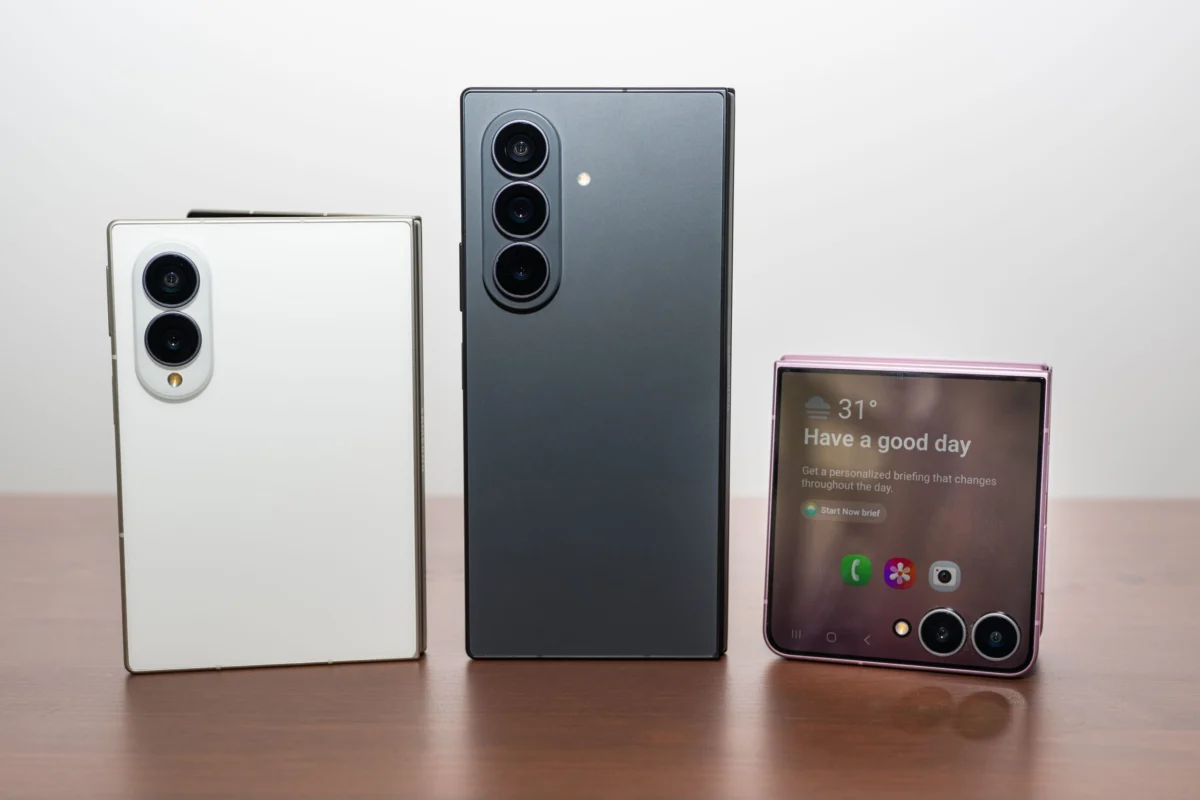
Samsung Electronics has officially unveiled its eighth generation of foldable smartphones, marking a significant pivot in the company’s mobile strategy with the introduction of a three-tier lineup. The 2024 collection features the flagship Galaxy Z Fold8 Ultra, the redesigned wide-format Galaxy Z Fold8, and the ultra-portable Galaxy Z Flip8. This expansion reflects a maturing market where consumers are increasingly seeking specific form factors rather than a one-size-fits-all approach to foldable technology. Alongside the new handsets, Samsung also refreshed its wearable ecosystem with the Galaxy Watch Ultra2 and the Galaxy Watch9, both powered by next-generation silicon designed to enhance health tracking and battery longevity.
A New Era for Samsung Foldables: The Eighth Generation Milestone
The launch of the eighth-generation Galaxy Z series represents a decade of research and development following the initial commercial release of the first Galaxy Fold in 2019. While previous iterations focused on incremental improvements to hinge durability and display creases, the current lineup introduces the most significant chassis redesign in the series’ history.
The most notable addition is the standard Galaxy Z Fold8, which adopts a wider, shorter form factor that departs from the "remote control" aspect ratio of its predecessors. This change addresses long-standing user feedback regarding the narrowness of the exterior cover screen. By offering a "standard" Fold alongside an "Ultra" model, Samsung is mirroring its successful Galaxy S-series strategy, providing a premium entry point and an enthusiast-grade flagship within the foldable category.
Technical Specifications and Shared Innovations
Despite the differences in form factor, all three devices in the eighth-generation lineup share a core foundation of cutting-edge hardware. Samsung has integrated its Dynamic AMOLED 2X technology across all screens, ensuring a consistent visual experience.

Display Advancements and Durability
The new displays feature a 120-Hz adaptive refresh rate and support for High Dynamic Range (HDR) content. A primary focus for this generation was outdoor visibility; the panels now achieve a peak brightness of 3,000 nits, a substantial increase from previous generations. To address the inherent vulnerability of folding screens, Samsung introduced a "Flex Titanium" layer in the Fold8 and Fold8 Ultra. This titanium-alloy film is designed to provide extra structural resilience while simultaneously reducing the visibility of the internal crease.
The Snapdragon 8 Elite Gen 5 Architecture
Powering the entire lineup is the Qualcomm Snapdragon 8 Elite Gen 5 processor. This chipset is optimized for generative AI tasks and high-efficiency multitasking. All models come standard with 12 GB of RAM, with the Fold8 series offering an upgrade path to 16 GB for power users. Storage options range from 256 GB to a 1 TB "Ultra" exclusive tier.
In terms of environmental protection, the devices carry an IP48 rating. This signifies a breakthrough in foldable engineering, providing not only the traditional water resistance but also a level of protection against solid foreign objects—a common pain point for folding hinges. The chassis is constructed from Advanced Armor Aluminum, which Samsung claims offers a 15% increase in scratch resistance over the previous generation.
The Galaxy Z Fold8 Ultra: The Productivity Powerhouse
The Galaxy Z Fold8 Ultra is positioned as the definitive replacement for the traditional tablet and smartphone combo. With an MSRP starting at $2,100, it targets the ultra-premium segment of the market.
Design and Display: The Ultra features a 6.5-inch cover display that mimics the width of a traditional flagship smartphone. When unfolded, it reveals a massive 8-inch workspace. The internal layout is designed for heavy multitasking, allowing up to four apps to run simultaneously in a split-screen configuration.

Imaging Capabilities: The Ultra distinguishes itself primarily through its camera array. It houses a 200-megapixel main sensor, a 50-megapixel ultrawide lens, and a 10-megapixel telephoto lens capable of 3X optical zoom. Samsung’s ProVisual Engine uses AI to enhance 8K video recording and provide advanced object-erasing tools in post-production.
Battery and Charging: To support the larger screens, the Ultra is equipped with a 5,000-mAh battery. It supports 45-watt wired fast charging and 20-watt wireless charging, though the lack of the magnetic Qi2 standard remains a notable omission for some tech enthusiasts.
The Galaxy Z Fold8: Redefining the Standard Foldable
The standard Galaxy Z Fold8, priced at $1,900, is perhaps the most experimental device in the lineup. It targets users who found the previous Fold models too tall and the Ultra model too cumbersome.
Form Factor Shift: Standing at only 124 mm tall, it is significantly shorter than the Ultra. However, its unfolded width of 161 mm provides a 7.6-inch display with a 4:3 aspect ratio. This "squat" design makes the device the lightest large-screen foldable currently on the market, weighing in at just 201 grams.
Camera and Media Features: While it lacks the telephoto lens of the Ultra, the Fold8 features dual 50-megapixel sensors. It introduces "FanCam," an AI-driven reframing tool that automatically tracks subjects in video footage, creating optimized clips for social media platforms without manual editing.

The Galaxy Z Flip8: Portability Without Compromise
The Galaxy Z Flip8 continues to be Samsung’s most popular foldable form factor, priced at $1,200. The eighth generation focuses on thinning the chassis to make it the "thinnest flip phone in the world."
Display and Battery: The cover screen has been expanded to 4.1 inches, allowing users to perform more tasks—such as replying to messages or checking navigation—without opening the device. The internal 6.9-inch display remains the primary interface for content consumption. Despite its thinness, Samsung managed to fit a 4,300-mAh battery, supported by the efficiency of the Snapdragon 8 Elite Gen 5.
The Wearable Ecosystem: Galaxy Watch Ultra2 and Watch9
Samsung’s hardware event also highlighted the evolution of its wearable tech. The Galaxy Watch Ultra2 and Watch9 are designed to integrate seamlessly with the new foldables, utilizing the same Galaxy AI ecosystem.
- Galaxy Watch Ultra2: Constructed from aerospace-grade titanium, the Ultra2 features a record-breaking 5,000-nit display. It includes specialized sensors for deep-sea diving and high-altitude trekking, powered by the Snapdragon Wear Elite chipset.
- Galaxy Watch9: The mainstream Watch9 received a 20% battery capacity increase and a 3,000-nit display. Its primary focus is "Vitality Tracking," a new software suite that provides a daily fitness score based on sleep quality, heart rate variability, and activity levels.
Market Context and Chronology of Innovation
Samsung’s decision to diversify the Fold lineup comes at a time of increased competition from Chinese manufacturers and Google’s Pixel Fold series. Market data from the first half of the year suggests that while Samsung maintains a dominant market share in foldables, the "premium-plus" segment (devices over $2,000) is the fastest-growing niche.
Chronology of the Galaxy Z Series:

- 2019: Galaxy Fold (The first generation, plagued by early screen issues).
- 2020: Galaxy Z Flip and Z Fold2 (Introduction of Ultra Thin Glass).
- 2021: Galaxy Z Fold3/Flip3 (Introduction of IPX8 water resistance).
- 2022-2023: Refinement of the "Flex Hinge" and crease reduction.
- 2024: The Eighth Generation (Introduction of the "Ultra" tier and wide form factor).
Analysis of Broader Implications
The introduction of the Snapdragon 8 Elite Gen 5 across all models indicates Samsung’s commitment to "AI-First" hardware. By including a six-month trial of Google AI Pro, Samsung is positioning these devices not just as hardware marvels, but as essential tools for the burgeoning AI economy.
The high entry price of the Fold8 Ultra suggests that Samsung is testing the ceiling of consumer spending. However, the company is offsetting these costs with aggressive trade-in programs and financial incentives through the "Galaxy Card," which offers up to 5% cash rewards on direct purchases.
Conclusion and Availability
The eighth-generation Samsung Galaxy Z series is currently available for preorder, with a global retail launch expected in the coming weeks. By offering three distinct folding experiences—the massive Ultra, the ergonomic Wide, and the portable Flip—Samsung has successfully transitioned the foldable category from a novelty into a mature, segmented product line. Whether the "wide" Fold8 will become the new industry standard or remain a niche alternative to the Ultra remains to be seen, but the sheer breadth of the 2024 lineup confirms that the foldable era is no longer in its infancy.







