Muhammad Hendra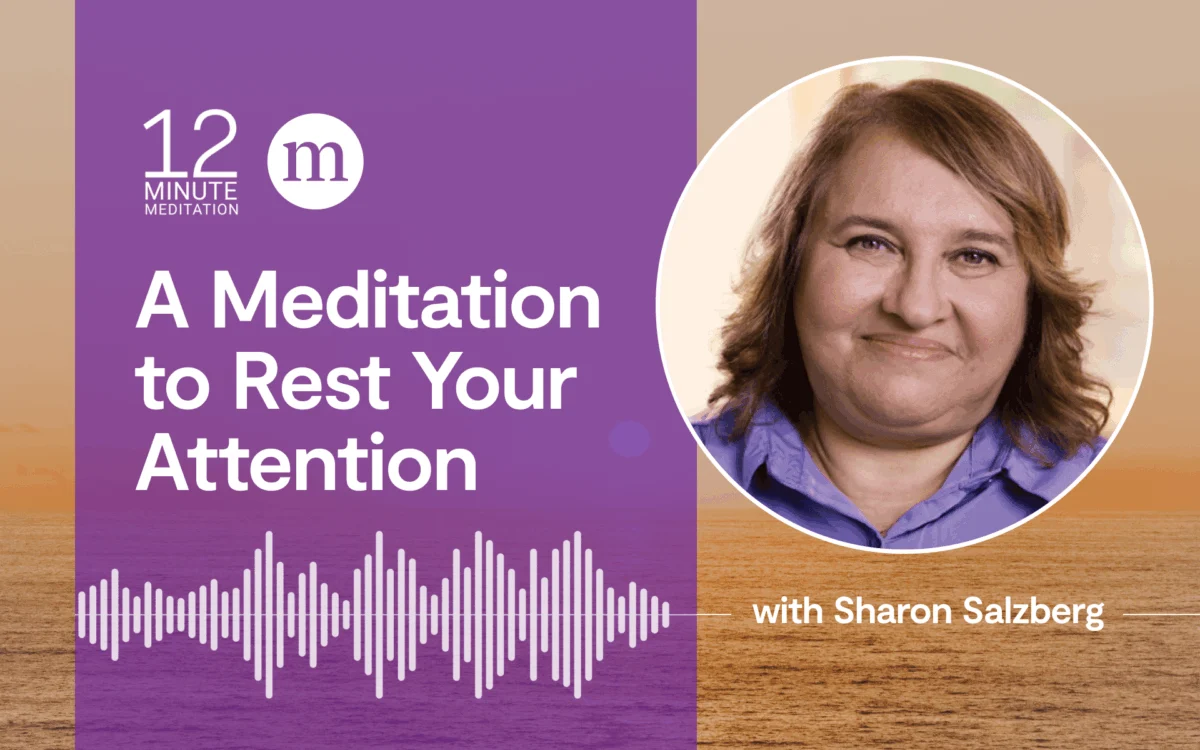
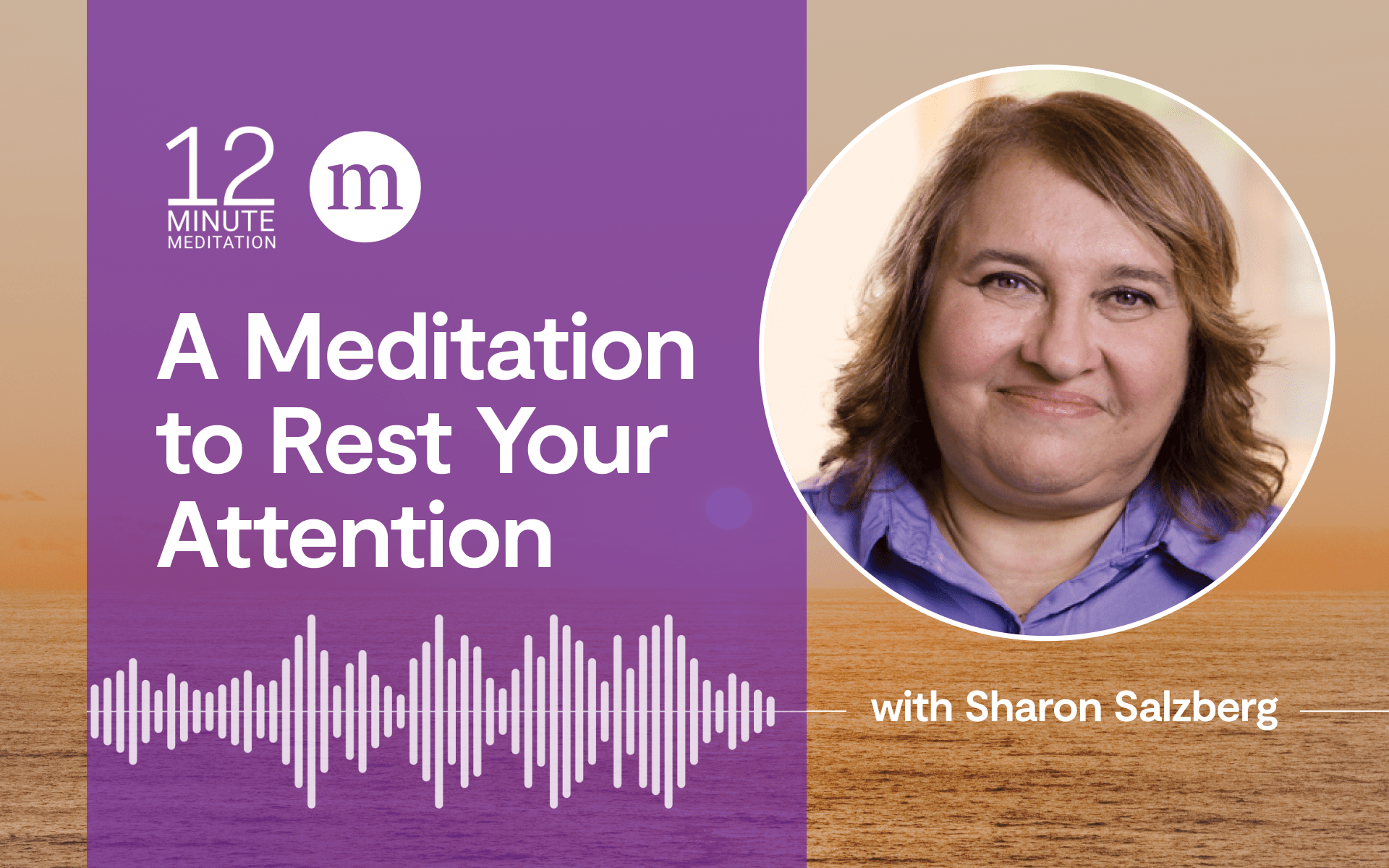
We live in a noisy world that’s constantly vying for our attention. But as revered meditation teacher Sharon Salzberg reminds us, our attention is at its most potent when we’re able to rest and restore it. In an era dominated by the demands of an attention economy, Salzberg is offering a guided meditation designed to shift the paradigm from viewing attention as a finite commodity to be extracted, towards a precious gift to be nurtured and gently held. This approach, which emphasizes lightness and restoration, presents a crucial counter-narrative to the pervasive culture of constant engagement and digital distraction, promising a pathway to deeper focus and inner calm.
The Modern Battle for Attention: A Pervasive Challenge
The concept of a "noisy world" extends far beyond auditory disturbances; it encapsulates the incessant barrage of information, notifications, and stimuli that characterize modern life. From the moment many individuals wake, they are greeted by an inbox overflowing with emails, social media feeds vying for engagement, and news alerts demanding immediate consideration. This relentless competition for our cognitive resources has led to what many experts term "attention fatigue" or "cognitive overload."
Studies consistently highlight the severity of this issue. Research from organizations like Statista indicates that the average person spends several hours a day on their smartphone, with a significant portion of that time dedicated to social media and other attention-demanding applications. A 2018 study by the American Psychological Association found that a majority of Americans report feeling overwhelmed by the amount of news and information they consume. Furthermore, anecdotal evidence and preliminary research suggest a decline in sustained attention spans, with some estimates pointing to an average human attention span now shorter than that of a goldfish, though this specific comparison is often debated among scientists. What is undeniable, however, is the increasing difficulty many experience in maintaining deep focus on a single task without interruption.
The implications of this pervasive distraction are significant, impacting productivity, creativity, and overall mental well-being. Chronic attention fragmentation can contribute to increased stress levels, anxiety, and a diminished sense of presence in daily life. In this context, the conventional language we use around attention—"pay," "give," "court," "leverage"—reflects a transactional, almost exploitative, relationship with this vital cognitive resource. It suggests that attention is something to be spent or utilized for external gain, rather than an intrinsic capacity to be cultivated and protected.
Sharon Salzberg’s Paradigm Shift: Attention as a Gift
It is against this backdrop that Sharon Salzberg’s teachings resonate with particular power and relevance. Acknowledging the profound impact of this "noisy world," Salzberg proposes a radical shift in perspective: attention isn’t a commodity to be used, but a gift to be nurtured. This reframing challenges the very foundation of how contemporary society often interacts with mental focus. Instead of viewing attention as a finite resource that must be constantly deployed and, often, depleted, Salzberg invites individuals to consider it as an inherent capacity that thrives through gentle care and restoration.
The core of her philosophy lies in the idea of "resting our attention." This isn’t about disengagement or apathy; rather, it’s about consciously releasing the habitual grip of directed, effortful attention. It involves cultivating a state where awareness is held with a "lightest touch possible," allowing the mind to settle and rejuvenate naturally, much like the body rests after physical exertion. This concept directly counters the incessant pressure to "stay focused" or "multitask," which often leads to mental exhaustion rather than enhanced performance. By allowing attention to rest, individuals can experience a deeper sense of calm, clarity, and renewed capacity for sustained focus when it is genuinely needed. It is a practice of letting go of the struggle, fostering a more compassionate and sustainable relationship with one’s own mind.
A Guided Meditation for Gentle Restoration
To facilitate this profound shift, Sharon Salzberg has developed a guided meditation specifically designed for resting attention. Described as "down-to-earth and deeply restorative," the practice offers a practical entry point for individuals grappling with the demands of their attention-saturated lives. The meditation guides participants through a process of holding their awareness with the lightest possible touch, fostering a sense of ease rather than effort.
This approach is particularly beneficial because it sidesteps the common pitfalls of traditional concentration practices, which can sometimes feel like another form of mental exertion for those already overwhelmed. Instead, Salzberg’s method encourages a softening of the mind, inviting a gentle presence that allows attention to naturally settle and expand without force. Participants are encouraged to simply notice what arises in their awareness—sensations, thoughts, sounds—without judgment or the need to fixate. This non-striving attitude is crucial for truly resting the attention, allowing the mind to unwind from the constant vigilance demanded by the external world. The meditation is available in both written script form, allowing for self-paced reflection and practice, and an audio format, providing the soothing guidance of Salzberg’s voice, which can be particularly helpful for beginners or those seeking deeper immersion.
Sharon Salzberg: A Pioneer of Mindfulness in the West
Sharon Salzberg’s expertise and profound influence in the realm of meditation and mindfulness are the culmination of over five decades of dedicated practice and teaching. Her journey began in 1971 when she became a student of meditation, immersing herself in Asian meditation practices at a time when they were largely unknown in the Western world. This early commitment positioned her as a crucial figure in the subsequent widespread adoption of mindfulness.
In 1974, Salzberg began guiding retreats worldwide, sharing her insights and practical techniques with an ever-growing audience. A pivotal moment in her career, and indeed in the history of Western mindfulness, was her co-founding of the Insight Meditation Society (IMS) in Barre, Massachusetts. Established in 1975 alongside Joseph Goldstein and Jack Kornfield, IMS became one of the first non-denominational meditation centers in the West, playing an instrumental role in demystifying and disseminating Buddhist meditation practices to a broader, secular audience. Through IMS, Salzberg helped to cultivate a community and a lineage of teachers who have continued to spread these transformative practices globally.
Beyond her foundational work at IMS, Salzberg is also a prolific author and a New York Times best-selling writer. Her bibliography includes seminal works such as Lovingkindness, which introduced many to the profound practice of metta (loving-kindness) meditation; Real Happiness: The Power of Meditation, a practical guide to establishing a meditation practice; and Real Change: Mindfulness to Heal Ourselves and the World, which explores how individual practice can contribute to societal transformation. Her writings are celebrated for their clarity, compassion, and accessibility, making complex spiritual concepts understandable and applicable to everyday life. Furthermore, Salzberg is a weekly columnist for On Being, a renowned public media project, and a regular contributor to The Huffington Post, leveraging these platforms to reach millions with her wisdom on mindfulness, compassion, and inner peace. Her consistent presence and unwavering dedication have cemented her status as one of the most respected and influential meditation teachers in the world today.
The Scientific Basis of Attention Restoration
The principles underlying Salzberg’s approach to "resting attention" are increasingly supported by contemporary scientific research, particularly within the fields of cognitive psychology and neuroscience. The concept of Attention Restoration Theory (ART), developed by environmental psychologists Rachel and Stephen Kaplan, posits that directed attention—the kind of focus required for demanding tasks—can become fatigued. This fatigue can be alleviated by engaging with environments or activities that promote "soft fascination" or allow for effortless reflection, leading to a restoration of cognitive resources. While ART often focuses on natural environments, the underlying mechanism of allowing the mind to wander or rest from directed effort is directly applicable to mindfulness practices.
Numerous studies have demonstrated the positive impact of mindfulness meditation on attentional control and executive functions. For example, research published in journals such as Psychological Science has shown that even short periods of mindfulness training can improve working memory, reduce mind-wandering, and enhance the ability to sustain attention. A meta-analysis of studies on mindfulness-based interventions indicated significant improvements in attention regulation, emotional regulation, and self-awareness.
Furthermore, neuroimaging studies have revealed that regular meditation practice can lead to structural and functional changes in brain regions associated with attention, emotion regulation, and self-awareness, such as the prefrontal cortex and the insula. These changes suggest that mindfulness doesn’t just temporarily alleviate attention fatigue but can fundamentally reshape the brain’s capacity for sustained and flexible attention. The practice of "holding awareness with the lightest touch possible" aligns with these findings, promoting a state where the brain can recover from overstimulation and re-establish a more balanced and efficient mode of operation. This scientific backing reinforces the practical wisdom embedded in Salzberg’s teachings, demonstrating that nurturing attention is not merely a spiritual endeavor but a neurologically beneficial one.
Broader Implications and Societal Impact
The implications of adopting a "restorative attention" paradigm, as advocated by Sharon Salzberg, extend far beyond individual well-being, touching upon various facets of modern society.
Individual Well-being and Mental Health: For individuals, the most immediate impact is a reduction in stress, anxiety, and burnout. By learning to rest their attention, people can mitigate the effects of constant stimulation, leading to improved emotional regulation, better sleep quality, and a greater sense of peace. This fosters resilience against the mental health challenges prevalent in today’s fast-paced world.
Workplace Productivity and Innovation: In professional settings, the ability to restore attention is crucial. Employees suffering from attention fatigue are less productive, more prone to errors, and less creative. Incorporating practices that encourage "attention resting" – whether through dedicated mindfulness breaks, quiet zones, or simply a cultural shift that values periods of disengagement for rejuvenation – can lead to enhanced focus, improved decision-making, and greater innovative capacity. Companies like Google and Apple have already integrated mindfulness programs, recognizing their value in fostering a more engaged and resilient workforce.
Education and Learning: For students of all ages, the battle for attention is fierce, compounded by digital distractions. Teaching children and adolescents how to gently manage their attention, rather than constantly trying to force it, can improve learning outcomes, reduce academic stress, and cultivate better self-regulation skills. Educational institutions that incorporate mindfulness into their curricula report improvements in student concentration and emotional intelligence.
Societal Shift Towards Sustainable Engagement: At a broader societal level, Salzberg’s philosophy challenges the prevailing cultural narrative that equates constant activity and outward engagement with value and success. It encourages a re-evaluation of our relationship with technology and information, promoting a more mindful consumption of digital content and a greater appreciation for periods of quiet contemplation. This shift could lead to a more balanced society that values internal well-being as much as external achievement.
The Future of Human Attention: As artificial intelligence and automation increasingly handle routine tasks, the unique human capacity for deep, sustained, and creative attention will become even more valuable. Practices that cultivate and protect this capacity, like Salzberg’s "resting attention," are not just beneficial but may be essential for navigating a future where human ingenuity and insight remain paramount. They offer a pathway to maintaining our cognitive sovereignty in an increasingly interconnected and demanding world.
Conclusion
In a world relentlessly vying for our focus, Sharon Salzberg’s message about resting and nurturing our attention offers a profound and timely antidote. By reframing attention not as a commodity to be exploited but as a precious gift to be gently cultivated, she provides a powerful framework for navigating the complexities of modern life. Her down-to-earth guided meditation, supported by decades of personal practice and teaching, and increasingly validated by scientific research, serves as a practical tool for restoring our most potent cognitive resource. As individuals and society grapple with the pervasive challenges of attention fatigue and digital overload, Salzberg’s enduring wisdom lights a path towards greater clarity, compassion, and sustainable engagement with ourselves and the world around us. Her work underscores that the true power of attention lies not in its constant expenditure, but in its mindful restoration.