Hanik Kholidah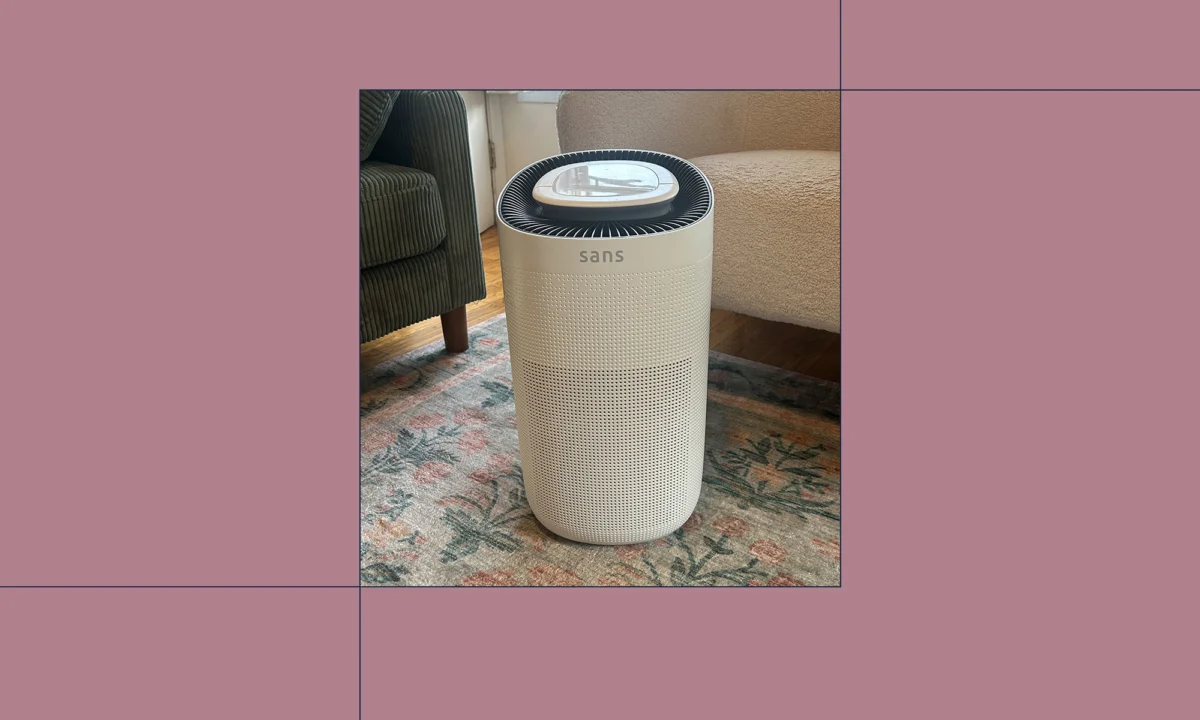
Against this backdrop, the Sans Air Purifier has emerged as a significant contender in the premium home filtration market. Designed to address the multifaceted challenges of modern indoor air quality (IAQ), the device utilizes a medical-grade filtration system to mitigate the presence of fine particulate matter (PM2.5), volatile organic compounds (VOCs), and biological allergens. This report examines the technical specifications, real-world performance, and broader health implications of the Sans Air Purifier based on extensive two-month field testing and a technical analysis of its filtration mechanisms.
The Technical Framework: Medical-Grade Three-Layer Filtration
The efficacy of any air purifier is fundamentally determined by its filtration media. The Sans Air Purifier employs a sophisticated three-layer system designed to capture a wide spectrum of pollutants. At the core of its performance is the HEPA 13 filter. In the hierarchy of High-Efficiency Particulate Air (HEPA) standards, H13 is classified as "medical-grade," capable of removing 99.97% of particles as small as 0.3 microns. This includes not only common household dust and pollen but also more insidious threats such as mold spores, bacteria, and certain viral particles.

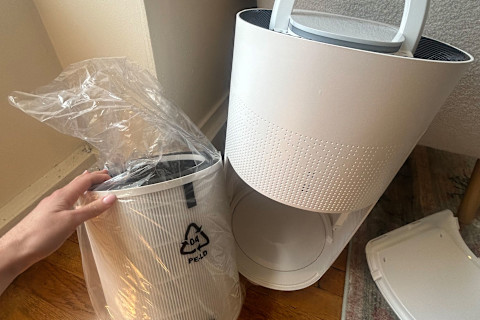
The filtration process begins with a pre-filter, which serves as the first line of defense. This layer is engineered to trap larger debris, such as pet hair and lint, preventing these particles from clogging the more sensitive internal filters and thereby extending the overall lifespan of the system. Following the pre-filter is the activated carbon layer. Unlike HEPA filters, which capture physical particles, activated carbon is essential for neutralizing gaseous pollutants. It utilizes a process called adsorption to trap VOCs—chemicals often emitted by household cleaning products, paints, and new furniture—as well as persistent odors from cooking or tobacco smoke.
Furthermore, the Sans unit is designed for high-volume air exchange. The standard model is rated to clean the air in spaces up to 1,560 square feet, making it suitable for large open-plan living areas or entire small apartments. For more localized needs, the brand offers a "mini" version tailored for individual bedrooms or home offices.
Chronology of Performance: A Two-Month Evaluation
To assess the Sans Air Purifier’s impact, testing was conducted over a 60-day period in a high-density urban environment—specifically, an older residential building in Boston characterized by limited natural ventilation and proximity to active construction sites.

Phase 1: Initial Deployment and Integration (Days 1–15)
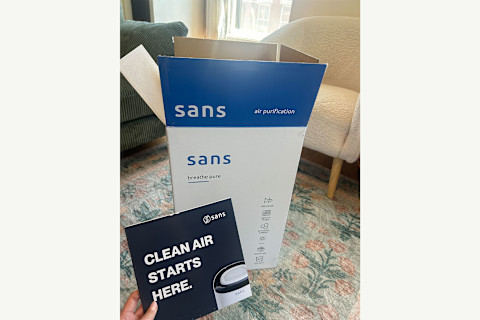
The initial setup of the Sans unit is designed for consumer accessibility, requiring minimal assembly beyond the removal of protective packaging from the filters. During the first two weeks, the device was primarily operated in "Auto Mode." This feature utilizes the integrated SmartPure technology to monitor air quality in real-time. The most immediate observation was the device’s sensitivity to localized pollutants. For instance, when the tester engaged in high-heat cooking or used aerosolized cleaning agents, the SmartPure sensor immediately detected the spike in VOCs and PM2.5, automatically increasing the fan speed to accelerate the purification cycle.
Phase 2: Mitigation of Environmental Externalities (Days 16–45)
By the end of the first month, the impact on physical surfaces became quantifiable. In urban settings near construction, dust accumulation on windowsills and electronics is a persistent issue, often requiring cleaning every 48 to 72 hours. Under the continuous operation of the Sans purifier, the rate of dust settlement significantly decelerated. Maintenance logs indicated that the frequency of required dusting was reduced by approximately 60%, suggesting that the purifier was successfully intercepting airborne dust before it could settle on interior surfaces.
Phase 3: Odor Neutralization and Atmospheric Stability (Days 46–60)
The final phase of testing focused on the longevity of the carbon filter’s efficacy. In many lower-tier purifiers, carbon saturation occurs rapidly, leading to a return of lingering odors. The Sans unit maintained a consistent ability to neutralize heavy cooking smells, such as those from fish or onions, within 30 to 60 minutes of the meal’s conclusion. Additionally, the "stale" air quality common in older buildings with poor circulation was replaced by a perceptibly neutral atmospheric environment.

Data-Driven Monitoring: The SmartPure Technology
One of the primary challenges for consumers in managing air quality is the invisibility of the threat. The Sans Air Purifier addresses this through its SmartPure interface, which provides a numerical and color-coded readout of the current air quality index (AQI) based on PM2.5, PM10, and VOC levels.
PM2.5 refers to fine inhalable particles with diameters that are generally 2.5 micrometers and smaller. These are particularly hazardous because they can penetrate deep into the lungs and even enter the bloodstream. PM10 particles, while larger, include dust and pollen that contribute to respiratory irritation. By displaying these metrics in real-time, the Sans unit functions not only as a filter but as a diagnostic tool, allowing users to identify specific activities—such as vacuuming or lighting candles—that degrade their indoor environment.
The color-coded feedback system simplifies this data for the average user:

- Blue/Green: Indicates optimal air quality with low particulate counts.
- Yellow/Orange: Signals moderate pollution, prompting the device to increase fan speed.
- Red: Indicates high levels of pollutants, requiring maximum filtration power.
Supporting Data: The Health Implications of Indoor Air Quality
The necessity of high-quality air filtration is supported by a growing body of medical research linking IAQ to long-term health outcomes. According to the Lancet Commission on Pollution and Health, ambient and indoor air pollution are responsible for millions of premature deaths annually, primarily through cardiovascular and respiratory diseases.
For individuals with pre-existing conditions such as asthma or seasonal allergies, the removal of 99.97% of allergens can lead to a measurable reduction in symptomatic episodes. Furthermore, emerging studies suggest a link between air quality and cognitive function. Research conducted by the Harvard T.H. Chan School of Public Health found that improved indoor air quality, characterized by low VOC levels and high ventilation rates, was associated with significantly higher cognitive performance scores among office workers. By extension, implementing such filtration in the home environment serves as a preventative measure for long-term neurological and physical health.
Market Context and Consumer Accessibility
At a retail price point of approximately $469 (often found on sale for $369), the Sans Air Purifier occupies the mid-to-high tier of the consumer market. It competes with brands such as Dyson, Blueair, and Molekule. While it lacks the Bluetooth and mobile app connectivity found in some of its competitors—a feature that some tech-savvy users may miss—it prioritizes mechanical filtration efficiency and "set-and-forget" usability.
The maintenance schedule for the Sans unit is relatively low-impact. The filters are rated for approximately 2,200 hours of use, which translates to roughly three to six months depending on the local air quality and frequency of use. The device also features a "Sleep Mode," which dims the display and reduces noise levels to a whisper-quiet decibel range, ensuring that the purification process does not disrupt circadian rhythms.
Broader Impact and Implications for Urban Longevity
The adoption of advanced air purification systems like the Sans unit represents a broader shift in how individuals perceive their home environments. As "wellness" evolves from a luxury concept into a fundamental aspect of home infrastructure, air purifiers are increasingly viewed as essential appliances, comparable to refrigerators or water filtration systems.
In dense urban centers where residents have little control over outdoor environmental factors—such as smog, construction, or wildfire smoke—indoor air filtration provides a necessary "safe haven." The ability to control the micro-environment of one’s home is a critical component of a longevity-focused lifestyle. By reducing the total toxic load on the respiratory and immune systems, high-efficiency purifiers contribute to a cumulative health benefit that extends over decades.
Final Assessment
The Sans Air Purifier demonstrates a robust balance of industrial-strength filtration and consumer-friendly design. While the lack of an integrated mobile app may be a drawback for those seeking detailed data logging, its core performance in removing dust, neutralizing odors, and monitoring real-time pollutants is exemplary. For residents of older buildings or those living in areas with high environmental particulate matter, the investment in a medical-grade HEPA 13 system is justified by both immediate comfort and long-term health preservation. As the global community continues to grapple with declining air quality, the role of domestic filtration technology will only become more vital in the quest for a healthy, sustainable lifestyle.