Hanik Kholidah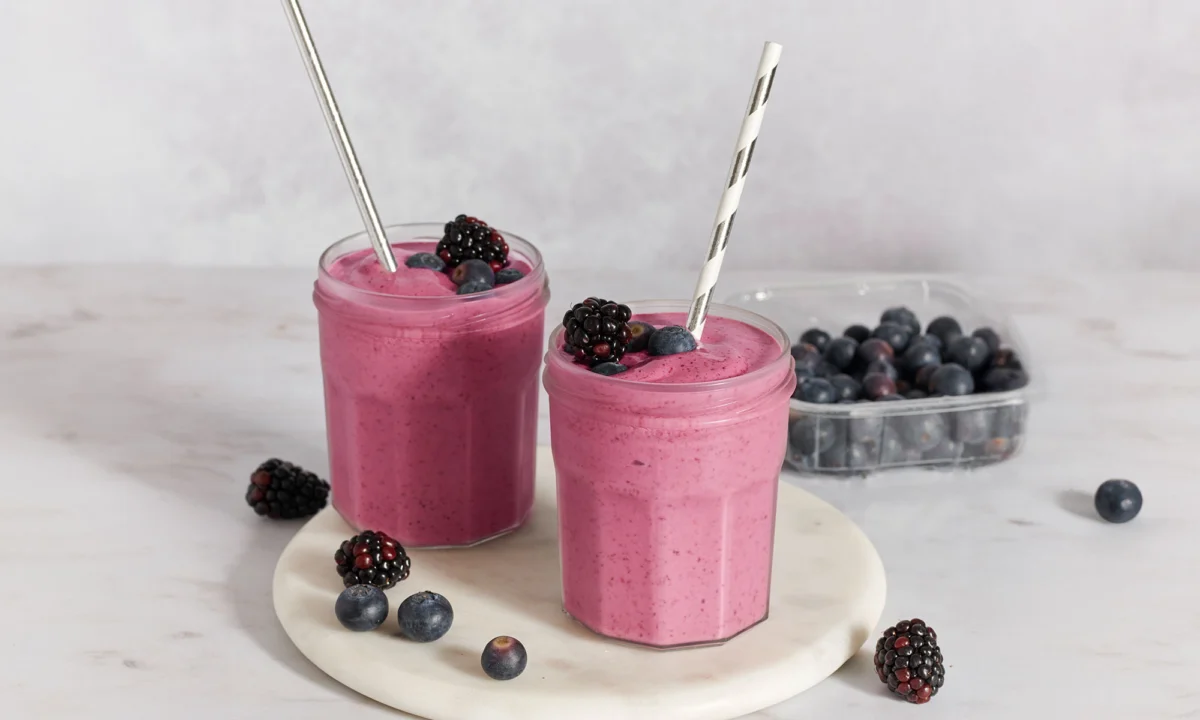
The landscape of morning nutrition has undergone a significant transformation over the last decade, moving away from high-sugar fruit juices toward nutrient-dense, protein-forward meal replacements. For many health-conscious consumers and nutrition professionals, the smoothie remains a staple due to its convenience and capacity for nutrient density. However, as Registered Dietitian Nutritionists (RDNs) like Molly Knudsen have noted, the traditional fruit-and-yogurt blend often fails to provide sustained satiety. The emergence of high-protein, supplement-enhanced smoothies represents a shift in clinical nutrition strategies aimed at managing blood sugar, supporting muscle protein synthesis, and enhancing cognitive function through the workday.
The Evolution of the Breakfast Smoothie: From Sugar Spikes to Metabolic Stability
Historically, smoothies were marketed as "health halos"—beverages that appeared nutritious due to their fruit content but were often devoid of the structural components necessary for long-term energy. A standard smoothie composed of orange juice, bananas, and a handful of berries can contain upwards of 60 grams of sugar with negligible protein or fiber. This composition leads to a rapid increase in blood glucose levels, followed by a compensatory insulin spike and a subsequent "crash" that leaves the individual hungry shortly after consumption.
In the clinical community, the "protein leverage hypothesis" suggests that humans will continue to eat until they meet a specific protein threshold. By shifting the focus of a morning meal to include at least 30 grams of protein, individuals can effectively regulate their appetite for the remainder of the day. This approach is not merely about calorie counting but about hormonal signaling. Protein intake stimulates the release of satiety hormones, such as cholecystokinin (CCK), glucagon-like peptide-1 (GLP-1), and peptide YY (PYY), while simultaneously suppressing ghrelin, the primary hunger hormone.
The 30-Gram Protein Threshold and Muscle Health
The recommendation to aim for 30 or more grams of protein in a single meal is rooted in the science of muscle protein synthesis (MPS). Research indicates that for most adults, a bolus of 25 to 30 grams of high-quality protein is required to maximally stimulate the mTOR pathway, which is responsible for muscle repair and growth. This is particularly critical for active individuals and aging populations who are at risk for sarcopenia, the age-related loss of muscle mass.
For years, many consumers relied on Greek yogurt as their primary protein source in smoothies. While Greek yogurt is a nutrient-dense food providing approximately 12 to 15 grams of protein per half-cup, it often falls short of the optimal 30-gram threshold when used in isolation. The integration of high-quality protein powders has become a pragmatic solution for bridging this nutritional gap.
The choice of protein source is equally vital. Grass-fed whey protein isolate has gained traction in the wellness industry due to its superior bioavailability and amino acid profile. Unlike whey concentrate, which contains higher levels of lactose and fats, whey isolate undergoes a rigorous filtration process that removes most of the sugar and fat, resulting in a product that is roughly 90% protein by weight. This makes it an ideal option for individuals with mild lactose sensitivities who still wish to benefit from the high leucine content found in dairy-based proteins.
Supplementation Trends: The Integration of Creatine and Taurine
A notable development in modern nutrition is the mainstreaming of supplements previously reserved for elite athletes. Creatine monohydrate, one of the most extensively researched supplements in history, is now being recommended by RDs for its broad-spectrum health benefits. While its role in recycling adenosine triphosphate (ATP) for muscular energy is well-documented, recent clinical trials have highlighted its efficacy in supporting cognitive health and bone density, particularly in women.

A 2021 study published in the journal Nutrients underscored that creatine supplementation can improve short-term memory and reasoning in healthy individuals. When combined with taurine—a sulfur-containing amino acid that plays a role in cardiovascular health and osmoregulation—the benefits extend to improved workout recovery and metabolic support. Taurine acts as a cytoprotective agent, helping to mitigate oxidative stress induced by physical exertion. For the average consumer, adding these compounds to a daily smoothie is an efficient way to support both physical and mental resilience without the need for complex supplement regimens.
Chronology of a Nutritional Shift: The Author’s Journey
The transition from a standard smoothie to a functionally optimized meal often follows a predictable timeline of trial and error. As documented by Knudsen, the initial phase usually involves a reliance on "whole food" sources like milk and yogurt. While these are foundational, they often result in an energy crash within 60 to 90 minutes.
The second phase of this nutritional evolution typically involves the introduction of protein powders. However, many consumers are deterred by the "chalky" or "artificial" taste profiles of lower-quality supplements. The third and final phase—the "optimized" phase—occurs when the consumer identifies clean-label, high-bioavailability ingredients that prioritize both flavor and function. This includes the use of organic extracts, natural sweeteners like stevia or monk fruit, and the inclusion of functional fats and fibers to further stabilize the glycemic response.
The Berry Pie Smoothie: A Case Study in Balanced Macros
The "Berry Pie Smoothie" serves as a practical application of these nutritional principles. By balancing proteins, fats, and carbohydrates, the recipe provides a comprehensive meal that fits within a moderate-calorie framework while maximizing satiety.
Nutritional Profile Analysis:
- Calories: 342
- Protein: 40g
- Carbohydrates: 27g
- Fat: 8g
The high protein-to-calorie ratio is achieved through the combination of whey protein isolate and Greek yogurt. The 27 grams of carbohydrates are primarily derived from berries, which offer a low-glycemic source of energy packed with anthocyanins and fiber. The 8 grams of fat provide the necessary medium for the absorption of fat-soluble vitamins (A, D, E, and K) and contribute to the creamy mouthfeel of the beverage.
Reconstructed Ingredient List (Based on Nutritional Data):
- 1 scoop (approx. 30g) Grass-fed Whey Protein Isolate (Vanilla)
- 1/2 cup Plain Non-fat Greek Yogurt
- 1 cup Frozen Mixed Berries (Blueberries, Raspberries, Blackberries)
- 1 scoop (5g) Creatine Monohydrate with Taurine
- 1 cup Unsweetened Almond Milk or Water
- A pinch of Cinnamon and Pink Himalayan Salt
- Optional: 1/4 cup Frozen Cauliflower Rice (for added fiber and thickness without altering flavor)
Industry Implications and Market Analysis
The move toward "functional smoothies" is reflected in the global protein supplement market, which was valued at approximately USD 20.4 billion in 2022 and is projected to expand at a compound annual growth rate (CAGR) of 8.5% through 2030. This growth is driven by an increasing consumer awareness of the importance of protein in weight management and healthy aging.

Furthermore, the "clean label" movement is forcing manufacturers to move away from synthetic fillers and artificial flavors. Consumers are increasingly scrutinizing ingredient lists, favoring products that include recognizable components like cinnamon bark powder and organic vanilla extract over chemical additives. This shift is particularly evident in the premium supplement sector, where transparency and sourcing (e.g., grass-fed, non-GMO) are now primary selling points.
Expert Consensus and Clinical Perspectives
Health professionals emphasize that while smoothies are a convenient tool, they must be constructed with intention. "A smoothie can either be a blood sugar disaster or a metabolic powerhouse," says one clinical nutritionist. "The difference lies in the macros. When you hit that 30-to-40-gram protein mark, you are fundamentally changing how your body processes that meal. You are moving from a state of storage to a state of utilization."
The inclusion of fiber-rich vegetables, such as frozen cauliflower or spinach, is another strategy recommended by RDs to further blunt the glucose response. These additions provide volume and micronutrients without significantly increasing the caloric load, allowing for a "high-volume" eating experience that satisfies the psychological need to chew, especially when the smoothie is blended to a thick, "milkshake-like" consistency.
Broader Impact on Public Health
As metabolic disorders and obesity rates continue to rise globally, the role of a satiating breakfast cannot be overstated. Stabilizing blood sugar in the morning can prevent the "snacking cycle" that often occurs in the late afternoon. By educating the public on how to build a better smoothie, RDs are providing a scalable solution for weight management and energy optimization.
The integration of cognitive enhancers like creatine into a daily breakfast routine also addresses the growing concern over mental fatigue and "brain fog" in the modern workforce. As the boundary between sports nutrition and general wellness continues to blur, the high-protein, supplement-integrated smoothie stands as a testament to the power of targeted nutrition in achieving daily health goals.
In summary, the transition to a high-protein morning routine is more than a dietary trend; it is a science-backed approach to metabolic health. By prioritizing 30+ grams of bioavailable protein and incorporating evidence-based supplements, individuals can ensure they remain energized, focused, and satiated from breakfast until lunch.