Hanik Kholidah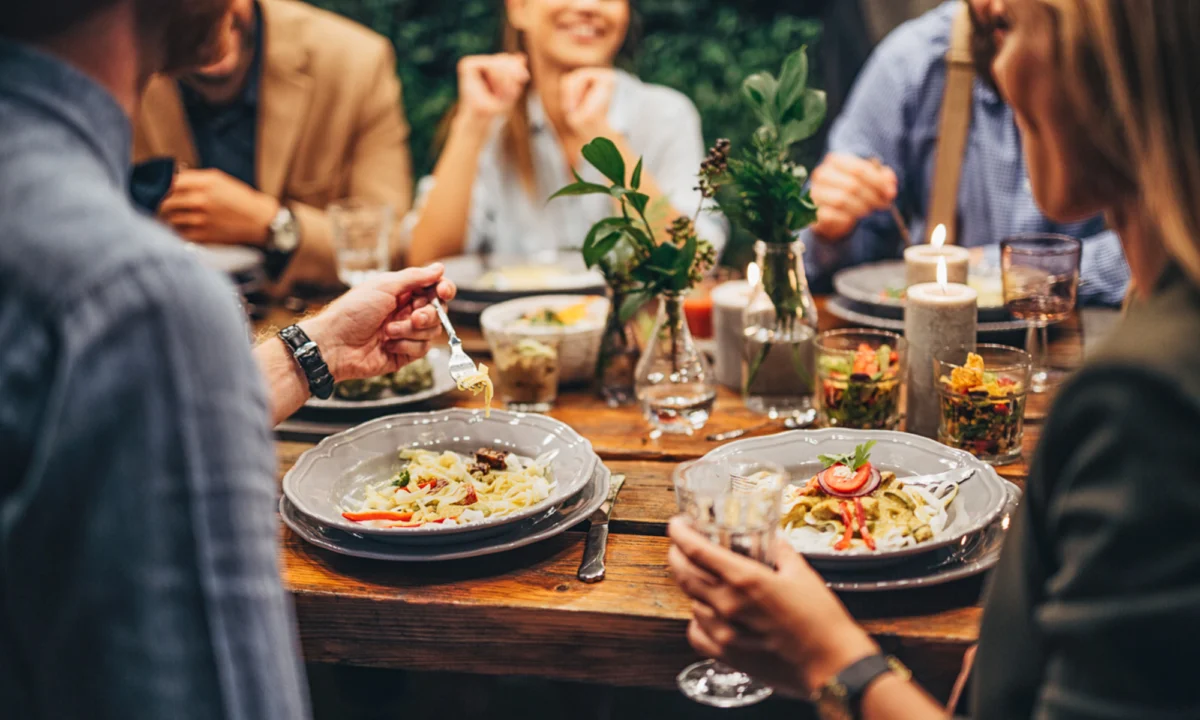
The island of Sardinia, situated in the Tyrrhenian Sea off the western coast of Italy, has long been a subject of fascination for demographers, geriatricians, and nutritionists. As one of the five original "Blue Zones"—geographic regions where people live statistically longer than anywhere else on Earth—Sardinia boasts a concentration of centenarians that is nearly ten times higher per capita than that of the United States. While genetic factors play a role, researchers have concluded that the island’s unique lifestyle, rooted in centuries of isolation and tradition, is the primary driver of its residents’ exceptional longevity.
Italian chef Francesco Mattana, a proponent of traditional Mediterranean culinary practices, suggests that the Sardinian way of life is not a relic of the past but a reproducible framework for modern health. By focusing on seasonal consumption, integrated physical activity, and deep-rooted social structures, individuals outside the Mediterranean basin can adopt the principles that have allowed Sardinian villagers to thrive well into their tenth decade of life.
The Evolution of the Blue Zone Research
The term "Blue Zone" was first coined by Gianni Pes and Michel Poulain, who drew blue circles on a map of Sardinia to identify the villages with the highest longevity. This research was later expanded by Dan Buettner, who identified shared characteristics among these populations, including the Barbagia region of Sardinia. Unlike other Blue Zones that may favor coastal diets, the Sardinian longevity hotspot is located in the rugged, mountainous interior.
Historically, the people of these regions were shepherds and farmers. Their lifestyle was defined by physical labor and a diet dictated by what the land could provide. Today, as global health systems struggle with the rise of chronic non-communicable diseases—such as type 2 diabetes, obesity, and cardiovascular disease—the Sardinian model offers a case study in preventative wellness through lifestyle intervention.
Step 1: Adopting the "Chilometro Zero" Nutritional Philosophy
Chef Francesco Mattana emphasizes that the foundation of Sardinian longevity is a radical commitment to seasonality and local sourcing, a concept known in Italy as chilometro zero (zero kilometers). This philosophy dictates that food should travel the shortest distance possible from the point of production to the dinner table.
"Traditionally in Sardinia, meals have been built around simple, minimally processed ingredients that are in season and grown close to home," Mattana explains. This approach ensures that produce is consumed at its peak nutritional density. Studies in nutritional science have consistently shown that the vitamin and antioxidant content of fruits and vegetables begins to degrade shortly after harvest. By consuming local produce, Sardinians maximize their intake of phytonutrients.
In practical terms, a Sardinian-style diet is predominantly plant-based but not strictly vegetarian. Key components include:
- Legumes and Grains: Beans, chickpeas, and lentils serve as the primary protein sources. Barley and whole grains are staples, providing high fiber content that supports gut health and metabolic stability.
- Sourdough Bread: Unlike modern commercial bread, traditional Sardinian bread is leavened with madre (sourdough starter). The long fermentation process breaks down gluten and phytic acid, resulting in a lower glycemic index and improved mineral absorption.
- Sheep and Goat Milk Products: Consumption of Pecorino cheese (made from grass-fed sheep’s milk) and goat’s milk provides high levels of omega-3 fatty acids.
- Natural Sweeteners: Refined sugars are largely absent, with honey used sparingly as a sweetener.
Mattana also highlights a "zero waste" mentality. In Sardinian culture, food is respected as a finite resource. Stale bread is transformed into pangrattato (breadcrumbs), overripe fruits are preserved as jams, and surplus vegetables are pickled. This not only ensures a diverse nutrient intake year-round but also fosters a psychological connection to the food cycle.
Step 2: Integrating Natural Movement into the Daily Routine
A distinguishing feature of Sardinian longevity is the absence of "exercise" in the modern, Western sense. There are few gymnasiums in the mountain villages of the Barbagia region; instead, movement is an inescapable part of daily existence.
"Longevity in Sardinia is not just about what we eat, but how we live," says Mattana. He points to "natural daily movement," which includes gardening, tending to livestock, and navigating the steep, cobblestone streets of the villages. This type of low-intensity physical activity (LIPA) is maintained throughout the entire lifespan, preventing the muscle atrophy and metabolic slowdown often associated with aging.
A specific tradition highlighted by both Mattana and health experts is the passeggiata—a leisurely walk taken after meals, particularly in the evening. Scientific data supports the benefits of this practice; a brief walk after eating has been shown to significantly blunt postprandial glucose spikes, thereby reducing the risk of insulin resistance and cardiovascular strain.
For those living in urban environments, Mattana suggests that the Sardinian model can be replicated by choosing walking over driving for short distances, engaging in active hobbies like gardening, and prioritizing movement that serves a functional purpose within the community.
Step 3: The Psychosomatic Power of Social Cohesion
Perhaps the most overlooked element of the Sardinian lifestyle is its social structure. In many Western cultures, aging is often accompanied by social isolation and the relocation of the elderly to care facilities. In Sardinia, the opposite is true. The elderly are integrated into the heart of the family and community.
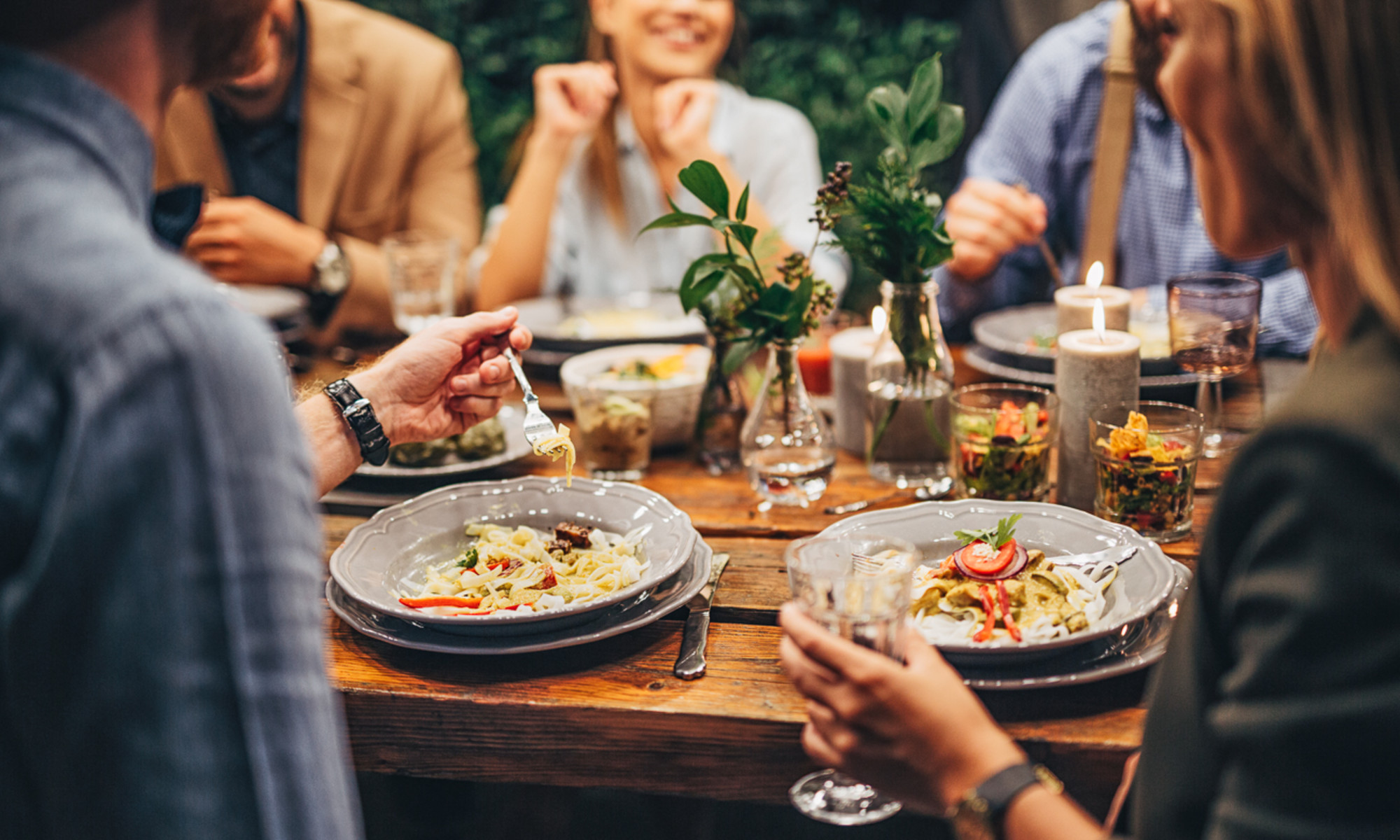
"In Sardinia, meals are rarely rushed," Mattana notes. "They are moments to gather with family and friends, share conversation, and enjoy food slowly." This "slow food" approach has physiological benefits, including improved digestion and more accurate satiety signaling. However, the psychological benefits are equally profound.
Research into the "Grandparent Effect" suggests that when older generations remain active in the lives of their children and grandchildren, it provides them with a sense of purpose and belonging that correlates with lower rates of depression and cognitive decline. Furthermore, the presence of strong social networks acts as a buffer against stress.

Mattana argues that even in a digital age, prioritizing face-to-face interaction and viewing meals as an opportunity for connection rather than a task of convenience can replicate this "spirit of longevity." The inclusion of a small glass of red wine—specifically the local Cannonau, which contains three times the level of artery-scrubbing flavonoids found in other wines—is often part of these social gatherings, emphasizing moderation and communal enjoyment.
Demographic Data and Scientific Implications
The validity of the Sardinian model is supported by rigorous demographic data. In the "Longevity Blue Zone" of Sardinia, the ratio of female centenarians to male centenarians is nearly 1:1. This is a statistical anomaly, as in most of the world, women outlive men by a significant margin. This suggests that the lifestyle factors in Sardinia—specifically the high levels of physical activity among men who worked as shepherds—are particularly effective at mitigating the cardiovascular risks typically faced by males.
Furthermore, genetic studies on the Sardinian population have identified the presence of specific markers, such as the M26 marker, which is linked to lower rates of certain autoimmune diseases. However, researchers emphasize that genetics only account for approximately 20% of an individual’s lifespan; the remaining 80% is determined by lifestyle and environment.
Broader Impact on Public Health
The "Sardinian way" offers a potential solution to the global "loneliness epidemic" and the rising costs of elder care. By redesigning communities to encourage natural movement and fostering intergenerational living, society could see a reduction in the prevalence of age-related infirmity.
From a culinary perspective, the shift toward seasonal, local eating advocated by Chef Mattana aligns with environmental sustainability goals. Reducing the "food miles" associated with the global supply chain lowers carbon footprints while simultaneously improving public health outcomes.
Conclusion: A Blueprint for the Future
Sardinia’s remarkable longevity is the result of a complex interplay between geography, tradition, and diet. While the specific conditions of a Mediterranean island cannot be perfectly duplicated in a metropolitan setting, the core principles remain universal.
As Chef Francesco Mattana suggests, the transition to a "Sardinian" lifestyle begins with a shift in perspective: viewing food as a seasonal gift, movement as a natural habit, and community as a vital necessity. By adopting these three steps—eating with the seasons, moving with purpose, and connecting with others—individuals can build a foundation for a life that is not only longer but more vibrant and meaningful. In the pursuit of health, the secret may not lie in a new pharmaceutical discovery, but in the ancient wisdom of a small Italian island.