 Muhammad Hendra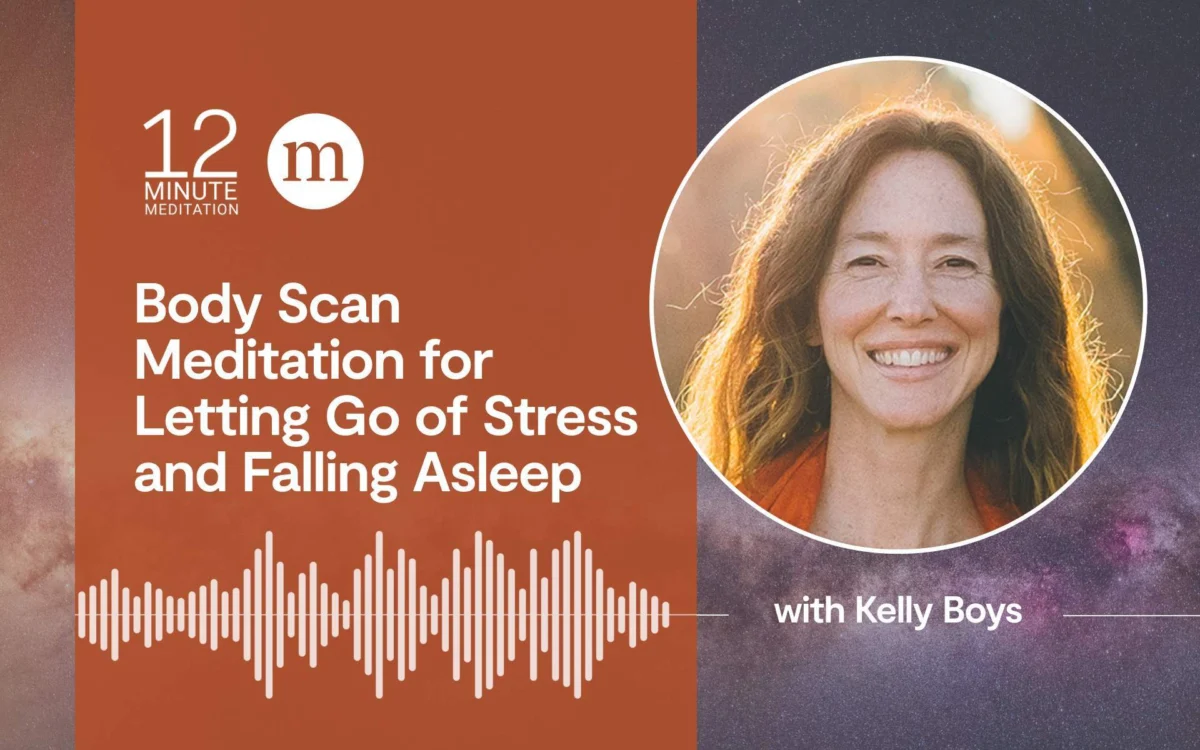
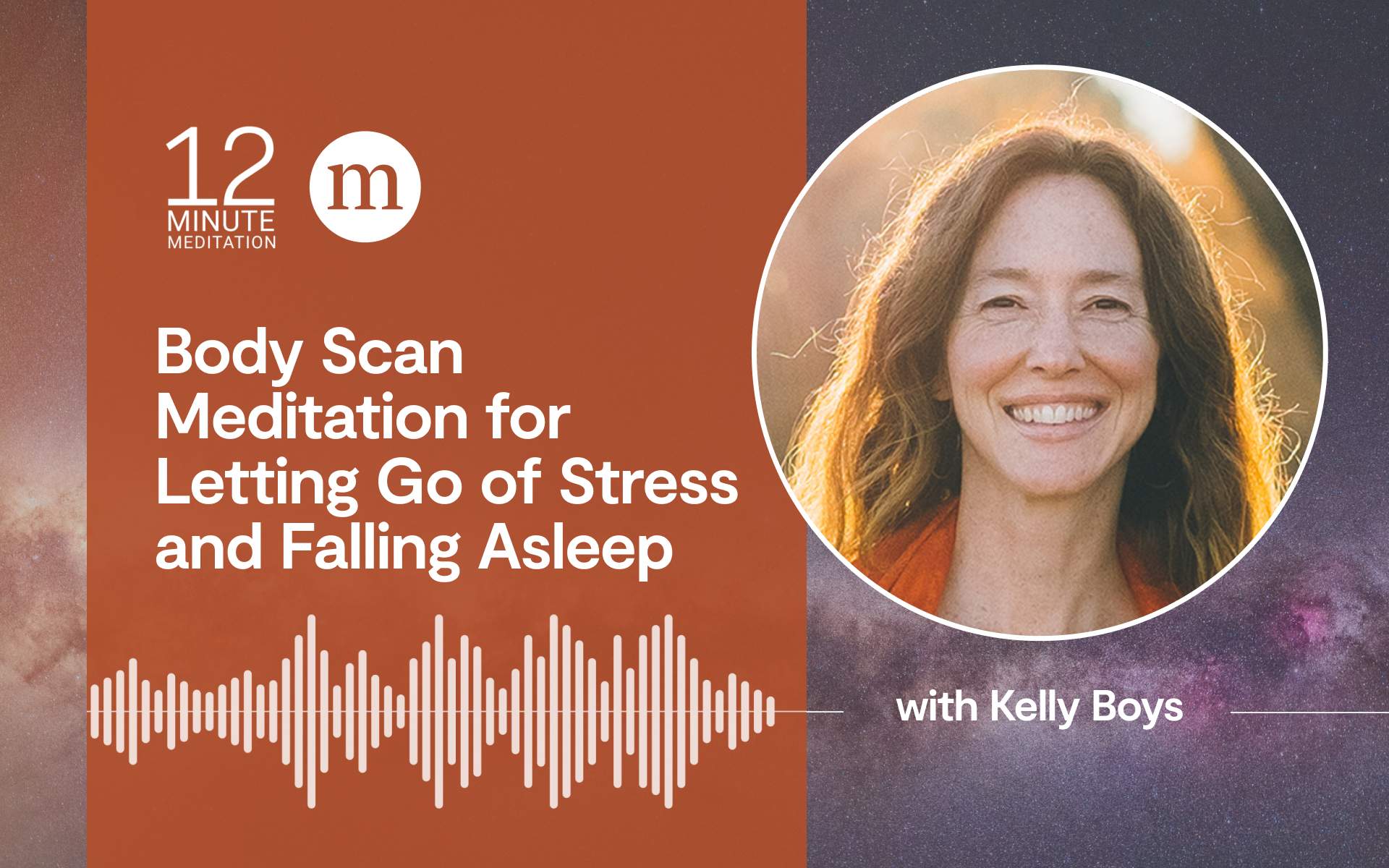
In the fast-paced landscape of modern professional and personal life, daily stressors frequently accumulate unnoticed within the human physical framework. Chronic physical tension, often ignored during waking hours, can culminate in widespread sleep disturbances, leaving individuals feeling physically fatigued yet mentally overstimulated when attempting to rest. Addressing this pervasive wellness challenge, mindfulness expert and United Nations Foundation trainer Kelly Boys has introduced a structured 12-minute guided body scan meditation designed to help individuals release accumulated tension, transition out of heightened physiological arousal, and surrender into restorative sleep.
The guided practice, featured prominently across contemporary mindfulness platforms, offers an accessible tool for individuals struggling with insomnia, racing thoughts, and somatic stress retention. By systematically shifting attention across various anatomical regions paired with intentional breathing, practitioners learn to identify hidden pockets of muscle tension and grant the body permission to relax completely.
The Physiology of Stress Retention and Sleep Interruption
Human physiology is fundamentally structured to respond to acute stressors through the activation of the sympathetic nervous system, commonly known as the fight-or-flight response. While evolutionary advantageous, this physiological mechanism frequently misfires in modern environments, responding to relentless digital notifications, professional deadlines, and socio-economic pressures as physical threats. Consequently, stress hormones such as cortisol and adrenaline surge through the bloodstream, keeping skeletal muscles contracted and the mind hyper-vigilant.
When individuals attempt to transition from a demanding day directly into restorative sleep without an intervening decompression period, the autonomic nervous system often remains trapped in a state of high activation. Sleep researchers have consistently documented that elevated physical tension directly interferes with the onset of rapid eye movement (REM) and deep slow-wave sleep. This sleep deficit compounds over time, leading to cognitive fatigue, impaired emotional regulation, compromised immune function, and diminished workplace productivity.
To counteract this cycle, somatic interventions such as body scan meditations have emerged as evidence-based countermeasures. By engaging in deliberate, non-judgmental observation of bodily sensations, individuals can stimulate the parasympathetic nervous system—the "rest and digest" branch—thereby lowering heart rates, reducing blood pressure, and signaling to the brain that the immediate environment is safe for rest.
Chronology and Development of the Practice
The integration of mindfulness techniques into mainstream psychological and physiological health protocols has evolved significantly over the past four decades. Originally derived from ancient contemplative traditions, structured body scan practices were popularized in Western medicine during the late 1970s by Dr. Jon Kabat-Zinn through the development of the Mindfulness-Based Stress Reduction (MBSR) program at the University of Massachusetts Medical Center.
Kelly Boys built upon these foundational clinical frameworks, adapting them for modern high-stress populations, including international humanitarian aid workers. During her tenure as a trainer with the United Nations Foundation, Boys played a pivotal role in designing specialized well-being and resilience programs intended to mitigate acute and secondary traumatic stress among personnel operating in high-risk environments.
The distillation of these intensive resilience frameworks into a concise, 12-minute evening practice represents a strategic evolution in accessibility. Recognizing that modern practitioners frequently face time scarcity and severe bedtime anxiety, Boys structured the meditation to require minimal cognitive effort while maximizing somatic release. The resulting audio and text-based resources provide a repeatable nightly protocol that bridges the gap between clinical mindfulness interventions and consumer-accessible wellness tools.
Mechanics of the 12-Minute Body Scan Protocol
The methodology utilized in Boys’ guided practice relies on sequential focal awareness. Practitioners typically begin by lying supine in a comfortable resting position, establishing a steady rhythm of diaphragmatic breathing. From this baseline, the attention is methodically directed through distinct anatomical zones—starting from the crown of the head, moving downward through the facial muscles, jaw, neck, shoulders, arms, torso, hips, legs, and finally settling in the feet and toes.
During this methodical progression, practitioners are instructed to notice sensations of warmth, coolness, tightness, or fatigue without attempting to alter them forcibly. Once tension is identified within a specific muscle group, the practice introduces an intentional cognitive cue: granting the body permission to let go. This psychological permission slip facilitates a sensation of physical heaviness, which serves as a somatic indicator of deep relaxation.
Clinical observations support the efficacy of this sequential approach. By redirecting cognitive bandwidth away from abstract worries about the future or rumination on past events, the body scan occupies the mind’s attentional capacity with neutral, present-moment physical sensations. This cognitive redirection breaks the feedback loop of insomnia-inducing anxiety, creating a clear neurological pathway toward natural sleep onset.
Expert Insights and Broader Industry Implications
Public health analysts note that the introduction of accessible mindfulness tools like Kelly Boys’ body scan arrives at a critical juncture. Global epidemiological data consistently point toward an escalating crisis of chronic sleep deprivation and stress-related disorders. According to estimates from the Centers for Disease Control and Prevention (CDC) and international health organizations, a substantial percentage of the adult population fails to obtain the recommended seven to nine hours of quality nightly sleep, resulting in hundreds of billions of dollars in lost economic productivity and increased healthcare expenditures.
Industry experts emphasize that addressing this public health burden requires scalable, low-cost interventions that individuals can practice independently. Audio-guided meditations, podcast episodes, and downloadable scripts provide scalable modalities that circumvent traditional financial and logistical barriers to mental healthcare.
Furthermore, leaders in organizational well-being have praised the integration of trauma-informed mindfulness practices into standard wellness portfolios. Professionals like Boys, whose background includes training humanitarian workers facing extreme operational environments, bring a rigorous, pragmatic approach to mindfulness. This ensures that the techniques taught are not merely superficial relaxation exercises, but robust psychological tools capable of supporting individuals navigating complex, high-pressure modern lives.
Future Outlook and Integration into Daily Routines
As awareness of sleep hygiene expands beyond basic bedroom environmental adjustments—such as temperature control and screen reduction—internal somatic regulation is increasingly recognized as a vital component of holistic health. The widespread availability of Kelly Boys’ 12-minute meditation script and accompanying audio recordings provides individuals with a reliable, structured mechanism to reclaim control over their nighttime routines.
Healthcare providers and mindfulness educators continue to advocate for the routine adoption of pre-sleep decompression practices. By normalizing the intentional release of daily physical tension, society may gradually shift away from pharmaceutical reliance for sleep initiation toward sustainable, self-regulated behavioral practices. Through continued research, widespread dissemination, and expert-led instruction, somatic mindfulness tools stand to remain a cornerstone of preventative health and wellness optimization for years to come.