Angie Faith
The landscape of true crime storytelling has evolved beyond scripted adaptations, with audiences increasingly seeking authentic narratives through documentaries and the literary works that delve into similar subject matter. This shift offers a more profound engagement with complex societal issues, from systemic injustices to deeply personal tragedies. This curated selection explores compelling true crime documentaries and their accompanying books, spanning themes of stolen children, femicide, the penal system, and the genesis of widespread moral panics.
Unearthing Stolen Histories: The Shadow of Child Trafficking
The harrowing practice of child trafficking, often masked by state-sanctioned deception, is brought to light in the HBO Max documentary Stolen Children. The film follows the investigative journey of Tamuna Museridze, a journalist who, after her mother’s passing, discovered her own adoption. Her search for her biological roots uncovers a disturbing reality from 1970s Georgia: a clandestine network where newborns were declared dead to their mothers, only to be sold on the black market. The documentary meticulously reconstructs this period, highlighting the profound trauma inflicted upon families and the lasting impact of such egregious violations of human rights. It also introduces the stories of Ano and Amy, two individuals whose lives were irrevocably altered upon discovering they were adopted, a revelation that ultimately led them to find each other as estranged sisters.

This documentary resonates with historical patterns of child abduction and illicit adoption that have occurred in various parts of the world. For instance, during the brutal Argentine military dictatorship (1976-1983), the forced disappearance of political dissidents often included pregnant women. Their children were subsequently abducted and raised by military families, a crime that the Grandmothers of the Plaza de Mayo have tirelessly worked to expose and rectify. The documentary’s exploration of Georgia’s past mirrors these broader global struggles against state-sponsored atrocities and the enduring fight for truth and justice for victims.
Complementing this powerful documentary is Haley Cohen Gilliland’s book, A Flower Traveled in My Blood: The Incredible True Story of the Grandmothers Who Fought to Find a Stolen Generation of Children. This non-fiction work delves into the specifics of Argentina’s "Dirty War," a period marked by widespread human rights abuses. Gilliland meticulously details the efforts of "las Abuelas de Plaza de Mayo" (the Grandmothers of the Plaza de Mayo), a human rights organization formed by women seeking to find their grandchildren who were stolen during the dictatorship. The book serves as a testament to their unwavering resolve in the face of immense state power and societal indifference, highlighting their success in reuniting hundreds of individuals with their biological families. The organization’s activism, which began in the late 1970s, has become a global symbol of resilience and the pursuit of justice for victims of state-sponsored violence and abduction. Their efforts have not only brought closure to many families but have also contributed significantly to holding perpetrators accountable.
Confronting Femicide: Voices from Mexico
The pervasive issue of femicide, the intentional killing of women because of their gender, is unflinchingly examined in Netflix’s three-part docuseries, The Prosecutor (La Fiscal). The series chronicles the work of Mexico City’s first prosecutor dedicated to femicide cases, Sayuri Herrera, and her team. Viewers are given an intimate look at the daily challenges they face, including the overwhelming volume of gender-based murder cases and the meticulous, often emotionally taxing, process of investigation. The documentary emphasizes the importance of providing respect and a voice to the victims, highlighting the systemic biases that often plague such investigations.

Femicide is a critical issue in Mexico and across Latin America, with statistics indicating alarmingly high rates. Organizations like the National Citizen Observatory of Femicide in Mexico have been instrumental in documenting and advocating against these crimes. The documentary’s focus on the legal and investigative efforts underscores the complex societal and legal frameworks that contribute to the ongoing crisis, as well as the critical role of dedicated legal professionals in seeking justice. The series also implicitly addresses the broader cultural contexts that may contribute to such violence, including machismo and gender inequality, which are persistent challenges in many societies.
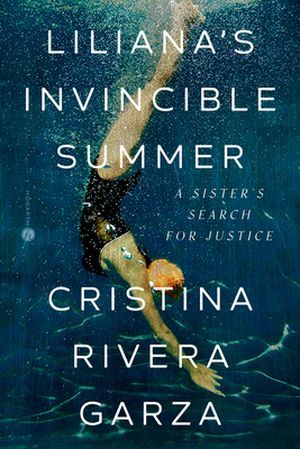
Cristina Rivera Garza’s Pulitzer Prize-winning memoir, Liliana’s Invincible Summer: A Sister’s Search for Justice, offers a deeply personal and poignant exploration of femicide. Twenty-nine years after her sister Liliana, an architecture student, was murdered, Rivera Garza embarks on a quest to obtain case files and re-examine the investigation. Interspersed with her own narrative are Liliana’s diary entries, offering a raw and intimate glimpse into a young woman’s life and the tragic trajectory that led to her death. The book is not only a testament to sisterly love and the enduring pain of loss but also a powerful indictment of a justice system that often fails victims of gender-based violence. Rivera Garza’s work highlights the importance of personal testimonies and archival research in understanding and confronting the devastating impact of femicide. The book’s recognition by the Pulitzer committee signifies a growing acknowledgment of the literary and societal importance of addressing these critical issues.
The Prison Industrial Complex: Injustice Within Walls
The documentary The Alabama Solution, available on HBO Max, offers a stark and unfiltered look at the systemic abuses and inhumane conditions prevalent within the American prison industrial complex. Primarily told through footage captured by inmates using contraband cell phones, the film provides a visceral account of the daily realities faced by those incarcerated. It exposes horrific treatment, systemic injustices, and the profound lack of basic human decency within the correctional facilities. The documentary also follows the family of Steven Davis, who tragically died after being beaten by guards, as they navigate the arduous path to seek justice for his death. The quote, "How can a journalist go into a war zone, but can’t go into a prison in the United States of America?" encapsulates the deliberate barriers to transparency and accountability within these institutions.
The issues raised in The Alabama Solution are echoed in national statistics and reports from organizations like the Bureau of Justice Statistics, which consistently document high rates of violence, inadequate healthcare, and overcrowding in U.S. prisons. The use of contraband footage, while offering an unvarnished perspective, also highlights the challenges faced by incarcerated individuals in documenting their experiences and the limitations of external oversight. The film serves as a critical examination of a system that often operates with limited public scrutiny, raising profound questions about rehabilitation, punishment, and the very definition of justice in contemporary America.
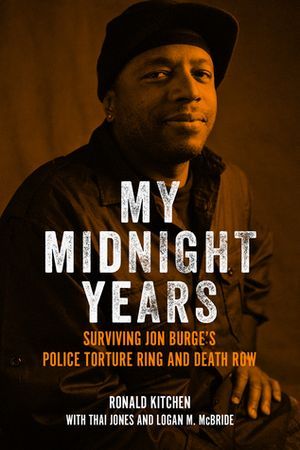
Ronald Kitchen’s memoir, My Midnight Years: Surviving Jon Burge’s Police Torture Ring and Death Row, co-authored with Thai Jones and Logan M. McBride, provides a harrowing first-hand account of surviving a corrupt and abusive justice system. Kitchen recounts his wrongful conviction, stemming from coerced confessions obtained through police torture by the notorious Commander Jon Burge and his detectives. The memoir details the systemic failures that led to his placement on death row and the stark realization that he was not alone; many Black men faced similar fates due to Burge’s reign of terror. Kitchen’s narrative is a powerful testament to the resilience of the human spirit and the pursuit of justice, even against overwhelming odds. His eventual exoneration and release in 2009, after years of advocating for his freedom and studying law from within prison, serve as a beacon of hope and a critical indictment of the pervasive racial bias and brutality that have plagued certain law enforcement agencies. The book’s publication sheds light on a dark chapter in Chicago’s history and the broader implications of police misconduct on innocent lives.
The Genesis of Moral Panics: Satanic Ritual Abuse and Its Aftermath
The documentary Satan Wants You, available on Tubi and Amazon Prime, delves into the origins and pervasive impact of the "Satanic Panic" that gripped the 1980s and 1990s. The film centers on the book Michelle Remembers, written by psychiatrist Larry Pazder and his patient Michelle Smith. Pazder claimed to have unlocked Smith’s repressed memories of horrific abuse at the hands of Satanists who were allegedly involved in child abduction. This book became a catalyst for widespread hysteria, fueling accusations of Satanic ritual abuse, particularly in daycare settings, leading to numerous arrests and contentious court cases. The documentary meticulously unpacks how this narrative, built on controversial recovered-memory therapy, ignited a moral panic with devastating real-world consequences, affecting countless lives and perpetuating unfounded fears.
The Satanic Panic, though often viewed through a lens of absurdity today, was a genuine societal phenomenon fueled by a confluence of factors including anxieties about changing social norms, the rise of the Christian Right, and sensationalized media coverage. The widespread belief in organized Satanic cults engaging in ritualistic abuse led to a wave of accusations, often based on flimsy evidence and coerced testimony, particularly from children. This period serves as a stark reminder of how easily mass hysteria can take root and the profound damage it can inflict on individuals and communities.
Rick Emerson’s book, Unmask Alice: LSD, Satanic Panic, and the Imposter Behind the World’s Most Notorious Diaries, offers a critical examination of a related phenomenon that preceded and intertwined with the Satanic Panic. Emerson investigates the enduring myth of Go Ask Alice, a purported diary of a drug-addicted teenager published in 1971. He reveals how this book, despite numerous red flags, became a bestseller and contributed to a national drug panic. Furthermore, he traces the lineage of such "found diaries" to another sensationalized publication in 1979, this time presented as the diary of a deceased teenage "Satanist," which further fueled the witch hunt mentality. Emerson’s research unearths the true authorship behind these influential, albeit fabricated, narratives, exposing the societal anxieties and the individuals who exploited them for notoriety and profit. The book provides a comprehensive analysis of the cultural climate that allowed these morally dubious works to gain such traction and influence public perception.
These documentaries and books collectively offer a critical lens through which to understand some of the darkest aspects of human history and societal failings. By pairing the visual immediacy of documentary filmmaking with the in-depth exploration offered by literary non-fiction, audiences can gain a more nuanced and comprehensive understanding of complex issues, fostering critical thinking and a deeper engagement with the pursuit of truth and justice.