
 Ali Ikhwan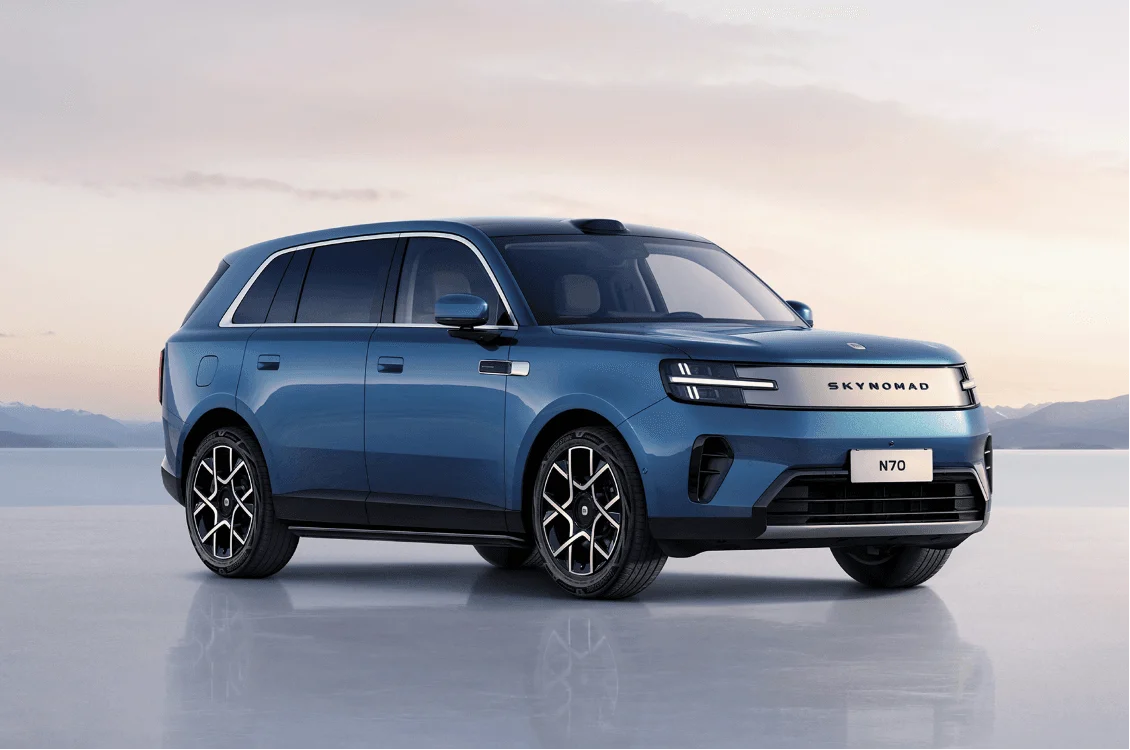
The global automotive landscape is currently undergoing a structural transformation that mirrors the seismic shifts of the early 20th century, as the hegemony of the internal combustion sedan continues to collapse under the weight of consumer preference for SUVs. As traditional Western manufacturers scramble to pivot their product lines toward electrification, a new wave of Chinese technology-integrated vehicles is seizing market share by prioritizing interior versatility, software-defined experiences, and aggressive pricing models. At the vanguard of this movement is Xiaomi Auto, which recently unveiled the pricing and technical specifications for its SkyNomad N70 and N90 SUV series in Beijing, signaling an existential challenge to legacy luxury brands like Bentley and Range Rover.
The Decline of the Sedan and the Rise of the Utility Vehicle
The dominance of the SUV segment is no longer a localized trend; it is a global industry standard. In the United States, light trucks and SUVs now account for more than 80 percent of all new vehicle sales. This trend has effectively rendered the traditional sedan a niche product, with domestic giants like Ford having largely exited the segment in favor of higher-margin utility vehicles.
Conversely, China—the world’s largest automotive market—retains a higher affinity for sedans, which still constitute approximately one-third of new vehicle sales. However, the sophistication of Chinese domestic manufacturing has shifted focus toward the global export of SUVs. By leveraging high-volume production and vertical integration of technology, manufacturers are targeting the psychological and practical needs of Western buyers who demand the comfort, status, and utility that only an SUV provides.
Chronology of a Disruption
The emergence of Xiaomi as a credible automotive force has been remarkably rapid, even by the accelerated standards of the tech industry.
- 2021: Xiaomi officially announces its foray into the electric vehicle sector, earmarking an initial investment of $10 billion over the next decade.
- 2024: The company launches the SU7 sedan, which quickly claims the title of "World’s Fastest Sedan" with its Ultra variant.
- 2025: The Jaecoo 7, a Chinese-made SUV, makes a significant impact in the UK market, serving as a bellwether for the consumer appetite for high-spec, low-cost Chinese utility vehicles.
- 2026 (April): Xiaomi holds its major unveiling in Beijing, detailing the SkyNomad N70 and N90 series, specifically positioning them as "smart-living" vehicles.
- 2027 (Projected): Xiaomi initiates its formal entry into the European market, a move expected to intensify pressure on established premium manufacturers.
The SkyNomad Architecture: A Shift in Engineering Priorities
The SkyNomad series represents a departure from traditional vehicle design, focusing on what industry analysts call "cabin-centric" engineering. Built on the proprietary Kunlun platform, the N90 seven-seater showcases a modular interior that challenges the static nature of European luxury vehicles.
The vehicle features a flat-floor design with sliding seat rails that extend from the dashboard to the trunk, allowing for a 180-degree rotation of the front seats to facilitate a lounge-style environment. This modularity is complemented by a 1.8-meter-headroom sleeping loft in the N90 Max Studio, heated flooring, and a 30-inch projector screen. While Western competitors focus on incremental improvements such as scent-infused air conditioning or minor seat adjustments, Xiaomi has integrated structural flexibility that effectively turns the vehicle into a mobile living space.
From a technical perspective, the extended-range electric powertrain is designed to mitigate range anxiety—a primary hurdle in the adoption of electric vehicles. By utilizing a 1.5-liter turbocharged internal combustion engine strictly as a generator to power dual electric motors, the system achieves a combined range of approximately 700 miles under the EPA-equivalent cycle. This hybrid architecture allows for rapid refueling and high-capacity battery performance, targeting the core requirements of long-distance SUV users.

Economic Implications and Market Competitiveness
The primary disruption posed by the SkyNomad series is its price-to-feature ratio. The entry-level N70 Pro is priced at approximately $31,000, placing it in direct competition with entry-level models from mainstream manufacturers like Hyundai. Yet, the N70 includes high-end features such as Nvidia Thor-U chips for autonomous driving, lidar sensors, and high-fidelity sound systems.
This pricing strategy creates a "luxury-for-less" narrative that is difficult for legacy brands to counter. While a traditional luxury SUV might command a price tag exceeding $80,000, Xiaomi’s ability to achieve economies of scale through its existing electronics supply chain allows it to deliver superior software and hardware at a fraction of the cost. The implications for legacy manufacturers are significant: if the "Temu Range Rover" phenomenon (as seen with the Jaecoo 7) can be replicated with a more premium-positioned product like the SkyNomad, the pricing power of Western heritage brands may face an unprecedented devaluation.
Official Responses and Industry Skepticism
The response from the traditional automotive elite has been characterized by a mix of dismissiveness and growing anxiety. When queried about the competitive threat posed by Xiaomi, several Western luxury auto executives have pointed to the company’s history as an electronics and appliance manufacturer.
"They make vacuums, don’t they?" one executive remarked during a recent industry event. Such sentiments echo the skepticism directed toward Tesla in 2011, when industry leaders questioned whether an upstart tech firm could master the complexities of automotive manufacturing. History has shown, however, that the barriers to entry in the EV era are largely software-defined rather than mechanical.
The integration of the "full scenario" voice control and the cellular-based walkie-talkie communication system underscores Xiaomi’s advantage: it is a consumer electronics firm that happens to build cars. By treating the vehicle as an extension of the user’s digital ecosystem, they are appealing to a demographic that prioritizes seamless connectivity over historical brand prestige.
Broader Implications for the Global Market
The entry of Chinese manufacturers into the Western SUV segment represents a fundamental shift in the global automotive order. Several key factors will determine the trajectory of this shift:
- Regulatory Hurdles: Tariffs and trade policies in Europe and North America remain the primary obstacles for Chinese OEMs. The success of these vehicles will likely depend on the ability of Chinese firms to establish local manufacturing hubs to circumvent import restrictions.
- Infrastructure Integration: The push for solid-state batteries, as noted by groups like Schaeffler, indicates that the industry is aware of the energy requirements for heavy SUVs. Xiaomi’s focus on energy efficiency—maintaining a 24-hour fridge operation on minimal power—demonstrates a sophisticated approach to power management that legacy manufacturers are currently struggling to match.
- Consumer Perception: The transition from "budget alternative" to "luxury competitor" is the final frontier. If the build quality of the SkyNomad lives up to its interior specifications, the argument for paying a premium for traditional marques will weaken.
Conclusion
The automotive sector is currently at a turning point where technical capability and digital integration are superseding mechanical legacy. As Xiaomi prepares to enter the European market, the industry is bracing for a period of intense competition. The SkyNomad is more than just a new vehicle; it is a manifestation of a business model that views the car as a high-tech appliance. For legacy manufacturers, the challenge is clear: they must either adapt to a landscape where innovation is measured in software updates and interior modularity, or risk becoming relics of an era when the engine was the only thing that mattered. The "Xiaomi effect" has already begun to disrupt the sedan market; its expansion into the SUV segment threatens to rewrite the rules of the road for the next decade.