
 Ali Ikhwan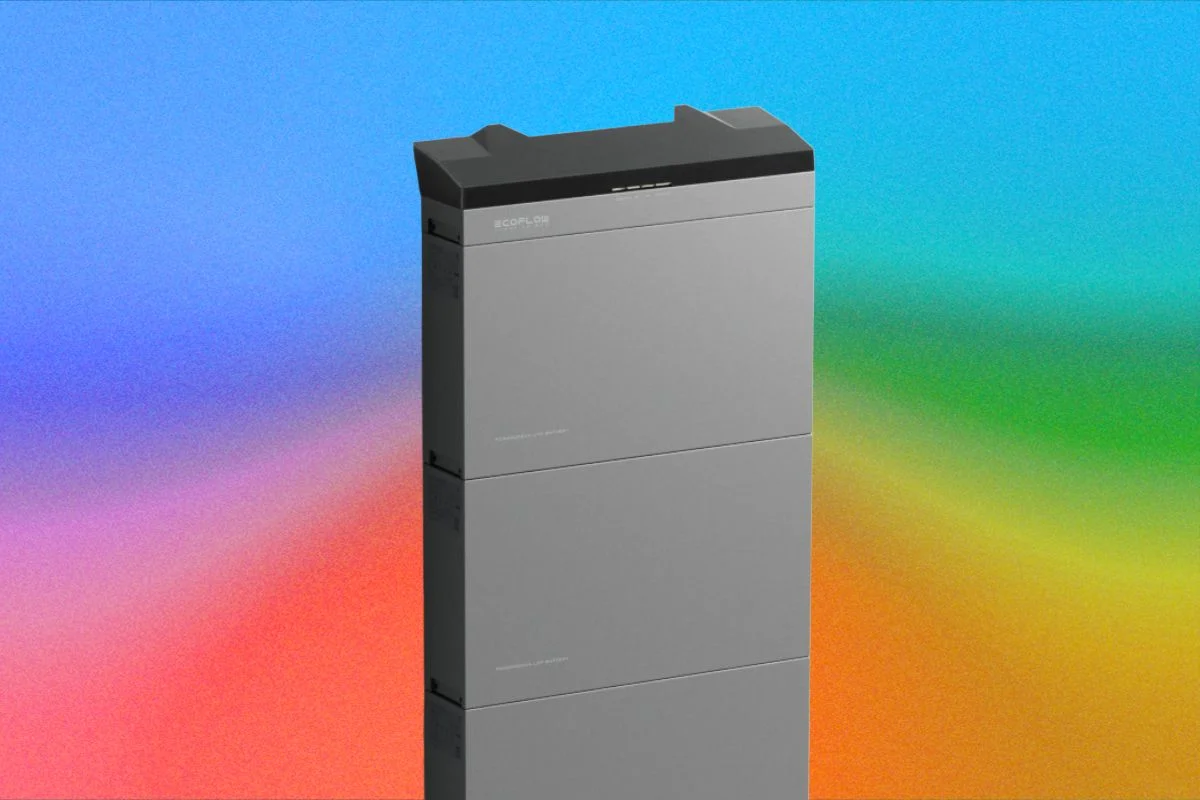
As global energy markets face unprecedented volatility and electricity costs continue to climb, residential energy storage systems have transitioned from niche luxuries for off-grid enthusiasts to essential components of the modern home’s infrastructure. Whether the objective is to store surplus energy generated by solar photovoltaic (PV) panels or to engage in energy arbitrage—purchasing electricity during off-peak hours to use during expensive peak periods—home batteries offer a tangible solution to rising utility bills. However, as the market expands rapidly, consumers face a complex landscape of technical specifications, regulatory requirements, and economic calculations that must be navigated before making a significant investment.
The Technological Landscape: Battery Chemistry and Safety
The fundamental technology powering home energy storage is undergoing a significant shift. While the portable electronics industry remains dominated by standard lithium-ion (nickel manganese cobalt, or NMC) batteries, the residential storage sector has largely pivoted toward lithium iron phosphate (LFP or LiFePO4) chemistry. This transition is driven primarily by safety and longevity. LFP batteries are significantly less prone to thermal runaway—a condition where a battery enters an uncontrollable self-heating cycle that can lead to fires. Furthermore, LFP cells typically offer a higher cycle life, often rated for 6,000 to 10,000 charge-discharge cycles, which translates to over a decade of daily use with minimal degradation.
Emerging alternatives, such as sodium-ion (Na-ion) batteries, are also beginning to enter the conversation. Sodium-ion technology offers several theoretical advantages, including lower production costs due to the abundance of sodium compared to lithium and superior performance in cold climates. However, these systems currently suffer from lower energy density, meaning they require more physical space for the same amount of storage, and they have yet to prove their long-term durability in large-scale residential applications.
At the cutting edge of research are solid-state batteries. By replacing the liquid electrolyte found in current batteries with a solid material, manufacturers aim to create systems that are even safer, more compact, and capable of much faster charging. While solid-state technology is currently the "holy grail" of the electric vehicle (EV) industry, its trickle-down effect into home storage is expected to redefine the market within the next decade.
The Mechanics of Energy Conversion: Inverters and Power Ratings
A home battery system is more than just a storage vessel; it requires a sophisticated management system to interact with a home’s electrical grid. Because batteries store energy as direct current (DC) and modern homes run on alternating current (AC), an inverter is a critical component of the installation.

For homeowners with existing or planned solar installations, the "hybrid inverter" has become the industry standard. These devices are capable of managing power from both the solar panels and the battery simultaneously, converting DC to AC for home use or directing DC power from the panels straight into the battery for maximum efficiency.
When evaluating these systems, it is vital to distinguish between two different measurements: capacity (measured in kilowatt-hours, or kWh) and power output (measured in kilowatts, or kW).
- Capacity (kWh): This represents the total amount of energy the battery can hold—the size of the "fuel tank." A typical household might require 10 kWh to 15 kWh to cover evening usage.
- Power Output (kW): This represents how much electricity the system can provide at any single moment—the size of the "pipe." A 3.6-kW inverter may suffice for modest homes, but households using high-demand appliances like electric vehicle chargers, heat pumps, or electric ovens will likely require a 5-kW to 10-kW inverter to prevent the system from drawing expensive power from the grid during peak times.
Economic Analysis: Costs, Incentives, and Return on Investment
The financial viability of a home battery depends on a variety of factors, including local utility rates, the presence of solar panels, and available government incentives. In the United Kingdom, a system such as the EcoFlow PowerOcean, featuring a 6-kW hybrid inverter and a 10-kWh battery, typically costs approximately £6,500. In the United States, a fully installed 10-kWh to 15-kWh system generally ranges between $8,000 and $15,000, depending on the complexity of the electrical work required.
The return on investment (ROI) is primarily driven by "avoided costs." In regions with time-of-use (TOU) pricing, where electricity costs significantly more during the evening, a battery allows a homeowner to bypass high rates entirely. In the United States, the Inflation Reduction Act has significantly bolstered the case for home storage by providing a 30% federal tax credit for battery installations, even if they are not connected to solar panels.
Industry analysts suggest that for a standard residential setup, the payback period typically ranges from five to twelve years. However, this window is narrowing as utility companies move away from "Net Metering"—a system where they pay homeowners the full retail rate for excess solar power. In California, the transition to "Net Billing" (NEM 3.0) has slashed the value of exported solar energy by roughly 75%, making a home battery almost mandatory for any new solar customer who wishes to see a financial return.
Regulatory Hurdles and Infrastructure Requirements
Installing a home battery is not a simple "plug-and-play" operation. It involves high-voltage electrical work that must comply with local building codes and utility regulations. In many jurisdictions, homeowners must obtain a permit before installation begins. For instance, in Scotland, distribution network operators (DNOs) must approve any inverter over 3.6 kW before it can be connected to the grid.

Furthermore, older homes often require infrastructure upgrades to accommodate the new technology. A common issue is a lack of physical space or electrical capacity in the existing main fuse board or breaker box. Installers frequently need to add a secondary "sub-panel" or "gateway" to manage the battery’s integration, adding to the total labor cost.
Strategic Benefits Beyond the Individual Home
While the primary motivation for most consumers is personal financial gain, the widespread adoption of home batteries has profound implications for the broader energy grid. Battery storage is an essential tool for "grid balancing." Because renewable energy sources like wind and solar are intermittent—producing power when the sun shines or the wind blows rather than when demand is highest—batteries can soak up excess supply and discharge it when the grid is under strain.
This has led to the rise of Virtual Power Plants (VPPs). In a VPP, a utility company or a third-party aggregator coordinates thousands of individual home batteries to act as a single, massive power plant. Homeowners who participate in VPP programs often receive monthly credits or direct payments in exchange for allowing the utility to draw small amounts of power from their batteries during grid emergencies. This decentralized approach reduces the need for "peaker plants"—expensive, often polluting gas plants that only run during periods of extreme demand.
Implementation Timeline and Consumer Guidance
For consumers considering an investment in 2024 and beyond, the following chronology is recommended for a successful installation:
- Audit Energy Usage: Examine at least 12 months of utility bills to determine average daily kWh consumption and identify peak demand periods.
- Consult with Professionals: Engage certified installers to assess the home’s electrical panel and determine if upgrades are necessary.
- Evaluate Modular Options: Opt for modular battery systems that allow for capacity expansion. It is often more cost-effective to install extra capacity during the initial setup than to retrofit additional modules later, which may require new permits and professional labor.
- Check for Incentives: Research local, state, and federal grants. Many utility companies offer rebates that are not widely advertised.
- Software Integration: Prioritize systems with robust mobile applications. Modern energy management requires "smart" software that can automatically track weather patterns and utility pricing to optimize when the battery charges and discharges.
Future Outlook: A Decentralized Energy Future
The transition toward residential energy storage represents a fundamental shift in the relationship between consumers and the energy grid. We are moving away from a centralized model where power flows in one direction—from large power stations to homes—and toward a "prosumer" model where households both produce and store energy.
As battery costs continue to decline (lithium-ion battery pack prices have dropped by nearly 90% since 2010) and performance improves, the home battery will likely become as standard as the water heater or the HVAC system. The integration of vehicle-to-home (V2H) technology, where an electric car’s massive battery can power a house for days, will further accelerate this trend. For now, the home battery stands as a critical tool for those seeking energy independence, financial predictability, and a smaller carbon footprint in an increasingly unstable energy environment.







