Indra Kusuma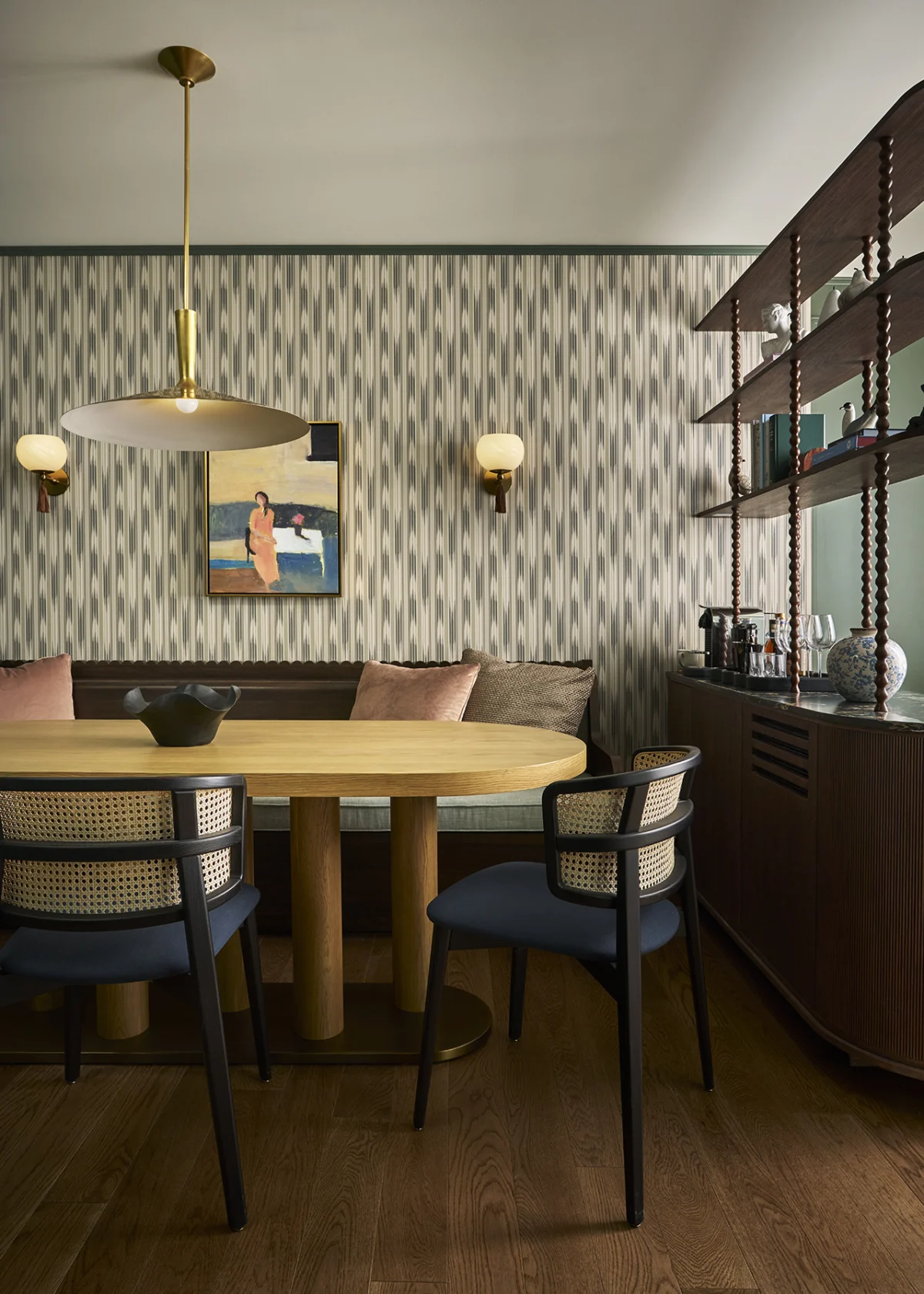
The hospitality landscape is currently undergoing a significant paradigm shift, moving away from the era of "cookie-cutter" brand standards and toward a model that prioritizes site-specific, narrative-driven design. At the vanguard of this movement is the newly opened Fidelity Hotel in Cincinnati, a 165-key property that breathes new life into the historic Gwynne Building. By employing a philosophy of adaptive reuse, developers at New Waterloo have transformed a mid-1900s corporate headquarters into a modern urban sanctuary, bridging the gap between the city’s storied architectural past and the expectations of contemporary travelers.
A Landmark Transformed: The Gwynne Building Legacy
The Gwynne Building, a quintessential Beaux-Arts landmark, was designed by the esteemed architect Ernest Flagg in the early 20th century. Historically significant as the former global headquarters for the consumer goods giant Procter & Gamble, the structure has long stood as a pillar of Cincinnati’s downtown architectural identity. The building is not a singular construction but a complex composite of four distinct structures, each featuring varying floor elevations and internal structural systems that presented significant challenges for modern conversion.
The project represents a meticulous effort to honor the building’s heritage while upgrading it for the demands of the 21st-century hospitality sector. The restoration process required balancing National Register of Historic Places compliance with the functional necessities of a high-end, 165-room hotel. This involved a technical overhaul of the interior, including the introduction of a four-story light court and a central grand staircase—a strategic architectural intervention designed to unify the segmented floor plates and introduce natural illumination into the building’s core.

Chronology of Development
The transformation of the Gwynne Building into The Fidelity Hotel followed a multi-year development timeline focused on structural integrity and design refinement.
- Early 20th Century: Construction of the Gwynne Building under the direction of Ernest Flagg, establishing it as a hub of American commerce.
- Late 20th Century: As business districts evolved, the building saw various commercial tenants, but required a major programmatic shift to remain relevant in a changing downtown.
- Pre-Development Phase: New Waterloo identified the property as a prime candidate for high-end hospitality, citing its central location in the Fountain District and its unique architectural bones.
- Restoration and Construction: The design team, led by Dallas-based Looney & Associates, began the complex task of integrating modern mechanical, electrical, and plumbing systems into the Beaux-Arts shell, a process that prioritized the preservation of original detailing, such as steel flourishes and vaulted ceilings.
- Opening (2026): The hotel officially opened its doors, marking the completion of an extensive adaptive reuse initiative that aims to serve as a cornerstone of the neighborhood’s revitalization.
Design Philosophy: The Paris of America
The design language employed by Looney & Associates is rooted in a concept of "restrained confidence." Rather than relying on the sterile, high-contrast minimalism that characterized the hospitality boom of the 2010s, the Fidelity Hotel leans into a layered, residential aesthetic. This approach pays homage to Cincinnati’s historical moniker, the "Paris of America," by incorporating elements that feel curated rather than manufactured.
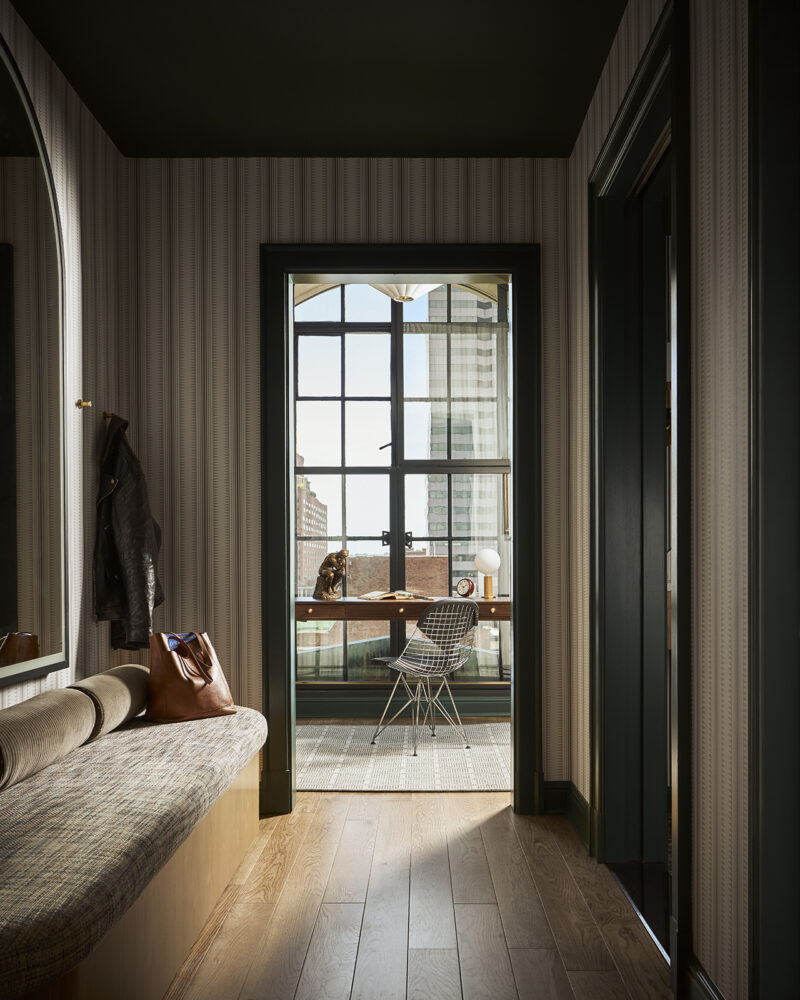
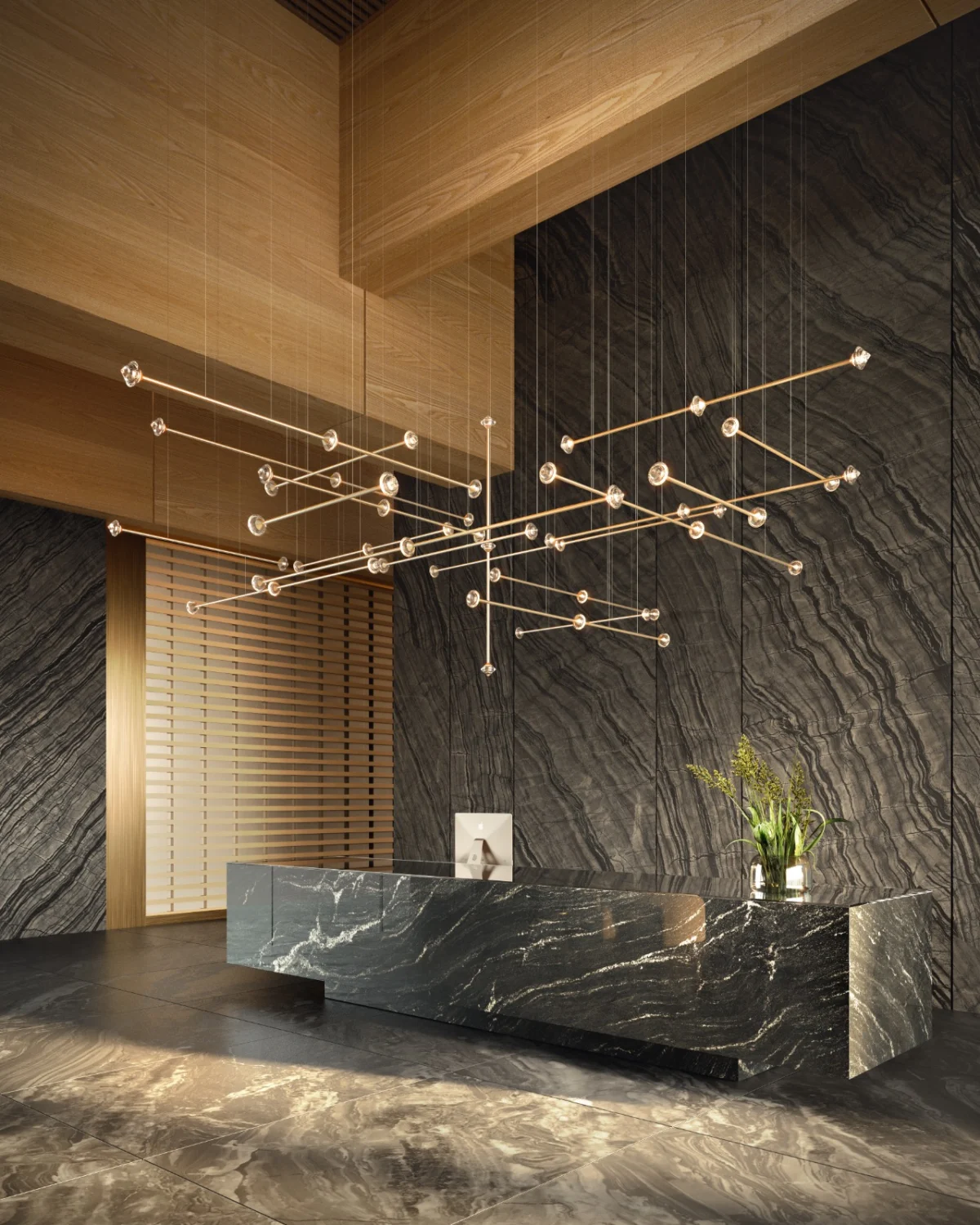
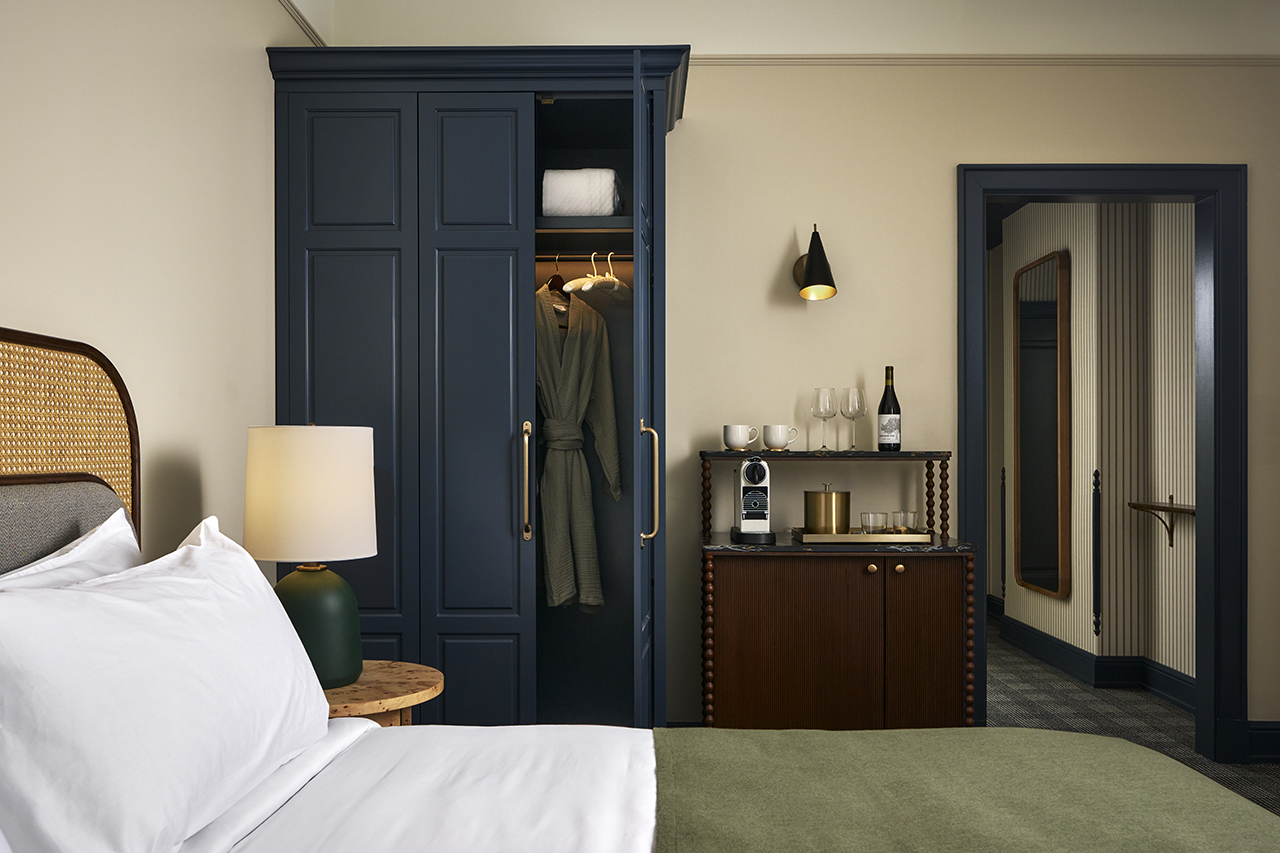
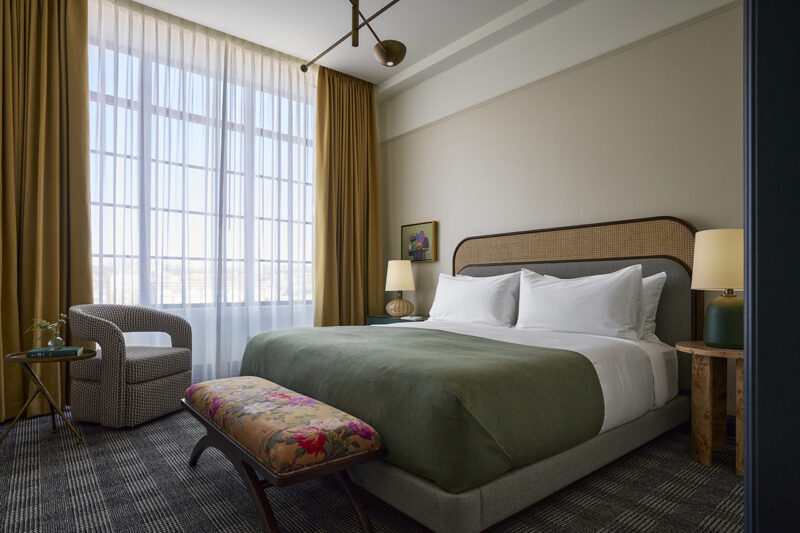
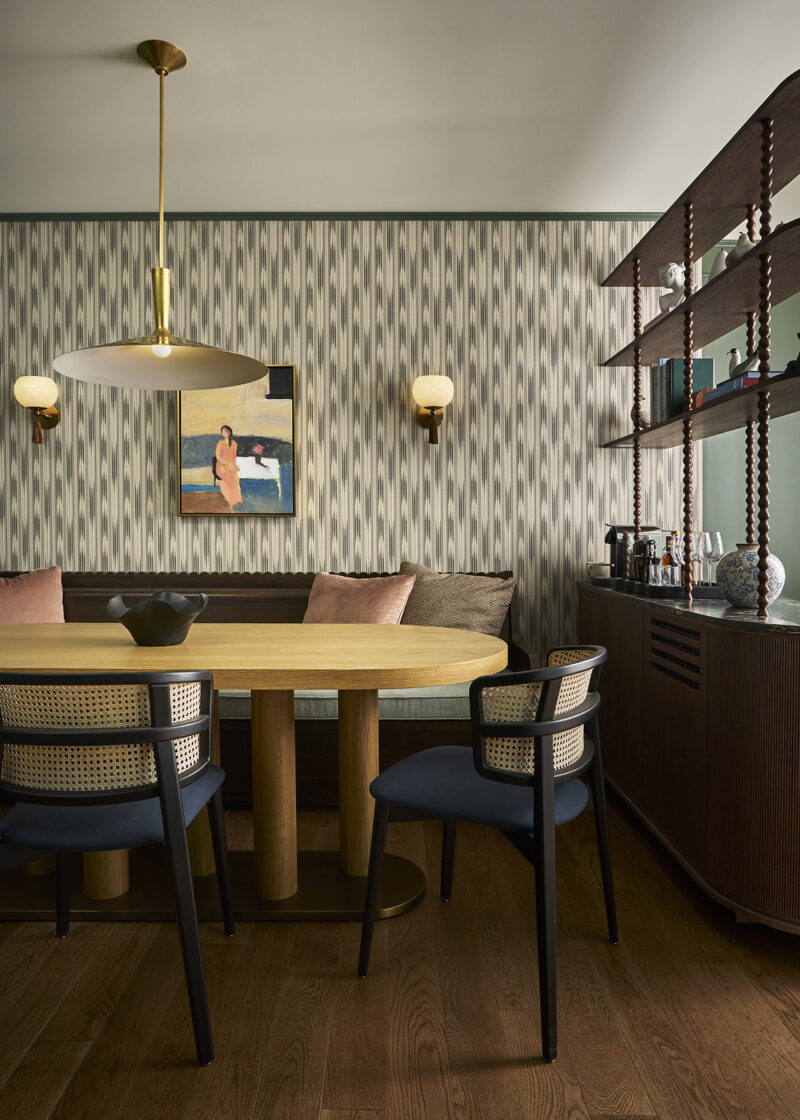
The lobby serves as an introduction to this ethos. Designers reintroduced vaulted ceilings that echo the building’s original proportions, paired with geometric marble flooring and a warm, atmospheric color palette. The interior design avoids the ostentatious luxury often associated with downtown hotels, opting instead for a domestic scale. This "parlor-like" atmosphere extends to the 165 guestrooms, where unlacquered brass hardware, hardwood flooring, and custom textiles create an environment that feels as though it has evolved over decades.
Operational Strategy and Local Integration
A central component of the hotel’s business model is the integration of local culture into the guest experience. The property includes two primary dining concepts: Gwynne, a restaurant helmed by Chef Brad Bernstein, and Cora’s All Day Café.
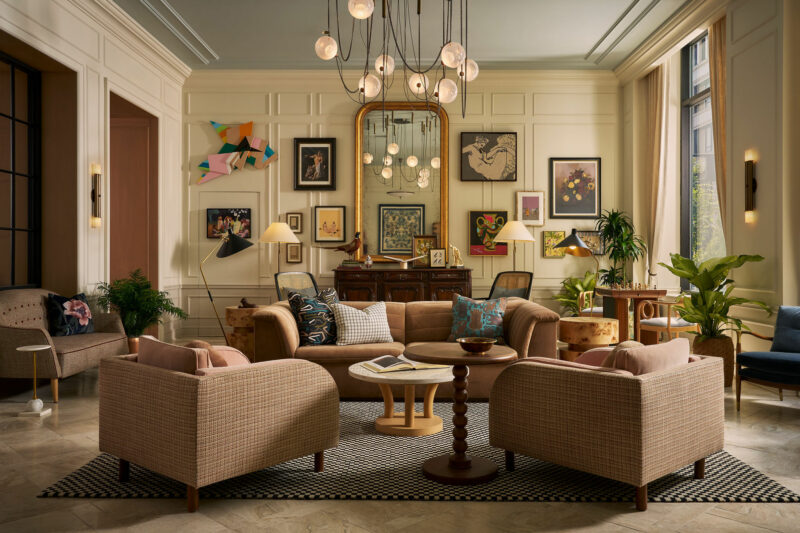
Gwynne utilizes a menu inspired by the Ohio River Valley, specifically referencing the region’s "Porkopolis" history—a nod to Cincinnati’s 19th-century status as the center of the American pork packing industry. Meanwhile, Cora’s All Day Café draws inspiration from the historic markets that once defined the surrounding Fountain District. By positioning these venues as "urban living rooms," the developers have sought to ensure the hotel remains a social hub for both international travelers and local residents, thereby fostering a stronger sense of place.
Data-Driven Hospitality Trends
The Fidelity Hotel’s approach aligns with a broader trend in the hospitality sector: the pursuit of "hyper-local" authenticity. According to industry reports from groups like the American Hotel & Lodging Association (AHLA), travelers are increasingly prioritizing properties that offer unique, localized experiences over traditional chain-affiliated hotels. Data suggests that properties incorporating adaptive reuse elements—such as repurposed historic structures—often see higher guest satisfaction scores related to "atmosphere" and "value" compared to newly constructed, standard-model hotels.
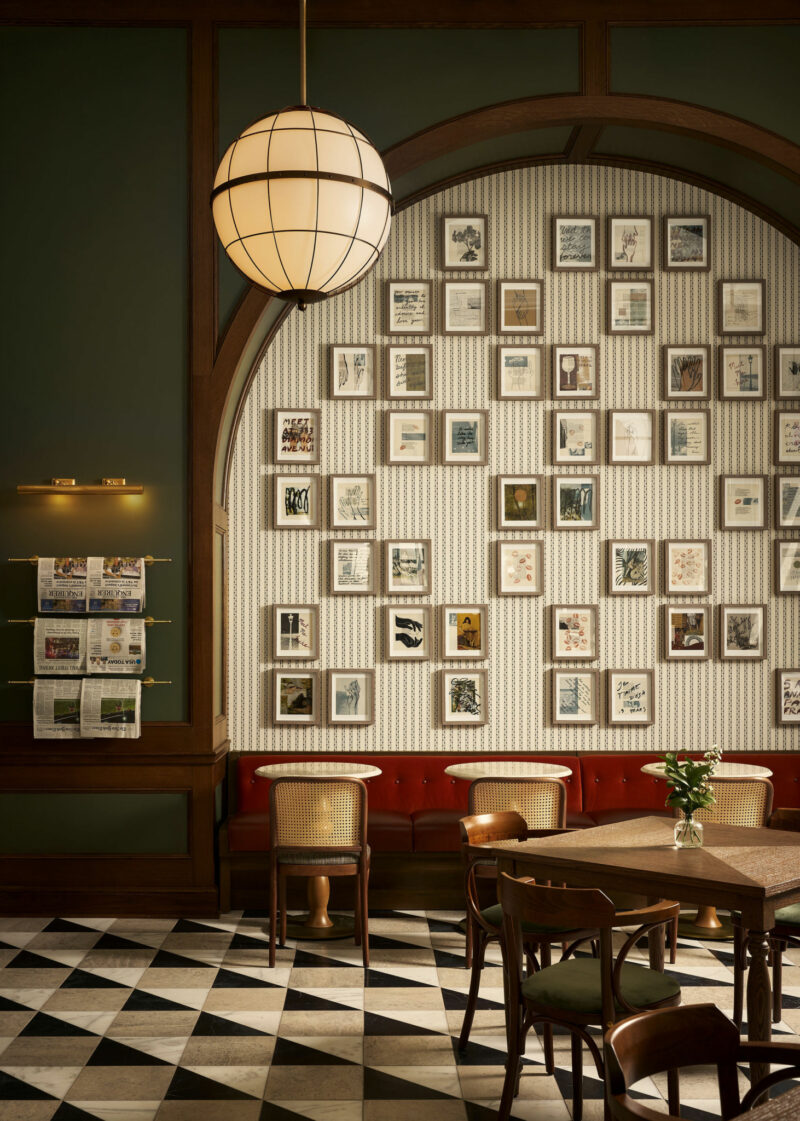
The shift is further supported by the increasing demand for "boutique-scale" experiences. By focusing on tactile details—such as locally sourced minibar contents, Parachute-branded linens, and custom art installations—the Fidelity Hotel minimizes the "impersonal" feeling that often plagues larger, high-volume properties.
Official Perspectives and Market Position
While the developers at New Waterloo have not released granular financial data regarding the project, market analysts suggest the move is a strategic bet on the long-term growth of the Cincinnati downtown market. By entering a space already occupied by established, design-forward competitors like the 21c Museum Hotel, the Fidelity must differentiate itself through its specific brand of historic reverence.
Industry experts note that the hotel’s success will likely hinge on its ability to sustain its "residential" feel as occupancy rates scale. The architectural interventions, particularly the opening of previously closed terraces and the creation of the central light court, suggest a focus on long-term structural value that goes beyond temporary aesthetic trends.
Broader Implications for Urban Development
The success of The Fidelity Hotel serves as a case study for the viability of adaptive reuse in mid-sized American cities. As urban centers continue to face challenges regarding office-to-residential conversions and the repurposing of aging corporate assets, projects like the Gwynne Building restoration provide a roadmap for sustainability.
By maintaining the building’s historic envelope while significantly updating its internal utility, the project reduces the carbon footprint associated with demolition and new construction. Furthermore, the hotel’s integration into the Fountain District acts as an economic multiplier, encouraging further pedestrian-focused development in the surrounding blocks.
Ultimately, the Fidelity Hotel reflects a mature phase in modern hospitality design. It acknowledges that for a hotel to remain competitive in a saturated market, it must do more than provide a bed; it must act as a steward of the history that surrounds it. Through the convergence of Beaux-Arts architecture and modern luxury, the Fidelity creates a narrative of continuity—a bridge between the industrial past of Procter & Gamble and the sophisticated, experience-driven future of Cincinnati’s downtown.