rifanmuazin
In the rapidly evolving landscape of digital communication, the true barometer of a brand or creator’s success is increasingly shifting from passive metrics like reach and impressions to active engagement. The digital realm often feels like "shouting into a void" when content, no matter how meticulously crafted, fails to elicit a meaningful response beyond a fleeting "like." This phenomenon, familiar to anyone who has poured effort into a post only to be met with silence, underscores a fundamental truth: without active interaction, social media is merely a broadcasting platform, not a community builder.
The good news, as revealed by extensive data analysis, is that fostering genuine engagement is not a mystical art but a strategic practice. It requires a deep understanding of platform-specific dynamics, astute measurement of interactions, and a deliberate approach to content creation that encourages reciprocal communication. This comprehensive guide delves into the essence of social media engagement, dissects its measurement, interprets the nuances of platform-specific data, and outlines eleven robust strategies proven to significantly "move the needle" for creators and brands, whether they are just beginning their digital journey or striving to overcome a growth plateau.
Defining Engagement in the Digital Age
Social media engagement is fundamentally a measure of how users actively interact with content and brand presence across various digital platforms. Unlike more superficial metrics such as reach (the number of unique users who saw content) or impressions (the total number of times content was displayed), engagement reflects active participation. It encompasses a spectrum of actions, including likes, comments, shares, saves, reposts, replies, and even direct messages. In its simplest form, it signifies any instance where a user pauses, even for a fraction of a second, to take a deliberate action in response to a piece of content.

Crucially, engagement operates as a two-way street. While content creators initiate the conversation, true engagement flourishes when the audience responds, and the creator, in turn, acknowledges and continues the dialogue. This second aspect—the creator’s active participation in the conversation—is where many conventional strategies fall short, representing a significant untapped opportunity for fostering deeper connections.
The Evolving Landscape of Platform Algorithms and Metrics
A critical insight for any digital strategist is that the definition and weight of "engagement" are not universal across all social media platforms. Each platform’s algorithm is engineered to prioritize specific types of interactions, shaping what "good" engagement looks like within its ecosystem.
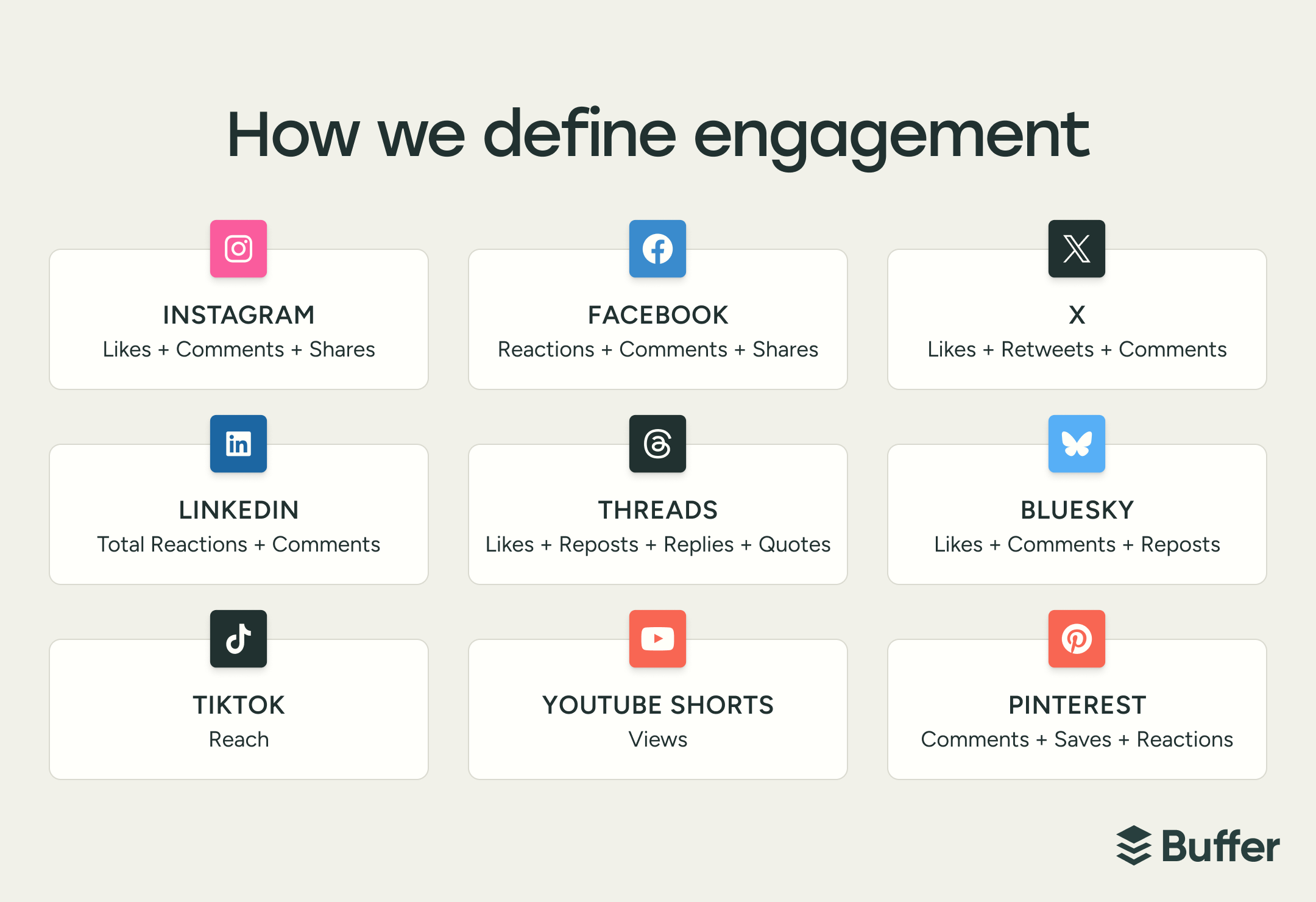
For instance, LinkedIn, a professional networking platform, integrates clicks into its engagement rate calculation, reflecting its emphasis on content that drives further exploration or professional networking. Instagram, conversely, has increasingly shifted its focus towards "views" as a primary success metric, particularly for video content like Reels. TikTok measures engagement as a percentage of reach, highlighting the importance of captivating a broad audience quickly. Newer platforms like Bluesky and Mastodon, still in their nascent stages, often rely on raw interaction counts, emphasizing community-driven metrics.
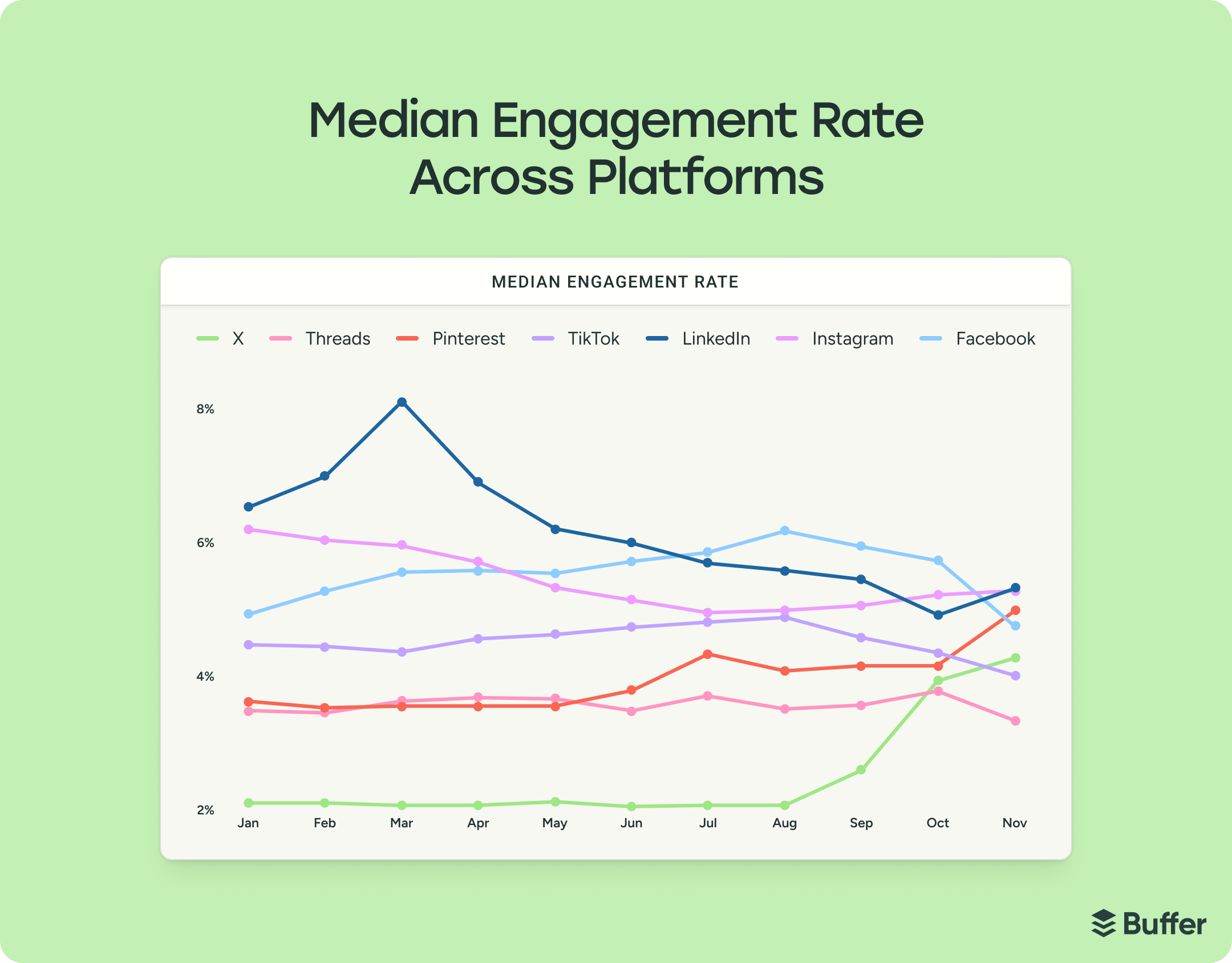
This divergence means that a "3% engagement rate" on LinkedIn and a "3% engagement rate" on X (formerly Twitter) are fundamentally incomparable, as they represent different underlying user behaviors and algorithmic priorities. Data from Buffer’s "State of Social Media Engagement report" starkly illustrates this uneven landscape. The report found typical engagement rates ranging from approximately 6.2% on LinkedIn to about 2.5% on X. Comparing these figures without proper context can lead to misguided strategic decisions, such as overinvesting in a platform that appears to be performing well by a misleading metric, or prematurely abandoning one that is actually thriving within its own contextual benchmarks.
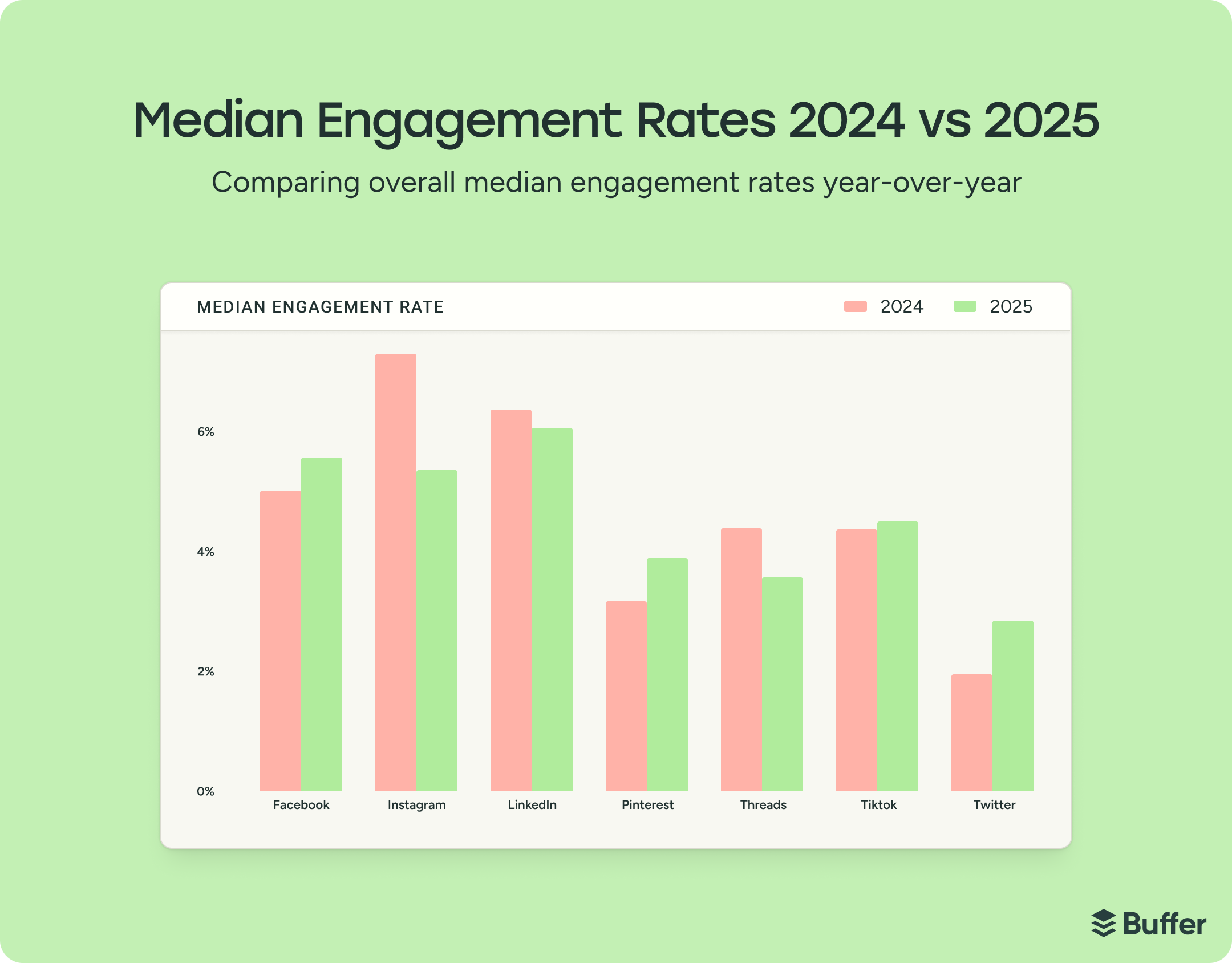
Furthermore, these baselines are not static; they are in constant flux. The report highlights significant year-over-year shifts: X experienced a substantial jump of approximately 44%, Pinterest rose by 23%, and Facebook saw an 11% increase. In contrast, Instagram’s engagement rate dropped by about 26%, Threads fell by 18%, and LinkedIn dipped by 5%. Julian Winternheimer, Buffer’s data lead, cautions against simplistic interpretations of these movements, noting, "Dramatic swings often reflect changes in who’s posting or how metrics are defined, not necessarily genuine performance shifts." A large percentage gain from a low base, such as X’s, might appear impressive on paper but doesn’t necessarily alter its overall standing relative to other platforms. Understanding these contextual nuances is paramount for setting realistic expectations and developing effective platform-specific strategies.
The Strategic Importance of Genuine Interaction
While reach and follower count often garner significant attention, engagement serves as the most accurate indicator of whether a social media strategy is truly resonating. Its importance spans several critical dimensions:
- Algorithmic Amplification: Platforms are designed to promote content that sparks interaction. Higher engagement signals to algorithms that content is valuable and relevant, leading to increased distribution and visibility.
- Audience Research: The nature of engagement provides invaluable insights into audience preferences. Analyzing what content generates the most comments, shares, or saves offers an unfiltered view into what truly captivates and connects with the target demographic.
- Community Building and Trust: Engagement transforms passive viewers into active participants, fostering a sense of community around a brand or creator. When an audience actively interacts, they are not just consuming content; they are investing in the relationship, building loyalty and trust.
- Conversion and Business Outcomes: Engaged audiences are more likely to convert into customers, subscribers, or advocates. This metric is a strong precursor to tangible business results, reflecting an audience that is not just aware, but also invested.
Ultimately, while reach is a function of the platform delivering content, engagement represents the audience’s active choice to connect and participate.
Measuring and Interpreting Engagement: Beyond the Raw Numbers
Before any attempt to "boost" engagement, a clear understanding of its measurement and meaning is essential. The most commonly employed metric is the engagement rate, typically calculated by dividing total engagements (likes + comments + shares + saves) by either the total follower count or total impressions, then multiplying by 100. Follower-based rates indicate how effectively an existing audience is being activated, while impression-based rates reveal content’s ability to convert viewers into interactors. Consistency in the chosen denominator is key for accurate benchmarking and comparison.
It is crucial to recognize that not all engagements carry equal weight. A "like" requires a single tap, signifying passive approval. A "comment" demands more intention and thought, indicating deeper interest. A "share" or "repost" implies endorsement, as a user puts their reputation behind the content. A "save" indicates a desire for future reference, denoting high perceived value. Platform algorithms are sophisticated enough to understand these distinctions, often weighting higher-effort interactions more heavily. This explains why a post with 20 thoughtful comments might outperform one with 200 superficial likes in terms of extended reach.
The interplay between reach and engagement is another vital consideration. High reach coupled with low engagement suggests that content is being served to a broad audience but fails to resonate deeply. Conversely, high engagement with low reach indicates that content deeply connects with a smaller, highly invested audience—a robust foundation upon which to build.
However, a high engagement rate does not inherently equate to success. A post that goes "mildly viral for the wrong reasons"—such as a misunderstanding, a public "pile-on," or content taken out of context—can generate significant interaction without serving the brand’s strategic goals. Similarly, a strong like-to-comment ratio is meaningless if the comments lack substance, or if an account consistently accumulates saves without the creator ever responding to audience input. Engagement is valuable data, but participatory engagement is the mechanism through which lasting value and community are built.
Actionable Strategies for Cultivating Meaningful Engagement
The path to improved social media engagement is multifaceted, encompassing strategic analysis, intelligent content creation, and, most importantly, active participation. The following strategies are designed to be adaptable and can be implemented based on specific needs and current challenges.
I. Understanding Your Current Digital Footprint
Before any content strategy overhaul, establishing a clear understanding of current performance is paramount.
1. Leverage Analytics to Identify What Resonates:
Social media analytics are the primary tool for understanding content performance. Regular, dedicated time spent reviewing data is crucial. This involves discerning which posts generated the most comments versus shares, or which topics consistently led to more saves. These diverse signals offer distinct strategic insights. A post with high shares but few comments indicates effective reach to new audiences. Conversely, numerous saves with modest reach suggest deep resonance with the existing audience. Tools like Buffer’s Insights dashboard streamline this process by identifying top-performing content formats, optimal posting times, and ideal frequencies, allowing creators to spot patterns without manual data aggregation. Beyond quantitative data, qualitative signals from comments and direct messages are invaluable. Consistently asked questions or topics that spark genuine conversations offer profound insights often missed by numbers alone.
2. Understand Platform-Specific Engagement Benchmarks:
Misinterpreting social media performance often stems from comparing engagement rates across platforms as if they were uniform. They are not. Buffer’s "State of Social Media Engagement report" provides crucial context, revealing distinct tiers for typical engagement rates: LinkedIn (~6.2%), Facebook (~5.6%), Instagram (~5.5%), TikTok (~4.6%), Pinterest (~4.0%), Threads (~3.6%), and X (~2.5%). A 4% engagement rate, for example, would be considered underperforming on LinkedIn but exceptional on X. Without this context, resources might be misallocated, or successful strategies on one platform might be wrongly deemed failures when applied elsewhere. These baselines are dynamic; Instagram’s significant year-over-year drop of 26% does not necessarily indicate poorer content, but rather a shift in the platform’s internal optimization metrics. Realistic expectations, aligned with platform-specific benchmarks, are key to effective strategy.
3. Align Content with Platform Algorithms:
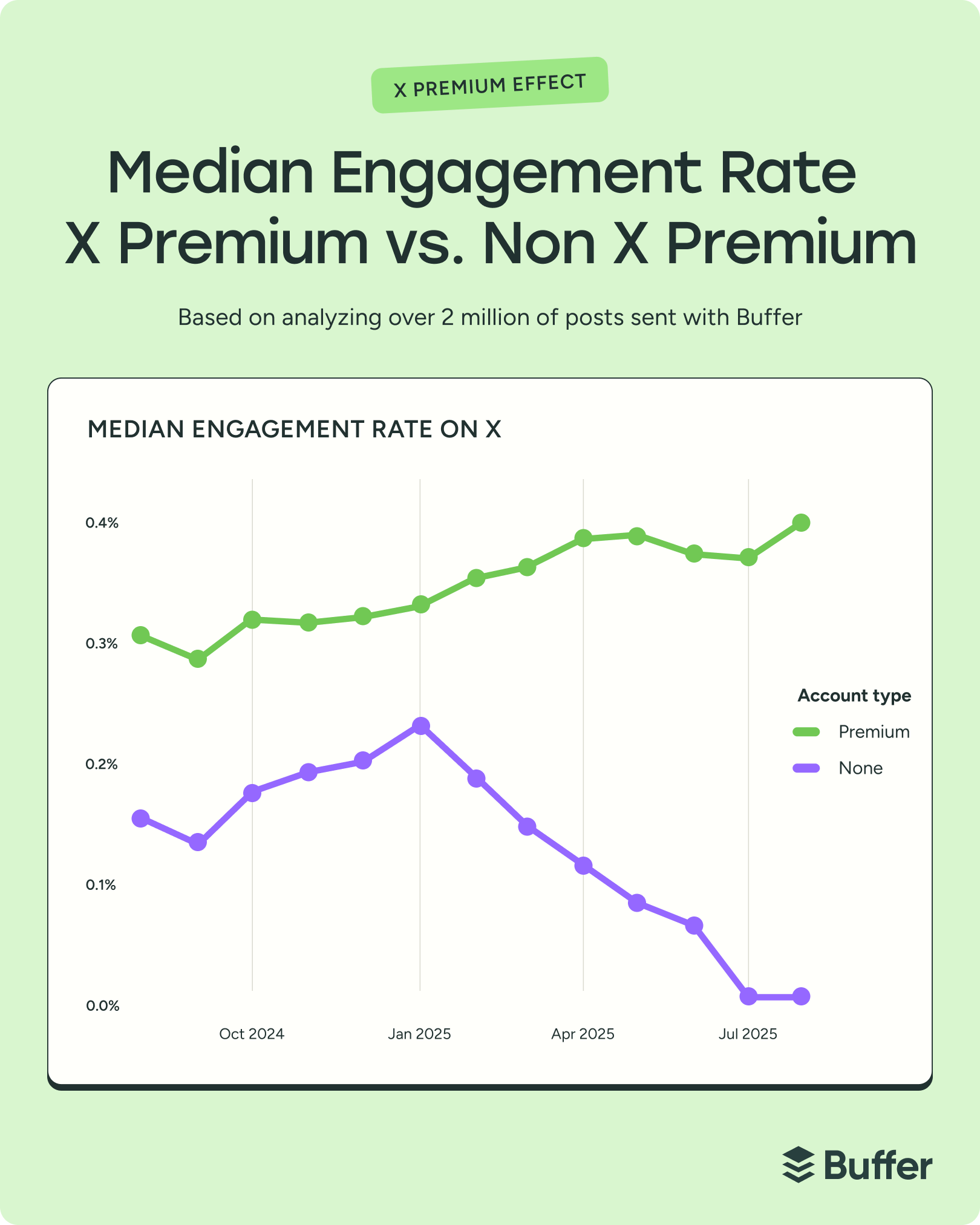
Every platform’s algorithm has a unique definition of "good engagement" embedded within its core logic. Understanding these mechanics allows creators to produce content that naturally aligns with the platform’s amplification incentives. The Threads algorithm, for instance, prioritizes conversation, favoring value-driven content that encourages replies and utilizes tags to connect like-minded users. Conversely, the YouTube algorithm is primarily driven by user watch time and viewer retention, recommending content based on past viewing habits rather than comment engagement. One can thrive on YouTube without extensive comment interaction, a stark contrast to Threads. Instagram is currently navigating an identity shift, increasingly steering creators toward "views" as the primary success metric, which has implications for the traditional engagement rate formula. On X, the introduction of a Premium tier has created a structural divide, with Premium accounts showing significantly higher engagement rates while non-Premium accounts have seen a sharp decline, with median rates hitting 0% in recent months. The takeaway is clear: a successful social media strategy necessitates a deep understanding of each platform’s unique culture and technical mechanics. Specialization in one or two key platforms where the audience is most active often yields superior results compared to a thinly spread, generic approach.
II. Crafting Content for Connection
Once the digital landscape is understood, the focus shifts to creating content that actively earns engagement.
4. Optimize Content Formats for Each Platform:
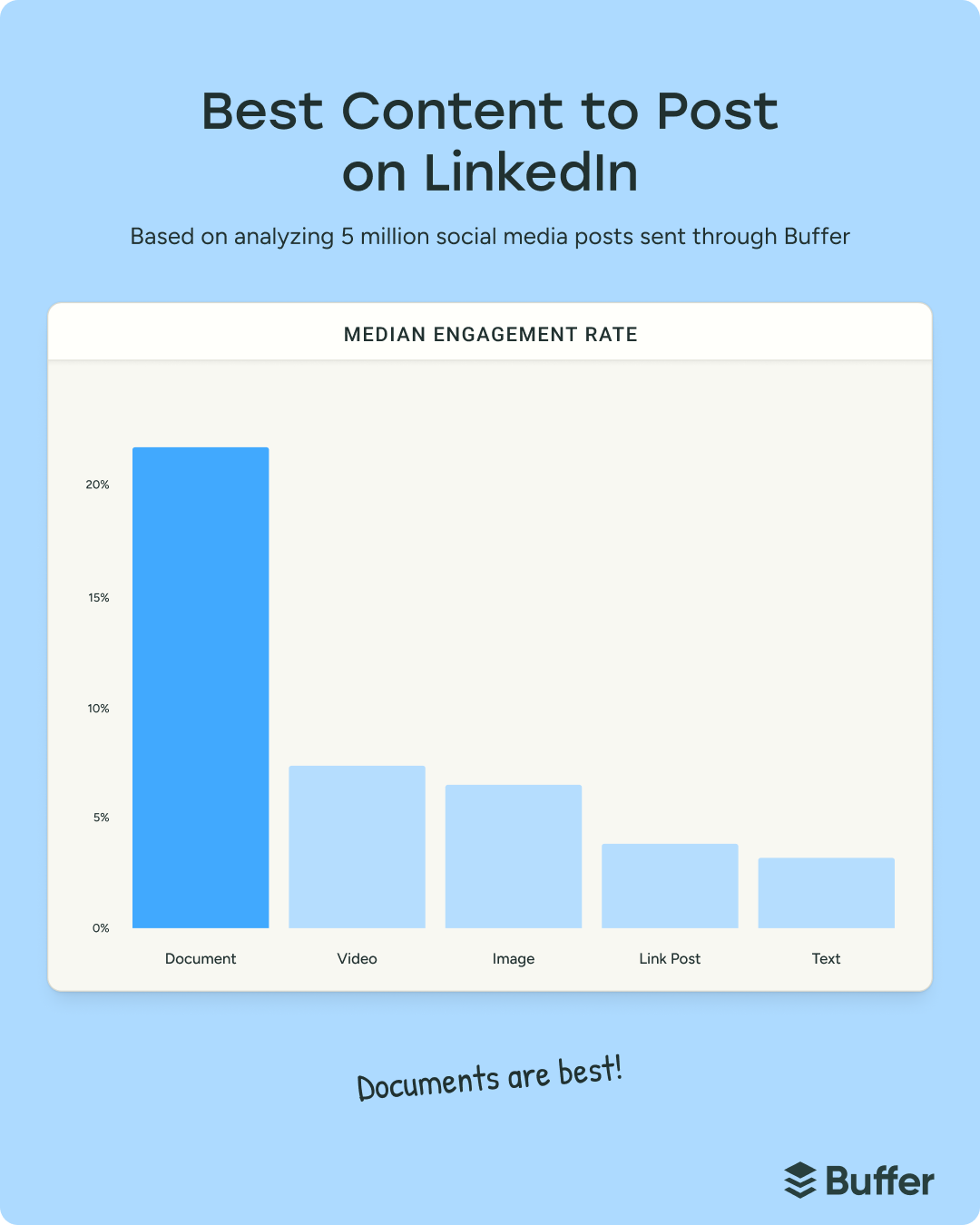
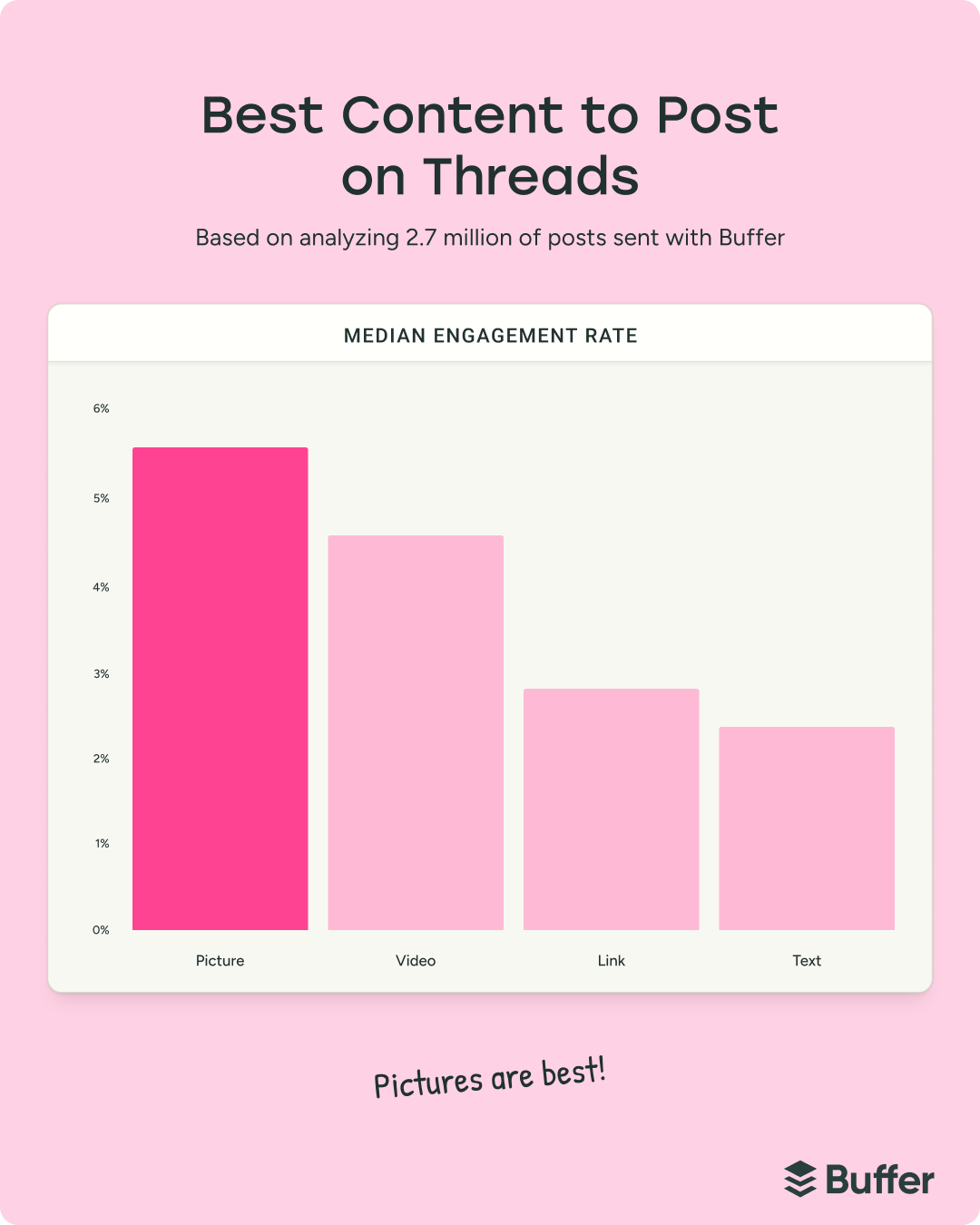
A common pitfall is assuming that a successful content format on one platform will automatically translate to another. Buffer’s report data disproves this, highlighting significant format-specific performance variations. For example, carousel posts often outperform single images on LinkedIn and Instagram, while text-only posts and polls excel on Threads. On Facebook, images and videos generally lead, whereas Idea Pins are dominant on Pinterest. Short-form video (Reels) is critical for Instagram and TikTok. The absence of a "universal best format" underscores the need for data-driven decisions on a platform-by-platform basis, treating format as a testable variable rather than a fixed choice.
5. Strategically Integrate Trends:
Trending content provides a pre-primed audience, allowing creators to join existing conversations and benefit from algorithmic boosts. Two types of trends are particularly valuable: industry trends, which are enduring themes within a specific niche (e.g., AI in tech, sustainable practices in retail), and platform trends, which are ephemeral memes, audios, or challenges unique to individual apps. While platform trends offer short-term reach through discovery feeds, industry trends build long-term credibility. The most effective use of trends involves adding a unique take rather than mere replication, transforming a generic trend into shareable, niche-relevant content. Trends should complement, not replace, core original content to avoid appearing reactive and rootless.
6. Develop Engaging Content Series:
Shifting from a standalone post mentality to a "series" approach can significantly enhance engagement. A content series is a recurring format centered around a consistent theme, published on a regular cadence with clear naming conventions. This strategy, often underutilized by solo creators, provides a structural framework that combats content burnout and fosters audience anticipation. Examples like Tiffany Yu’s "Anti-Ableism Series" on TikTok, which garnered millions of views and led to a book deal, or Buffer colleague Darcy Peters’ "10-year Buffer anniversary" series, demonstrate the power of this approach. Series build anticipation, encourage consistent viewership, allow for deeper exploration of topics, and provide a clear framework for content planning, thus solving the challenge of consistent presence. Mining top-performing standalone posts for series potential, especially those generating high saves or requests for deeper dives, can provide excellent pilot episodes.
7. Prioritize Consistent Posting:
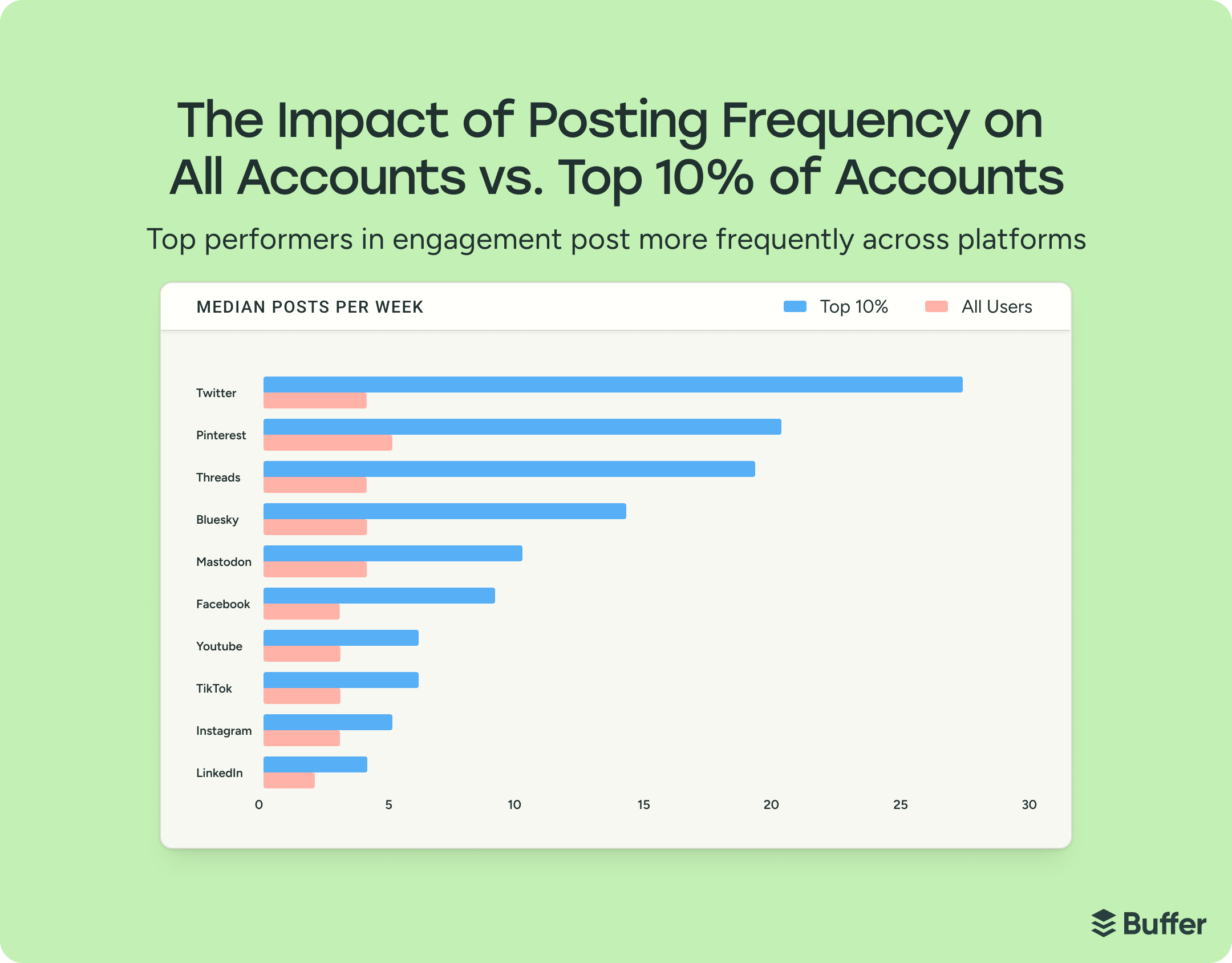
The adage "consistency matters" is unequivocally supported by data. An analysis of 4.8 million channel-week observations across Facebook, Instagram, and X revealed a "no-post penalty": accounts that failed to post in a given week consistently underperformed their own baseline growth rates. While accounts posting 10+ times weekly saw the largest gains, any posting frequency was substantially better than none. Top-performing accounts (the top 10% by weekly engagement) consistently posted more frequently across all platforms, with the widest gap observed on text-heavy platforms like X, LinkedIn, and Threads where production effort per post is lower. However, there’s a delicate balance: while more posts generally aid aggregate growth, individual post performance can dilute at excessive frequencies. The objective is a sustainable cadence that prioritizes quality over sheer volume. Content series, paired with scheduling tools like Buffer, provide the necessary framework for batch creation and consistent delivery without burnout. The key is to identify the "lowest viable cadence" that can be maintained consistently, as the biggest engagement penalty is posting nothing at all.
III. Fostering Dialogue and Community
This is where engagement transcends metrics and evolves into genuine relationship building.
8. The Imperative of Replying to Comments:
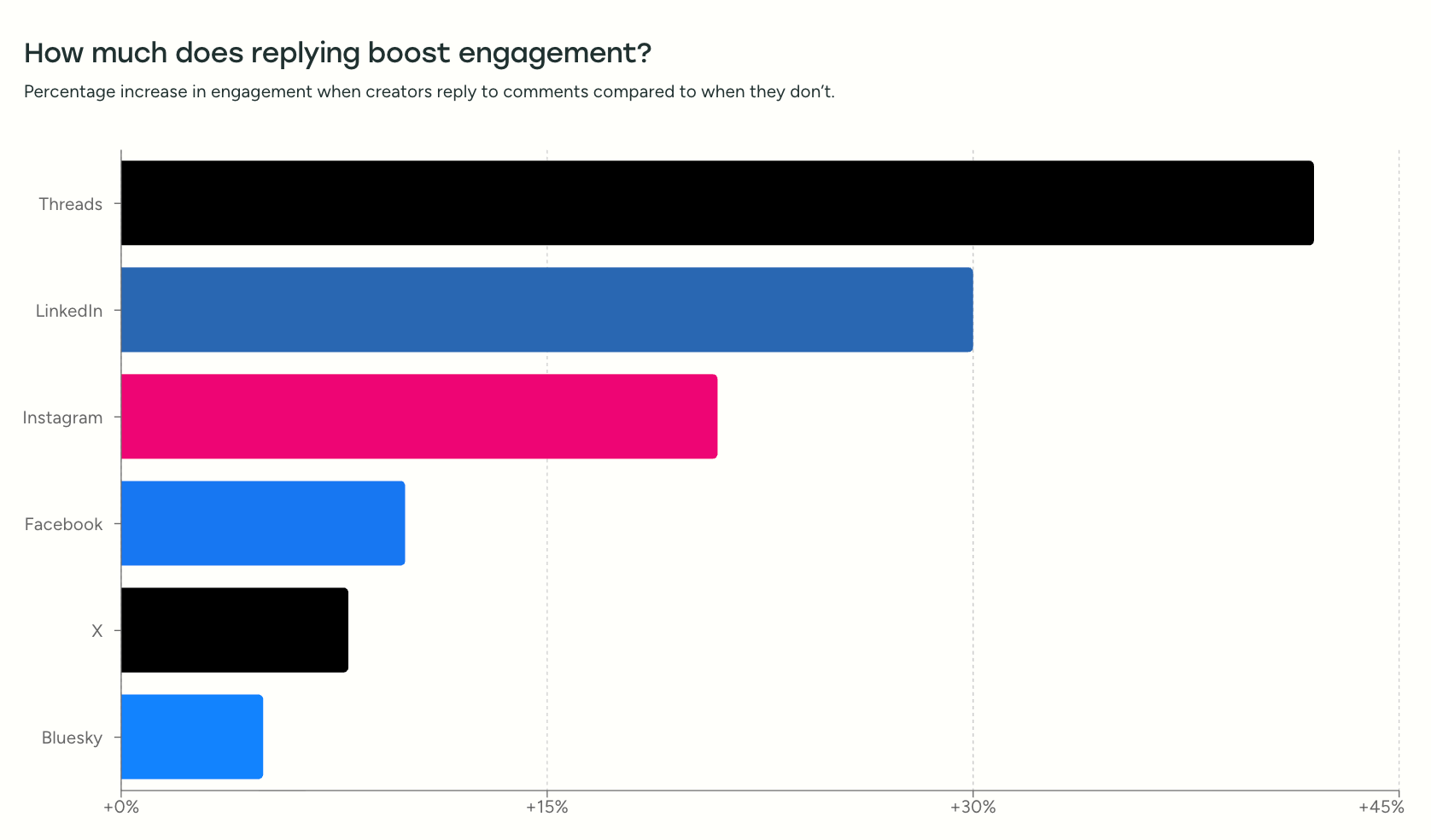
Perhaps the most potent finding from Buffer’s "State of Engagement" dataset is the direct correlation between creator replies and higher engagement. Across nearly 2 million posts from over 220,000 accounts on six platforms, posts where creators consistently replied to comments significantly outperformed those where they did not. The estimated engagement lift when replies are present is substantial: up to 42% on Threads, 30% on LinkedIn, 27% on TikTok, 20% on Facebook, 15% on Instagram, and 10% on X. While causality cannot be definitively proven (highly engaging posts might naturally attract more comments), the consistency of this pattern across all studied platforms, even when comparing each account against its own baseline, is compelling.
The effect is strongest on conversational platforms like Threads and LinkedIn, where interfaces explicitly highlight replies. This highlights a common oversight: the "post and ghost" phenomenon. Allocating 15-20 minutes after each post to respond to initial comments is crucial. This early activity not only signals to algorithms that content is sparking conversation, potentially extending its reach, but more importantly, it cultivates a reciprocal relationship. When a user’s effort to comment is acknowledged, they are more inclined to engage again, thereby transforming an audience into a community. Buffer’s Community feature facilitates this by providing a unified inbox for comments and DMs across channels, simplifying response management and highlighting active commenters for prioritized engagement. The bar for "showing up" is often lower than perceived; a genuine "thank you" or a quick answer signals human interaction, which is what truly matters.
9. Create Content That Actively Invites Participation:
The most engaging content is often not the most polished, but the most participatory. Posing genuine, open-ended questions, creating polls, or initiating quizzes can transform content consumption into an interactive experience. A single well-crafted question can generate weeks of content ideas from audience responses, creating a "flywheel" where audience feedback directly fuels future content. Platforms like Instagram and TikTok offer "reply-to-comment-with-video" features, allowing creators to spontaneously generate new content from existing conversations, as demonstrated by creators like Emily McDonald. Tools like Buffer’s Community feature further streamline this process, enabling direct post creation from comments, ensuring valuable audience insights are never missed. Pairing interactive content with automation, such as using Manychat to deliver resource links via DMs based on keyword comments, can amplify impact.
10. Harness the Power of User-Generated Content (UGC):
User-generated content (UGC) is a powerful form of social proof, consistently outperforming brand-created content in terms of influence and impact on purchasing decisions. People inherently trust their peers more than brands. When a brand features user content, it not only provides authentic social proof but also encourages engagement from the featured user and their network, exposing the brand to new, trusted audiences. This can be seen in brands like Nothing, which actively engages with tech reviewers like Canoopsy, whose organic product reviews often reach millions and lead to collaborative opportunities.
UGC manifests in two primary ways: organic UGC, where customers spontaneously create content (e.g., photos with products, testimonials), requiring brands to actively monitor and reshare (with permission); and intentional systems, which proactively solicit UGC through branded hashtags, post-purchase prompts, or community challenges. For service providers or solo creators, UGC equivalents include resharing client testimonials, screenshots of positive DMs (with permission), or posts where audiences credit the creator’s content for insights or impact. This authentic content builds trust, rewards the community, and generates engagement organically.
11. Practice Proactive Social Listening:
While engaging with existing comments and invitations to participate is vital, social listening extends this effort by understanding broader conversations happening around a brand, competitors, niche, and audience problems—even when these conversations don’t directly involve the brand. This involves actively "lurking" in relevant online communities (e.g., subreddits, LinkedIn groups, Threads discussions) and utilizing advanced search filters to identify discussions around key topics, not just direct brand mentions. This proactive intelligence gathering allows creators to identify audience needs and content opportunities before direct interaction, ensuring content is created to meet people where they already are. This shifts content creation from being self-centered to audience-centric. While specialized software exists, manual listening is highly effective. Buffer’s Community feature also integrates AI-powered insights to surface comment themes, acting as a lightweight social listening tool within an existing workflow.
Conclusion and Forward Outlook
The extensive analysis of millions of social media posts underscores a simple yet profound truth: effective social media engagement ultimately boils down to "people talking to people." The most compelling finding—the consistent correlation between creator replies and higher engagement across all platforms—serves as the cornerstone of this philosophy. While understanding algorithmic nuances and optimizing content formats are important, the most impactful strategies revolve around showing up, participating, and genuinely treating the audience as individuals in a conversation, rather than mere data points on a dashboard.
The eleven strategies outlined here are not meant for simultaneous implementation but rather as a strategic toolkit. Whether beginning with a review of analytics, committing to a content series, or simply dedicating 15 minutes post-publication to reply to comments, the entry point is less critical than the underlying mindset shift: engagement flourishes when broadcasting gives way to active listening and genuine dialogue. Tools like Buffer are designed to streamline the technical aspects of social media management—from scheduling and analytics to a unified inbox for comments and DMs—thereby empowering creators to dedicate more time to the truly social aspect of digital interaction.
Frequently Asked Questions (FAQs)
What counts as social media engagement?
Social media engagement encompasses any active interaction a user has with your content or brand. This includes actions such as likes, comments, shares, saves, reposts, replies, link clicks, and direct messages. Interactions requiring more effort or intent, like comments, shares, and DMs, are generally weighted more heavily by platform algorithms compared to passive actions like likes.
How do you calculate engagement rate?
The most common method for calculating engagement rate is: (Total Engagements ÷ Total Followers) × 100. Alternatively, some marketers use total impressions instead of followers in the denominator to assess how effectively content converts people who actually saw it. Both methods are valid, but consistency in the chosen denominator is essential for meaningful comparisons and benchmarking.
What’s a good engagement rate on social media?
A "good" engagement rate varies significantly by platform. Based on Buffer’s research, median engagement rates currently stand around: LinkedIn (~6.2%), Facebook (~5.6%), Instagram (~5.5%), TikTok (~4.6%), Pinterest (~4.0%), Threads (~3.6%), and X (~2.5%). These benchmarks are dynamic and can shift over time (e.g., Instagram’s 26% year-over-year drop vs. X’s 44% jump), necessitating regular review of up-to-date industry reports.
What’s the difference between reach and engagement?
Reach refers to the total number of unique users who saw your content, indicating its visibility. Engagement, conversely, measures how many people actively interacted with your content. A post can achieve high reach but generate low engagement (meaning it was seen widely but didn’t resonate), or it can have modest reach but strong engagement (indicating deep connection with a smaller, highly invested audience). For most strategic purposes, engagement is considered a more valuable metric as it signifies active interest and connection.
Why does social media engagement matter?
Social media engagement is crucial for several practical reasons. Firstly, platforms use engagement signals to determine content amplification, meaning higher engagement often leads to increased organic reach. Secondly, engagement serves as a direct indicator of audience trust and connection, fostering community development and eventually leading to tangible business outcomes. Thirdly, the patterns of what content generates engagement provide invaluable, authentic audience research, helping creators and brands refine their content strategy.
How do I increase my social media engagement?
Strategies proven to consistently boost social media engagement include: thoroughly understanding your analytics and platform-specific benchmarks; actively responding to comments (Buffer’s data indicates this can increase engagement by up to 42% on platforms like Threads); creating content that explicitly invites participation (e.g., polls, Q&As); strategically leveraging user-generated content; and practicing social listening to identify audience needs. Additionally, optimizing content formats for each platform, integrating relevant trends, starting content series, and maintaining consistent posting are all vital components of an effective engagement strategy.