Pranda Michaela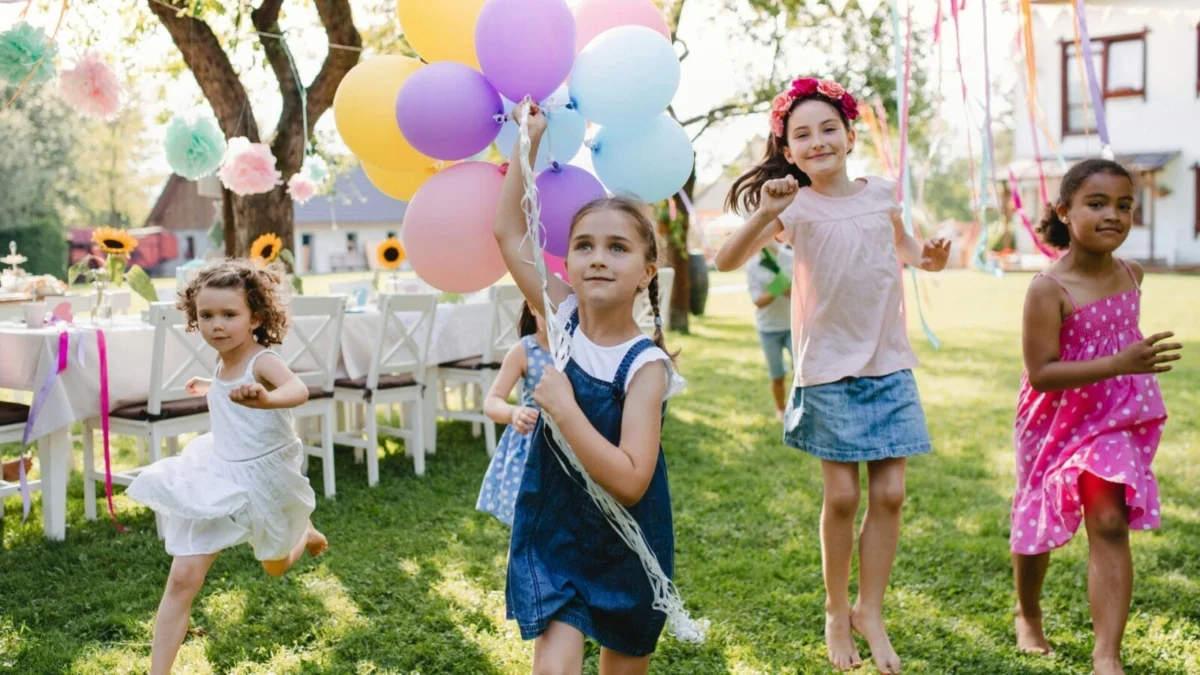
The pressure to throw the "perfect" birthday party for children has escalated dramatically over the past few decades, transforming what was once a simple celebration into an elaborate, often exhausting, event for parents. This phenomenon, characterized by increasingly extravagant themes, hired entertainment, and curated experiences, has become a significant source of stress for many families. While children’s genuine joy remains the ultimate goal, the external and internal pressures to outdo previous celebrations and meet perceived societal benchmarks can overshadow the true spirit of a birthday.

The article "I spent years throwing the ‘perfect’ birthday party. Then I quit" by Olivia Pollock on Mother.ly delves into this evolving cultural trend, highlighting personal anecdotes and research to underscore the growing burden of birthday party expectations. Pollock recounts witnessing robot dinosaurs at parties and American Girl doll store extravaganzas, experiences that starkly contrast with her own 1990s childhood memories of Chuck E. Cheese as the pinnacle of birthday celebration. This generational shift reflects a broader societal trend where parental devotion is often measured by the perceived success and grandeur of their children’s events.

The Escalation of Extravagance: A Historical Perspective

The concept of the children’s birthday party has undergone a significant transformation. In the mid-20th century, birthday celebrations were typically held at home, often featuring a homemade cake, simple games like "pin the tail on the donkey," and a small gathering of close friends and family. The advent of themed parties began to emerge in the latter half of the century, offering parents a more structured way to celebrate. However, the digital age and the rise of social media have undeniably amplified the pressure to create visually impressive and shareable events. Platforms like Instagram and Pinterest showcase meticulously planned parties, creating an aspirational benchmark that many parents feel compelled to emulate.

The rise of specialized party services has also contributed to this escalation. From character impersonators and elaborate balloon arches to custom-designed cakes and "Instagrammable" backdrops, the industry catering to children’s parties has boomed. This has led to a perception that anything less than a professionally orchestrated event might be seen as a sign of parental inadequacy. Pollock’s anecdote about a mother inquiring about the "activation" for her one-year-old’s birthday party perfectly encapsulates this shift, where structured entertainment is now considered a necessity rather than an optional enhancement.

The Emotional and Financial Toll on Parents

The relentless pursuit of the "perfect" party comes at a considerable cost, both emotionally and financially. For working parents, the mental load of planning, coordinating vendors, and executing these elaborate events can be overwhelming, often adding to existing responsibilities of career and childcare. Pollock admits to feeling exhausted by the effort, leading her to opt for simpler celebrations for her son’s second and third birthdays. This decision, while liberating, was initially accompanied by guilt, a testament to the deeply ingrained societal expectations.

Financially, the cost of these parties can be substantial. A single event can easily run into hundreds or even thousands of dollars, especially when factoring in venue rentals, entertainment, catering, decorations, and party favors. This financial strain can create anxiety for families, particularly those with limited budgets, potentially leading to a cycle of comparison and competition. Research from Evite, where Pollock has worked, indicates that a significant majority of hosts actually prefer more intimate, meaningful gatherings over over-the-top extravaganzas, suggesting a disconnect between parental desires and perceived societal demands.

The Child’s Perspective: What Truly Matters?

Despite the elaborate efforts of parents, research and anecdotal evidence suggest that children often prioritize different aspects of a birthday celebration. Pollock’s observation that children exiting parties with elaborate favors and those from more low-key bowling parties often have the "exact same expression on their faces—pure joy" is a poignant reminder. Children’s memories are often forged by simple, shared experiences: playing games with friends, the excitement of cake and singing, and the feeling of being celebrated.

The article highlights that what truly creates lasting memories is not the material aspects of a party, but rather the emotional connection and warmth. Simple activities, like playing tag or engaging in a spontaneous dance party, can be far more impactful than expensive, pre-planned entertainment. The emphasis on "warmth" and "connection" suggests a need to reframe our understanding of what constitutes a successful celebration, shifting the focus from external validation to internal, relational experiences.

Shifting the Narrative: Embracing Imperfection

The realization that the pressure for perfection is detrimental is a crucial step towards reclaiming the joy of childhood celebrations. Pollock’s journey from orchestrating elaborate parties to embracing simpler ones is a testament to this shift. She advocates for "lowering the bar for ‘perfect’," viewing it not as giving up, but as a direct route back to being present and enjoying the moment with one’s children.

This recalibration involves a conscious effort to resist the societal pressure and to trust that children will be delighted by genuine connection and simple fun. It means acknowledging that a messy, imperfect party can be just as, if not more, memorable and meaningful than a flawlessly executed one. The focus should be on creating an environment of love, laughter, and belonging, rather than striving for an Instagram-worthy spectacle.

The Future of Birthday Celebrations

As parents become more aware of the emotional and financial toll of excessive birthday party expectations, there is a growing movement towards more intentional and meaningful celebrations. This involves:

- Prioritizing Connection Over Extravagance: Focusing on activities that foster interaction and shared experiences among children.
- Embracing Simplicity: Opting for home-based parties, smaller guest lists, and DIY decorations.
- Focusing on Experiences, Not Just Possessions: Gifting experiences or contributions to a larger goal rather than material items.
- Open Communication: Discussing expectations with children in an age-appropriate manner, emphasizing that the most important aspect is celebrating them.
- Leveraging the Power of Community: Organizing shared parties with friends or family to reduce individual burden and cost.
- Mindful Social Media Use: Recognizing that social media often presents a curated highlight reel, and avoiding direct comparison.
The article’s core message resonates with a growing sentiment among parents: the true value of a birthday lies not in its elaborate execution, but in the genuine joy and connection it fosters. By letting go of the pressure to be perfect, parents can create more authentic, memorable, and ultimately more enjoyable celebrations for their children, and for themselves. The goal is not to abandon celebrations, but to redefine them through the lens of what truly matters: love, family, and the simple magic of childhood.